



Hot Runner Or Cold Runner For Your Injection Mould
When the extra tool cost of a hot runner pays for itself, and when it is money spent on a manifold you then have to maintain.
What you are actually buying
A cold runner solidifies with the part every shot and is ejected with it. That plastic is either reground or scrapped, and on a small part the runner can weigh as much as the part itself. A hot runner keeps the material molten right up to the gate, so nothing is ejected except the part. Only one tool in the archived XSY catalogue is a hot runner, which is about the right proportion for a catalogue of mostly single cavity tools.
Three cases where a hot runner earns its cost
First, when the runner is a large fraction of the shot weight, because the material saving compounds over hundreds of thousands of shots. Second, when the flow path is too long to pack evenly from one cold gate, which is the usual situation on a wide television bezel or a large panel. Third, when the gate has to sit in the middle of a cosmetic face, where a valve gate leaves a clean circle and a cold gate leaves a problem.
The hot runner tool in this catalogue
Three cases where it does not
A small part with a short flow path saves little material. A tool that runs a few times a year spends more time being heated up than producing. And a plant without the electrical supply, the controllers or the maintenance skills for a manifold will find that a hot runner failure stops production for longer than any runner regrind ever cost.
The maintenance question nobody asks at quotation
A cold runner mould fails in ways a tool room can see: flash, wear, a broken ejector. A hot runner adds heaters, thermocouples, controllers and a drop that can leak into the plate. Those failures need either a specialist or a spares stock. Before specifying one, ask who fixes it at two in the morning.
In This Guide
Products Referenced In This Guide
Moulds For Electronic And Audiovisual Parts
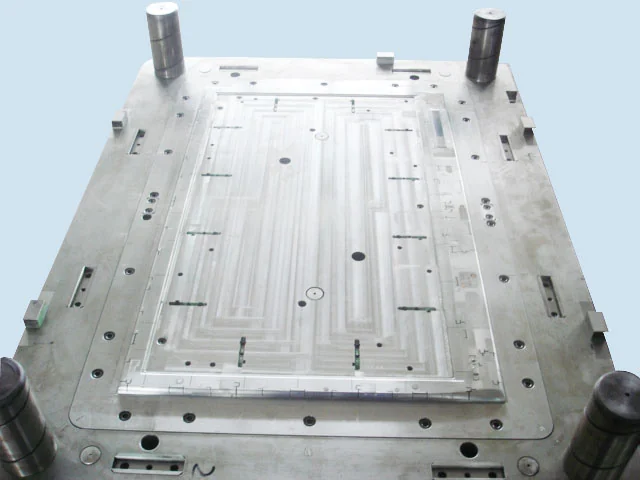
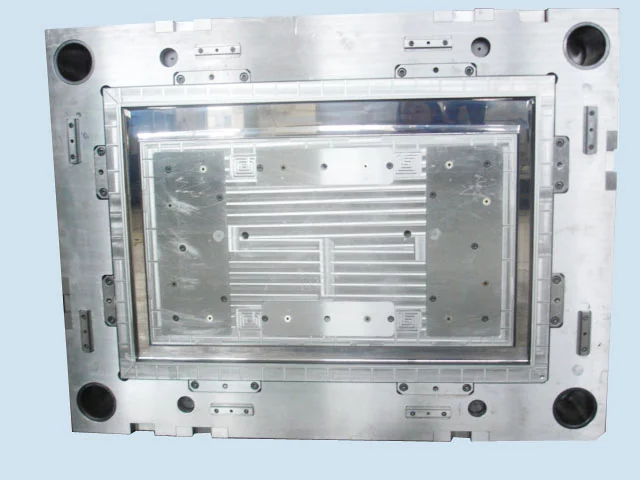
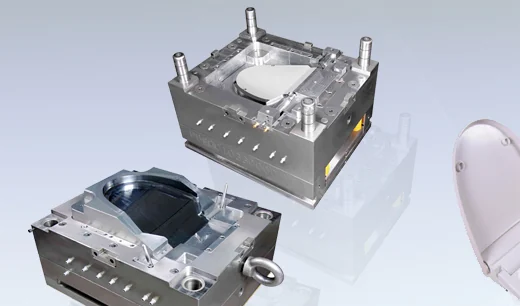
Hot Runner Mould With Valve Gate
The only hot runner tool in the archived catalogue
Product materials PC/ABSMould material SKD61
Plastic Injection Moulded Parts
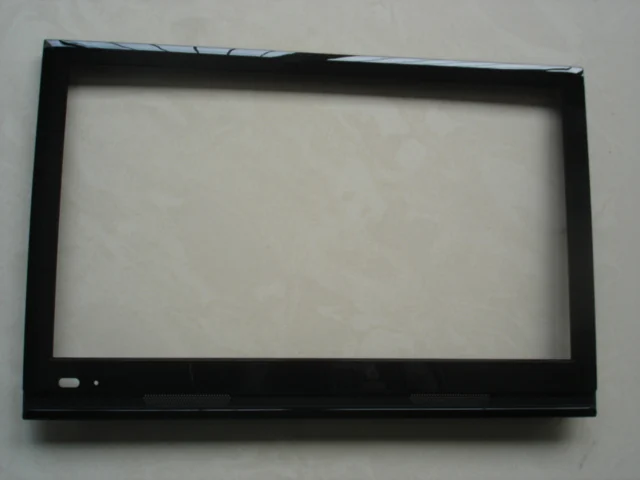
Moulded Television Front Shells
A wide gloss black part where every defect is visible

Moulds For Electronic And Audiovisual Parts
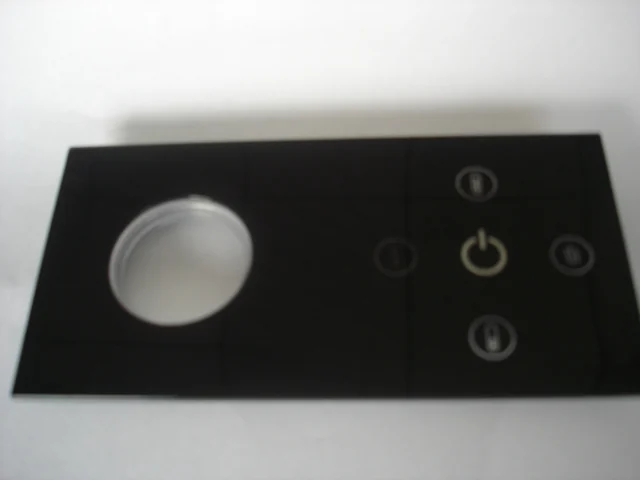
PC Electronic Series Mould With SKD61 Cavity Steel
SKD61 with a pinpoint gate for a cosmetic PC part
Product materials PCMould material SKD61
Related Reading
Process Guide
Pinpoint Side Submarine And Valve Gates Compared
All four gate types appear in this catalogue. Where each one belongs, what it leaves on the part, and what it costs in mould construction.

Buying Guide
How Cycle Time Decides The Price Of A Moulded Part
The cycles in this catalogue run from 40 to 100 seconds. What drives that spread, and why it matters more than the tool price.
Industry
Electronics And Audiovisual
Television front shells, enclosures and electronic housings in PC and PC ABS
Questions On This Topic
Follow up questions this guide raises.
How much more does a hot runner mould cost?
The manifold, drops and controller are a significant addition on a small tool and a smaller proportion on a large one. Because it varies so much with drop count we quote it against your part rather than as a percentage.
Can a cold runner tool be converted later?
Usually not economically. The plate stack, the cooling and the ejection are all laid out differently, so a conversion tends to cost close to a new tool.
Does a hot runner shorten cycle time?
Sometimes, because there is no runner to cool. But cycle time is set by the thickest section of the part, so if the part is heavy the saving is small.
Apply This To Your Own Part
General guidance only goes so far. Send the model and the moulding grade and we will tell you what it means for your tool.