
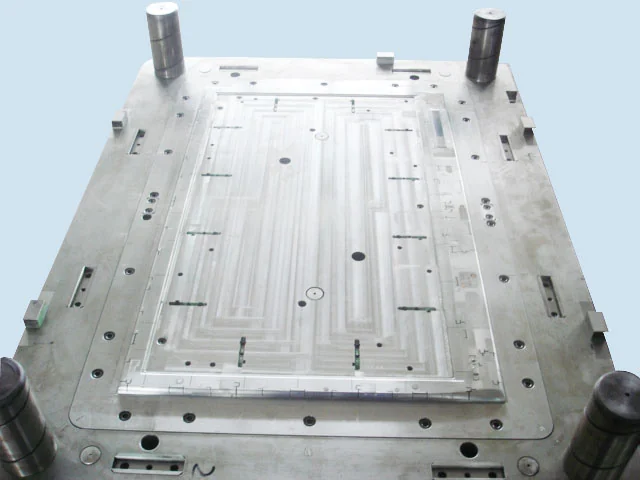
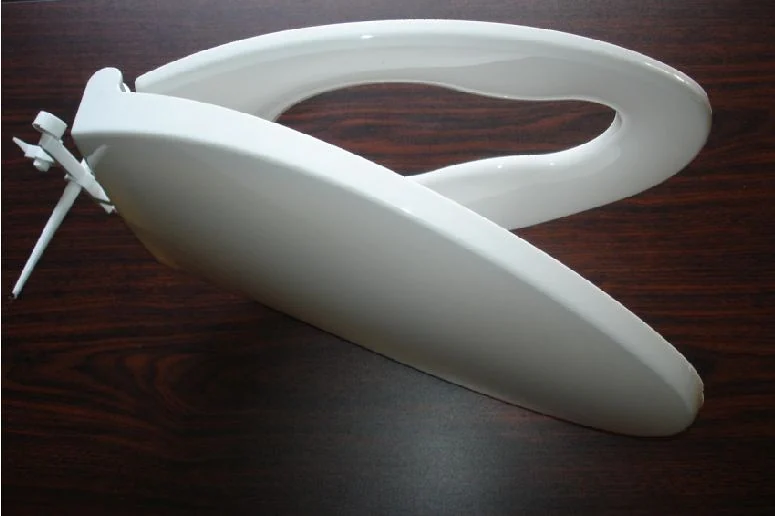


PC Home Appliance Mould With Two Cavities
Two cavity PC tool, S136 quenching cavity, two slides, side gate, 40 sec cycle, 600,000 shots.
What This Tool Is
Two impressions on a 40 second cycle, the shortest cycle recorded anywhere in the archived catalogue, in a quenched S136 cavity rated for 600,000 shots. The tool runs two slides and a side gate. The archived record puts the cycle at 40 sec and the tool life at 600,000 shots.
Polycarbonate runs hot and needs a hotter, more stable mould than ABS. A tool cooled for a styrenic will not hold cycle or finish in PC.
Company catalogue record 186.
Specification And Trade Terms
Mould specification
| Product materials | PC |
|---|---|
| Mould material | S136 quenching |
| Cavity | 1 x 2 |
| Slider | 2 |
| Gate | Side gate |
| Cycle time | 40 sec |
| Warranty | 600,000 shots |
Commercial terms
| Product origin | China |
|---|---|
| Price terms | FOB Xiamen or CIF |
| Payment terms | T/T or L/C |
| Minimum order | 1 set |
| Mould standard | HASCO or DME standard components |
Key Benefits
S136 is a stainless mould steel, which is why it is the cavity steel on this a PC appliance housing or panel tool
A side gate feeds the part from the edge on a simple two plate tool
Two impressions halve the press time per part, which is usually where the piece price on a moulded part is won or lost
Two slides is a low count for this kind of part, and every slide left out is cycle time and maintenance removed
Polycarbonate runs hot and needs a hotter, more stable mould than ABS
Problems It Solves
A tool laid out around ABS cooling will not hold cycle or finish once a polycarbonate grade goes into it
A cold gate on a visible face leaves a witness that somebody then has to trim, colour match or hide
Who It Is For And Where It Is Used
Who it is for
- White goods manufacturers
- Small domestic appliance brands
- Contract manufacturers quoting panel programmes
Application scenarios
- Replacing a worn panel tool so parts still fit the existing fixture
- Quoting a panel programme that needs tool cost and cycle time up front
- Running the same panel geometry across several colours
Technical Features And Materials
Technical features
- S136 quenching cavity and core
- 1 x 2 impression layout
- Side gate feed
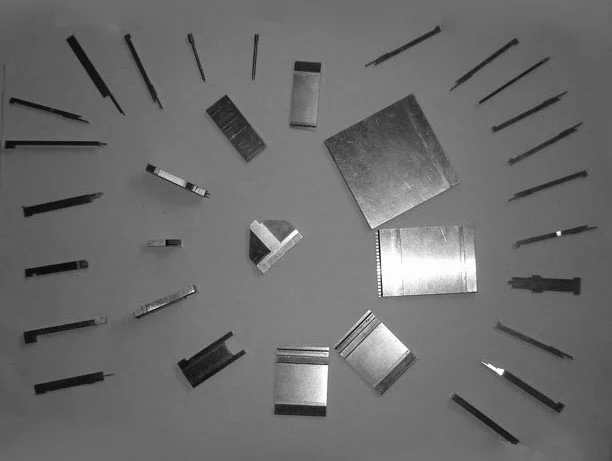
- Two mechanical slides with hardened wear plates
- Cavity and core rated at 600,000 shots
- HASCO or DME standard mould base components
Customisation options
- Impression count revised up or down once you give us the real annual volume
- Cavity steel changed from S136 quenching where your moulding grade or your expected shot count calls for something different
- Gate type moved away from the side gate if the cosmetic face or the degating requirement changes
- Cosmetic features such as texture, logos and part numbers cut as replaceable inserts so a later change does not mean a new cavity
- Mould base built to HASCO or DME dimensions, or to a standard your own tool room already stocks spares for
Materials
- PC
How This Mould Is Made
- Cavity and core blocks are inspected against the specified grade before they enter the machining route
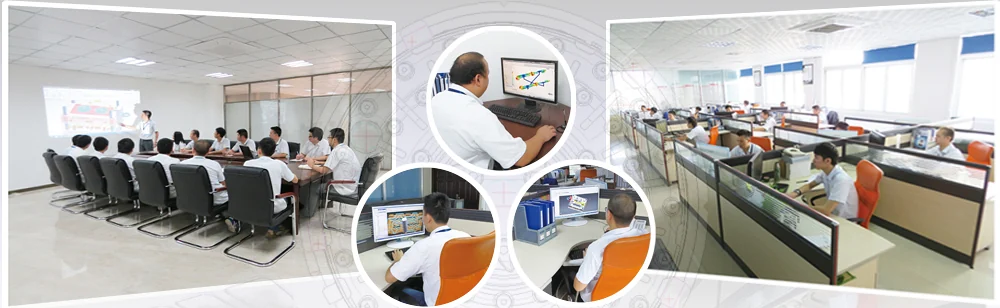
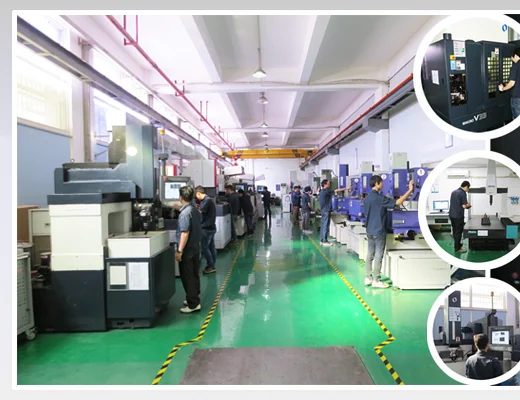
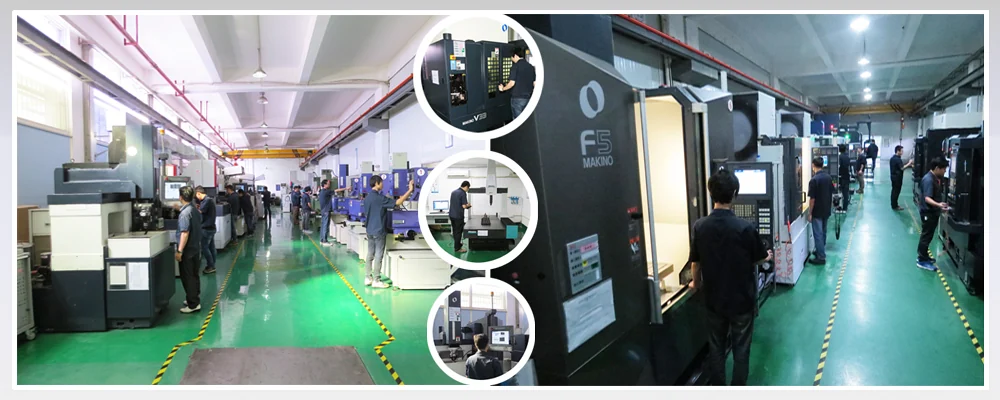
- Cavity geometry is cut on the CNC machining centres from programmes generated off the released part model
- Cavity and core are quenched and tempered, then re-measured, because heat treatment moves steel and the movement has to be machined back out
- Rib roots, text and internal corners are burned in with EDM electrodes, which is detail no rotating cutter can reach
- The two slide pockets are wire cut so the slide fit repeats rather than being filed in
- The moulding face is polished to the finish the part needs, which for a plated part is a different grade from a textured one
- Parting line, shut offs and ejection are fitted and spotted by hand at the bench
- The tool is trialled on one of our injection machines and the 40 sec cycle is measured rather than assumed
Quality Control On This Tool
- Incoming cavity and core steel is checked against the grade on the order, not against the delivery note
- Machined inserts and plates are measured between operations rather than only at the end of the route
- Slide travel and shut off contact are checked at the bench before the tool goes anywhere near a press
- Trial parts are measured on the 2D image measuring projector against the dimensions nominated on your drawing
- Each impression is reported separately, because matched cavities drift apart over life and an averaged figure hides that
- Corrections found at trial are recorded against the mould number with the date and the reason, so a repair years later starts from what the tool actually is
- Before shipment the water and hydraulic circuits are blown out and plugged and the moulding faces are oiled
Compared With The Alternatives
A single cavity version
Half the tool cost and half the output. Below production volume the single cavity tool is usually the right call.
A pre-hardened P20 or 718 tool
Cheaper and faster to cut, but it will not hold this tool's finish for this tool's shot count in this material.
A hot runner version
Removes the runner weight and allows a gate in the middle of the part, at a higher tool cost and with a heated manifold to maintain.
Use And Maintenance Guide
- Run the tool in the PC grade it was trialled with; changing grade changes shrinkage and cavity wear at the same time
- Inspect the side gate at every service, because gate condition is what decides whether parts come off the tool clean
- Grease the slide gibs on the interval in the tool documentation rather than waiting for flash to appear
- Check that every slide returns fully after a press change; a slide that does not return will damage the cavity on the next close
- Oil the moulding faces and plug the circuits for any storage longer than a week
Related Products
Moulds For Home Appliance Parts
Home Appliance Part Mould
A second appliance record the archive names but does not specify
Moulds For Electronic And Audiovisual Parts
ABS Electronic Part Mould With Two Cavities And Six Slides
Six slides across two impressions on a 60 second cycle
Product materials ABSMould material NAK80
Moulds For Electronic And Audiovisual Parts
PC Electronic Part Mould With S136 Cavity Steel
No slides at all, which keeps flash risk near zero
Product materials PCMould material S136
Moulds For Electronic And Audiovisual Parts
PC Electronic Series Mould With SKD61 Cavity Steel
SKD61 with a pinpoint gate for a cosmetic PC part
Product materials PCMould material SKD61
Industries And Guides
Industry
Home Appliance
Housings, control panels and trim parts for white goods and small domestic appliances
Buying Guide
Single Cavity Multi Cavity Or Family Mould
Impression count is most of the tool price and most of the piece price. How to decide it before you ask for a quotation.

Material Guide
ABS PP PC And ASA For Moulded Industrial Parts
The four materials in this catalogue, what each is chosen for, and what changing between them does to the mould.
FAQ Article
What A 500000 Shot Mould Warranty Actually Covers
Every mould in this catalogue is rated at 500,000 or 600,000 shots. What that figure means, what it excludes, and how to make it hold.
PC Home Appliance Mould With Two Cavities Questions
What buyers ask about this tool before ordering.
Why S136 quenching for this tool?
S136 is a stainless mould steel. Quenched and tempered it goes well past the hardness of a pre-hardened grade, which is what lets a polished face survive a long production life without going dull, and the chromium content keeps the cavity from pitting between runs.
What does the side gate mean for the finished part?
A side gate feeds the part from the edge on a simple two plate tool. The witness sits on the edge, so the gate position has to land somewhere the assembly or the finish covers.
What does the 600,000 shots figure actually cover?
It is the cavity and core life the tool was built for, running the nominated PC grade under normal maintenance. It is not a guarantee against damage from a mispositioned part, a press fault or a missed service interval.
Is the 40 sec cycle achievable in our press?
It was measured on a trial here with the mould running PC. Cycle time follows the heaviest section of the part far more than it follows the press, so it should transfer, but confirm your clamp tonnage and cooling capacity with us first.
Does a two cavity tool cost twice as much as a single?
No, usually around 60 to 70 percent more. The mould base, the ejection system and the design work are shared, so the second impression is always cheaper than the first.
Get A Quotation For This Tool
Tell us your moulding grade, annual volume and target date and we will come back with a specification you can compare against any other offer.