

How To Choose Cavity Steel For An Injection Mould
S136, NAK80, S-Star, SKD61 and 718 all appear in this catalogue. What each one is actually for, and what it costs you to pick the wrong one.
Cavity steel is a decision about the part, not about the budget
Every mould in this catalogue names its cavity steel, and the choices are not random. A plated ABS bathroom part gets a quenched stainless grade. An unplated general part gets 718. A polycarbonate part that runs hot gets SKD61. Those decisions were made once, at design review, and then lived with for the whole life of the tool. Getting one wrong does not show up at the first trial. It shows up at two hundred thousand shots, when the polish has gone and the only fix is new steel.
Stainless grades: S136 and S-Star
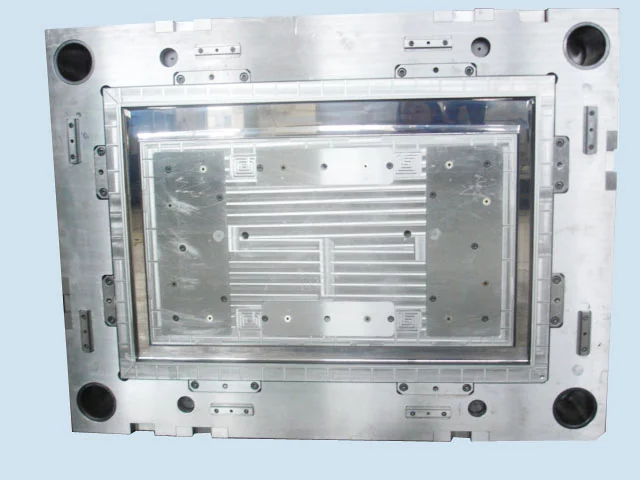
S136 and DAIDO S-Star are stainless mould steels. The chromium in them is there for one job: stopping the cavity pitting in a moulding environment that attacks plain steel. ABS off-gasses, bathroom plants are damp, and a tool that sits for three weeks between runs is exactly where corrosion starts. Both are normally quenched and tempered rather than used pre-hardened, because the hardness is what keeps a polished face from going dull under half a million ejections. The cost is a heat treatment step and the risk that a large block moves during it and has to be machined back.
Pre-hardened grades: NAK80 and 718
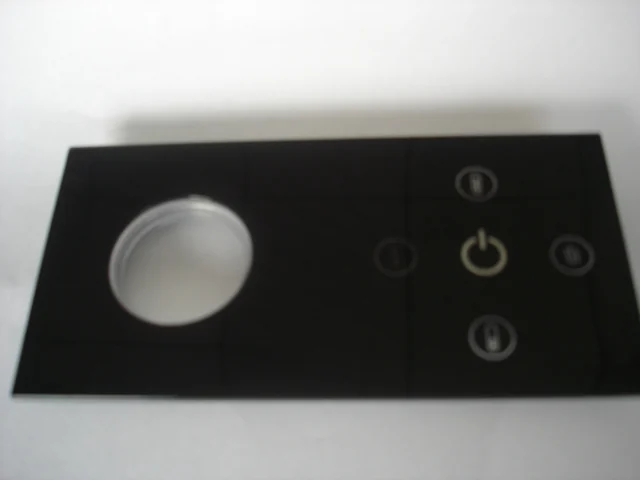
NAK80 and 718 arrive already hardened, so the cavity goes from machining straight to polishing. No heat treatment means no distortion risk and a shorter tool lead time. NAK80 polishes to a genuinely high finish and turns up on cosmetic parts that are not plated, such as the PP cover plates in this catalogue. 718 is the general purpose option: cheaper, faster to cut, and perfectly adequate for an unplated part in a dry plant. What neither will do is hold a plating grade polish for the shot counts a quenched stainless cavity reaches.
See the NAK80 cover plate mould
Hot work steel: SKD61
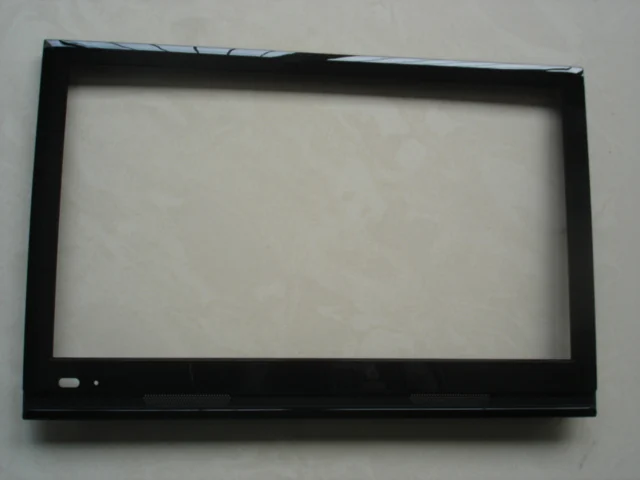
SKD61 is a hot work tool steel, and it appears in this catalogue wherever polycarbonate or PC ABS is being moulded. Those materials run at melt temperatures that soften a pre-hardened cavity over time, and filled or flame retardant versions of them are abrasive enough to wear a gate visibly within a programme. SKD61 handles both. It is harder to machine and costs more, which is exactly why it is not used on the ABS tools.
See the SKD61 automotive mould
What to tell your mould maker
Three things decide the steel: the exact moulding grade including any filler or flame retardant package, the shot count the programme needs over its life, and whether the part is plated or painted afterwards. Give a mould maker those three and the steel choice is nearly automatic. Give them only the part model and you will get whatever grade suits the quotation, which is not the same thing.
In This Guide
Products Referenced In This Guide
Moulds For Sanitary Ware Parts
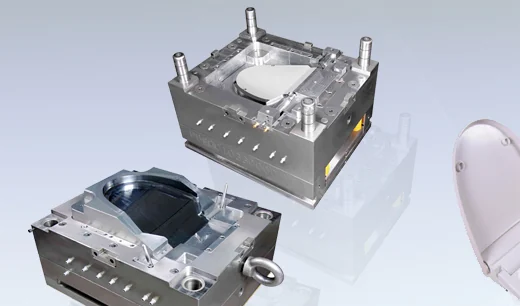
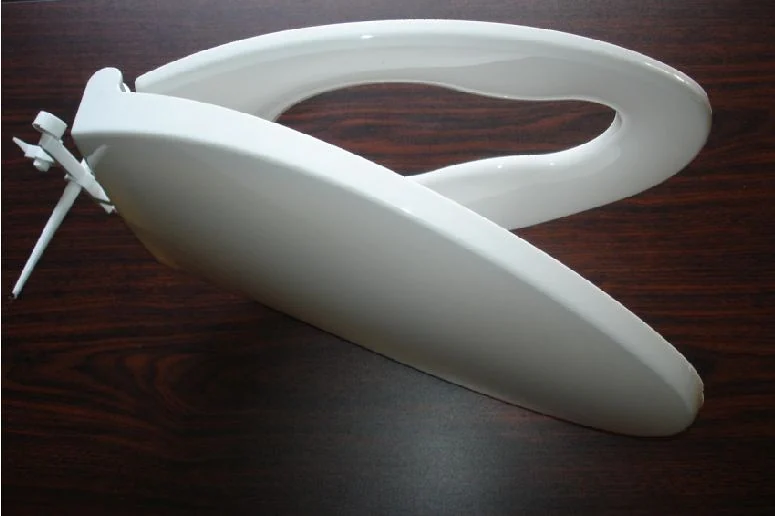
ABS Sanitary Part Mould With S136 Cavity Steel
Stainless quenched cavity for a plated bathroom part
Product materials ABSMould material S136 quenching
Moulds For Sanitary Ware Parts
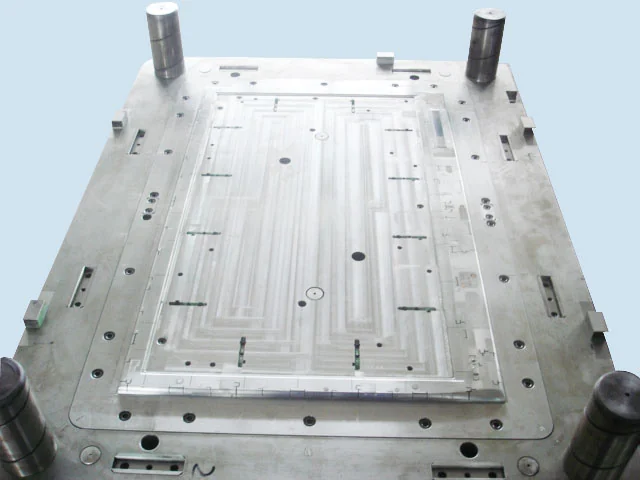
PP Cover Plate Mould With NAK80 Cavity Steel
Pre-hardened NAK80 on a large flat polypropylene part
Product materials PPMould material DAIDO NAK80
Moulds For Automotive Interior Parts
PC ABS Automotive Part Mould With SKD61 Cavity Steel
SKD61 for the melt temperature and abrasion of PC ABS
Product materials PC/ABSMould material SKD61
Moulds For Other Product Series
ABS Injection Mould With 718 Cavity Steel
718 pre-hardened steel where stainless is not needed
Product materials ABSMould material 718
Related Reading
FAQ Article
What A 500000 Shot Mould Warranty Actually Covers
Every mould in this catalogue is rated at 500,000 or 600,000 shots. What that figure means, what it excludes, and how to make it hold.

Material Guide
ABS PP PC And ASA For Moulded Industrial Parts
The four materials in this catalogue, what each is chosen for, and what changing between them does to the mould.
Industry
Sanitary Ware
Shower heads, hand showers, cisterns, toilet seats and cover plates moulded in ABS and PP
Industry
Automotive Interior
Support brackets, door panel parts and tray tables moulded in PC ABS and engineering blends
Questions On This Topic
Follow up questions this guide raises.
Is a stainless cavity always better?
No. It costs more, machines slower and on a dry unplated part it buys you nothing. The 718 tool in this catalogue is there because that part did not need stainless.
Can cavity steel be changed after the tool is built?
Only by making new cavity and core blocks, which on most tools is the majority of the cost. The mould base and ejection system survive. This is why the steel decision belongs at design review.
Does harder steel always last longer?
For polish retention and abrasion, largely yes. For impact and thermal cycling, not necessarily. A very hard cavity can crack where a slightly softer one would deform, which is why hot work grades rather than the hardest available grades are used on hot running materials.
Apply This To Your Own Part
General guidance only goes so far. Send the model and the moulding grade and we will tell you what it means for your tool.