

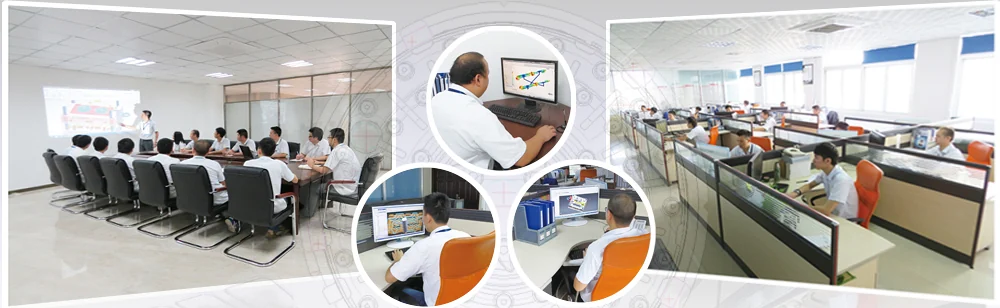
Mould Design And DFM Review
The stage where most of the tool cost and nearly all of the part risk is decided
What This Stage Covers
Before any steel is cut, the part is reviewed against the material it will be moulded in. Most of what goes wrong on an injection moulded part is settled here, not on the shop floor.
Stage By Stage
Part and material review
The problem. A part drawn for machining or for a different polymer carries sections, ribs and radii that will sink, warp or stick once it is moulded.
How we handle it. Wall sections, rib to wall ratios, draft and radii are checked against the nominated grade, and anything that needs to change is marked on the model and sent back before quotation is fixed.
Parting line and pull direction
The problem. An undercut noticed after the tool layout is set turns into an extra slide, extra cost and extra cycle time.
How we handle it. Every pull direction is marked on the model and the parting line is agreed in writing, so the slide count in the quotation is the slide count in the tool.
Gate selection
The problem. The gate decides where the weld line lands, how the part packs and whether anyone has to trim it by hand.
How we handle it. Pinpoint, side, submarine and valve gating are each used where they belong, and the reason for the choice is stated rather than left as a default.
Cooling and cycle estimate
The problem. Cooling that is copied from a similar tool gives a cycle time that only shows up as wrong after the trial.
How we handle it. Cooling lines are laid out for this part and a cycle time is quoted that the trial is then measured against.
Steel and life specification
The problem. A cavity steel chosen for price fails early on an abrasive grade, and the saving is spent on the first repair.
How we handle it. Cavity and core steel is specified against the moulding grade and the shot count the programme needs, and both go on the quotation.
What You Receive
- Marked up part model with the changes we recommend
- Parting line and pull direction proposal
- Gate and cooling layout
- Steel specification with an expected shot life
- Tool cost and lead time
Products This Stage Applies To
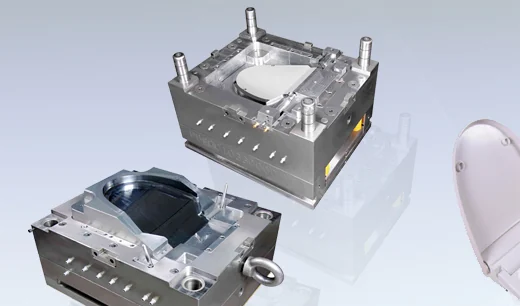
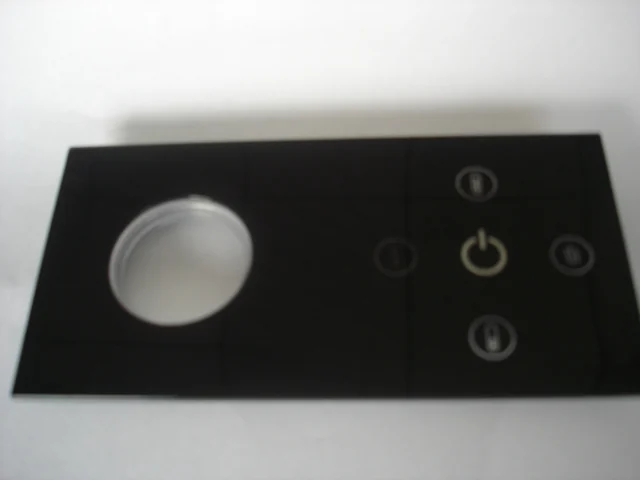
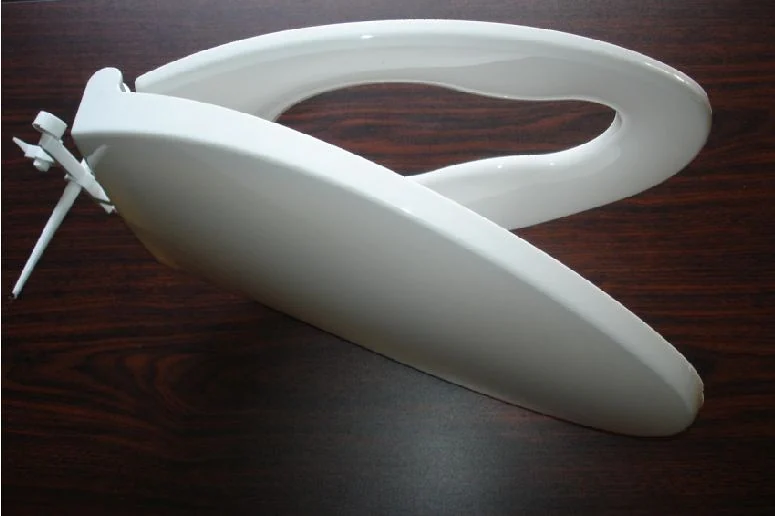
Moulds For Sanitary Ware Parts
ABS Sanitary Part Mould With S136 Cavity Steel
Stainless quenched cavity for a plated bathroom part
Product materials ABSMould material S136 quenching
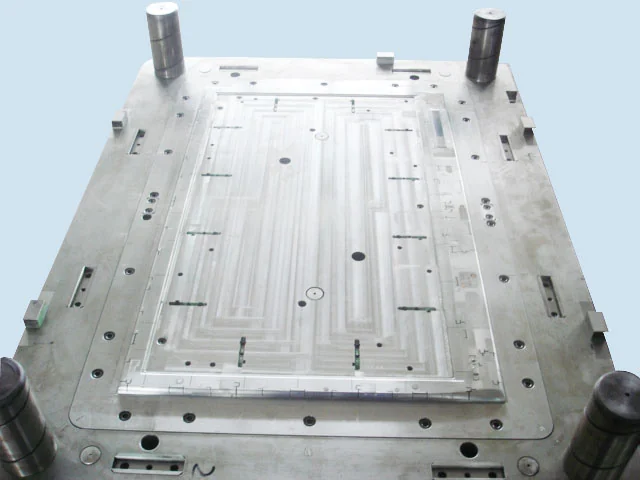
Moulds For Automotive Interior Parts
PC ABS Automotive Part Mould With SKD61 Cavity Steel
SKD61 for the melt temperature and abrasion of PC ABS
Product materials PC/ABSMould material SKD61
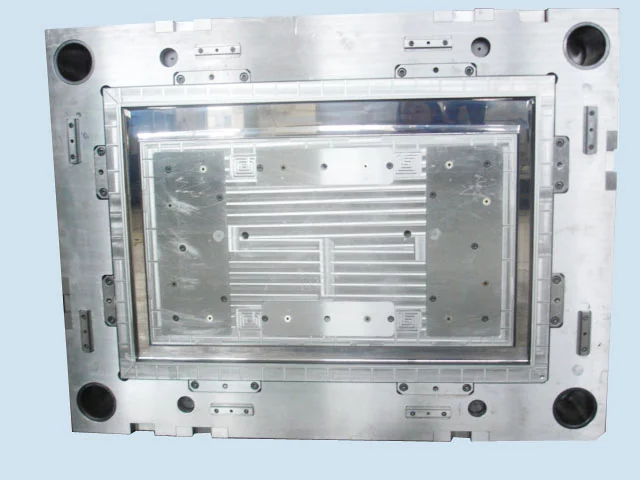
Moulds For Electronic And Audiovisual Parts
Hot Runner Mould With Valve Gate
The only hot runner tool in the archived catalogue
Product materials PC/ABSMould material SKD61
Mould Design And DFM Review Questions
Practical questions about this stage of the work.
Do you charge for the DFM review?
Not for a part we are quoting. The review is how we arrive at a number we can stand behind, so it happens before the quotation rather than after the order.
What file formats can you work from?
A 3D model in a neutral format such as STEP or IGES plus a 2D drawing marking the critical dimensions is the most useful combination. A model on its own means we have to guess which dimensions matter.
How long does the review take?
For a single part of the kind in this catalogue it is usually a few working days. Multi part assemblies and family tools take longer because the pull directions interact.
Start With Mould Design And DFM Review
Tell us where your project currently is and we will tell you what this stage would involve and what it would cost.