Stainless LNG Liquid Natural Gas Cryogenic Storage Vessel
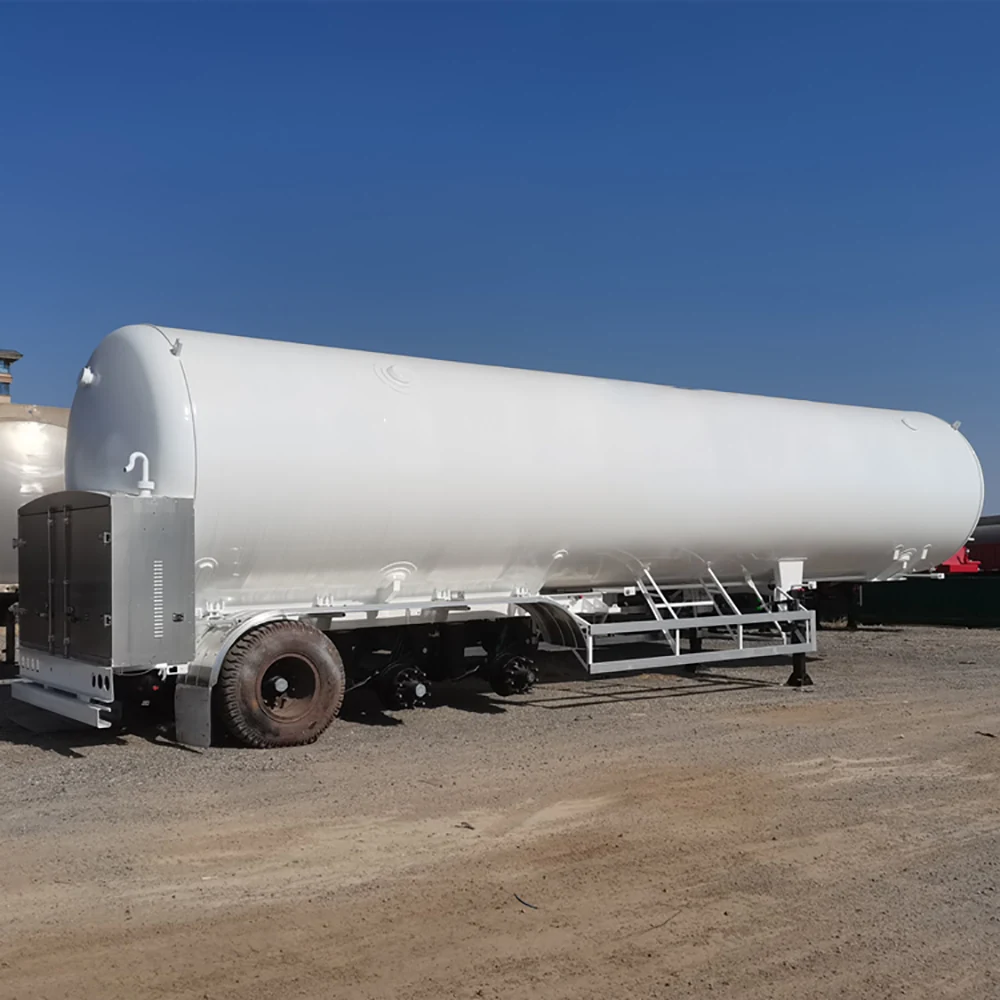
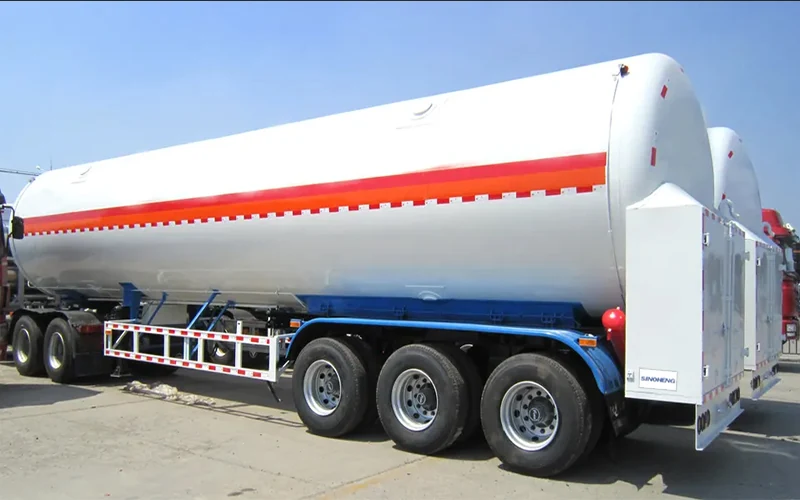
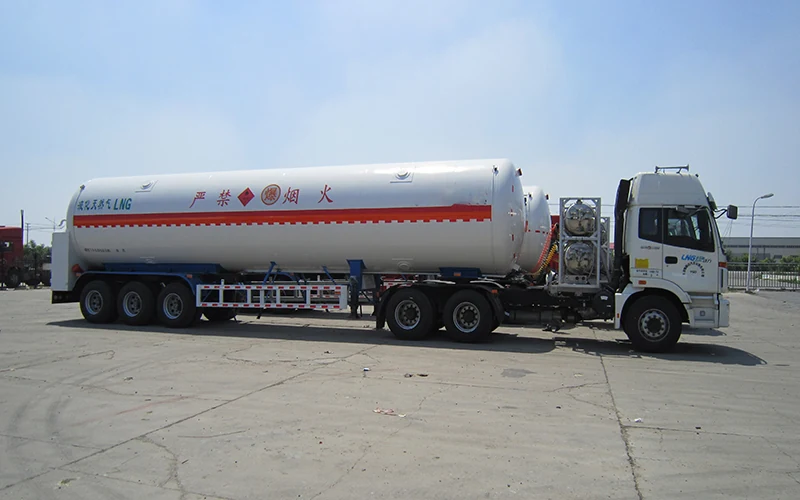
Stainless cryogenic LNG vessel with double-cylinder vacuum insulation and a rear operation box.
View Specification
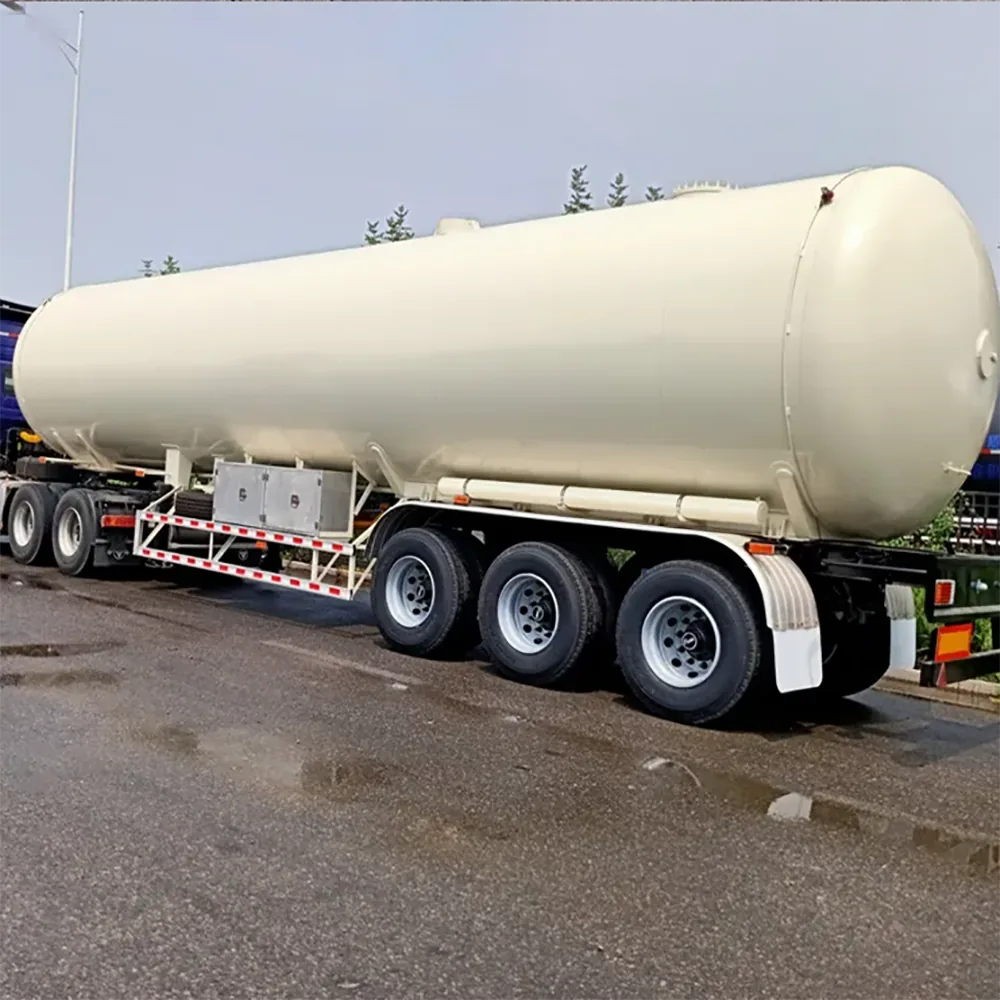
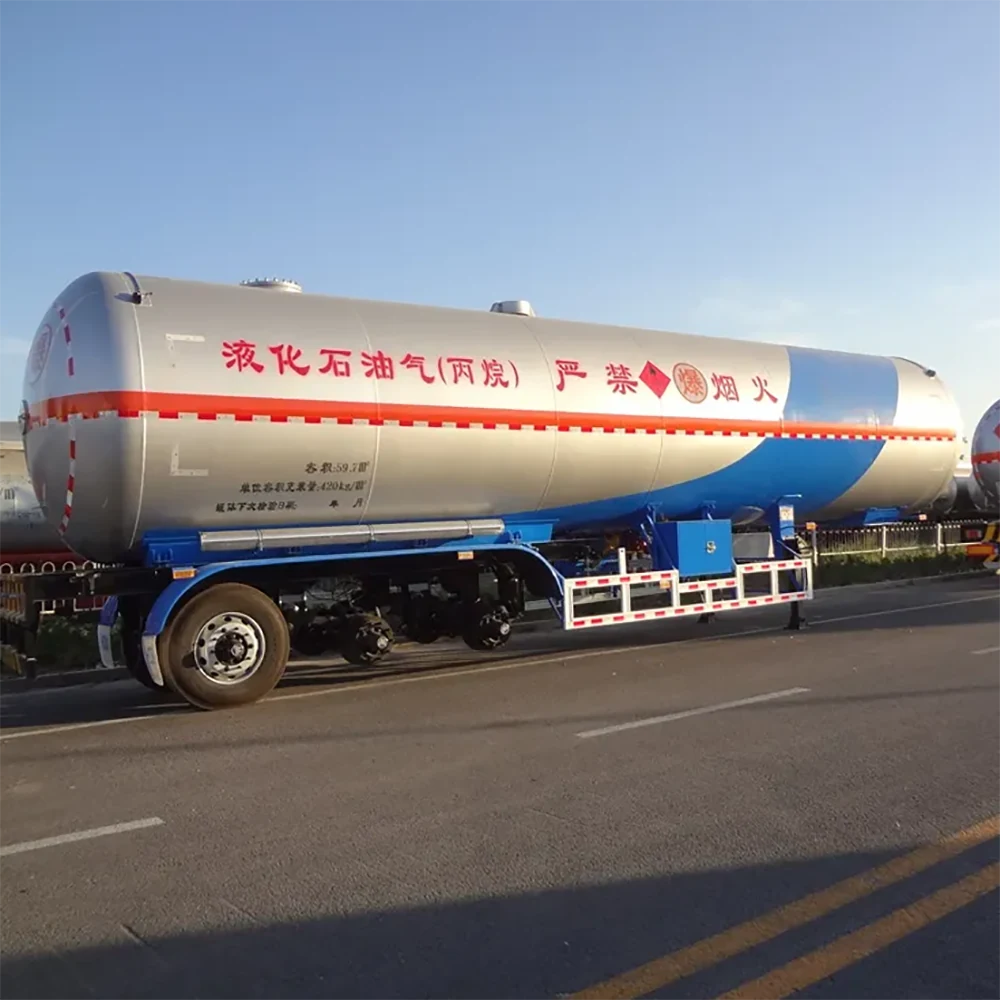
LPG bullet tanks in Q370R steel and aluminium alloy 5083, and LNG and liquid nitrogen cryogenic vessels with vacuum multi-layer insulation.
LPG and LNG are not the same transport problem. One is a pressure vessel at ambient temperature; the other is a vacuum-insulated cryogenic tank at -160 degrees and below. Buying the wrong one is not a configuration mistake, it is a safety failure.
Every model in this family, with full specifications taken from the manufacturer data sheet.
Stainless cryogenic LNG vessel with double-cylinder vacuum insulation and a rear operation box.
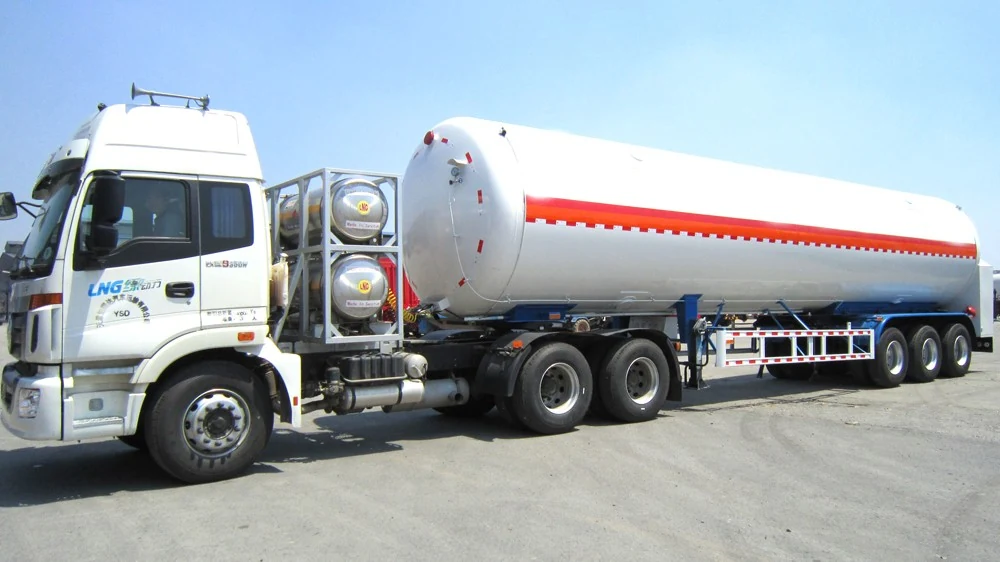
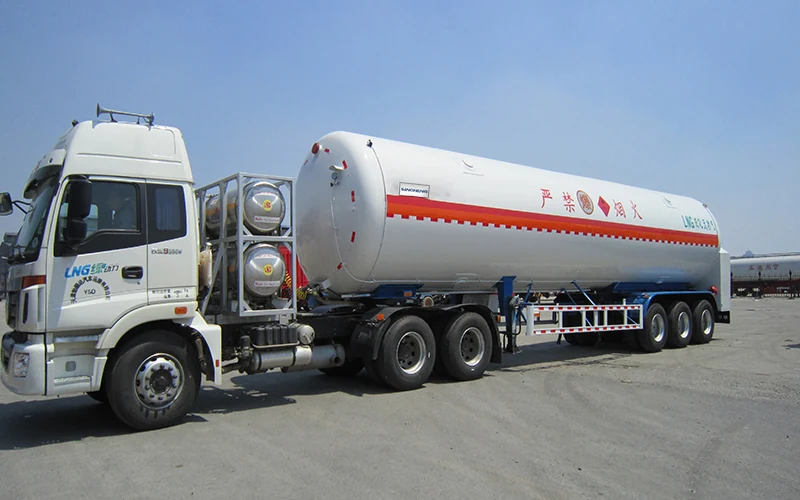
View Specification52.6cbm LNG tanker with an S30408 stainless tank, aluminium alloy main beam and 6 tonne curb weight.
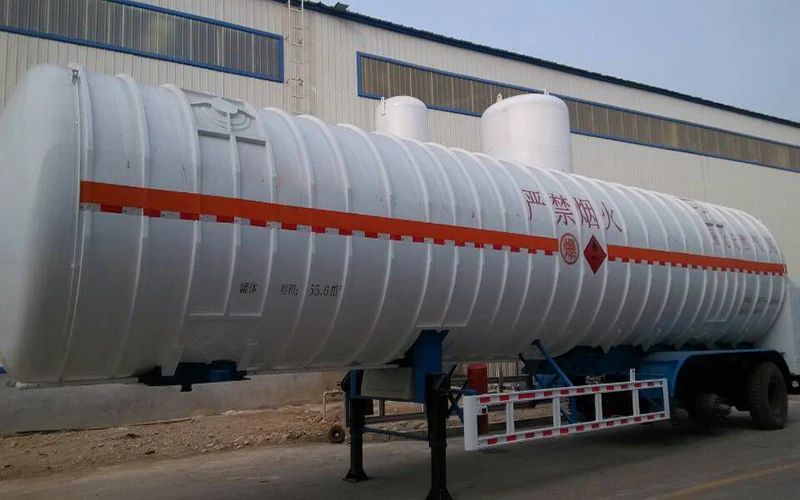
View SpecificationCryogenic LNG tank trailer with an aluminium alloy 5083/5182/5454 tank body and rear operation box.
View SpecificationOff-road cryogenic tanker, 52600 litres, -196 degree design temperature and vacuum multi-layer insulation.
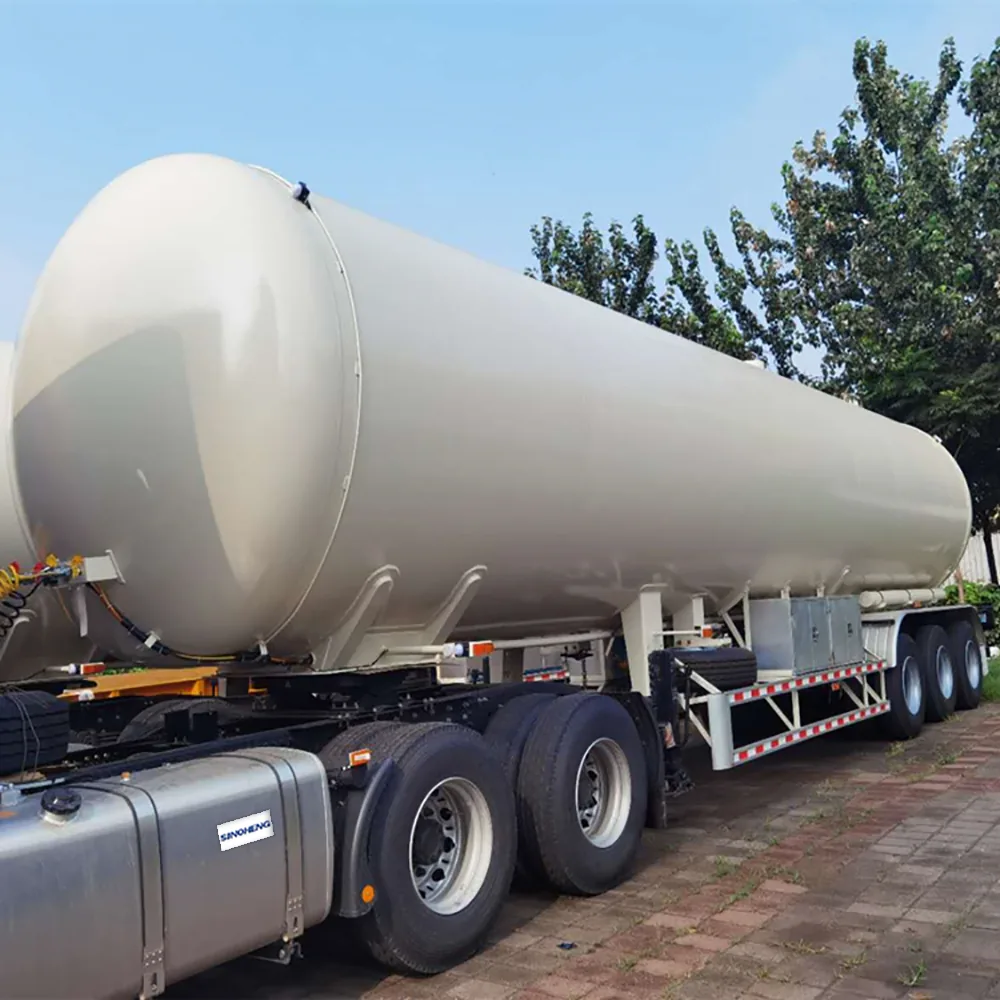
View SpecificationLarge capacity LNG tank trailer, 13000x2500x3500mm, aluminium alloy tank and 20-25 tonne payload.
View Specification60cbm LPG bullet tank trailer, Q370R 11mm pressure vessel, 22.3 tonne LPG payload.
View SpecificationLPG propane tanker, 46-60cbm, 6mm aluminium alloy 5083 tank at 7700kg tare.
View Specification31000 litre liquid nitrogen tanker, S30408 pressure vessel at 0.8MPa working pressure.
View SpecificationThree-axle LNG tanker with a cabinet-mounted MZC-IIA 0-1500mm level gauge and 21110kg payload.
View SpecificationQ370R 11mm pressure vessel plate on LPG bullet tanks, not general structural steel
Metal double-cylinder vacuum fibre insulation on every cryogenic build
Aluminium alloy 5083, 5182 and 5454 tanks and aluminium main beams to recover payload
Rear operation boxes grouping and protecting valves and instruments
Vapour recovery, calibrated level gauges and specified relief valve settings available
Gas transport splits into two completely different engineering problems. LPG is a certified pressure vessel carrying liquid at ambient tempe…
Rear, side and U-shape tipping bodies, 2 to 6 axles, 30 to 80 tonnes
Deck heights 700-1100mm, ramp angles 13-35 degrees, up to 120 tonnes
30 to 60 cubic metres, aluminium alloy from 6600kg tare, heated asphalt builds
30 to 68 cubic metres pneumatic, V shape floors, BOHAI compressors
LPG travels under pressure at ambient temperature in a certified pressure vessel. LNG must be held at cryogenic temperature in a vacuum-insulated double-cylinder vessel. The two builds are completely different and are not interchangeable.
A vacuum-insulated vessel is inherently heavy. On a 40 tonne gross, payload is typically 20 to 24 tonnes. Aluminium alloy tanks and aluminium main beams are how we recover some of it.
Yes, as a customer option on the cryogenic range. It is worth specifying where boil-off must be captured rather than vented.
Pressure vessel documentation appropriate to the build. Requirements differ by destination, so tell us the country and we will confirm before shipment.
No. Tell us the exact medium, working pressure and design temperature and we will specify the materials, insulation and fittings for that product.
Tell us the country of use, cargo, load weight and axle limits and we will confirm the configuration and quote.