Hydraulic Gooseneck Detachable Low Flatbed/Bed Trailer China Manufacturer for Sale
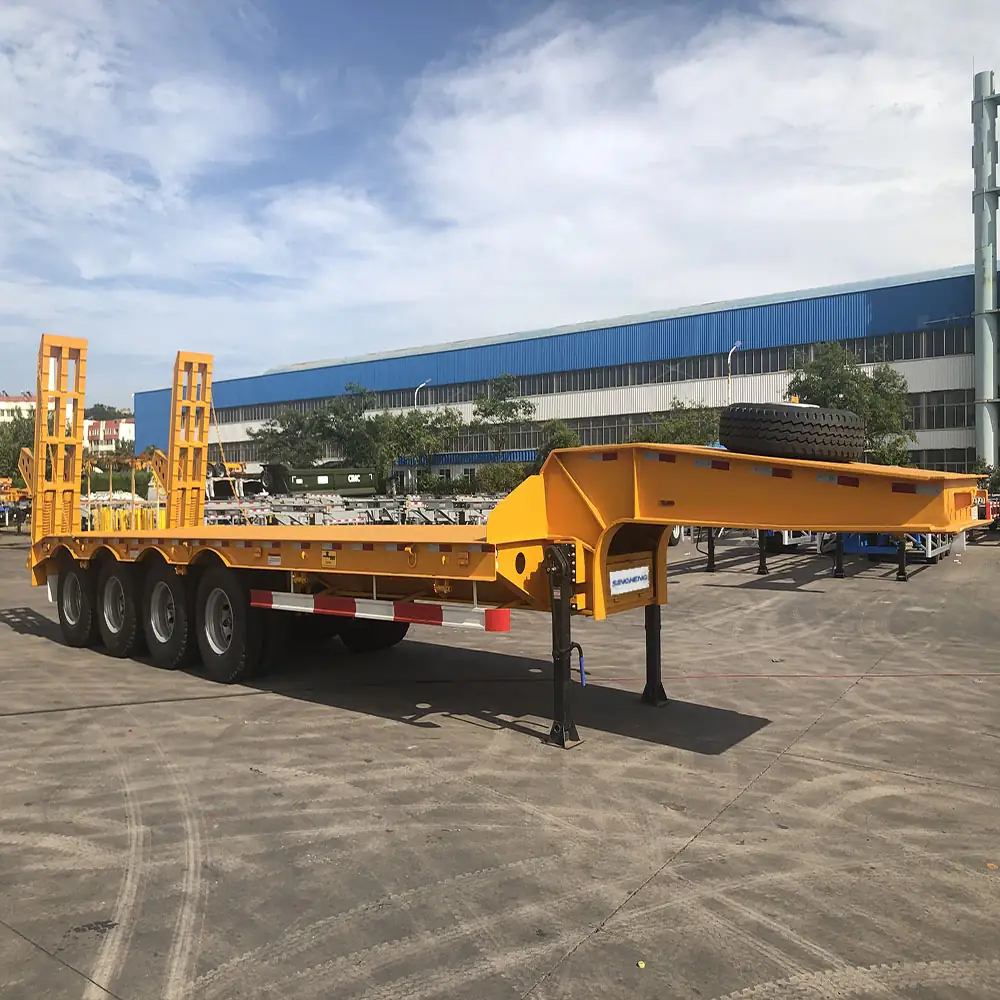
Hydraulic detachable gooseneck lowbed, 15600*3000*3140mm, 40 to 80 tonne payload with WABCO brakes.
View Specification
Most trailers fail early not because of poor welding but because they were specified for a different country than the one they ended up working in. Our engineering process starts from where the trailer will run, not from a catalogue page, and nothing is cut until you have signed the drawing.
A standard build is a compromise averaged across every market. Your axle limits, road surface, climate, cargo density and local parts supply are not average, and the gap between the average and your reality is where trailers break.
Hydraulic detachable gooseneck lowbed, 15600*3000*3140mm, 40 to 80 tonne payload with WABCO brakes.
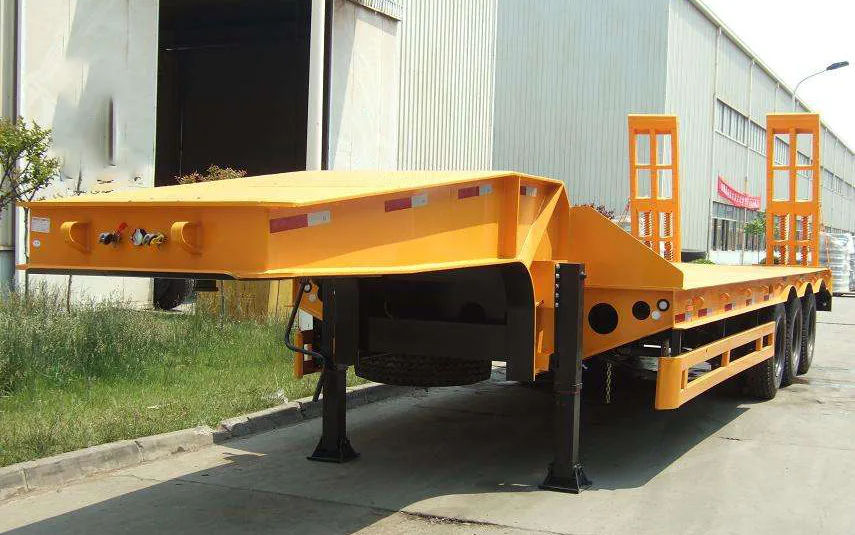
View SpecificationExcavator and dozer low loader from 60 to 120 tonnes, deck 12000-18000mm to your platform spec.
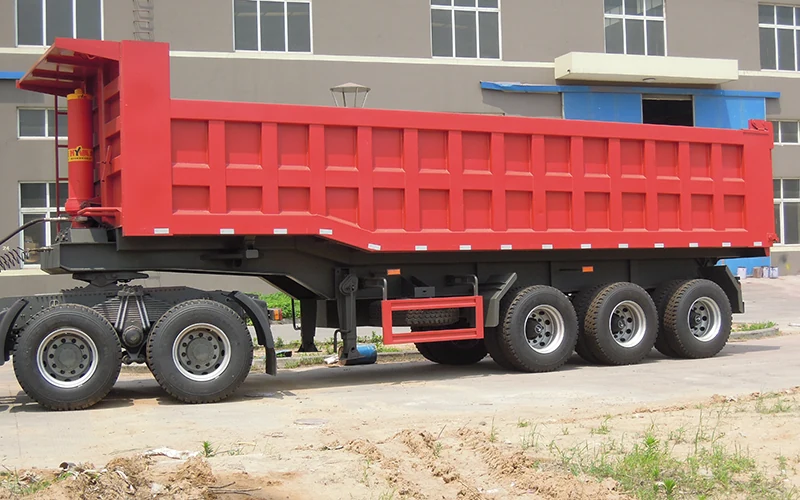
View Specification40 cubic metre rear flip tipper, HYVA or China lifting brand, mechanical or air suspension.
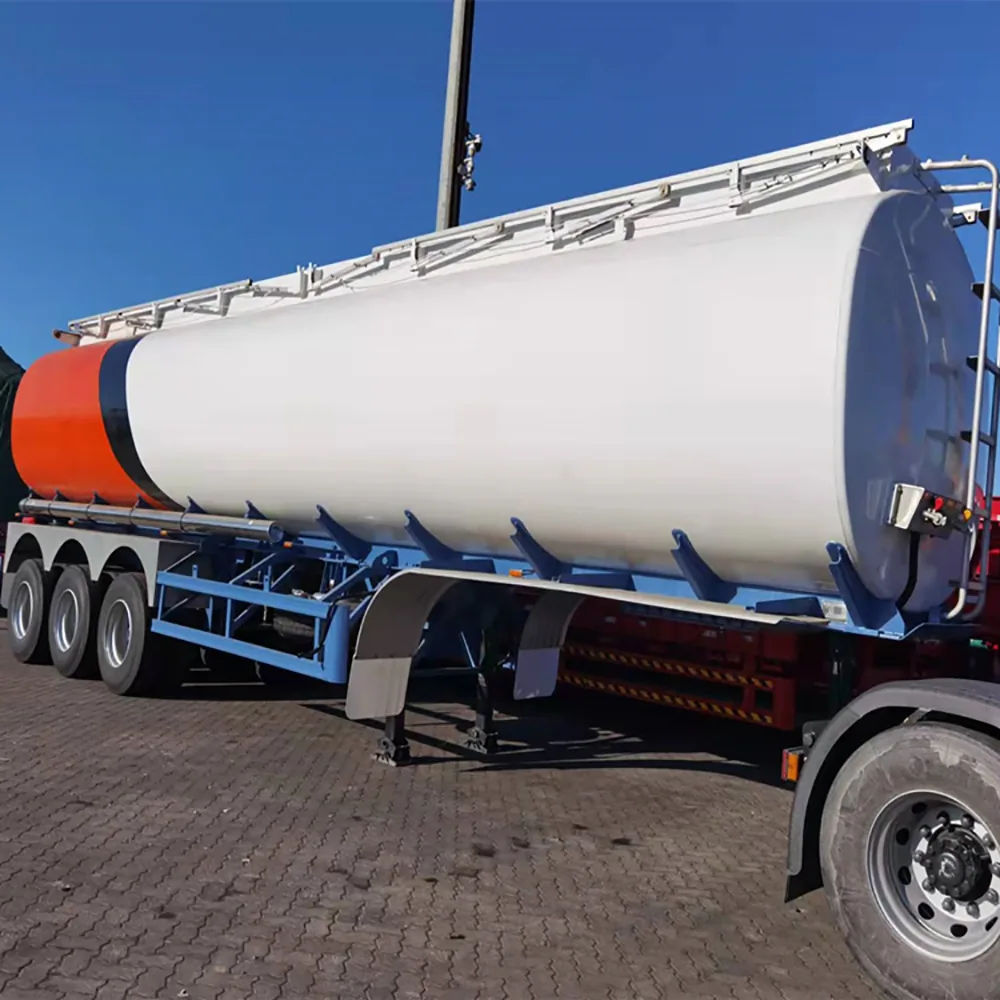
View SpecificationThree-axle aluminium diesel tanker, 12000x2500x3500mm, 30-60T capacity at 6500-8800kg tare.
View SpecificationBuyers are usually given a model number and a price. What determines whether the trailer earns is the configuration behind that number, and it is easy to get wrong from a catalogue photograph.
Trailer shipping is not container shipping. Many models cannot go in a box at all, freight rates move while vehicle prices stay fixed, and import clearance depends on documentation that varies country by country.
The common failure is not a defective trailer, it is a trailer nobody can get parts for. Once a supplier changes model or loses interest, an otherwise sound vehicle becomes scrap over a single unavailable component.
Country of use, road conditions, cargo type and density, typical and maximum load weight, loading method, and any axle-load rules enforced where you operate. With that we can propose a family and configuration.
Yes. Customers participate directly in design decisions, and you approve and sign the drawing before anything is cut.
Usually one to three days, which includes confirming the nearest shipping schedule and freight cost if you want a CIF price.
Tell us what you need and how many. We have built customized single units as well as fleet orders, and we will tell you honestly if a requirement is not economic at your quantity.
Talk to us as early as possible. Changes before cutting are straightforward; changes after production has started depend on how far along the build is.
Country of use, road conditions, cargo type and weight, and your axle limits. Everything else follows from those four answers.