
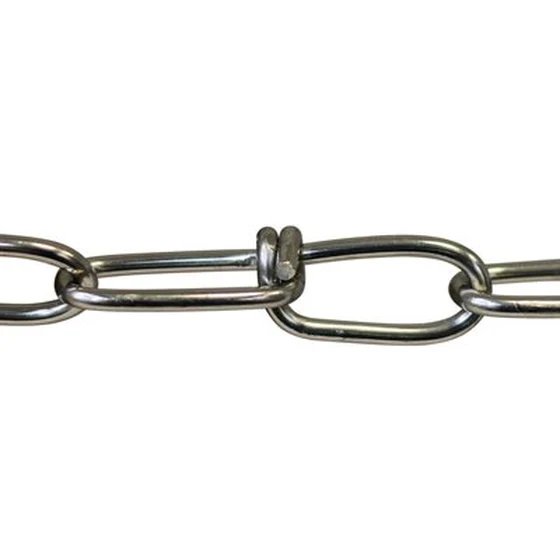
Japanese Standard Chain
A welded link chain made from stainless steel grades 304-A2 and 316-A4, designed for rigging and lifting in corrosive environments. Available in sizes from 2mm to 12mm inside diameter, with inside length and width dimensions listed per size. The chain is processed by casting or forging and finished with electro-polishing or passivation for enhanced corrosion resistance. Supplied in reels, drums, gunny bags, or as specified by the buyer.
- Size
- From 2mm to 12mm Processing: Casting/Forged Surface Treatment: Electro polished / Passivated Package: Reels, D
- Material
- Stainless steel 304-A2,316-A4
- Catalogue Family
- Hardware Chains
- Certificates
- EN 10204 3.1 material test certificate on request
CAD files are supplied on request via WhatsApp or email rather than published for open download.
What Japanese Standard Chain Gives You
- Stainless steel construction resists rust and chemical attack in marine, food processing, and chemical handling environments
- Electro-polished or passivated surface finish reduces surface roughness and prevents contamination in clean environments
- Welded link construction provides consistent strength and uniformity across the chain length
- Available in multiple sizes from 2mm to 12mm inside diameter to suit a range of load and space constraints
- Casting or forging process ensures the chain body maintains structural integrity under dynamic and static loads
- Reels, drums, or custom packaging options support efficient handling and storage on site
- Traceable material grades (304-A2, 316-A4) allow compliance with material specifications in regulated industries
Where Japanese Standard Chain Is Used
- Marine and offshore rigging where saltwater exposure demands corrosion-resistant chain
- Food processing and pharmaceutical facilities requiring clean, non-contaminating rigging components
- Chemical handling and storage operations where chain must resist acids and alkalis
- Indoor lifting applications in cleanrooms or sensitive manufacturing areas
- Temporary rigging setups in outdoor environments with high humidity or exposure to weather
- Lifting and moving equipment in environments where metal debris or rust must be avoided
Buyers This Product Is Built For
- Marine and offshore contractors specifying corrosion-resistant lifting gear
- Food and beverage manufacturers needing sanitary-grade rigging components
- Chemical and petrochemical plants requiring non-reactive chain for material handling
- Industrial maintenance teams working in wet or aggressive environments
- Rigging distributors carrying stainless steel chain for specialized applications
- Manufacturers of lifting equipment requiring consistent, traceable chain materials
Problems This Product Removes
- Rust and corrosion in standard carbon steel chains when used in wet or chemically aggressive environments
- Contamination risk from surface scale or particles in food and pharmaceutical applications
- Inconsistent strength or weak welds in poorly manufactured stainless chains
- Difficulty in sourcing a single supplier for multiple chain sizes with certified material grades
- Lack of surface finish options that meet hygiene or cleanliness standards
- Inadequate packaging for long-distance transport or storage in humid conditions
Technical Features
- Welded link construction with consistent joint integrity
- Material grades: Stainless steel 304-A2 and 316-A4
- Processing: Casting or forging for structural reliability
- Surface treatment: Electro-polished or passivated for corrosion resistance
- Inside diameter range: 2mm to 12mm
- Inside length and width dimensions provided for each size
- Weight per meter listed for each size to support load and handling planning
- Available in reels, drums, gunny bags, or custom packaging
Japanese Standard Chain Specifications
Values published in the Kailipu catalogue for this item. Anything not listed is available on request.
| Material | Stainless steel 304-A2, 316-A4 |
|---|---|
| Processing | Casting, Forged |
| Surface Treatment | Electro polished, Passivated |
| Inside Diameter Range | 2mm to 12mm |
| Inside Length | 3.5mm to 54mm |
| Inside Width | 5mm to 20mm |
| Weight Per Meter | 0.07kg to 2.88kg |
| Packaging | Reels, Drums, Gunny Bags, or as per customer’s requirement |
Full size table on request. The catalogue publishes a full dimension and capacity table for this item. Ask on WhatsApp or by email and we will send it as a PDF.
Materials And Finishes
- Stainless steel 304-A2 for general corrosion resistance
- Stainless steel 316-A4 for higher resistance to chlorides and harsher environments
- Cast or forged body to ensure grain structure integrity and load-bearing consistency
- Electro-polished finish to reduce surface roughness and improve cleanability
- Passivated layer to enhance natural oxide protection and prevent rust initiation
How This Product Is Made
Quality Control On Every Batch
- Visual and dimensional inspection of each welded link
- Material verification through traceable grade marking
- Surface finish check to confirm electro-polished or passivated condition
- Weight per meter verified against published values
- Batch records maintained for traceability
- Third-party inspection accepted at the China warehouse before shipment
Customisation Options
- Custom packaging configurations including reel size, drum diameter, and bag type
- Custom length or quantity per package as per buyer’s warehouse or operational needs
- Private label or OEM marking available on packaging or chain links
- Custom surface finish options including electro-polishing or passivation
- Specialized packaging for export or high-volume handling
How It Compares With The Alternatives
An honest read on where this pattern wins and where another one would serve you better.
| Alternative | Honest Trade Off |
|---|---|
| Carbon steel welded chain | Stainless steel resists corrosion in wet or chemical environments but is heavier and more expensive than carbon steel |
| Galvanized chain | Stainless steel offers better long-term corrosion resistance in aggressive environments, though galvanizing may be sufficient for less severe conditions |
| Wire rope | Chain provides better abrasion resistance and load distribution over sharp edges, but wire rope is lighter and more flexible for long runs |
| Plastic or synthetic slings | Chain handles higher temperatures and mechanical wear, but synthetic slings are lighter and do not damage surfaces |
How To Use And Inspect Japanese Standard Chain
- Verify the material grade (304-A2 or 316-A4) matches the environmental requirements of the application
- Inspect the chain for weld defects, surface cracks, or deformation before use
- Ensure the chain is properly tensioned and aligned to avoid side loading
- Use only the recommended weight per meter for the intended working load
- Clean and dry the chain after exposure to saltwater or chemicals to maintain surface integrity
- Replace the chain if the surface finish is damaged, the welds show signs of stress, or the dimensions are out of tolerance
Often Ordered With This Item
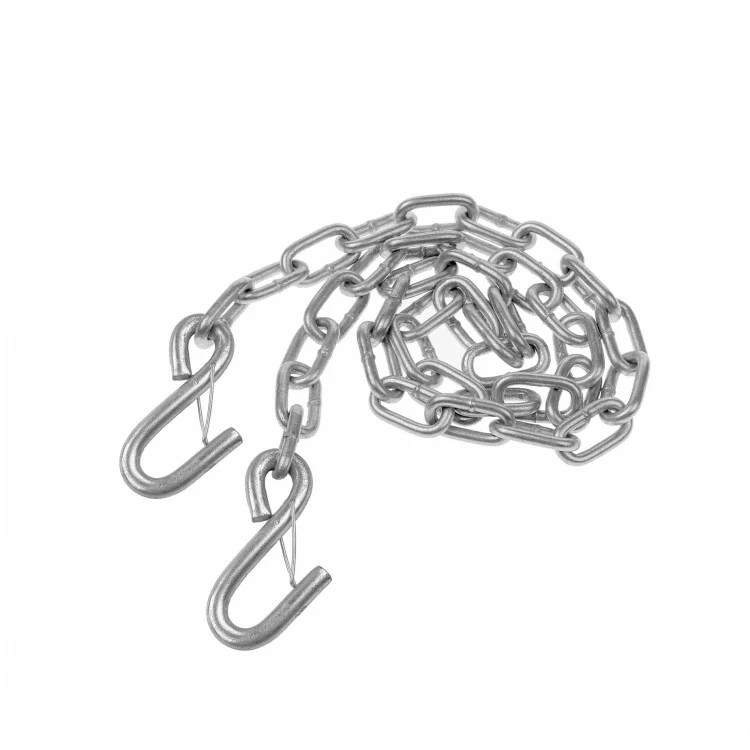 Trailer Safety Chains with S-Hooks
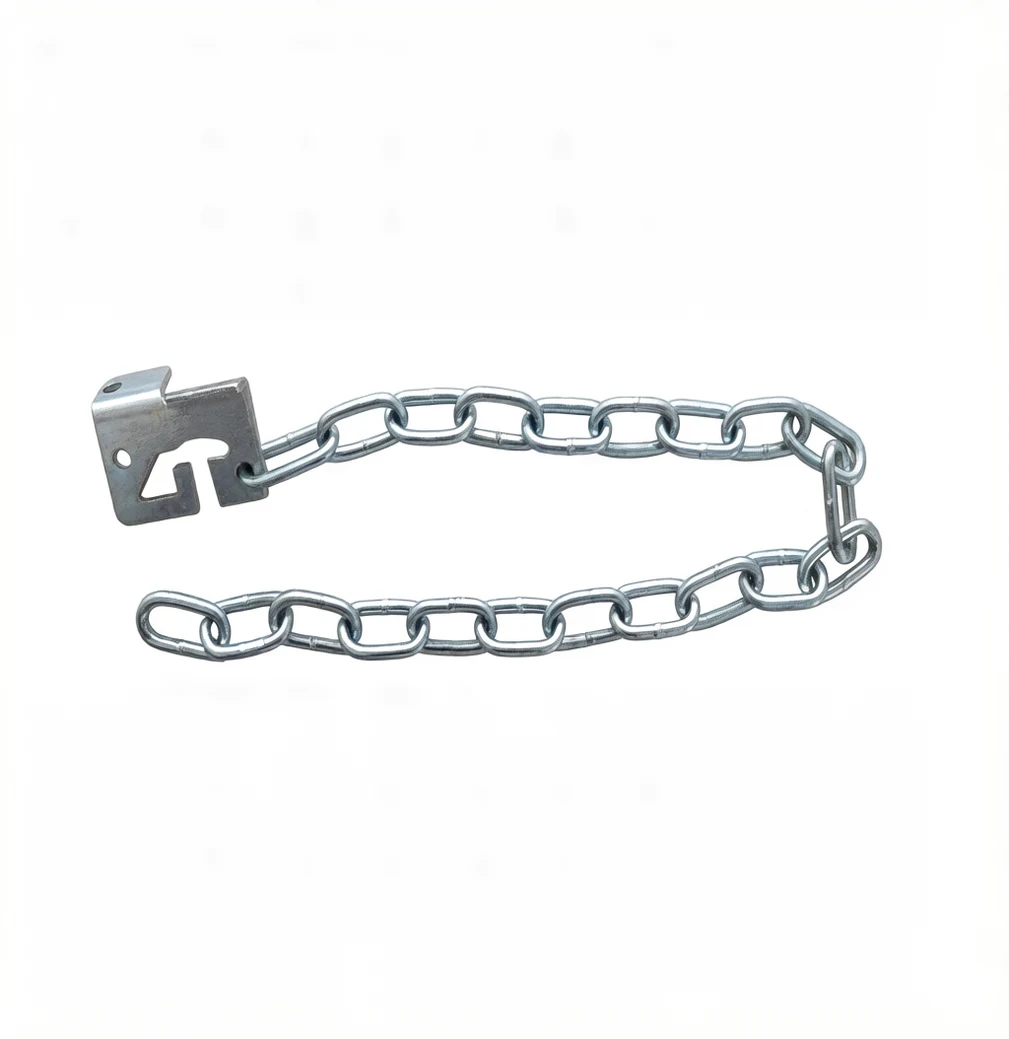 Custom Grade 30 Safety Chain Assembly: Long Link Galvanized Chain with Bracket (Production per Drawing/Sample)
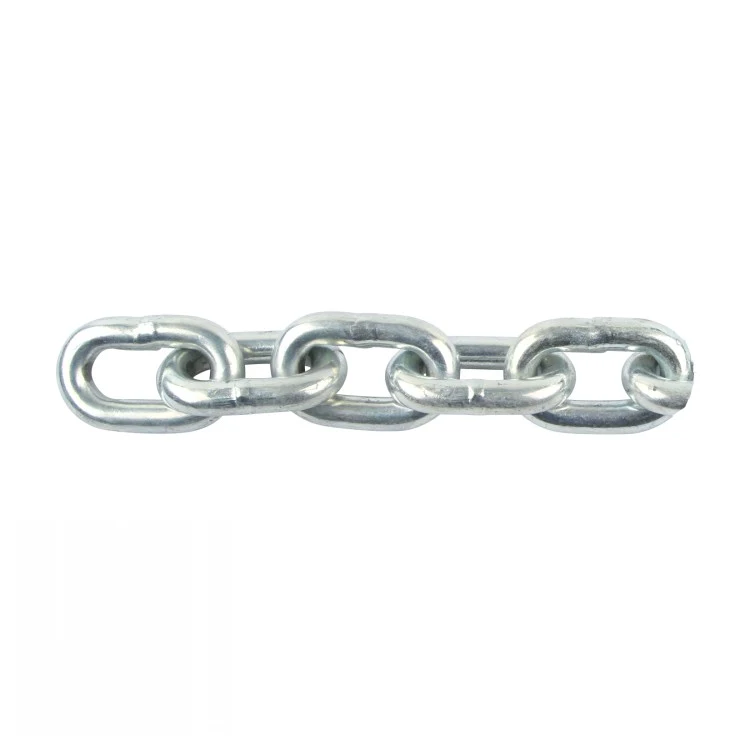 Gradw 30 Proof Coil Chain NACM2010
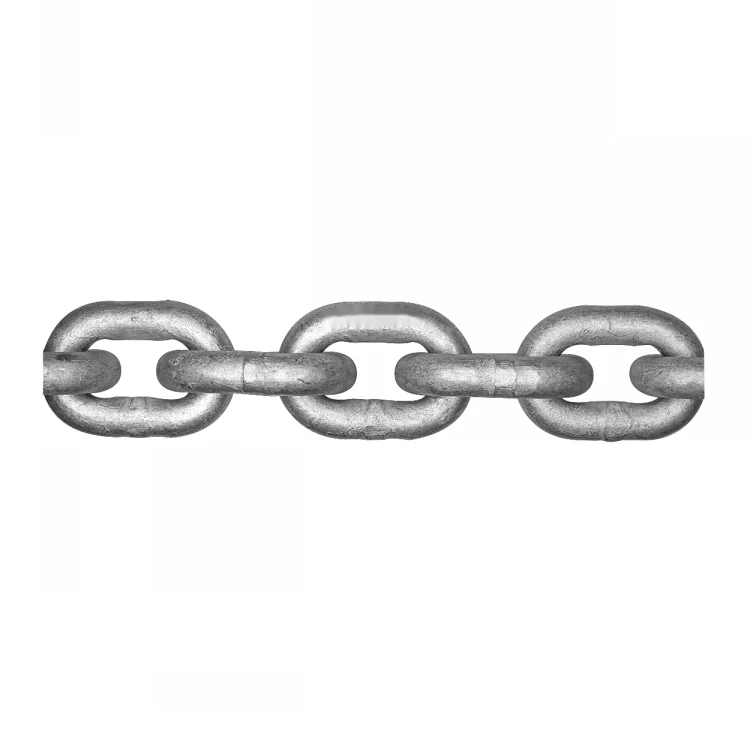 GRADE 43 HIGH TEST CHAIN NACM2010
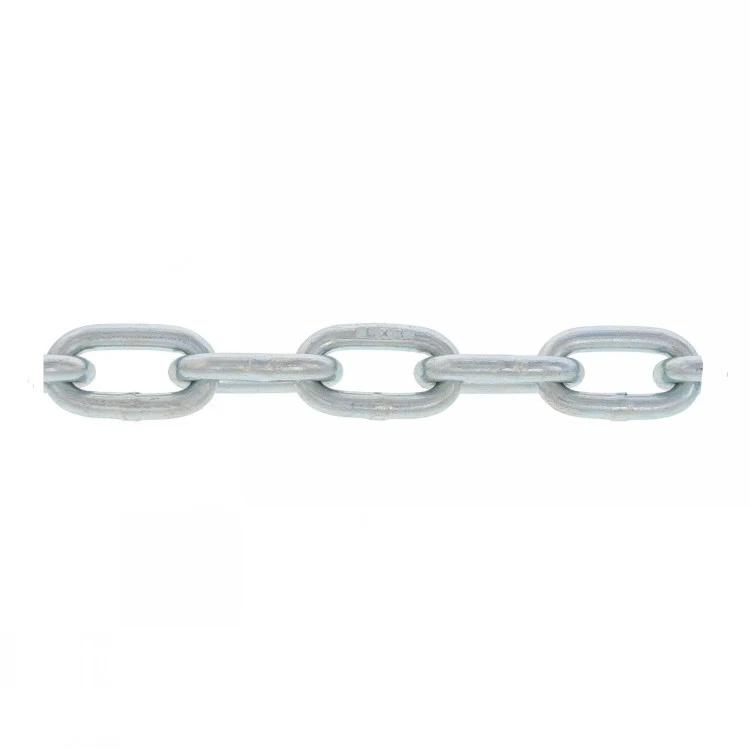 GRADE 30 PROOF COIL CHAIN ASTM80
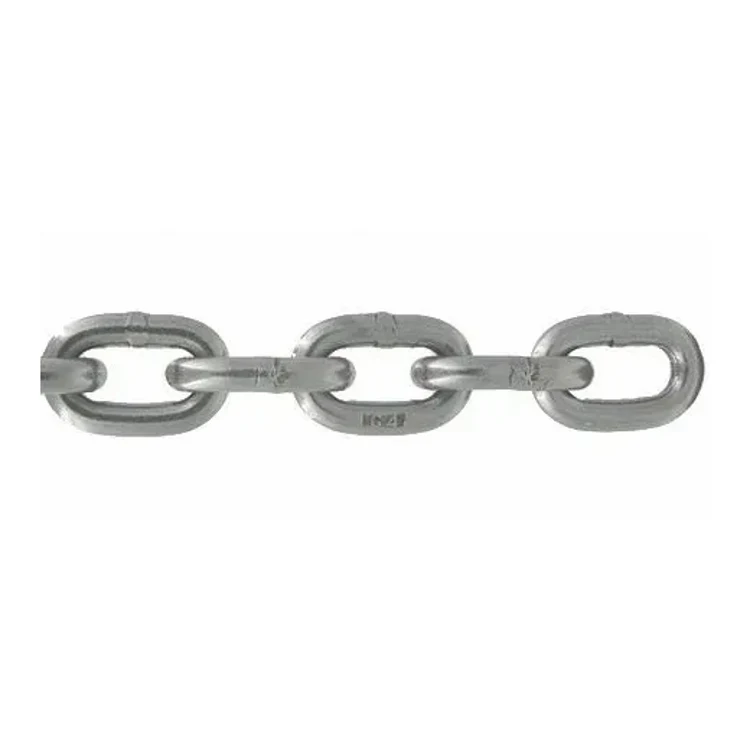 GRADE43 HIGH TEST CHAIN ASTM80
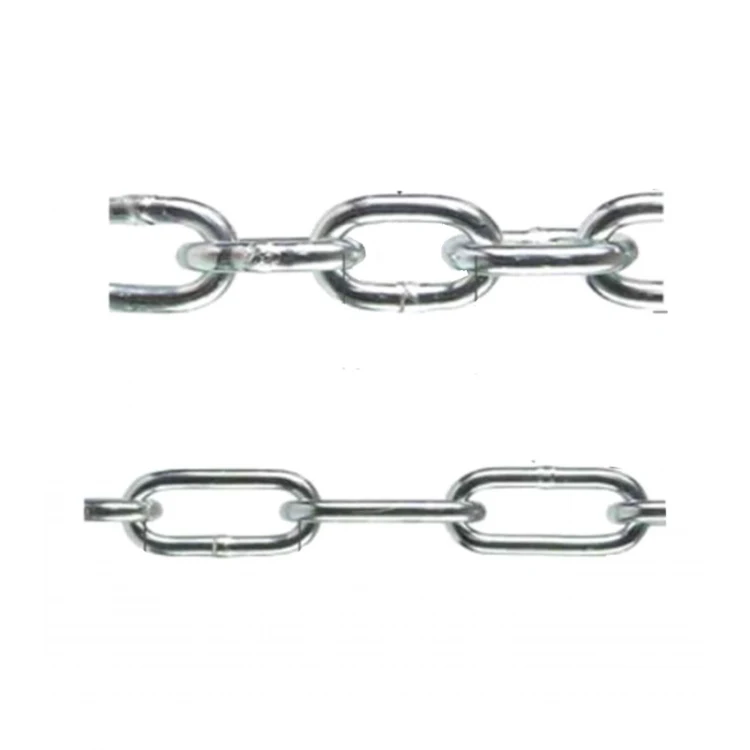 DIN5685A/C SHORT LINK / LONG LINK CHAIN
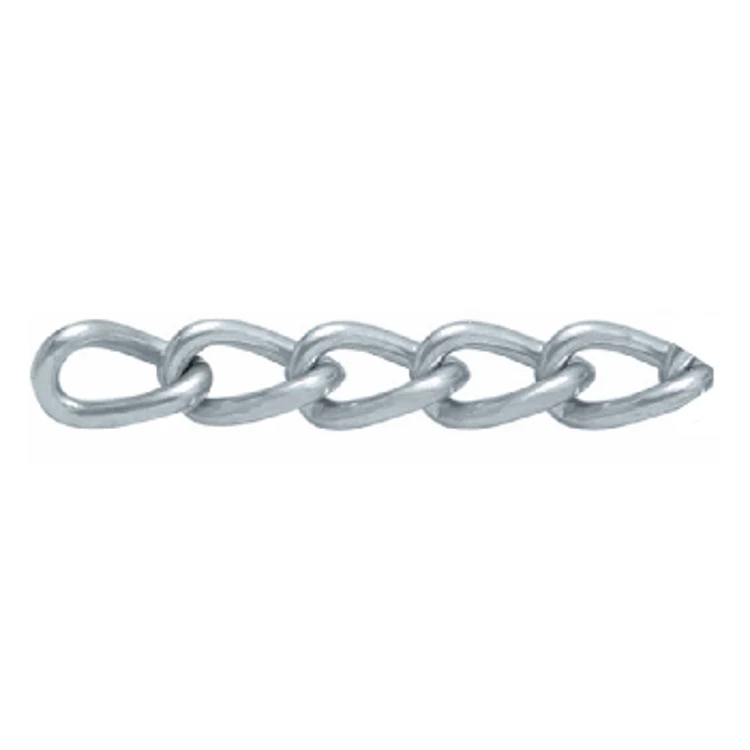 TWIST LINK CHAIN-NACM2010 MACHINE CHAIN
Browse The Category
Industries Using This Product
Sourcing Support For This Product
Japanese Standard Chain FAQ
What material grades are available?
Is electro-polishing or passivation included?
What sizes are offered?
Can you supply custom packaging?
Is third-party inspection available?
Can you mark the chain with our brand or tonnage?
How is the weight per meter determined?
Need A Quote On Japanese Standard Chain
Send the sizes, the finish and the quantity on WhatsApp or by email. You get a priced reply within 24 hours and a straight answer on stock.
We reply within 24 hours on WhatsApp or by email. Send a drawing, a photo or a bill of materials and we will quote it as it stands.