
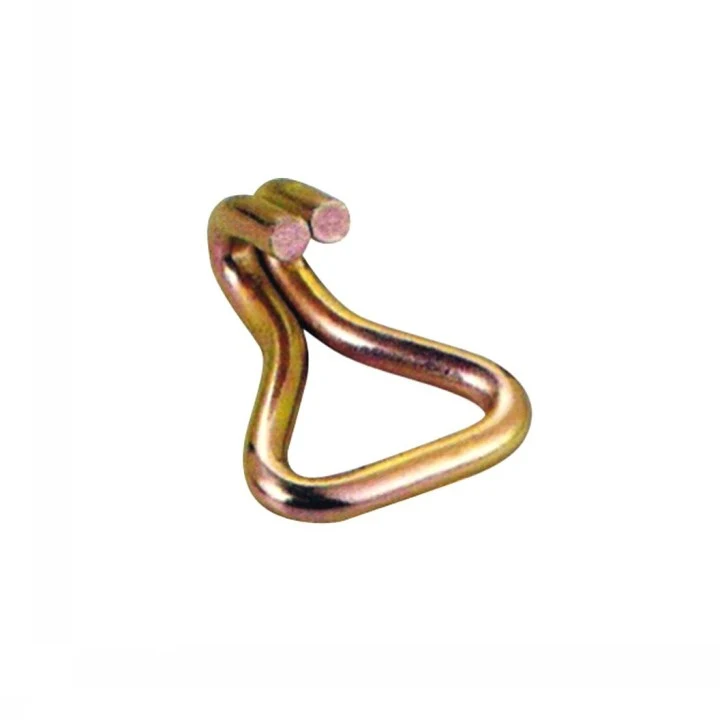
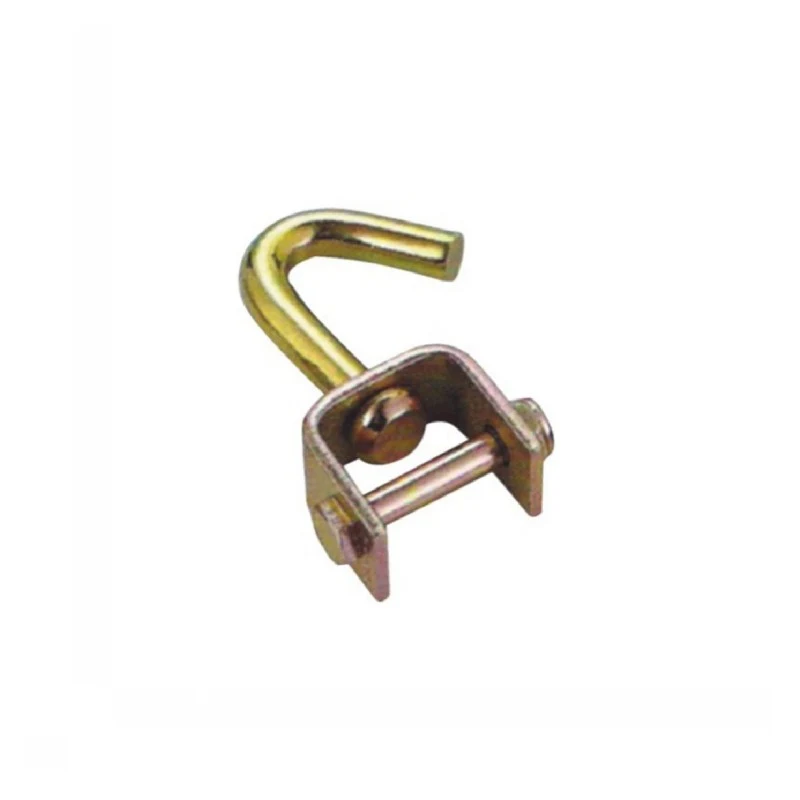
DOUBLE J HOOK
A double J hook with a tubular shank, designed for secure attachment in tie-down and rigging applications. Available in sizes from 1-1/2" to 4", with working load limits ranging from 800KG to 10,000KG. The hook body is drop forged from alloy steel, heat treated for strength, and marked with the safe working load and manufacturer's code. It is used with ratchet straps, chain, or wire rope to anchor loads on trailers, trucks, and industrial equipment.
- Size
- 4" DOUBLE J HOOK, BS:10000KG/22000LBS 3" DOUBLE J HOOK, BS:10000KG/22000LBS 2" DOUBLE J HOOK, BS:5000KG/11000L
- Catalogue Family
- Tie Down Hardware
- Certificates
- EN 10204 3.1 material test certificate on request
CAD files are supplied on request via WhatsApp or email rather than published for open download.
What Double J Hook Gives You
- Drop-forged alloy steel construction provides high tensile strength and impact resistance
- Tubular shank reduces weight while maintaining structural integrity under load
- Clear WLL marking on the body ensures traceability and safe usage
- Dual-rated 1-1/2″ hook allows use at either 2000KG or 3000KG depending on application
- Standard 4:1 design factor ensures consistent safety margins across all sizes
- Smooth internal radius prevents rope or strap chafing at the throat
- Compatible with ratchet straps, chain, and wire rope for versatile load securing
Where Double J Hook Is Used
- Securing heavy machinery and industrial components on flatbed trailers during long-haul transport
- Anchoring steel coils and fabricated metal parts on cargo decks where vibration and shock are present
- Mounting on truck chassis for ratchet strap tie-down systems in logistics and freight operations
- Fixing large structural components in construction sites where temporary load restraint is required
- Supporting heavy equipment in port and terminal handling operations with repeated loading cycles
- Used in mining and quarrying to secure bulk material containers and transport frames
Buyers This Product Is Built For
- Logistics and freight operators specifying tie-down hardware for commercial transport
- Truck and trailer fleet managers sourcing durable anchor points for load securing
- Manufacturers of ratchet straps and tie-down kits requiring reliable hook components
- Industrial contractors installing temporary rigging systems on site
- Marine and offshore logistics providers handling heavy cargo on deck and in storage
Problems This Product Removes
- Frequent hook failure due to thin or weak shank sections in low-grade tie-down hardware
- Unclear or missing WLL marking leading to overloading and safety risks
- Inconsistent design factors across different hook models causing confusion in load planning
- Rope or strap damage at the throat of the hook due to sharp internal edges
- Need to source hooks and ratchet straps from separate suppliers, increasing procurement complexity
- Lack of traceability in the field when a hook fails or requires inspection
Technical Features
- Drop-forged alloy steel body with heat treatment for strength and durability
- Tubular shank design to reduce weight without sacrificing load capacity
- Clear WLL stamping on the body for immediate identification and safety compliance
- Standard 4:1 design factor with minimum breaking load four times the safe working load
- Smooth internal throat radius to prevent rope and strap abrasion
- Available in sizes from 1-1/2″ to 4″ with corresponding WLL ratings
- Dual-rated 1-1/2″ hook with two WLL values stamped for different use cases
Double J Hook Specifications
Values published in the Kailipu catalogue for this item. Anything not listed is available on request.
| Size Range | 1-1/2″ to 4″ hook diameter |
|---|---|
| Material | Drop forged alloy steel heat treated |
| Design Factor | 4:1 minimum breaking load to safe working load |
| WLL Marking | Stamped on body for traceability |
Materials And Finishes
- Alloy steel blank drop forged into the hook shape
- Heat-treated after forging to achieve required tensile strength
- Smooth internal throat surface machined to prevent rope damage
- Stainless steel or carbon steel used for the pin depending on application
- Surface finish available in zinc plating or powder coating on request
How This Product Is Made
Quality Control On Every Batch
- Proof load test on each production batch before release
- Dimensional tolerance check against published size table
- Breaking strength validation to confirm 4:1 design factor
- Visual inspection for cracks, burrs, or surface defects
- Material Test Certificate to EN 10204 3.1 issued with the order
- Third-party inspection accepted at the China warehouse before shipment
Customisation Options
- Custom tonnage stamping on the hook body
- Private label and OEM marking available
- Surface finish options: zinc plating, powder coating, or electrophoretic black
- Custom pin configuration and length built to drawing
- Packing configuration tailored to carton, pallet, or retail pack requirements
How It Compares With The Alternatives
An honest read on where this pattern wins and where another one would serve you better.
| Alternative | Honest Trade Off |
|---|---|
| Standard round shank hook | The tubular shank reduces weight and improves strength-to-weight ratio but may have lower resistance to side loading |
| Screw pin hook | The double J hook offers faster engagement and release than a screw pin, but lacks the fine adjustment of a threaded pin |
| Screw link hook | The double J hook has a more robust throat opening and better resistance to deformation under shock loads |
| Cast hook | Drop-forged construction provides higher impact strength and fatigue resistance compared to cast steel |
How To Use And Inspect Double J Hook
- Always verify the stamped WLL matches the calculated load before use
- Ensure the hook is not twisted or deformed before attaching to a strap or chain
- Do not use the hook if the throat opening is stretched or the body shows cracks
- Inspect the pin and shank for wear or corrosion before each use
- Avoid side loading the hook; keep the pull aligned with the hook’s axis
- Replace the hook if the WLL marking is illegible or the body shows permanent deformation
Often Ordered With This Item
Browse The Category
Industries Using This Product
Sourcing Support For This Product
Double J Hook FAQ
What is the design factor for these double J hooks?
Are the WLL values stamped on the hook?
Can you provide a Material Test Certificate?
Is there a dual-rated size available?
Can you customize the surface finish?
What is the lead time for an order?
How are the hooks packed for export?
Need A Quote On Double J Hook
Send the sizes, the finish and the quantity on WhatsApp or by email. You get a priced reply within 24 hours and a straight answer on stock.
We reply within 24 hours on WhatsApp or by email. Send a drawing, a photo or a bill of materials and we will quote it as it stands.