
What is Snatch Block with Hook? the Types and Applications
A snatch block with hook is not just a pulley-it's a directional force converter that changes how load is applied in lifting, recovery, and positioning tasks. This guide explains the types, how to select the right one, and what to check before ordering for rigging or transport applications.
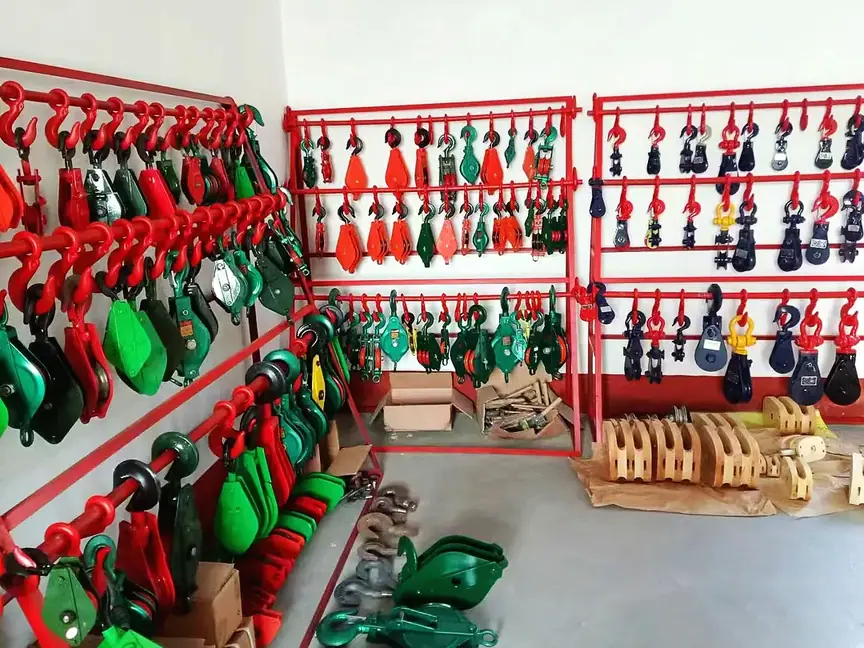
What a Snatch Block with Hook Actually Is
A snatch block with hook is a pulley system with a single or multiple sheaves enclosed in a housing, fitted with a hook for attachment to an anchor point. The hook allows quick connection without requiring a separate shackle. The block redirects force and can multiply lifting capacity when used with ropes, cables, or chains. It is not a standalone lifting device but a component that enhances control and efficiency in rigging setups. The hook is designed to carry the full working load limit of the block, so its strength must match the system's rated capacity.
Single Sheave Snatch Block
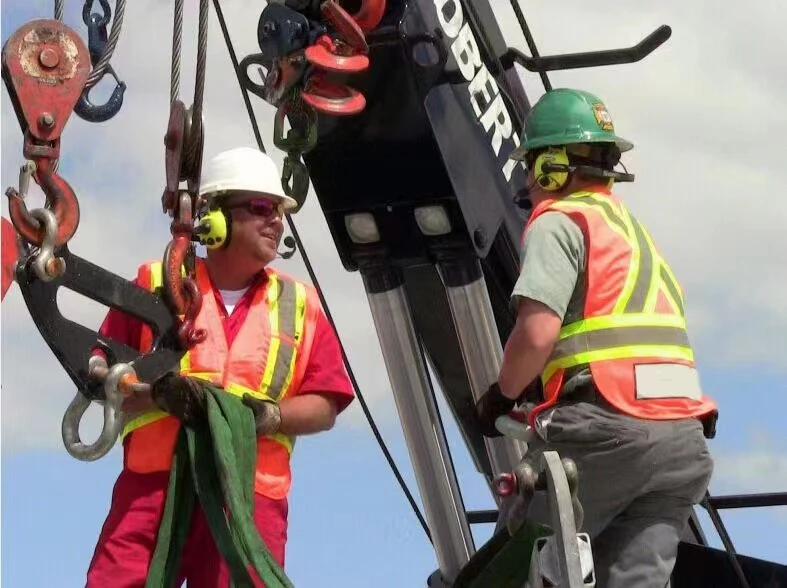
A single sheave snatch block has one pulley wheel and provides a 1:1 mechanical advantage. It changes the direction of pull without reducing the force required. It is ideal for basic lifting, pulling, and redirecting loads where simplicity and low cost are priorities. Common uses include light construction tasks, vehicle recovery with a winch, and positioning small equipment. It is the most compact and lightweight option, suitable for applications where space is limited and the load is under 5 tons. The hook must be rated for the same working load limit as the block.
Double Sheave Snatch Block
A double sheave snatch block contains two pulley wheels side by side, allowing two lines to be used simultaneously. It provides a 2:1 mechanical advantage when rigged properly, meaning the force required to lift the load is halved. This is useful for heavier loads, such as moving large machinery, lifting steel beams, or handling heavy logs. It also allows for better load distribution and reduces wear on the rope or cable. The block must be rated for the combined load of both lines, and the hook must be strong enough to support the full system load. Use only with compatible rope or chain sizes.
Swivel Snatch Block
A swivel snatch block has a built-in swivel mechanism that allows the housing to rotate 360 degrees. This prevents twisting of the rope or cable during use, which is critical in dynamic lifting or winching operations. It is especially useful in off-road recovery, marine salvage, and crane operations where the direction of pull changes frequently. The swivel reduces friction and wear, extends rope life, and improves safety by preventing kinks. The hook must be able to rotate freely with the block, and the swivel bearing must be maintained to avoid seizing.
Single Wheel Awning Pulley Fixed Eye, Cast Iron Steel
How to Select the Right Snatch Block
Select based on load capacity, mechanical advantage, and application environment. For light-duty tasks, a single sheave block with a 4:1 design factor suits most needs. For heavy lifting or winching, a double sheave block with a higher working load limit is required. In dynamic or rotating applications, choose a swivel block. Always match the block's working load limit to the load and the rope or chain used. Check that the hook is stamped with the WLL and grade, and confirm the block is proof tested. Avoid using blocks with damaged sheaves, worn hooks, or missing safety pins.
Single Wheel Awning Pulley Fixed Eye, Cast Iron Steel
Where Snatch Blocks with Hook Are Used
In rigging and lifting, they redirect force and allow multiple lines to share the load. In off-road recovery, they double winch pull and change cable direction for vehicle extraction. In construction, they help position heavy materials and equipment. In forestry, they assist in log extraction and tree felling. In marine settings, they hoist sails, move gear, and support salvage. In industrial plants, they support maintenance lifts and equipment repositioning. The hook allows quick attachment to beams, anchors, or trusses without needing a shackle, which speeds up setup and reduces parts.
Single Wheel Awning Pulley Fixed Eye, Cast Iron Steel
What to Check Before Ordering
Verify the working load limit, the number of sheaves, and whether the block has a swivel. Confirm the hook is stamped with the WLL and grade, and that the block is proof tested. Check the rope or chain size compatibility-each block has a maximum diameter rating. Ask for a Material Test Certificate for the batch if your project requires traceability. Ensure the hook is forged and not welded, and that the housing is closed and secure. If you are assembling a system, confirm that all components-block, rope, hook, and anchor-share the same rated system.
Double Wheel Awning Pulley Fixed Eye, Cast Iron Steel
How to Use a Snatch Block with Hook Safely
Always attach the hook to a secure anchor point rated for the load. Never use a block with a damaged hook, cracked housing, or seized swivel. Use a safety pin or keeper to prevent the hook from opening under load. Do not exceed the working load limit. Keep the rope or chain aligned with the sheave to avoid side loading. Inspect the block before each use for wear, corrosion, or deformation. If the block is used in a multi-line system, ensure all lines are properly tensioned and the load is balanced. Never stand in line with the rope or cable when under tension.
Double Wheel Awning Pulley Fixed Eye, Cast Iron Steel
Ordering note. A snatch block with hook redirects force and can provide mechanical advantage when used with ropes, cables, or chains Single sheave blocks offer 1:1 advantage; double sheave blocks offer 2:1 advantage; swivel blocks prevent cable twist Select based on load, application, and required mechanical advantage The hook must be rated for the same WLL as the block and must be stamped with the grade and wor