
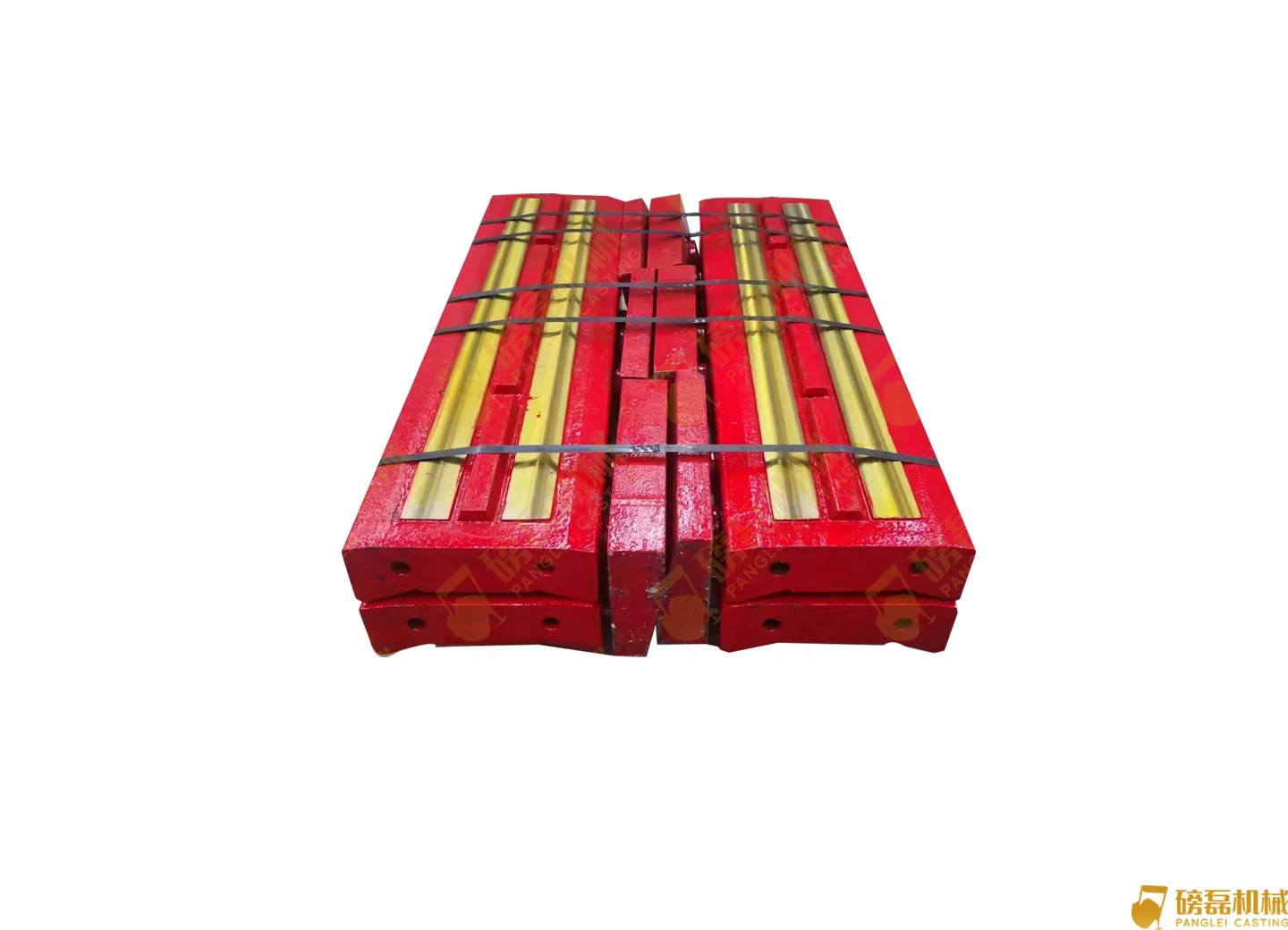
How To Choose Blow Bar Material For An Impact Crusher
Manganese, 20% chrome, 26% chrome, ceramic inserts or TIC — a decision that comes down to one question about your feed.
The One Question
Can tramp steel reach the rotor? Rebar in recycled concrete, a digger tooth, a length of conveyor bolt — if the answer is yes, run manganese. It deforms rather than shattering, and a deformed bar is a wear part while a shattered bar is a rotor repair.
If the answer is genuinely no — clean quarried rock, a well-managed feed, a magnet that works — then chromium will last considerably longer and the economics shift.
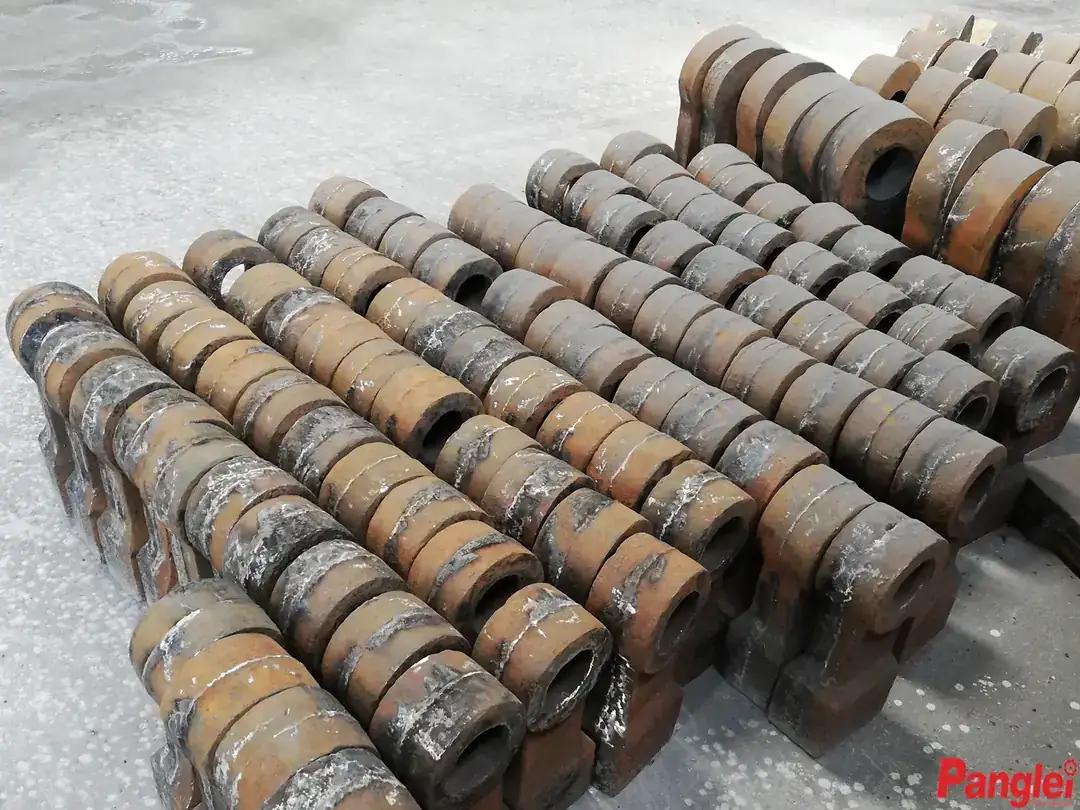
The Manganese Option
High manganese bars from Mn13 to Mn22Cr3 are the safe choice. They wear faster on abrasive rock than chromium, but they fail gracefully. For recycling and demolition work this is normally the only sensible answer.
Within the range, higher manganese and added chromium raise the work hardening rate, which recovers some of the wear life without giving up the toughness.
The Chromium Options
Medium 20% chromium and high 26% chromium white irons resist abrasion far better than manganese. On clean limestone or hard rock with no tramp metal they deliver considerably more tonnes per bar.
The trade-off is brittleness. A 26% chromium bar that meets a piece of steel can break, and a broken bar in a rotor turning at impact speed is a serious event.
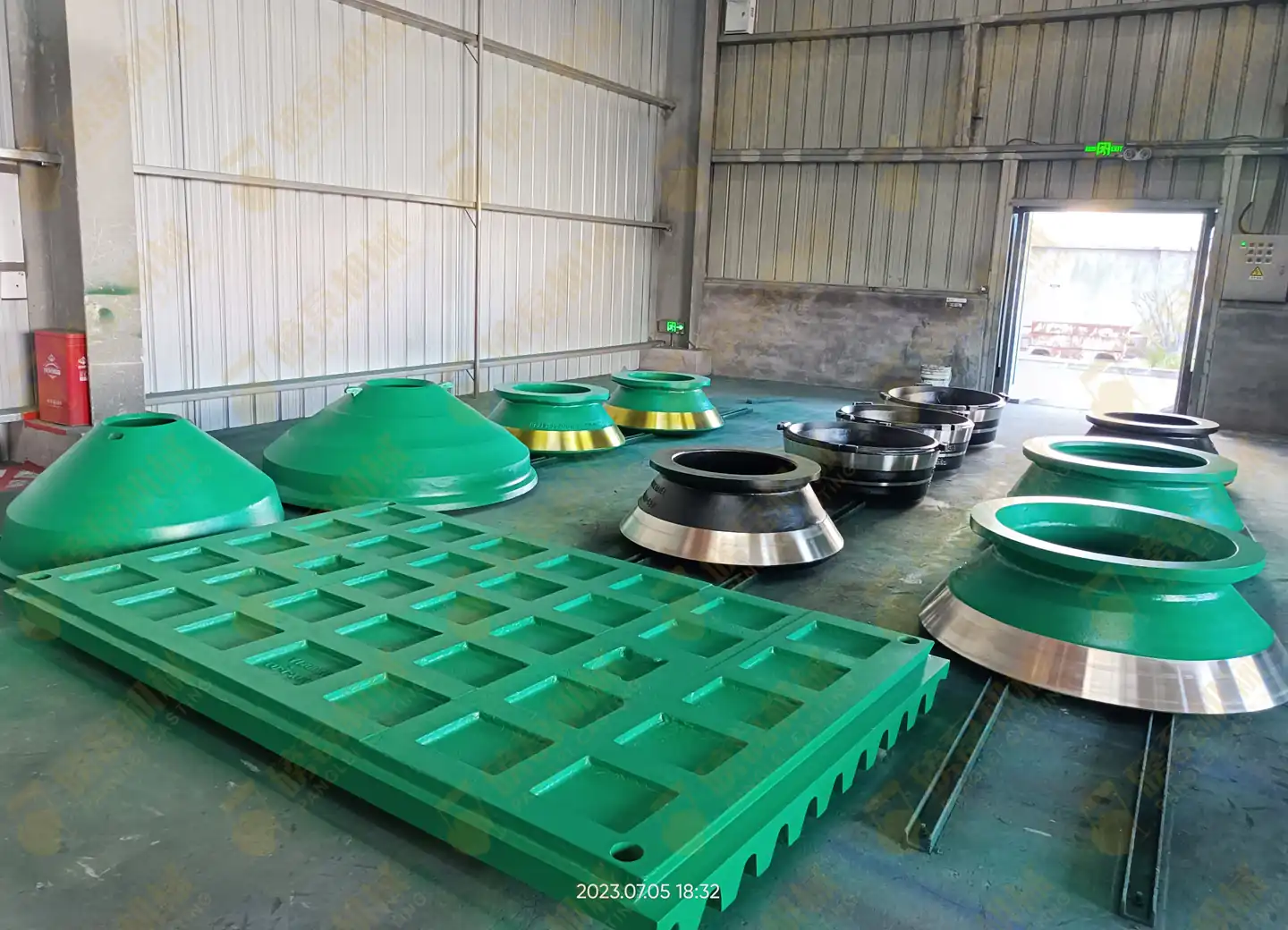
The Middle Ground
- Cr26 with ceramic inserts and martensitic bodies with ceramic inserts place hard ceramic at the wear face while keeping a tougher body behind it.
- Manganese with TIC inserts takes the opposite route — a manganese body for toughness, with titanium carbide inserts at the working face for abrasion resistance.
- Both sit between plain manganese and plain chromium, and both are worth considering where abrasion is high but breakage risk is controlled rather than eliminated.
Practical Rules
- Change bars as a complete set. Bars for one rotor should be cast from the same heat so weights are consistent and the rotor stays balanced.
- Turn bars end for end at mid-life where the design allows it.
- Inspect break plates and side liners at every bar change — worn aprons cost reduction ratio no matter how new the bars are.
- Record the tonnage per set. Two or three change-outs of real data will settle the material argument better than any specification sheet.
Parts This Guide Applies To
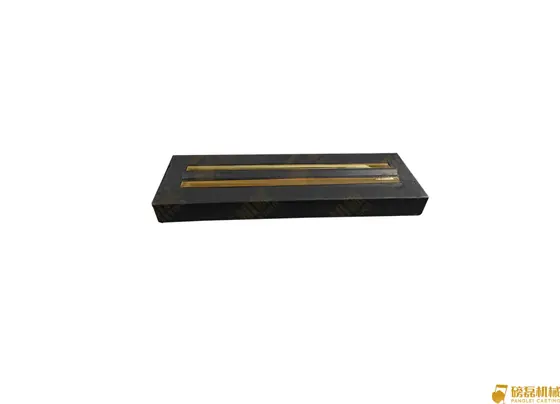
Impact Crusher Blow Bar
Manganese, chrome, ceramic-insert and TIC-insert bars for horizontal shaft impactors
View Part →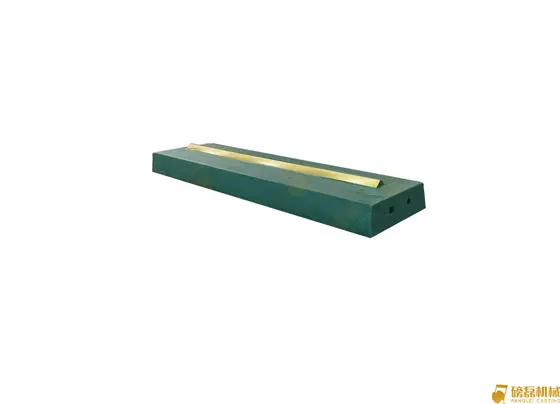
Impact Crusher Break Plate
The impact aprons that turn rotor energy into product size
View Part →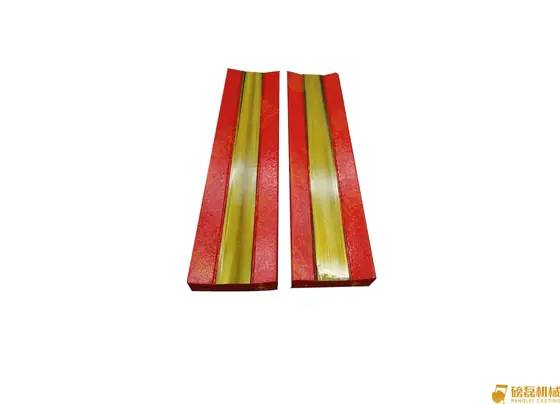
Impact Crusher Side Liner
Chamber side protection that keeps the impactor housing out of the wear path
View Part →Other Reading In The Knowledge Centre
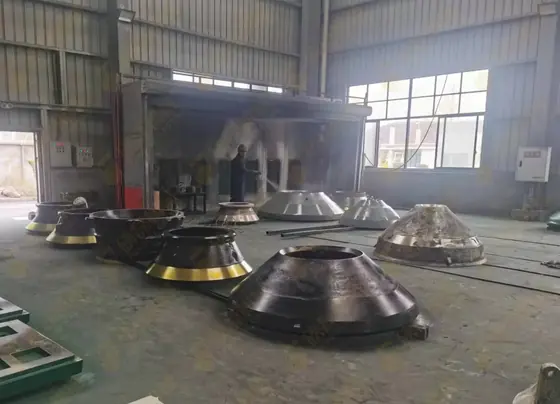
Manganese Steel Grades For Crusher Wear Parts Explained
Mn13 through Mn22Cr3 — what the manganese and chromium content actually changes, and how to pick a grade from your feed rather than from a catalogue.
Read Guide →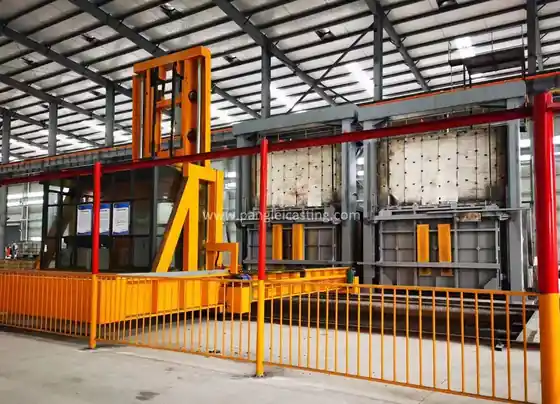
Heat Treatment Of Crusher Wear Castings And Why 30 Seconds Matters
Solution treatment and quenching decide whether a manganese casting is tough or brittle. The controls that make the difference are simple and unforgiving.
Read Guide →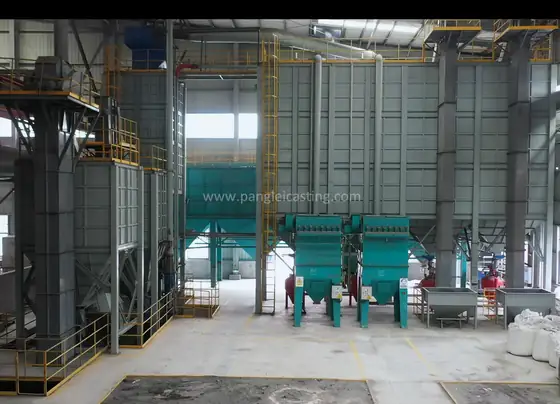
What Casting Process Simulation Changes Before The Mould Is Made
CPSS runs before sand is packed. It is the cheapest opportunity to find a shrinkage cavity — on screen rather than in a finished casting.
Read Guide →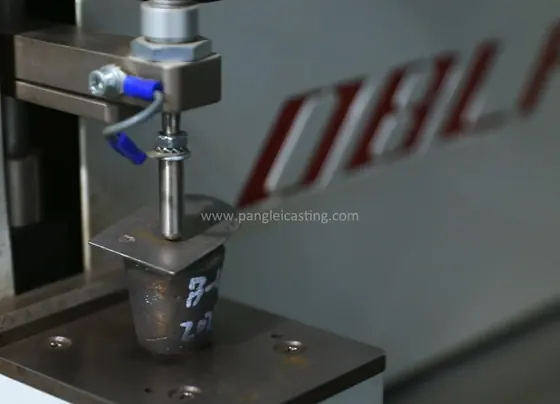
The Inspection Procedures Behind A Crusher Wear Casting
Which tests are standard, which are on request, and what each one actually tells you about the part you are buying.
Read Guide →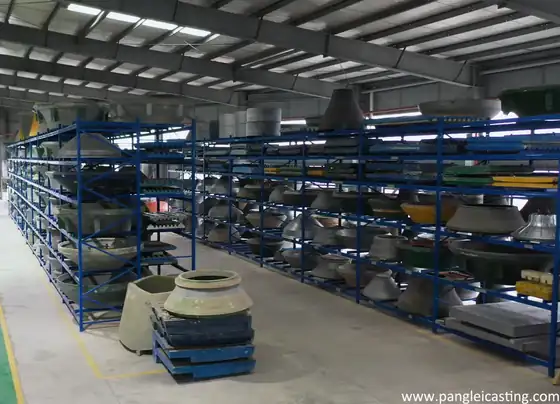
Reducing Crusher Downtime With Ready Made Patterns And Stocked Parts
Lead time on a wear part is mostly pattern time and scheduling. Both can be removed, and the difference is measured in days rather than weeks.
Read Guide →Questions About This Guide
Can I mix manganese and chrome bars in one rotor?
No. Different materials wear at different rates, which unbalances the rotor. Run one material across a set.
Are ceramic insert bars worth the premium?
Where abrasion is high and tramp metal is genuinely controlled, usually yes. Where tramp metal is a real risk, no — the inserts do not change the breakage behaviour enough.
How do I know if my bars are breaking or wearing?
A worn bar loses profile evenly. A broken bar leaves a fracture face. If you are finding fracture faces, move down the hardness scale.
Apply This To Your Own Machines
Send the machine, the feed description and the wear life you get now, and we will make a specific recommendation rather than a general one.