
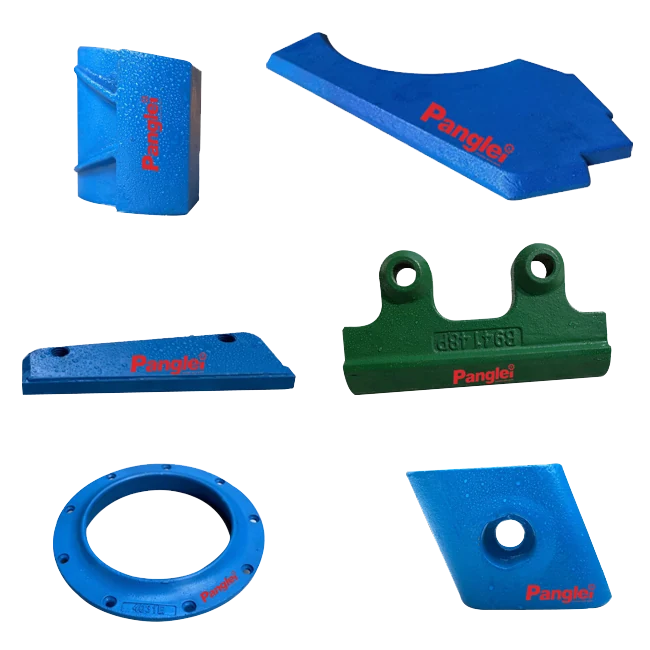
Wear Castings For Power Generation
Grinding rollers and mill liners for coal-fired generation
What Makes Wear Parts Difficult In This Sector
- Mill availability decided by the lead time on a grinding element
- Large wear castings few foundries can pour, heat treat and machine
- Grinding elements wearing unevenly and unbalancing the mill
- Critical parts supplied without metallurgical records
The Requirements We Build Around
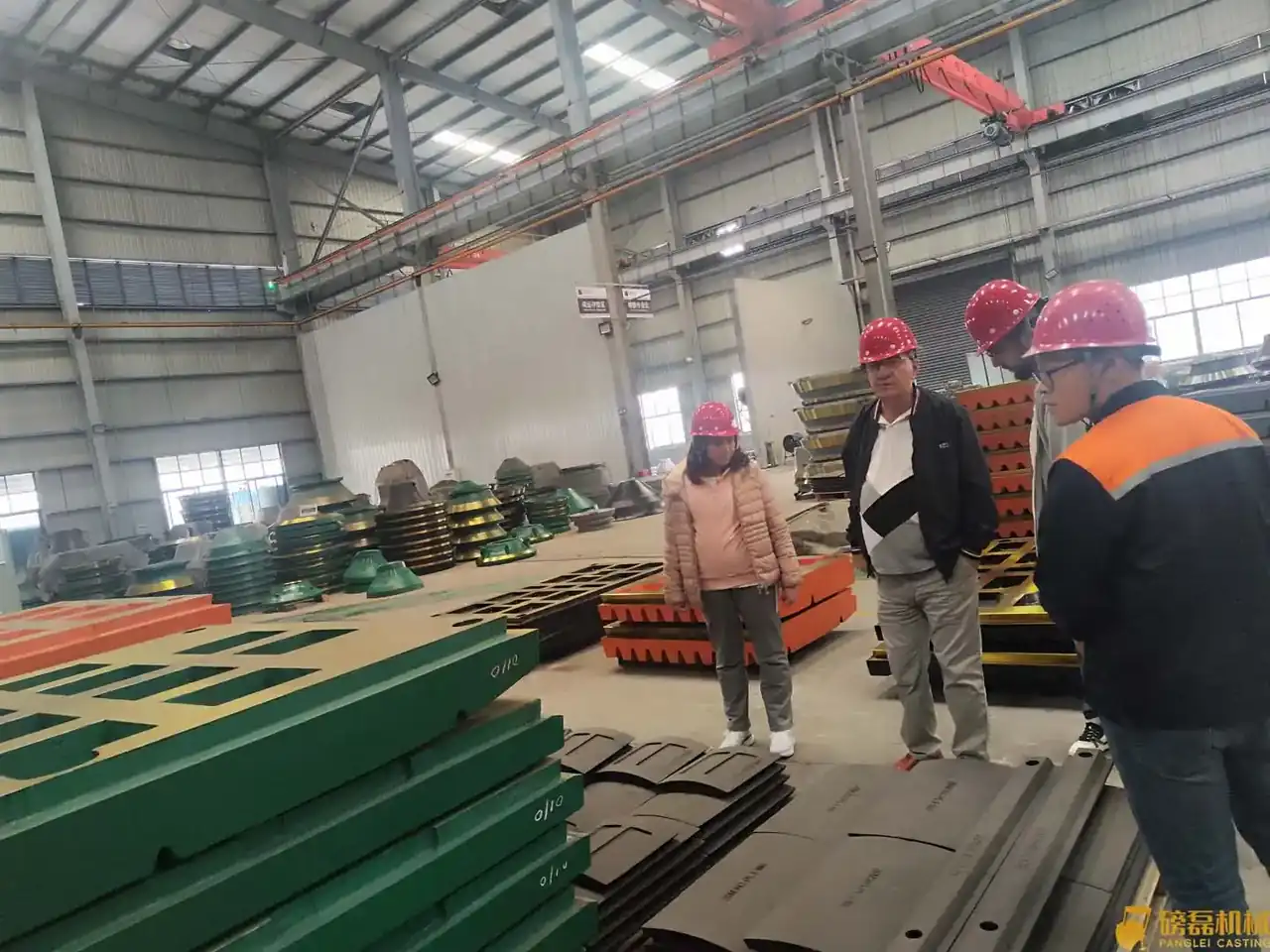
- Castings up to 10 tonnes with matching heat treatment capacity
- High chromium white irons and alloy steels for grinding duty
- Full sets cast from one heat so the mill stays balanced
- Chemical, hardness and microstructure reporting
Typical Scenarios
- Coal mill grinding element replacement
- Mill relining
- Power station overhauls
- Critical spares holding
Product Families Used In This Industry
Where Most Enquiries In This Sector Start
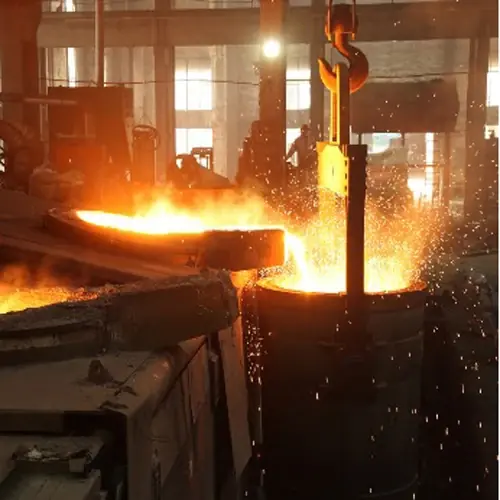
Grinding Roller
Mill grinding rollers supplied to the Chinese electric power industry
View Part →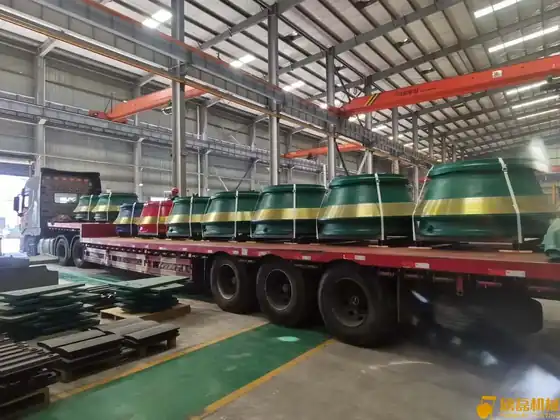
Mill Liner
Mill liners in manganese and high chromium for grinding circuits
View Part →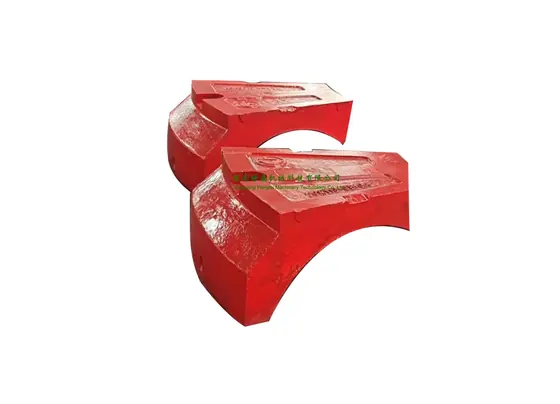
Reverse Engineered Wear Castings
From a worn part with no drawing to a repeatable casting
View Part →Getting The Parts To Site
Finished parts are packed on steel pallets for forklift handling, to international standards for road, rail, sea and air. Door-to-door delivery to your warehouse is available.
Air Freight
Chongqing Jiangbei International Airport (CKG) is one of the largest airports in China, for parts that cannot wait.
Rail To Europe
Chongqing is the start of the Chongqing–Xinjiang–Europe railway, running through Kazakhstan, Russia, Belarus and Poland to Duisburg, Germany.
Sea Freight
Inland transport to Shanghai Port takes about three days, from where normal sea freight schedules apply.
Power Generation Questions
Do you supply the power industry today?
Yes. With our new foundry running we became a manufacturing base for the Chinese electric power industry, supplying wear parts such as grinding rollers and liners.
What heat treatment capacity supports parts this size?
Trolley furnaces up to 3 m × 3.5 m × 2 m and a 2,000 m³ quench pool with an underwater circulating and stirring system.
Can you work from our existing drawings?
Yes, and where drawings are missing we reverse engineer from the worn component, including 3D scanning on your site.
Discuss Your Power Generation Wear Parts
Tell us the machines, the feed and the wear life you are getting now. The material recommendation follows from those three answers.