
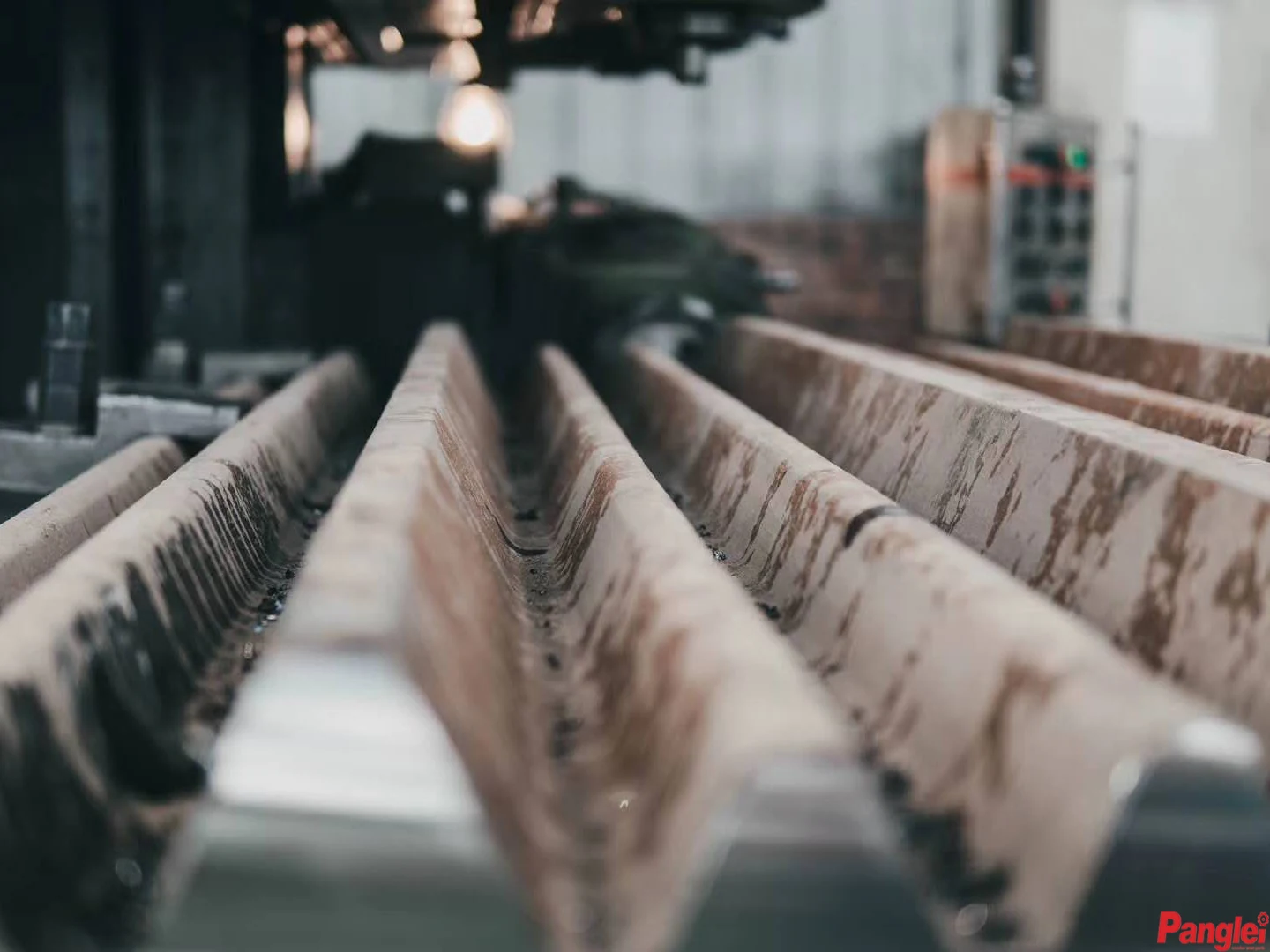
Wear Castings For Mining And Ore Processing
Crusher and mill wear parts for copper, iron ore and hard rock operations
What Makes Wear Parts Difficult In This Sector
- Highly abrasive ore consuming liners far faster than quarry rock
- Mill availability tied to the lead time on a single large casting
- Wear parts with no metallurgical documentation
- Large castings that few foundries can pour and heat treat
The Requirements We Build Around
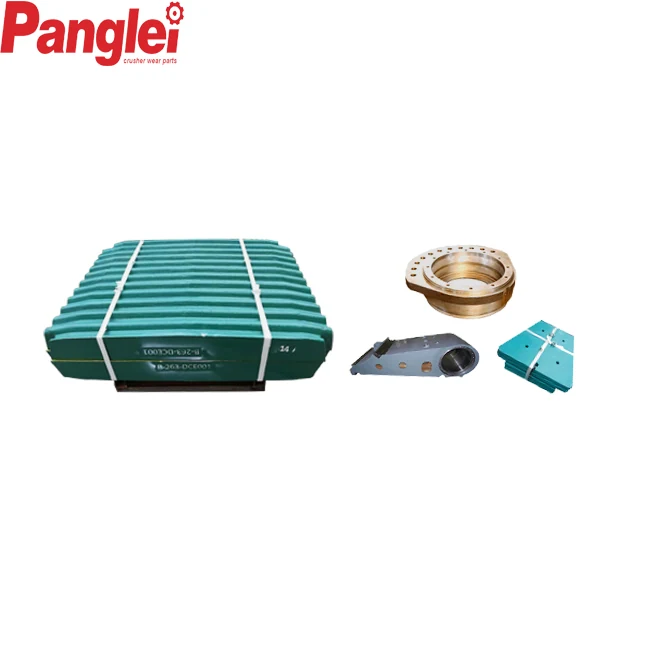
- Higher manganese and high chromium grades for abrasive ore
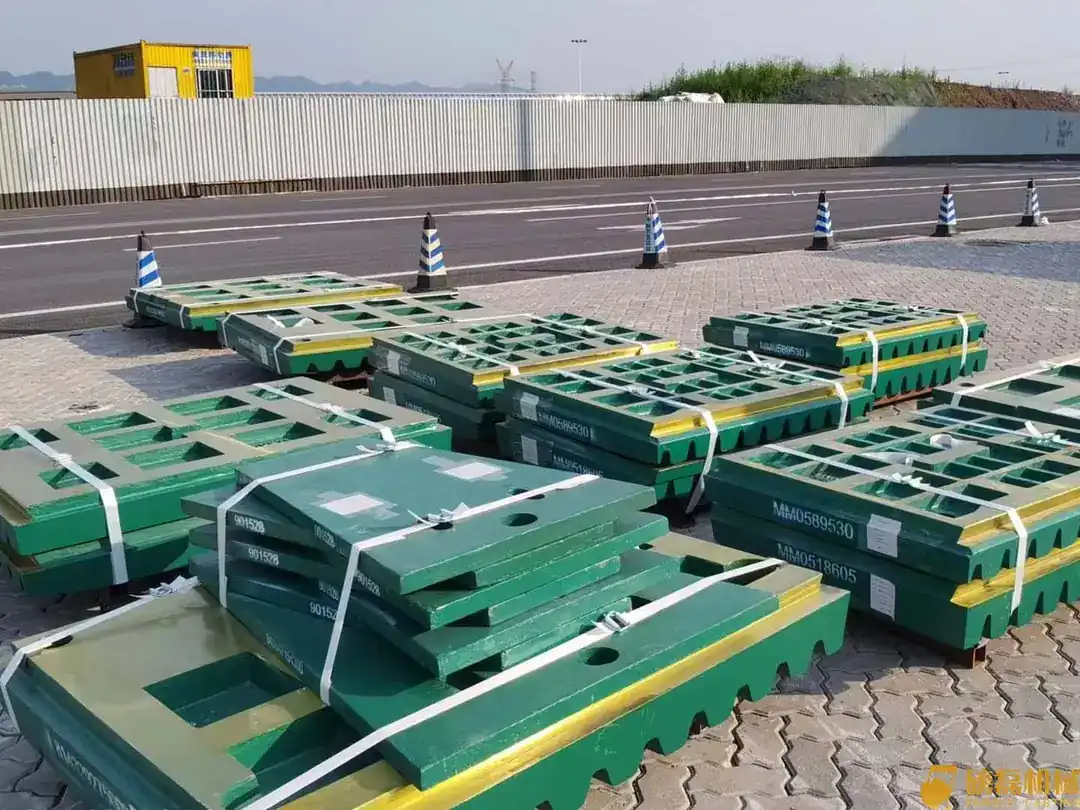
- Castings up to 10 tonnes with heat treatment capacity to match
- Chemical analysis and retained samples for traceability
- Mill liners and grinding elements alongside crusher parts
Typical Scenarios
- Primary and secondary ore crushing
- Grinding circuit relining
- Copper concentrator wear parts
- Iron ore reduction circuits
Product Families Used In This Industry
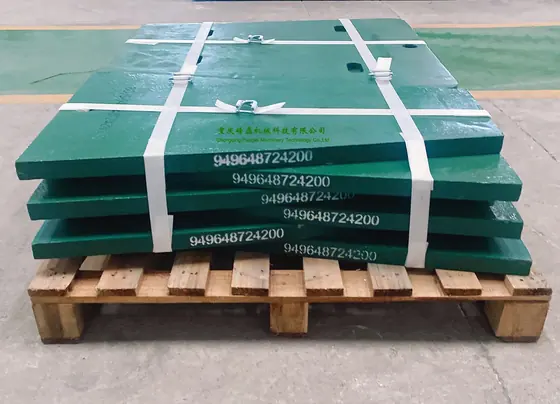
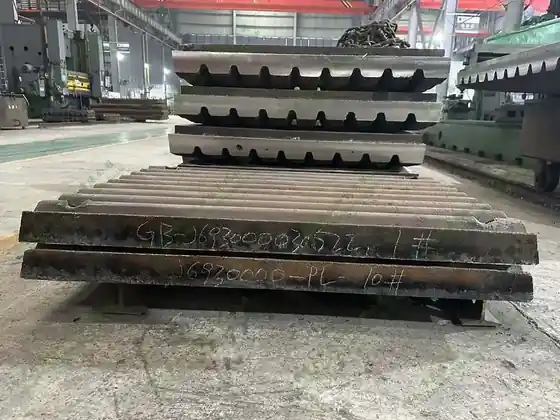
Where Most Enquiries In This Sector Start
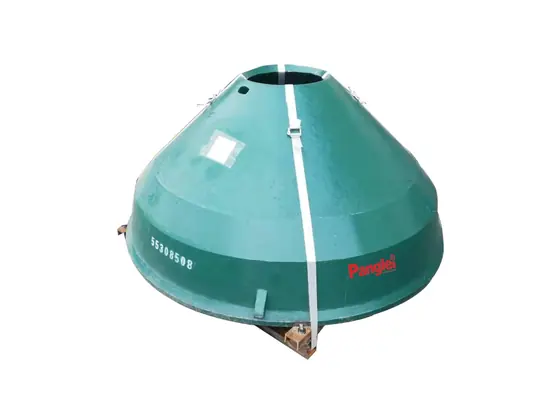
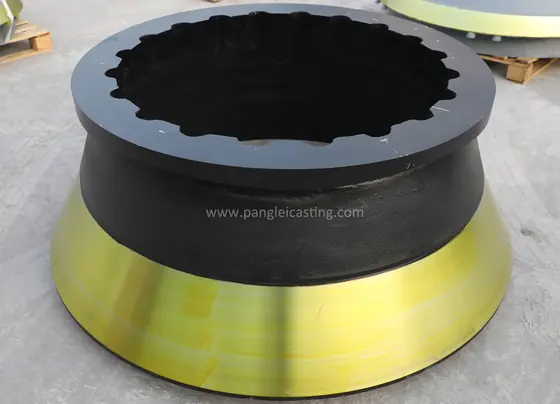
Cone Crusher Mantle
The moving cone face, cast to gyrate against your existing bowl liner
View Part →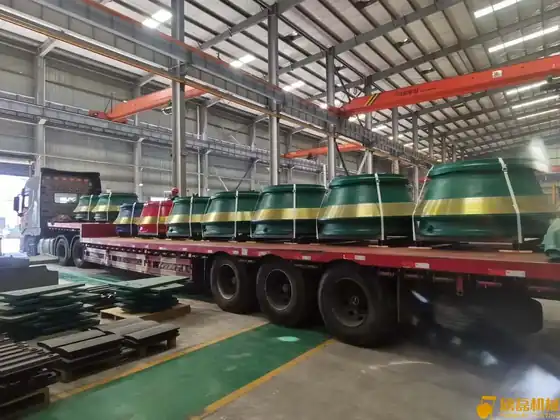
Mill Liner
Mill liners in manganese and high chromium for grinding circuits
View Part →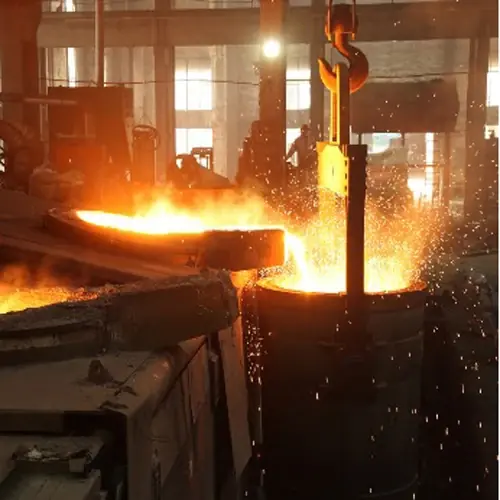
Grinding Roller
Mill grinding rollers supplied to the Chinese electric power industry
View Part →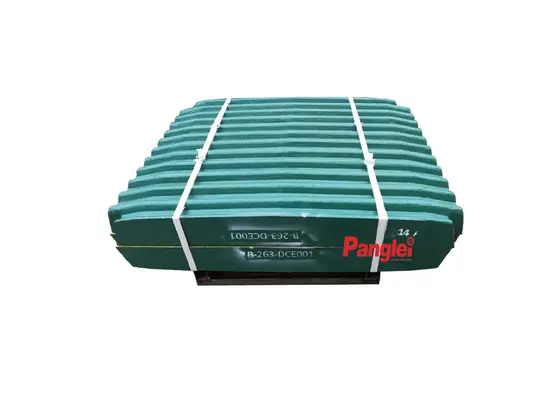
Swing Jaw Plate
Movable jaw dies cast to the same profile and heat as the fixed half
View Part →Getting The Parts To Site
Finished parts are packed on steel pallets for forklift handling, to international standards for road, rail, sea and air. Door-to-door delivery to your warehouse is available.
Air Freight
Chongqing Jiangbei International Airport (CKG) is one of the largest airports in China, for parts that cannot wait.
Rail To Europe
Chongqing is the start of the Chongqing–Xinjiang–Europe railway, running through Kazakhstan, Russia, Belarus and Poland to Duisburg, Germany.
Sea Freight
Inland transport to Shanghai Port takes about three days, from where normal sea freight schedules apply.
Work Delivered Into This Sector
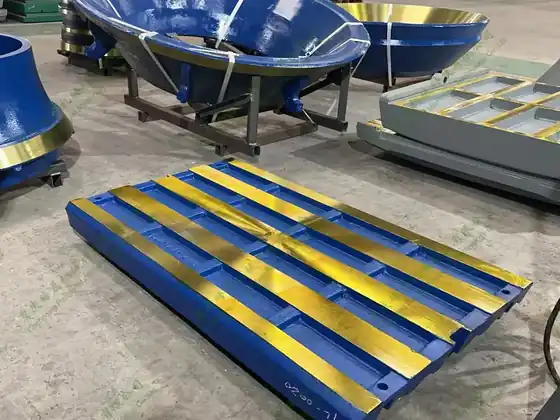
Swing Jaw Plate 600/3012 For A Pegson 1100 × 800 In Liberia
600/3012 swing jaw plate in Mn22Cr2
Read The Case →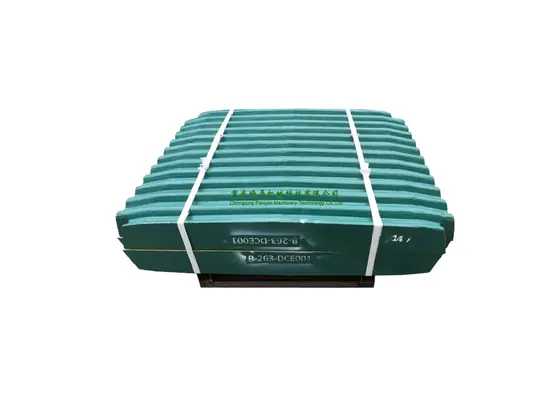
Extec C10 Jaw Dies J6920000 And J6930000 In Mn18Cr2
J6920000 fixed jaw die and J6930000 swing jaw die in Mn18Cr2
Read The Case →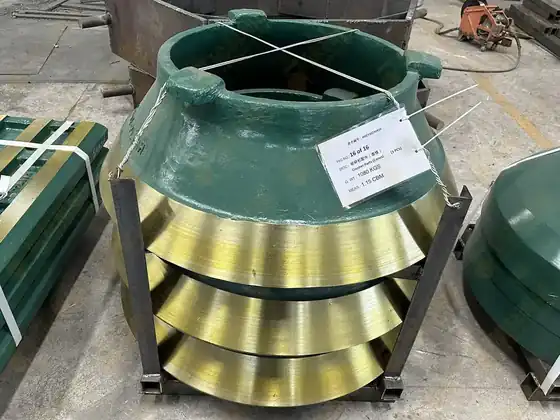
Repeat Cone Sets 603/9052 And 603/9106 For A Pegson 1000 Maxtrak
603/9052 bowl liner and 603/9106 mantle in Mn22Cr2
Read The Case →Mining And Ore Processing Questions
Do you already supply mining operations?
Yes. We supply castings to Yunnan Copper Co., Ltd. and to iron ore enterprises in Shandong province.
What traceability do you provide?
Samples are taken during melting to verify the analysis and are retained for at least three years. Chemical analysis and a dimensional inspection report are issued as standard.
How large a casting can you produce?
Single castings up to 10 tonnes, melted in 5 t intermediate frequency furnaces and heat treated in trolley furnaces up to 3 m × 3.5 m × 2 m.
Discuss Your Mining And Ore Processing Wear Parts
Tell us the machines, the feed and the wear life you are getting now. The material recommendation follows from those three answers.