
Wear Material Selection
Matching the alloy to the feed rather than to the catalogue
What This Covers
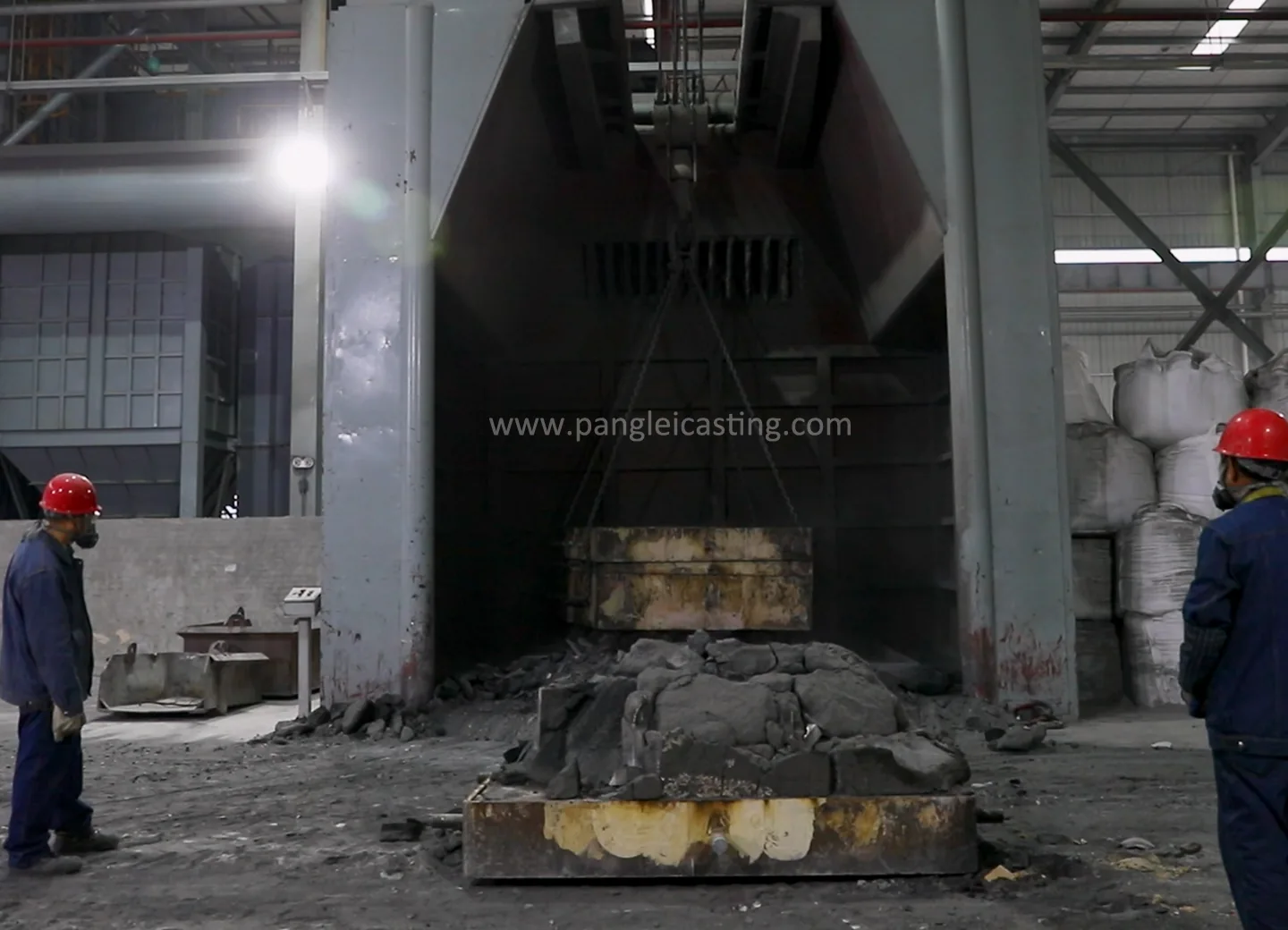
The same part in the wrong alloy can halve its life or break in service. We cast austenitic manganese steels from Mn13 to Mn22Cr3, high chromium white irons in Cr15, Cr25 and Cr30, and alloy steels, so the recommendation is driven by your feed rather than by what one foundry happens to pour.
How The Work Actually Runs
Every stage below happens inside our own works, under one QC department, which is why a problem found at one stage can still be corrected at the next.
Feed assessment
Rock type, abrasiveness and the presence of tramp steel are the three questions that decide almost every material choice.
Impact versus abrasion
Manganese work hardens and deforms rather than cracking, so it survives tramp metal. High chromium resists abrasion far better but is brittle.
Grade selection
Within manganese, higher Mn and added Cr raise the work hardening rate for more abrasive duties — Mn13 for general work through to Mn22Cr3.
Insert options
Where abrasion is severe but breakage risk is controlled, Cr26 or martensitic bodies with ceramic inserts, or manganese with TIC inserts, sit between the two extremes.
Verification
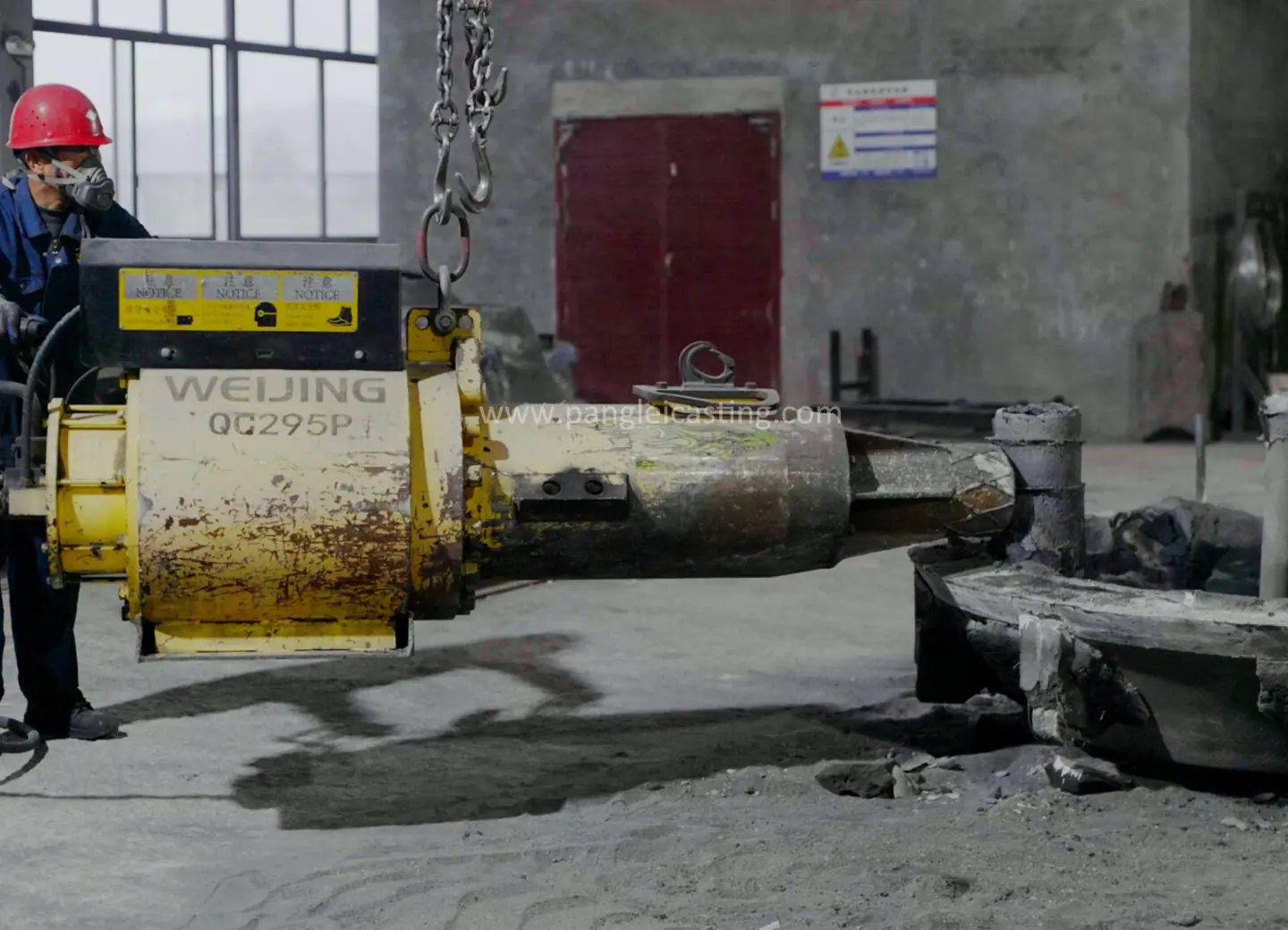
Chemistry is verified from a sample taken during melting and adjusted if necessary before pouring.
Review
Record the tonnage achieved at change-out and we refine the recommendation on the next order.
Equipment That Makes This Possible
- 5 t intermediate frequency furnace × 2 sets
- Maximum casting weight up to 10 tonnes
- 2,000 m³ heat treatment pool with underwater circulating and stirring system
- Vertical lathe × 12 sets — Ø3.4 m × 1, Ø2.5 m × 2, Ø2 m × 3, Ø1.6 m × 5, Ø1.25 m × 1
- Casting Process Simulation System (CPSS)
- German-made OBLF direct-reading spectrometer
Parts Most Often Handled This Way
Impact Crusher Blow Bar
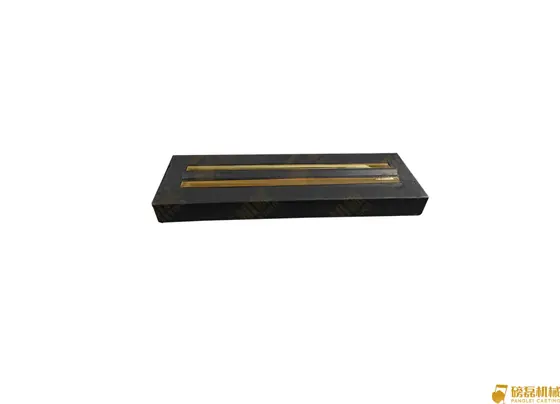
Manganese, chrome, ceramic-insert and TIC-insert bars for horizontal shaft impactors
View Part →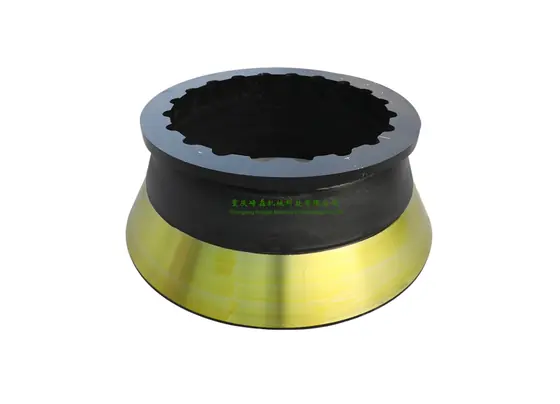
Bowl Liner And Concave
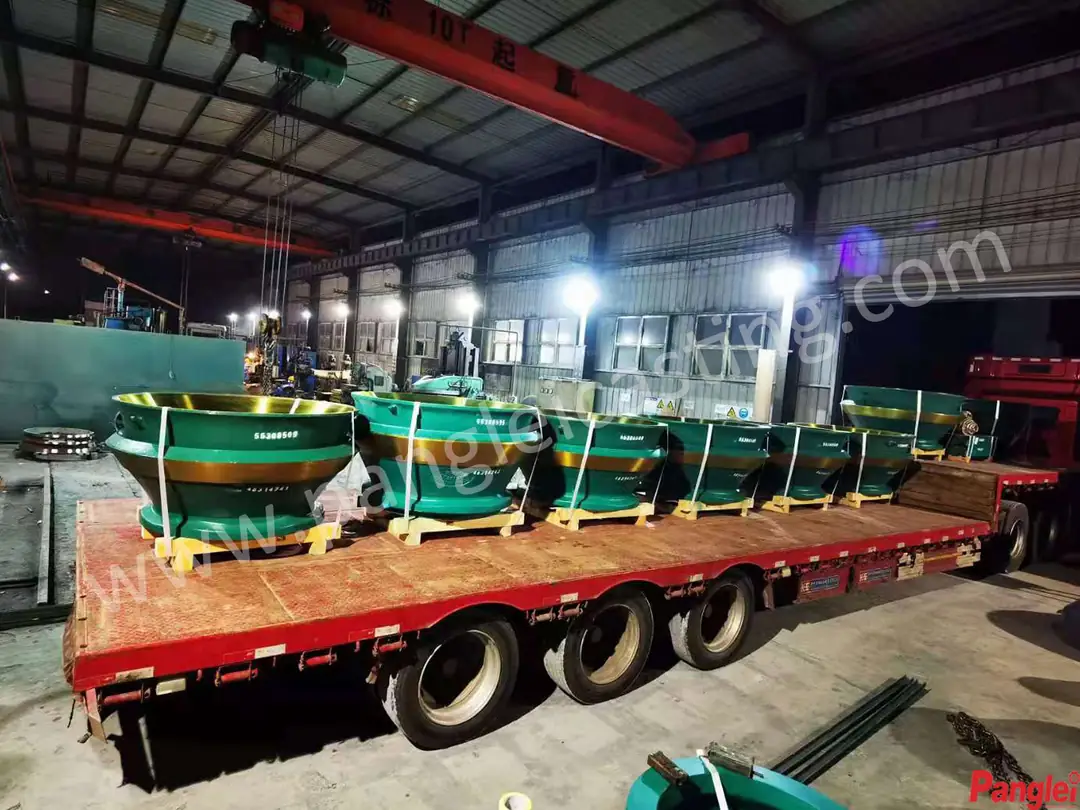
The fixed half of the cone crushing chamber, cast in seven manganese grades
View Part →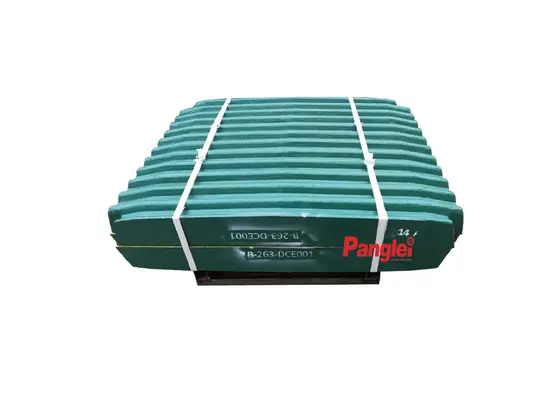
Swing Jaw Plate
Movable jaw dies cast to the same profile and heat as the fixed half
View Part →
Mill Liner
Mill liners in manganese and high chromium for grinding circuits
View Part →Wear Material Selection Questions
What is the single most important question?
Whether tramp steel can reach the wear surface. That one answer usually decides between manganese and high chromium.
Which grades do you actually pour?
Mn13, Mn13Cr2, Mn18, Mn18Cr2, Mn20Cr3, Mn22Cr2, Mn22Cr3 and Mn13-22CrMo in manganese; Cr15, Cr25 and Cr30 in high chromium white iron; plus alloy steels of various grades.
Can you verify the chemistry you supplied?
Yes. Chemical analysis is standard on every heat and the samples are retained for at least three years.
Put Wear Material Selection To Work On Your Part
Send what you have — a drawing, a part number, or a photograph of the worn component with its main dimensions. We will tell you what is possible before anyone ships anything.