
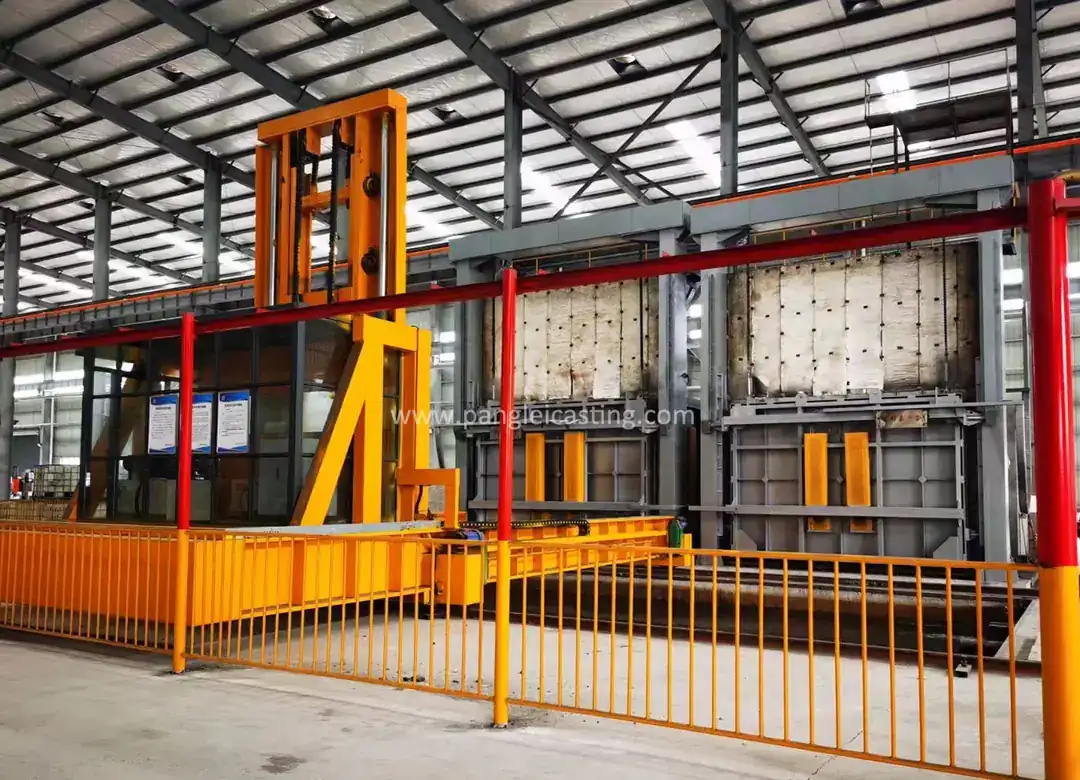
Guides For People Who Buy Crusher Wear Parts
Material selection, heat treatment, casting simulation and inspection — written from the grades we actually pour and the equipment we actually run.
Technical Reading For Wear Part Procurement
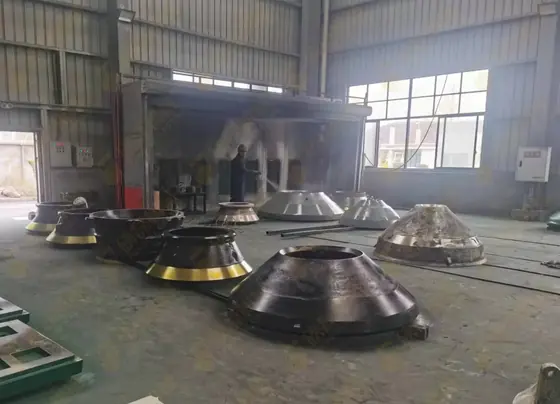
Manganese Steel Grades For Crusher Wear Parts Explained
Mn13 through Mn22Cr3 — what the manganese and chromium content actually changes, and how to pick a grade from your feed rather than from a catalogue.
Read Guide →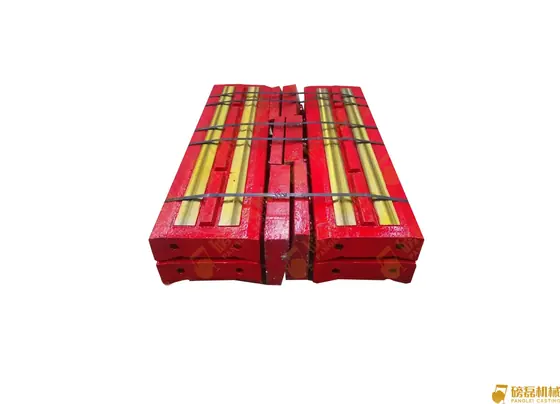
How To Choose Blow Bar Material For An Impact Crusher
Manganese, 20% chrome, 26% chrome, ceramic inserts or TIC — a decision that comes down to one question about your feed.
Read Guide →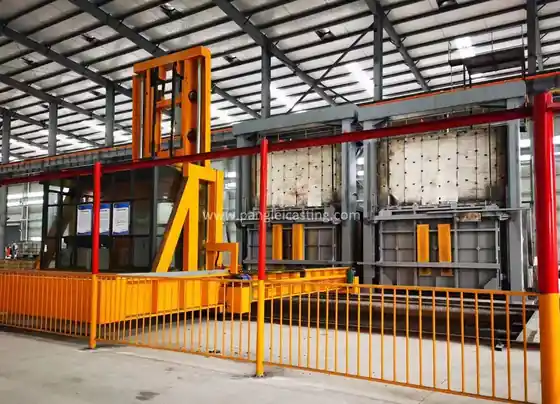
Heat Treatment Of Crusher Wear Castings And Why 30 Seconds Matters
Solution treatment and quenching decide whether a manganese casting is tough or brittle. The controls that make the difference are simple and unforgiving.
Read Guide →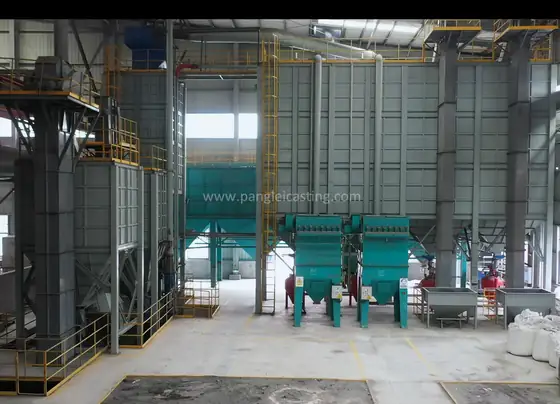
What Casting Process Simulation Changes Before The Mould Is Made
CPSS runs before sand is packed. It is the cheapest opportunity to find a shrinkage cavity — on screen rather than in a finished casting.
Read Guide →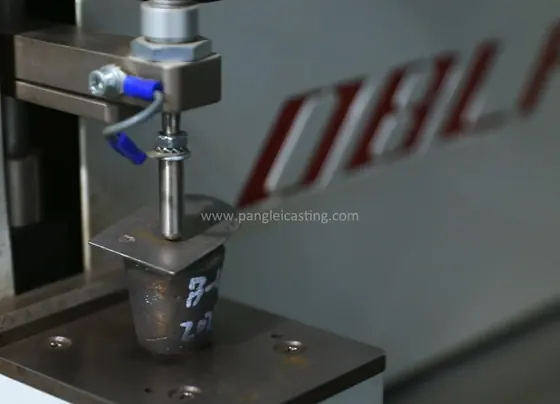
The Inspection Procedures Behind A Crusher Wear Casting
Which tests are standard, which are on request, and what each one actually tells you about the part you are buying.
Read Guide →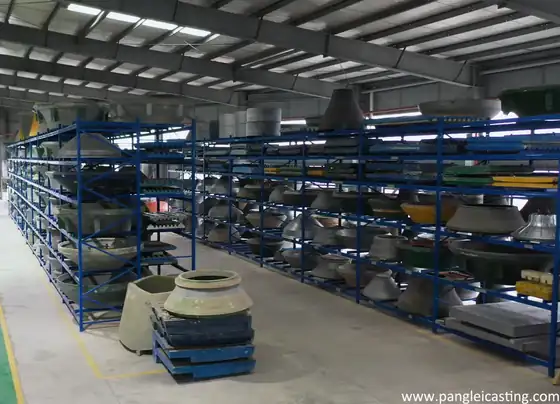
Reducing Crusher Downtime With Ready Made Patterns And Stocked Parts
Lead time on a wear part is mostly pattern time and scheduling. Both can be removed, and the difference is measured in days rather than weeks.
Read Guide →About The Knowledge Centre
Who writes these guides?
They are written from our own foundry data — the material grades we pour, the heat treatment cycle we run and the inspection equipment in our laboratory. Nothing here is a generic industry article.
Can you advise on material selection for my application?
Yes. Send the rock type or feed description, the machine, and the wear life you currently achieve. Those three answers settle most material questions.
Do you publish your inspection procedures?
Yes, in full. Chemical analysis and a dimensional inspection report are standard; hardness, tensile, microstructure, magnetic particle, dye penetrant and ultrasonic testing are available if specified.
Still Not Sure Which Grade To Order
Tell us the feed, the machine and the wear life you get now. We will make a recommendation and explain the reasoning rather than just quoting a grade.