
The Inspection Procedures Behind A Crusher Wear Casting
Which tests are standard, which are on request, and what each one actually tells you about the part you are buying.
Standard On Every Order
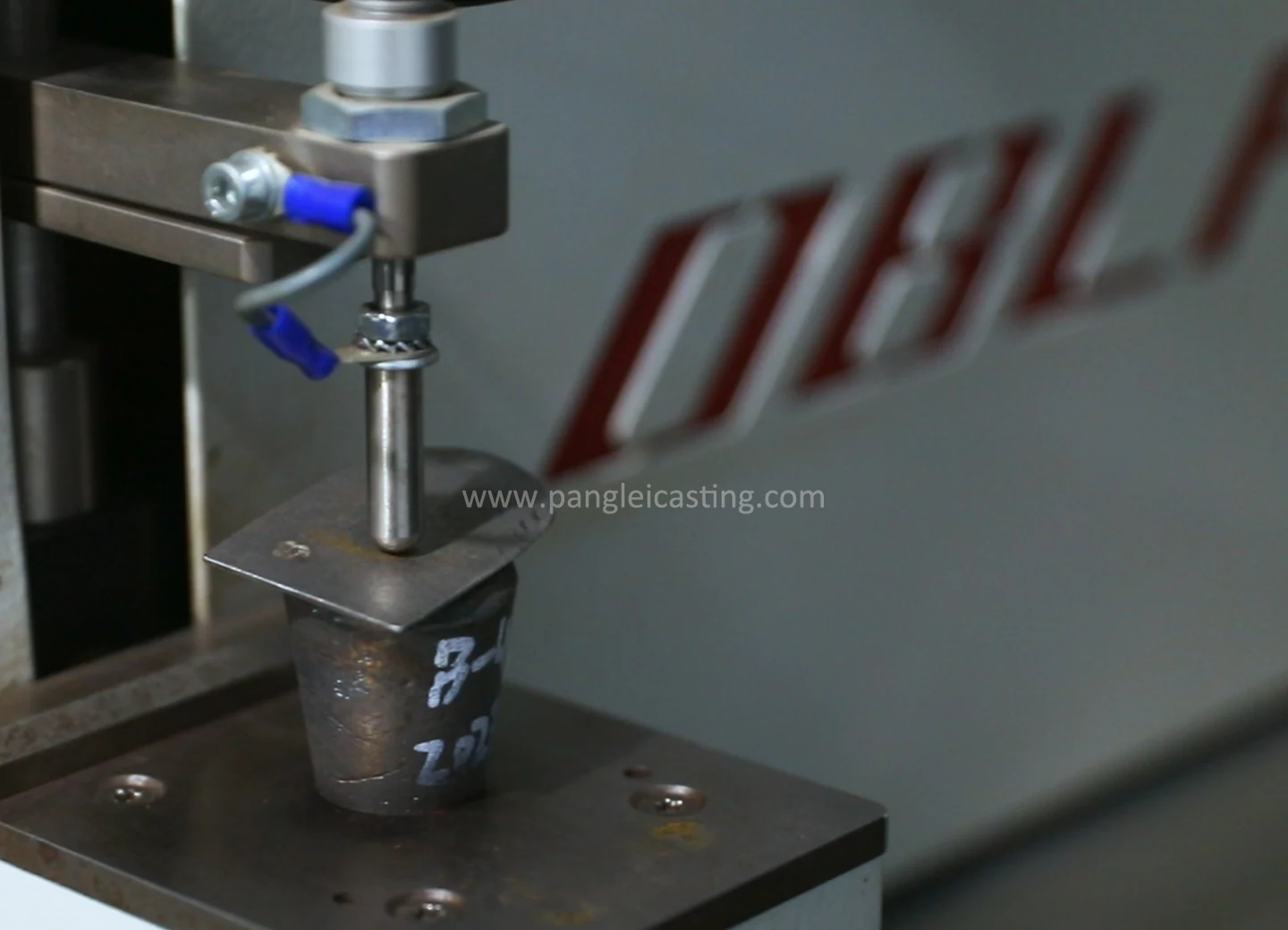
Chemical analysis is carried out on every heat, on our own German-made OBLF direct-reading spectrometer. The sample is taken during melting, verified against the specified grade, adjusted if necessary, and retained for at least three years.
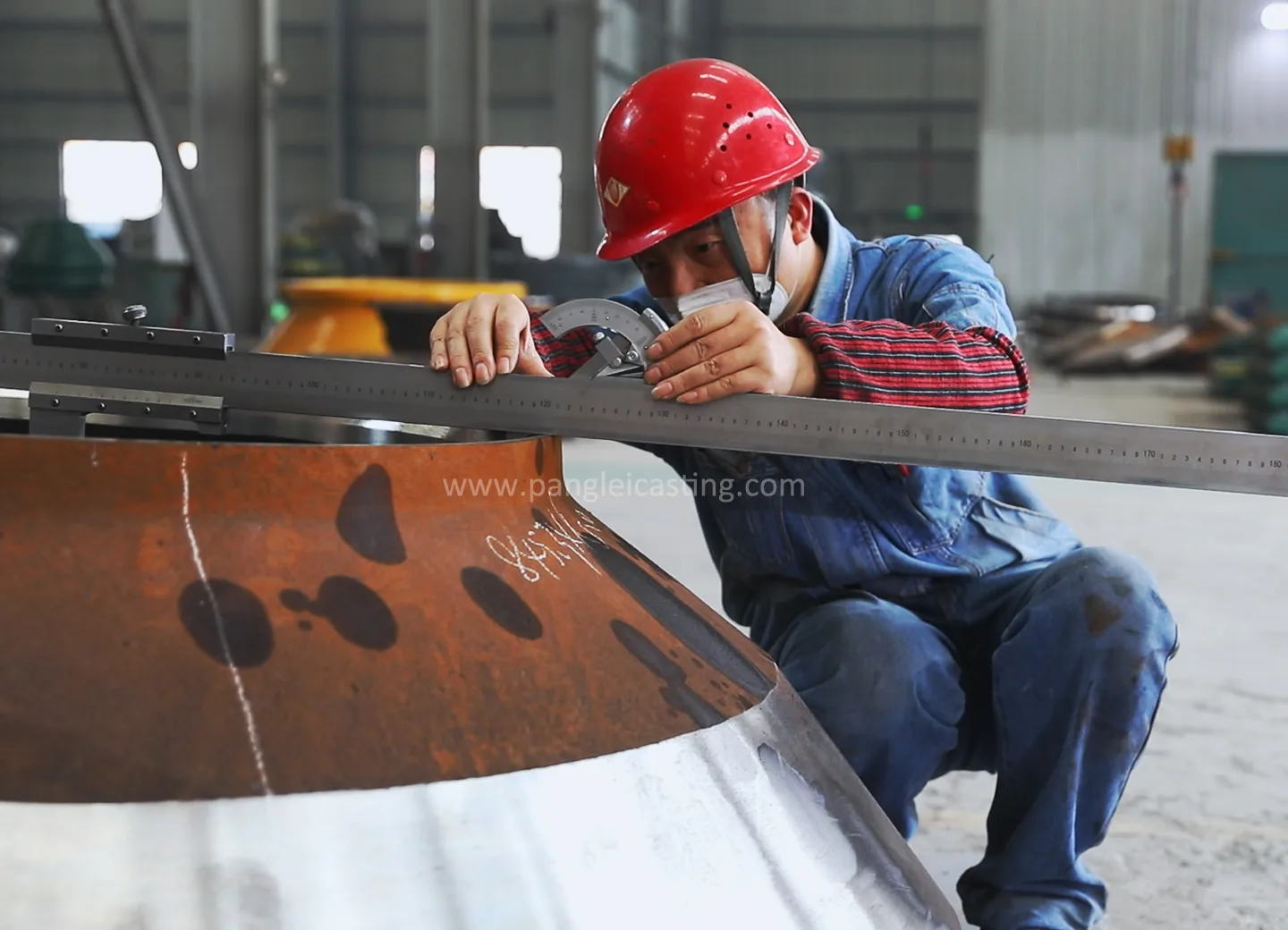
A dimensional inspection report is issued for every order after machining. This is what tells you the part will seat, and it is issued before the casting is packed.
Available If Specified
- Hardness testing, on our own equipment. Remember that austenitic manganese is delivered soft — this value is a process record, not a performance prediction.
- Tensile testing, where mechanical properties are part of the specification.
- Microstructure analysis, on a metallurgical microscope. For manganese castings this is the test that shows whether solution treatment actually worked.
- Magnetic particle testing for surface and near-surface discontinuities.
- Dye penetrant testing for surface-breaking defects, using our own inspection equipment.
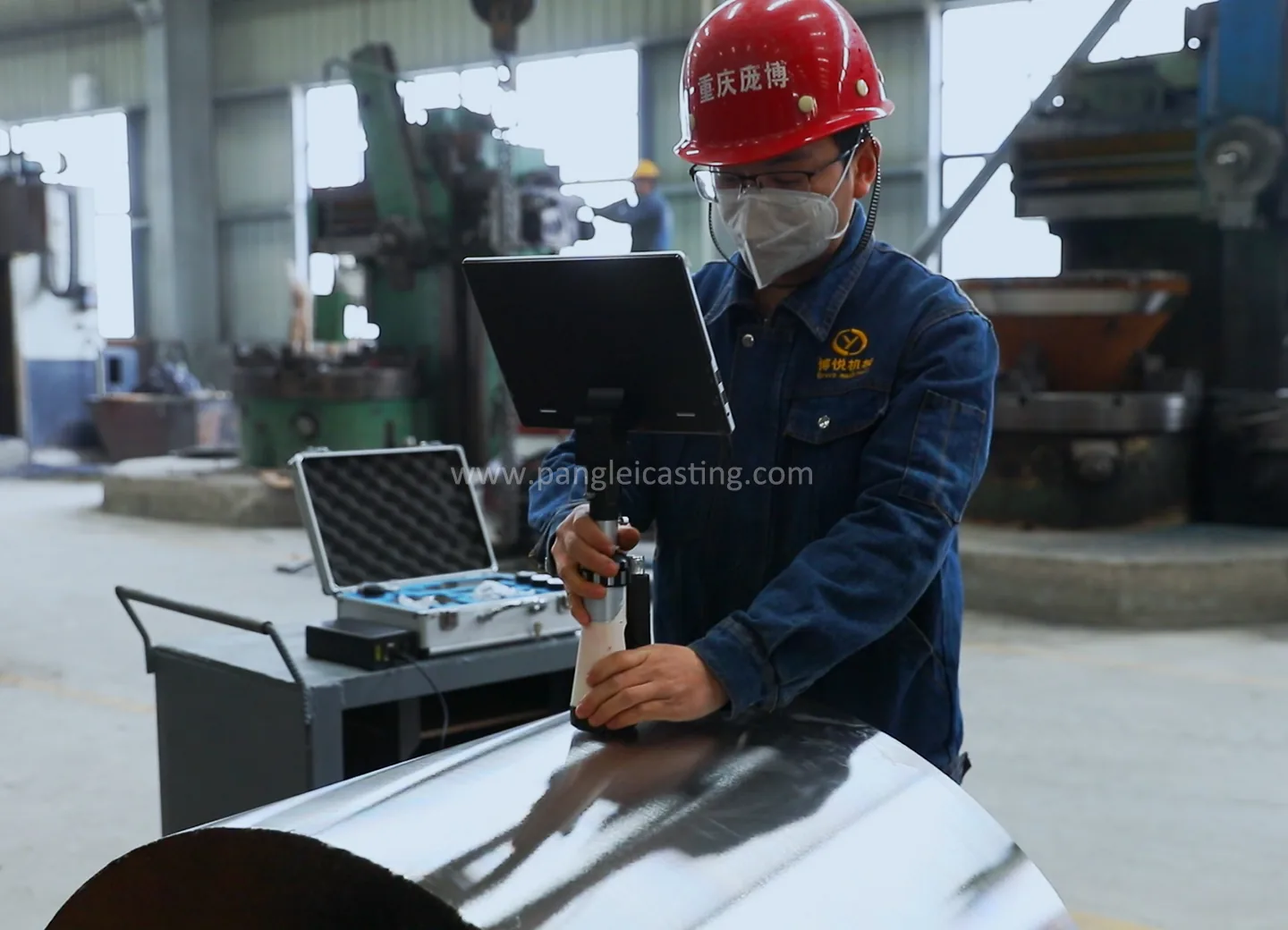
- Ultrasonic testing for internal soundness, which is the test that matters on structural castings such as main shafts and rotor bodies.
Why In House Matters
A foundry that subcontracts its testing gets results days later, by which time the heat has been poured and the castings have moved on. Our laboratory is on site, so an out-of-specification analysis is corrected in the ladle rather than discovered in a finished part.
The equipment list is short and specific: German-made OBLF direct-reading spectrometer, hardness testing equipment, metallurgical microscope, dye penetrant inspection equipment and dimensional inspection equipment.
What To Ask For
- On a routine wear part, chemical analysis and the dimensional report are usually sufficient.
- On a first order from a new supplier, add microstructure analysis — it is the test that separates a correctly heat treated manganese casting from one that merely looks like one.
- On any structural or rotating casting, specify ultrasonic testing at order stage rather than after delivery.
Parts This Guide Applies To
Main Shaft Assembly
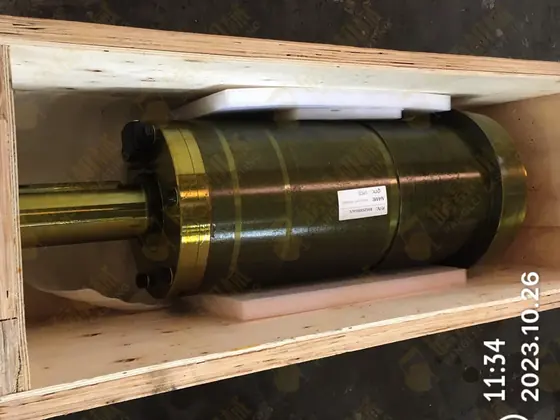
Complete main shaft assemblies supplied to European customers
View Part →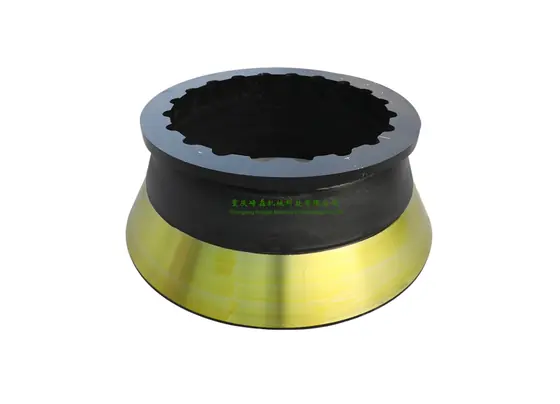
Bowl Liner And Concave
The fixed half of the cone crushing chamber, cast in seven manganese grades
View Part →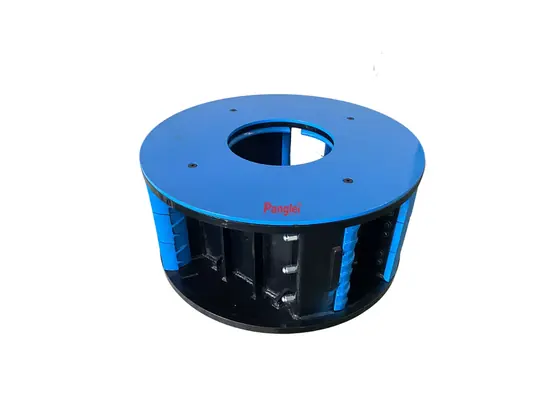
VSI Rotor Body And Frame
Complete rotor bodies for Barmac type and CV series machines
View Part →Other Reading In The Knowledge Centre
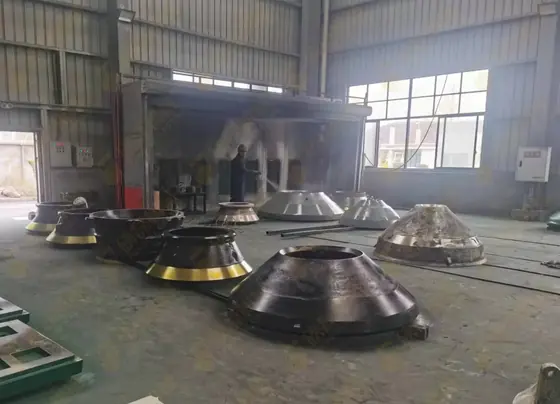
Manganese Steel Grades For Crusher Wear Parts Explained
Mn13 through Mn22Cr3 — what the manganese and chromium content actually changes, and how to pick a grade from your feed rather than from a catalogue.
Read Guide →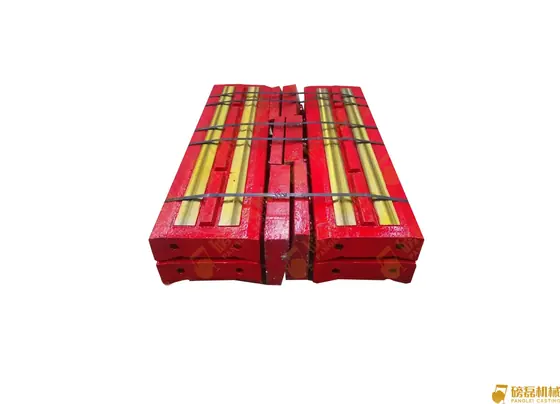
How To Choose Blow Bar Material For An Impact Crusher
Manganese, 20% chrome, 26% chrome, ceramic inserts or TIC — a decision that comes down to one question about your feed.
Read Guide →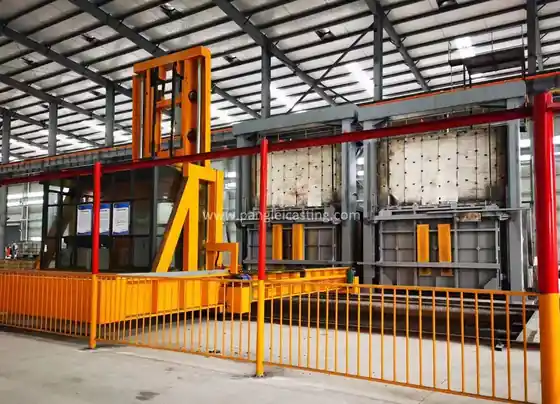
Heat Treatment Of Crusher Wear Castings And Why 30 Seconds Matters
Solution treatment and quenching decide whether a manganese casting is tough or brittle. The controls that make the difference are simple and unforgiving.
Read Guide →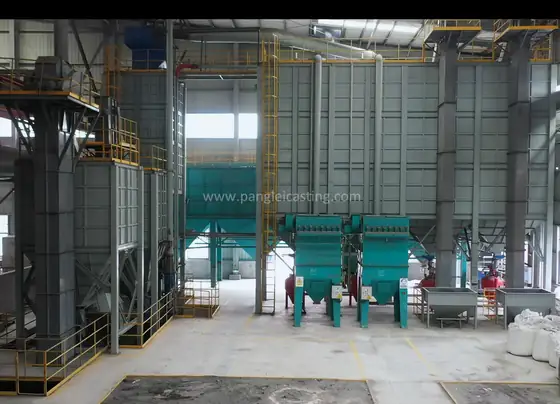
What Casting Process Simulation Changes Before The Mould Is Made
CPSS runs before sand is packed. It is the cheapest opportunity to find a shrinkage cavity — on screen rather than in a finished casting.
Read Guide →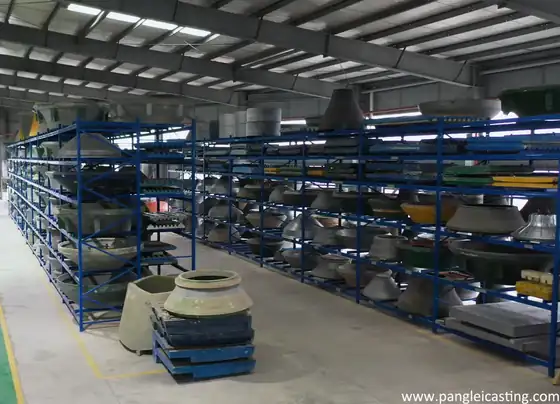
Reducing Crusher Downtime With Ready Made Patterns And Stocked Parts
Lead time on a wear part is mostly pattern time and scheduling. Both can be removed, and the difference is measured in days rather than weeks.
Read Guide →Questions About This Guide
Which tests come as standard?
Chemical analysis and a dimensional inspection report, on every order.
How long are samples kept?
Inspected samples are retained for at least three years for traceability.
Can I specify additional testing after ordering?
Specify it at order stage. Some tests, particularly those needing a test bar poured with the heat, cannot be added retrospectively.
Apply This To Your Own Machines
Send the machine, the feed description and the wear life you get now, and we will make a specific recommendation rather than a general one.