
What Casting Process Simulation Changes Before The Mould Is Made
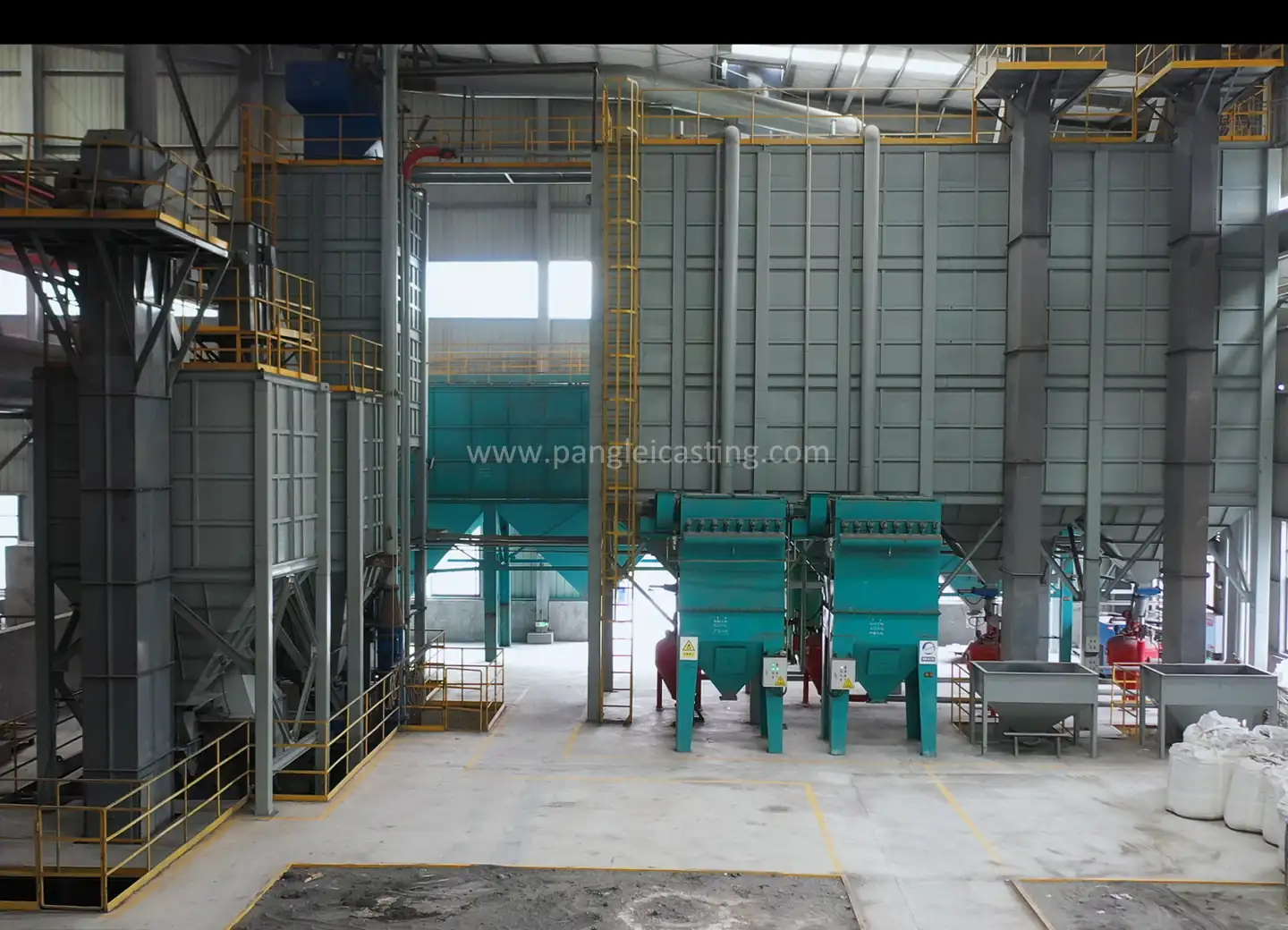
CPSS runs before sand is packed. It is the cheapest opportunity to find a shrinkage cavity — on screen rather than in a finished casting.
Where Defects Come From
A wear casting fails in one of a small number of ways: shrinkage porosity where the metal solidified last, inclusions carried in from the mould, and cracks from uneven cooling. All three are decided before any metal is poured.
Once the mould is packed, the options are gone. Simulation moves that decision point earlier, to where changing it costs nothing.
What CPSS Models
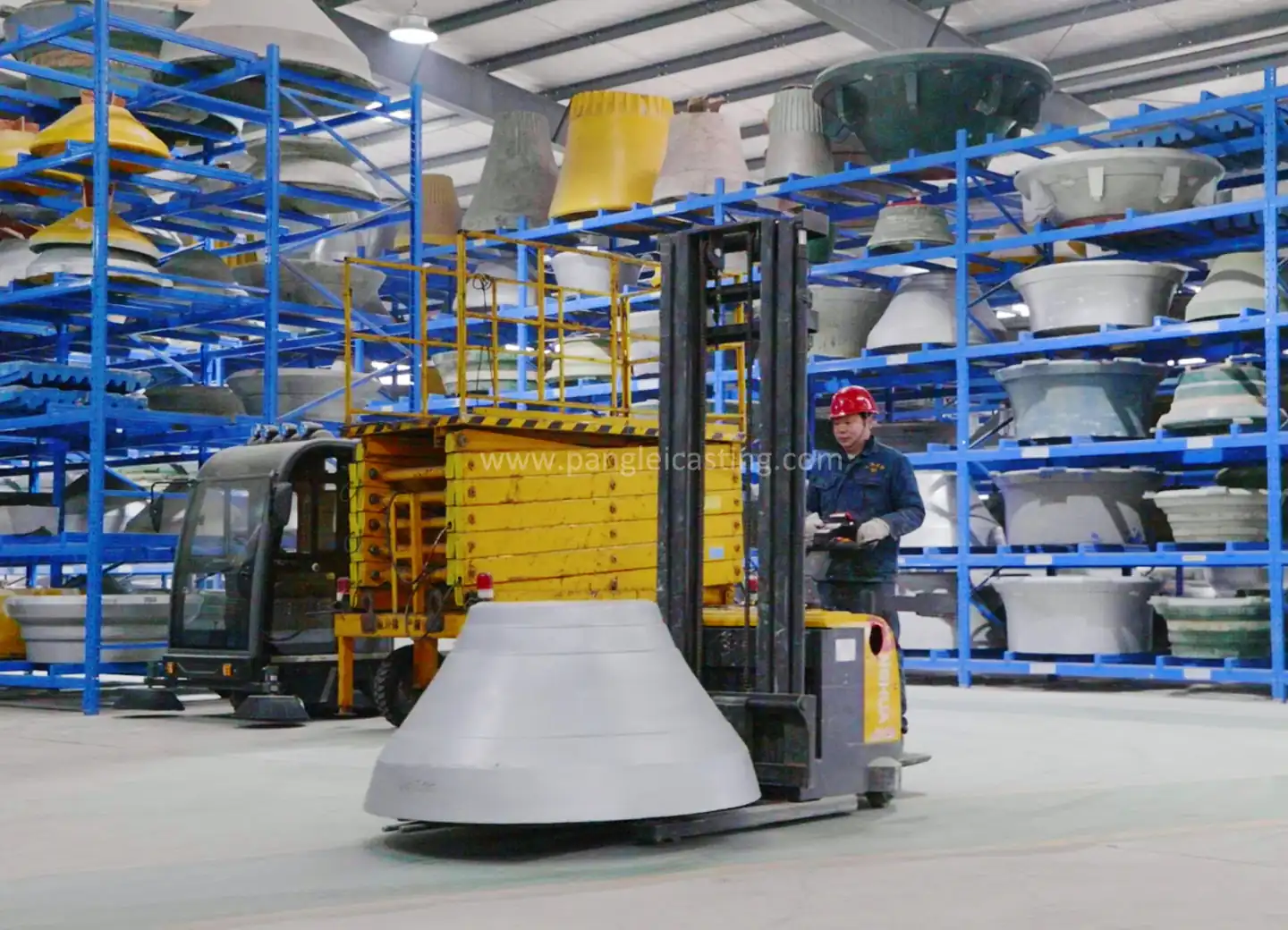
Casting Process Simulation System predicts how the metal fills the cavity and, more importantly, the order in which it solidifies. The last region to solidify is where shrinkage collects, and the objective is to place that region in a riser rather than in the part.
For a bowl liner or a grinding roller with heavy and light sections in one casting, that is not obvious by eye.
Then The Mould
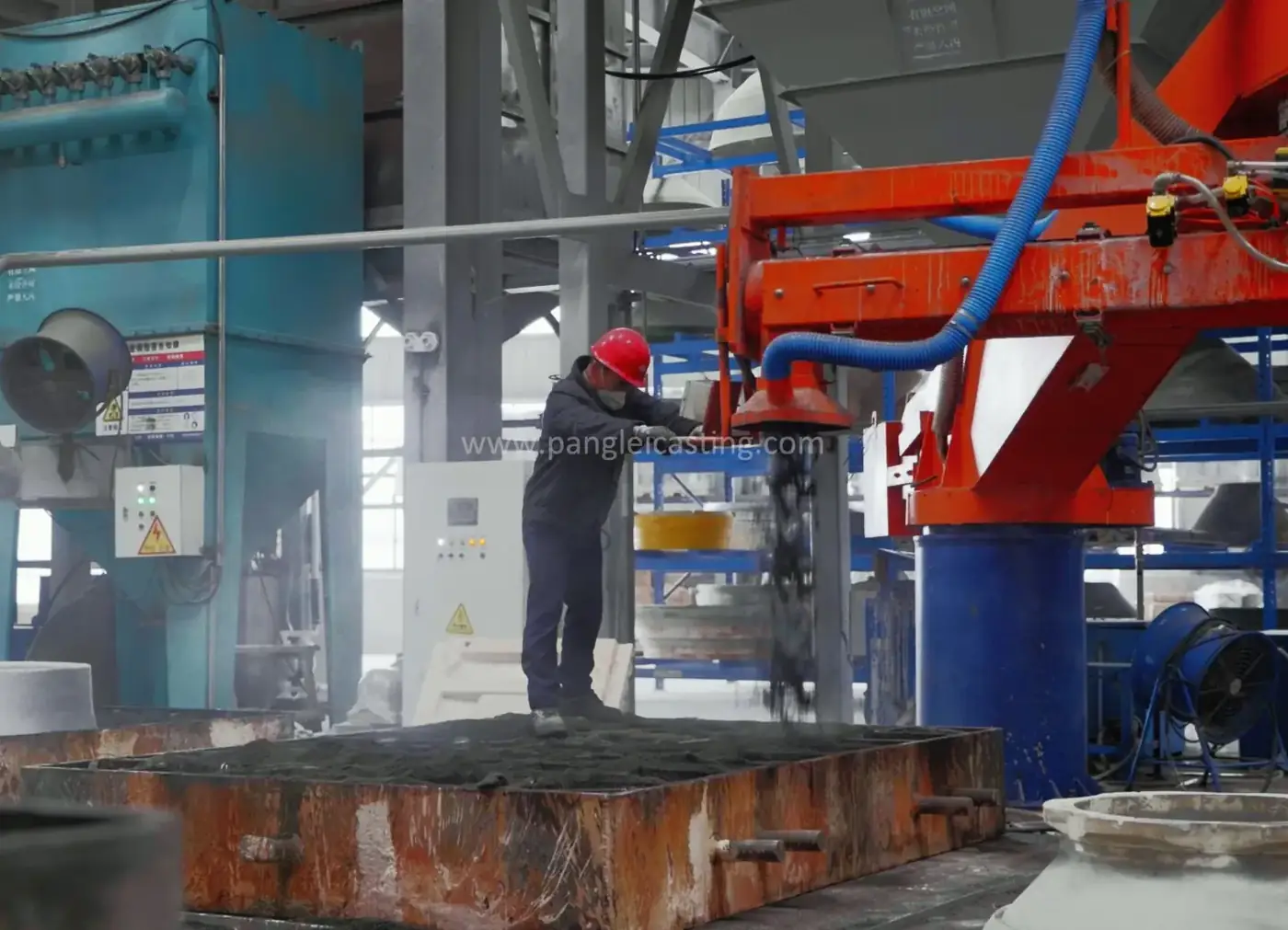
After simulation, the sand moulds are made. The cavity is kept as solid and as clean as possible, because inclusions come from mould material breaking away during the pour — a clean cavity is the only defence.
Bottom-pouring ladles are used throughout, which fills the cavity from below rather than dropping metal through air where it can pick up oxide.
And Then Verification
- Raw materials for melting are purchased to a high standard, and temperature is controlled throughout the pour to achieve a fine grain structure.
- Samples are taken to verify the material analysis and adjusted if necessary. Inspected samples are retained for at least three years for traceability.
- Where the casting warrants it, ultrasonic testing, magnetic particle testing and dye penetrant inspection are carried out in our own laboratory.
Why It Matters To A Buyer
Simulation is invisible in the finished part, which is exactly the problem — a casting with internal porosity looks identical to a sound one until it fails.
The design tools behind it here are Solidworks and CAD, a 3D scanner for reverse engineering, and CPSS for the pour itself.
Parts This Guide Applies To
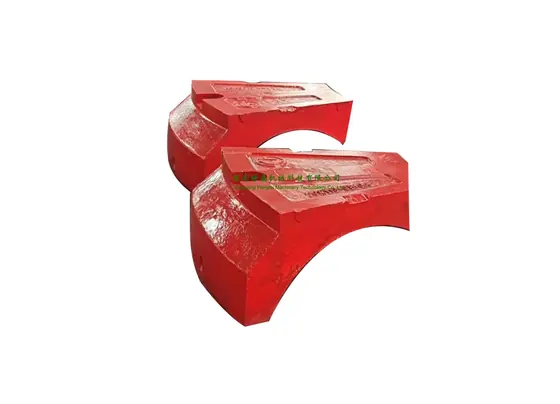
Reverse Engineered Wear Castings
From a worn part with no drawing to a repeatable casting
View Part →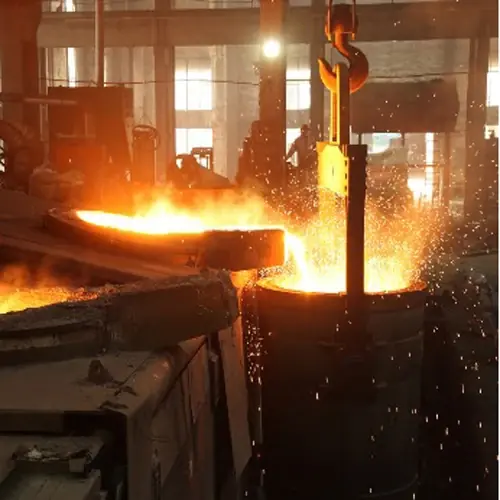
Grinding Roller
Mill grinding rollers supplied to the Chinese electric power industry
View Part →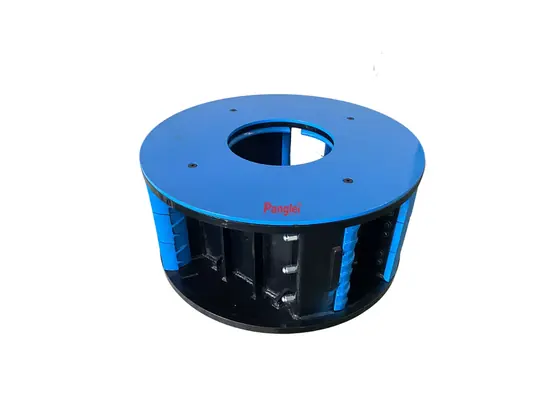
VSI Rotor Body And Frame
Complete rotor bodies for Barmac type and CV series machines
View Part →Other Reading In The Knowledge Centre
Manganese Steel Grades For Crusher Wear Parts Explained
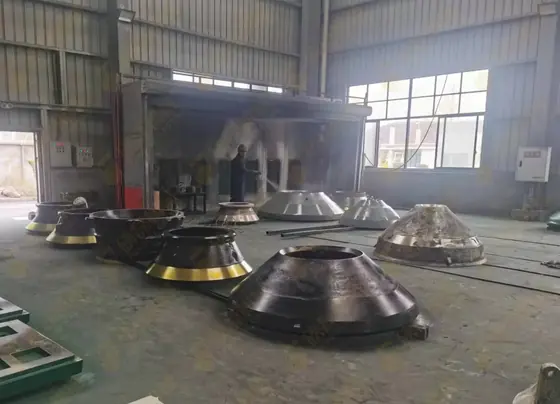
Mn13 through Mn22Cr3 — what the manganese and chromium content actually changes, and how to pick a grade from your feed rather than from a catalogue.
Read Guide →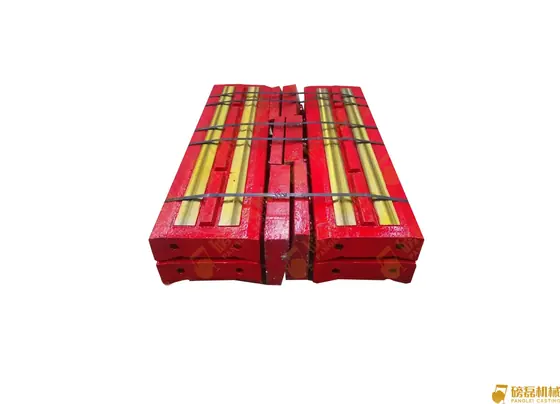
How To Choose Blow Bar Material For An Impact Crusher
Manganese, 20% chrome, 26% chrome, ceramic inserts or TIC — a decision that comes down to one question about your feed.
Read Guide →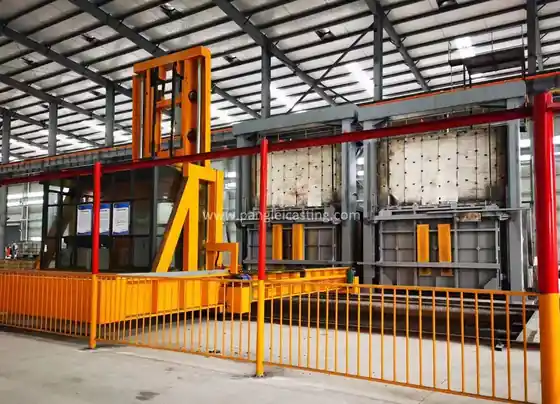
Heat Treatment Of Crusher Wear Castings And Why 30 Seconds Matters
Solution treatment and quenching decide whether a manganese casting is tough or brittle. The controls that make the difference are simple and unforgiving.
Read Guide →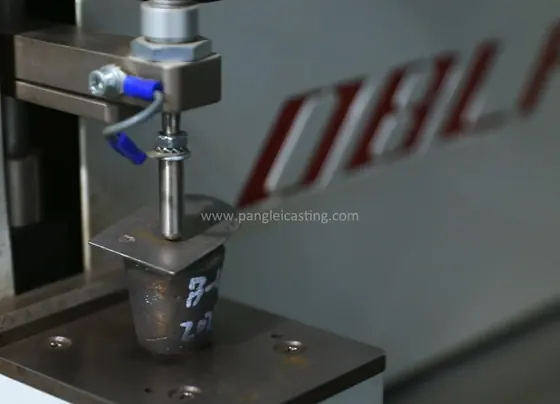
The Inspection Procedures Behind A Crusher Wear Casting
Which tests are standard, which are on request, and what each one actually tells you about the part you are buying.
Read Guide →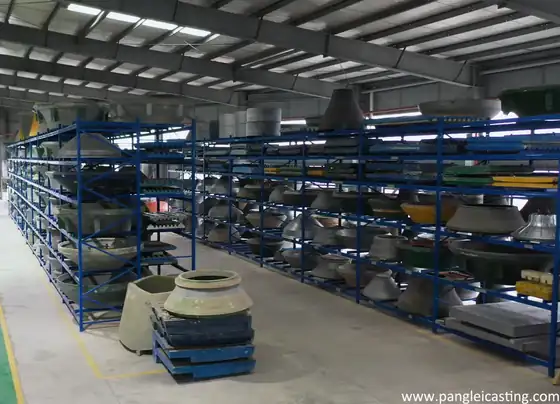
Reducing Crusher Downtime With Ready Made Patterns And Stocked Parts
Lead time on a wear part is mostly pattern time and scheduling. Both can be removed, and the difference is measured in days rather than weeks.
Read Guide →Questions About This Guide
Is simulation run on every part?
It is run before sand moulds are made, as part of the standard process, and it is particularly valuable on new or reverse-engineered geometries.
Can you show simulation results?
Discuss it with your enquiry. For bespoke and OEM programmes the simulation result is normally reviewed before the pattern is finalised.
Does this apply to repeat parts?
Once a pattern and a proven pouring arrangement exist, the simulation work has already been done for that geometry.
Apply This To Your Own Machines
Send the machine, the feed description and the wear life you get now, and we will make a specific recommendation rather than a general one.