
Reverse Engineering And 3D Scanning
From a worn part with no drawing to a repeatable casting
What This Covers
Most obsolete wear parts have no drawing — only the worn component. Our 3D scanner, Solidworks and CAD modelling and our own pattern shop turn that component back into production tooling, and CPSS is run before any mould is made.
How The Work Actually Runs
Every stage below happens inside our own works, under one QC department, which is why a problem found at one stage can still be corrected at the next.
Assessment
Send photographs and main dimensions. We confirm whether the part is within our casting and machining envelope before anyone ships anything.
Scanning
The worn part is 3D scanned in our works, or we visit your site where the component cannot be removed.
Modelling
Solidworks and CAD are used to rebuild the original geometry from the scan, compensating for the wear present on the sample.
Simulation
Casting Process Simulation System predicts shrinkage and inclusion risk before the pattern is finalised.
Pattern making
The pattern is built in our own shop, so tooling is neither subcontracted nor delayed.
Casting and machining
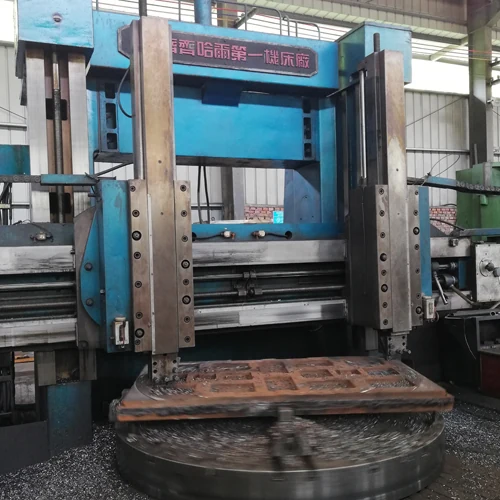
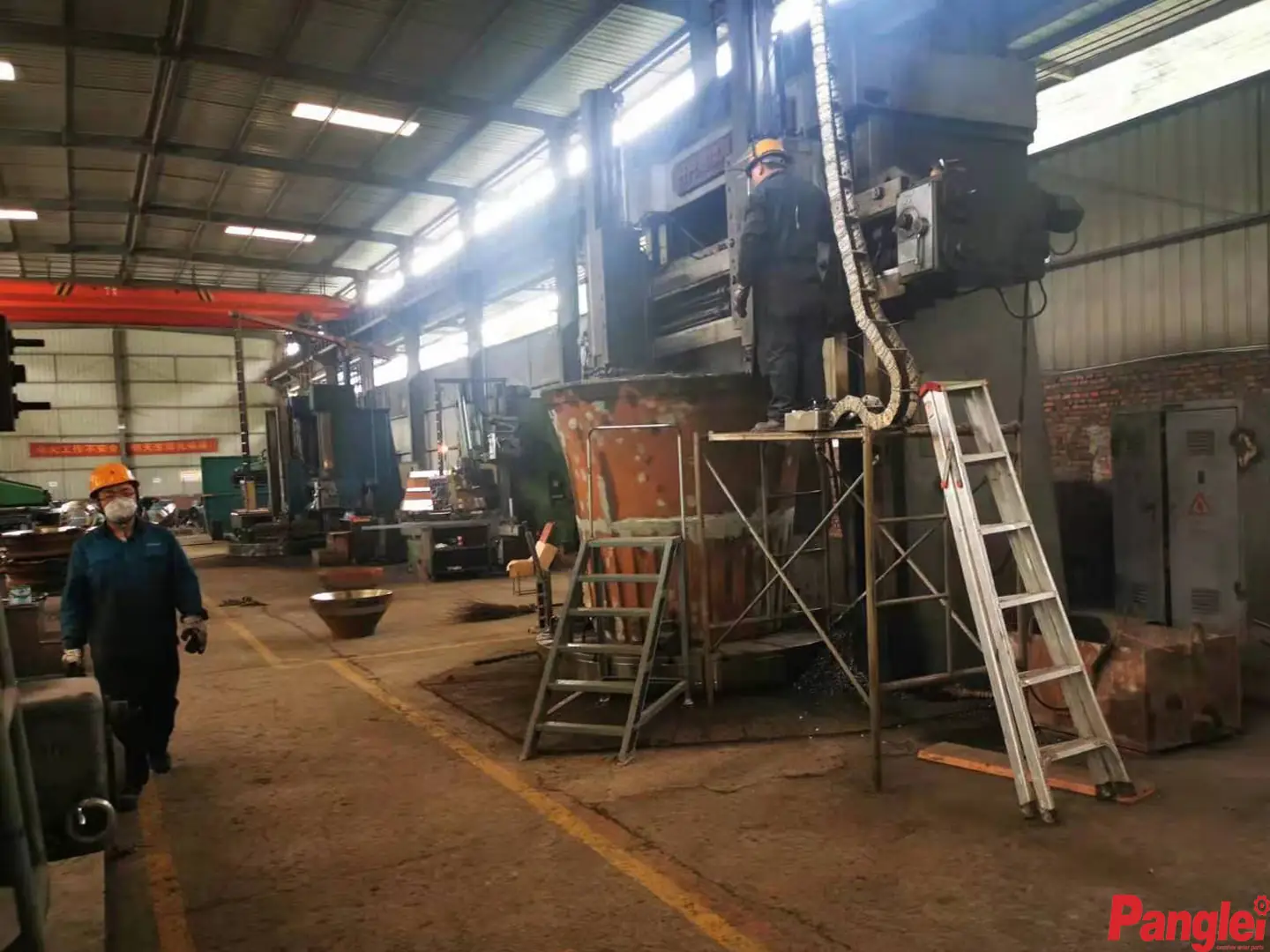
Poured in the specified wear alloy, heat treated, then machined in house on vertical lathes to Ø3.4 m and gantry mills.
Inspection
Chemical analysis and dimensional inspection as standard, with NDT if specified, and the pattern retained for repeat orders.
Equipment That Makes This Possible
- 5 t intermediate frequency furnace × 2 sets
- Maximum casting weight up to 10 tonnes
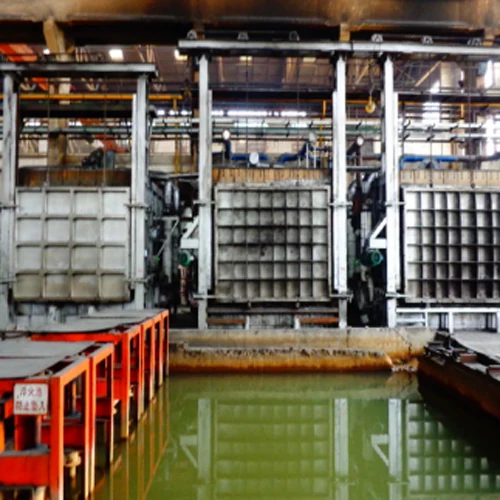
- 2,000 m³ heat treatment pool with underwater circulating and stirring system
- Vertical lathe × 12 sets — Ø3.4 m × 1, Ø2.5 m × 2, Ø2 m × 3, Ø1.6 m × 5, Ø1.25 m × 1
- Casting Process Simulation System (CPSS)
- German-made OBLF direct-reading spectrometer
Parts Most Often Handled This Way
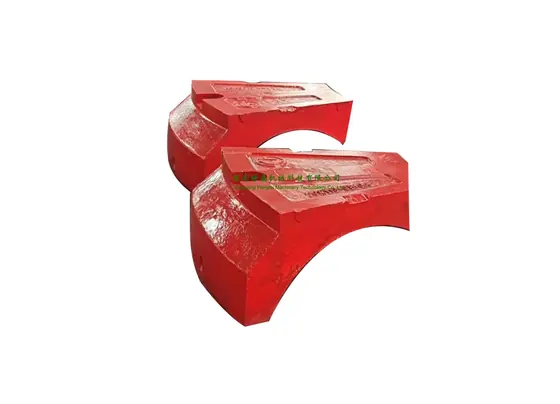
Reverse Engineered Wear Castings
From a worn part with no drawing to a repeatable casting
View Part →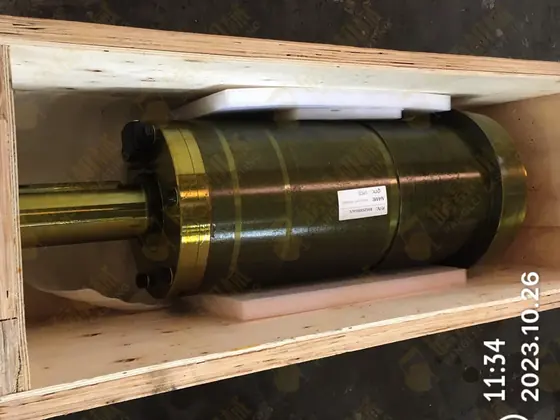
Main Shaft Assembly
Complete main shaft assemblies supplied to European customers
View Part →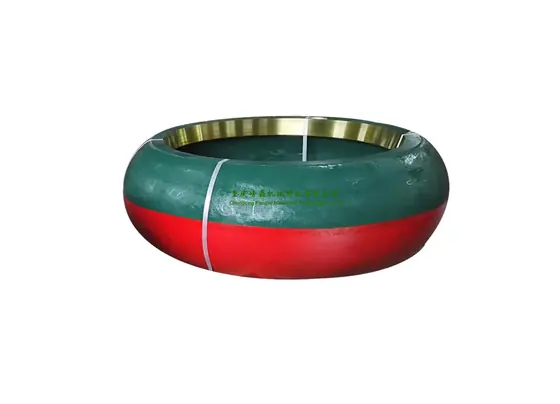
Corrugated Surface Roller Shell
Corrugated faces cast to your existing profile, not substituted with a standard pattern
View Part →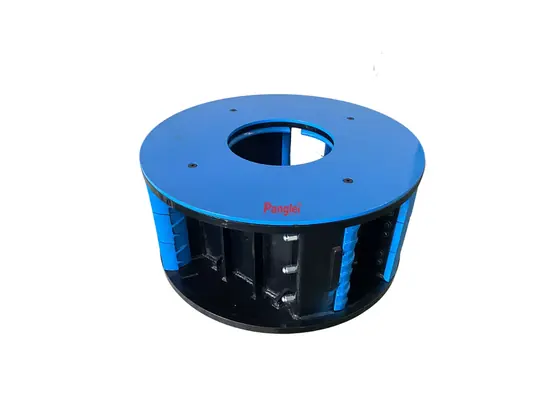
VSI Rotor Body And Frame
Complete rotor bodies for Barmac type and CV series machines
View Part →Reverse Engineering And 3D Scanning Questions
How accurate is a part rebuilt from a worn sample?
The scan captures the worn geometry; the modelling step restores the original dimensions. Where the wear is severe we ask for a drawing or a less worn example to confirm critical features.
Can you scan on our site?
Yes. Site 3D scanning is offered where the part cannot be removed or shipped.
Do you keep the pattern for repeat orders?
Yes. Once a pattern exists, repeat orders skip pattern making entirely.
Put Reverse Engineering And 3D Scanning To Work On Your Part
Send what you have — a drawing, a part number, or a photograph of the worn component with its main dimensions. We will tell you what is possible before anyone ships anything.