What Cavitation Actually Does
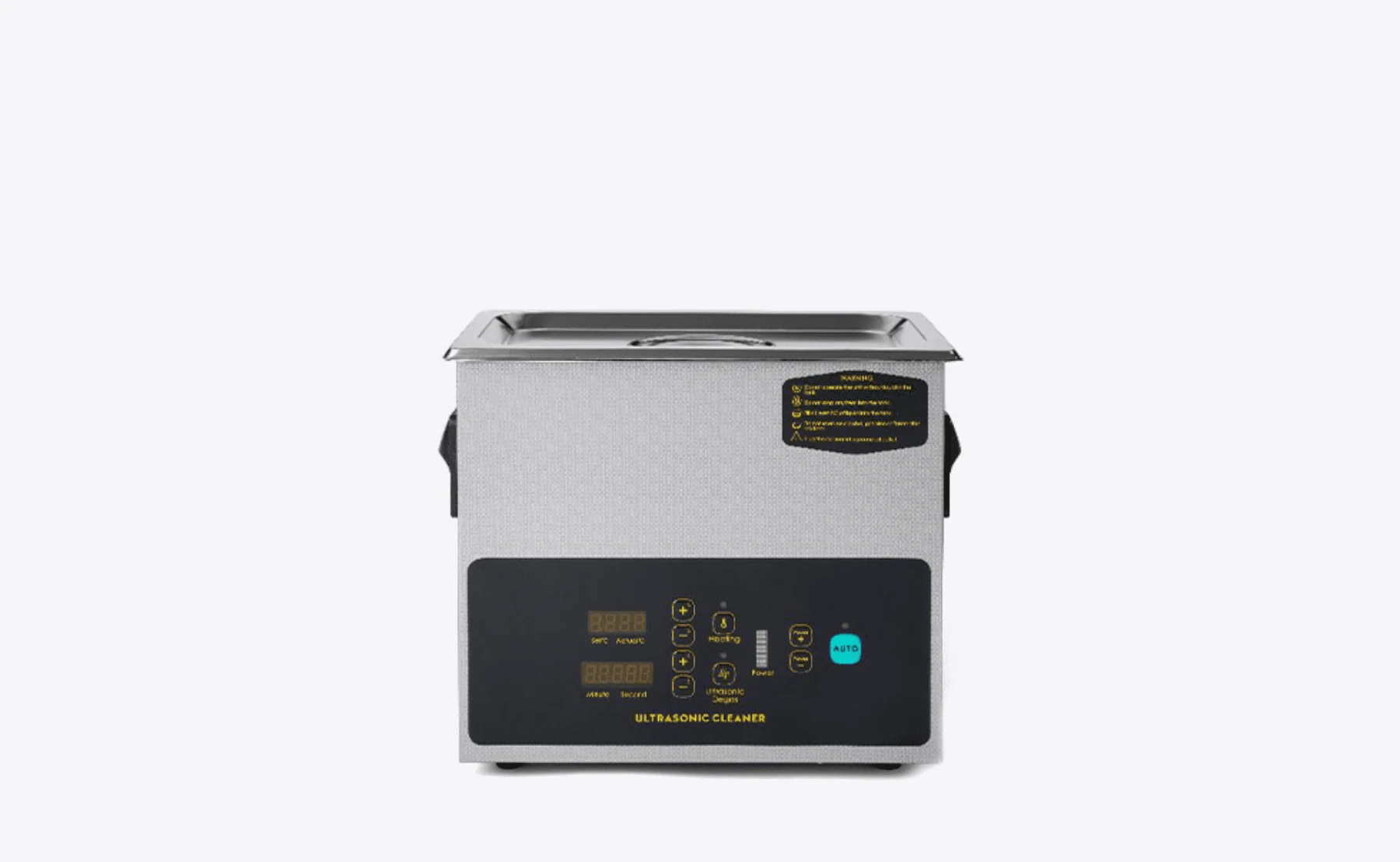
An ultrasonic cleaner drives the solution at a frequency the ear cannot hear - 40 kHz on the Meto range - creating microscopic bubbles that form and collapse against every surface in the tank.
Each collapse is a tiny scrubbing action, and it happens everywhere the solution reaches. That is the point: it reaches the inside of a hinge, the bottom of a serration and the length of a lumen, which is exactly where a brush does not go and where soil is invisible.
Why This Stage Decides The Outcome
Sterilization kills what the steam reaches. It does not remove debris, and it does not reach under a film of dried blood, saliva or cement.
An instrument that goes into the chamber dirty comes out dirty and sterilized, which is not the same as safe. It is also harder to notice, because the cycle completed normally and the record looks correct.
Loading And Running The Tank
Most cleaning problems are loading problems rather than machine problems.
Instruments need solution around them. Stacking them shields the surfaces underneath from the cavitation and produces exactly the outcome you were trying to avoid.
- Open every hinged instrument before it goes in
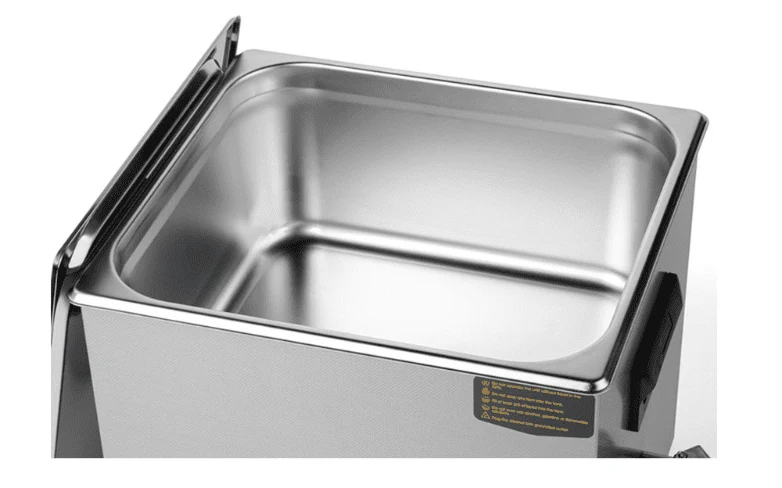
- Use the basket - instruments resting on the tank floor damp the cavitation
- Do not stack or overfill, and do not let items lie on top of each other
- Let the heater bring the solution to the detergent's working temperature
- Rinse and dry after the cycle, or the pouch will not seal cleanly
- Change the solution on schedule rather than when it looks dirty
Sizing The Tank
The Meto range runs from 3 L to 30 L. Size on batch rather than practice size: the tank has to take everything that comes back from one session without stacking, because stacking is what breaks the cleaning.
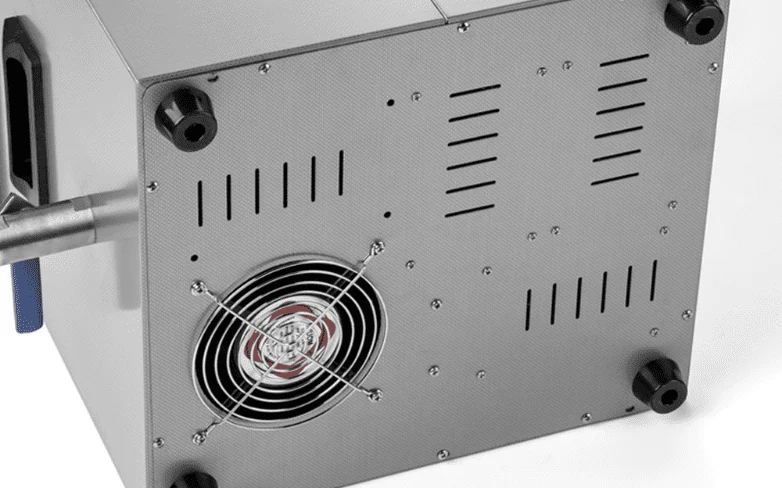
Larger tanks in the range add features the smallest ones do not carry, including the drainage system and additional heat dissipation on models of 6 L and above, which matters if the machine runs repeatedly through a day.
Where It Fits In The Room
The ultrasonic cleaner belongs at the dirty intake end of the bench, before the sealer and the sterilizer. Instruments should move in one direction from there and never come back.
That layout is not bureaucracy. It is the simplest way to make sure a cleaned instrument is never put down where a dirty one has just been.