Sterilization equipment for clinics that reprocess on site
Dentistry clinic using Joident sterilization equipment

Sterilization For Dental Practices And Stomatology Departments

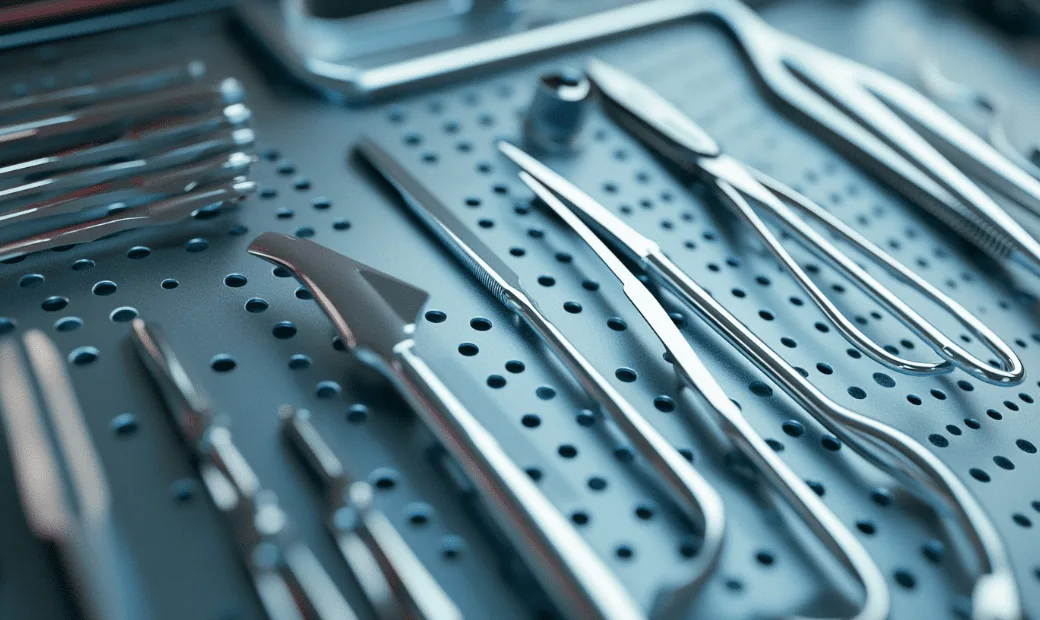
Joident's steam sterilizers are designed for the Department of Stomatology, where consistent sterility is required across a range of instruments and materials used in daily dental procedures. The equipment supports a complete reprocessing workflow, from cleaning to sterilization, ensuring compliance with hygiene standards and reducing the risk of cross-infection.
Pain Points

What Slows A Dental Reprocessing Room Down

  • Manual sterilization processes increase the risk of human error and inconsistent cycle records
  • Instruments used in oral surgery and endodontics require sterilization that reaches all surfaces, including hollow lumens
  • Reusable molds and impression trays must be sterilized without damage to their surface or structure
  • Gauze, bandages and other dressings must be sterilized before contact with wounds
  • Cross-infection between patients remains a concern when sterilization protocols are not fully traceable
  • Small reprocessing rooms in clinics lack space for multiple standalone machines
Instrument reprocessing for dentistry

What This Sector Needs

  • A Class B steam sterilizer capable of processing wrapped and hollow instruments
  • A system that integrates with ultrasonic cleaning, water distillation, and thermal sealing
  • Traceable cycle records for compliance audits and inspection readiness
  • Compact equipment that fits in limited reprocessing space
  • Reliable sterilization of small endodontic tools, syringes, and surgical instruments
  • Consistent water quality input to prevent scale buildup and maintain machine longevity

Typical Scenarios

  • Sterilizing endodontic files and irrigation needles after root canal treatment
  • Processing impression trays and occlusal plates between patient appointments
  • Preparing surgical packs with scalpels, scissors and sutures for oral surgery
  • Ensuring gauze and bandages used in dental extractions are sterile before application
  • Running a daily cycle test before the first patient load to confirm system readiness
  • Maintaining a sterile environment in a clinic with limited reprocessing space
Process

How A Dental Instrument Comes Back Into Use

1

Instruments are cleaned in a Meto ultrasonic cleaner to remo

Instruments are cleaned in a Meto ultrasonic cleaner to remove debris and organic matter

2

Cleaned instruments are wrapped in sterilization pouches or

Cleaned instruments are wrapped in sterilization pouches or placed in reels using a Seal thermal sealer

3

Distilo water distillers supply low-conductivity water to th

Distilo water distillers supply low-conductivity water to the sterilizer to prevent scale

4

The sterilizer is loaded with wrapped or hollow instruments,

The sterilizer is loaded with wrapped or hollow instruments, ensuring proper placement

Recommended Equipment

Feed Water Is Why Sterilizers Fail Early
Water Distiller

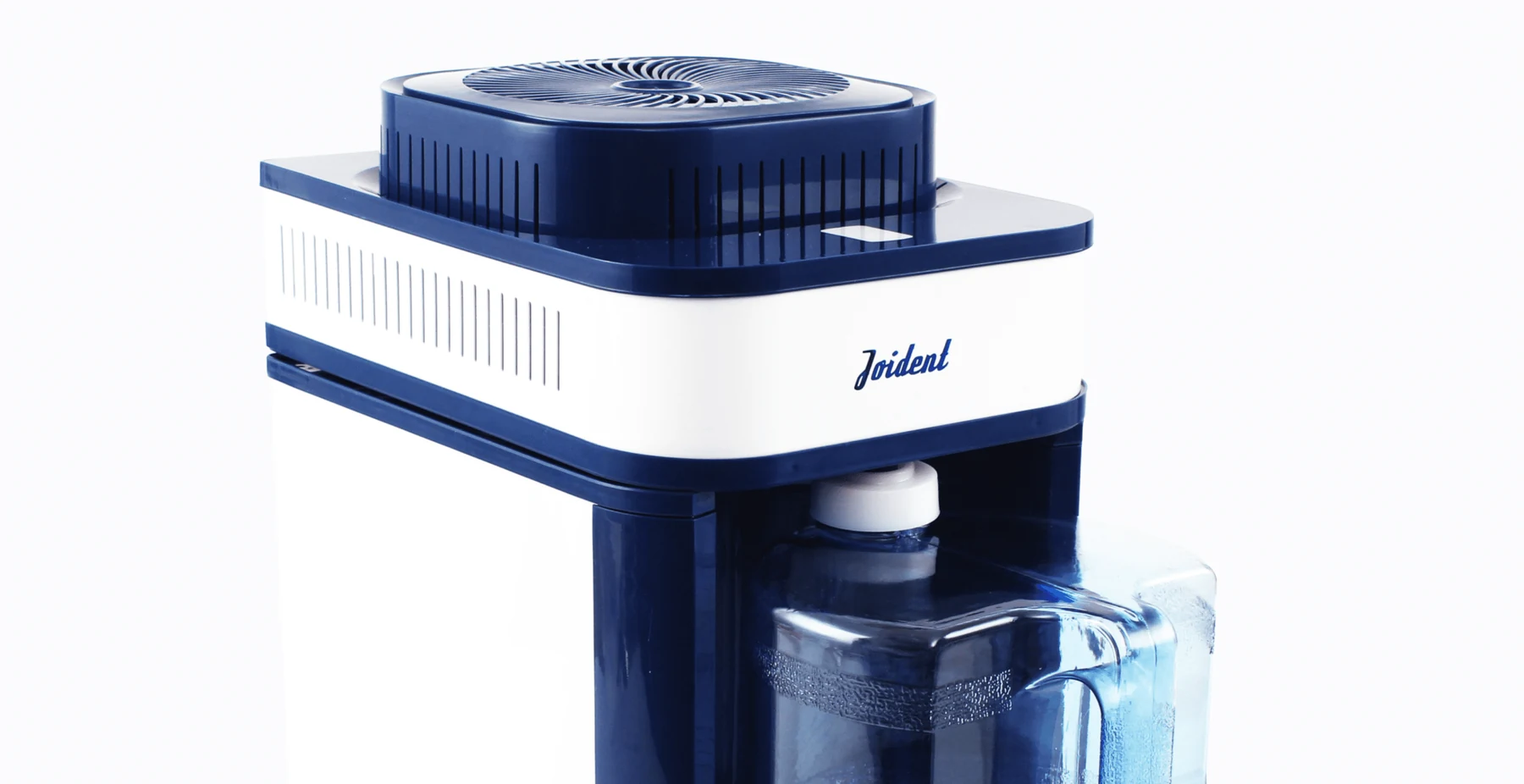
Distilo

The Distilo water distiller produces low-conductivity water for sterilization and instrument reprocessing in s.
Pouch Sealing And Cycle Traceability
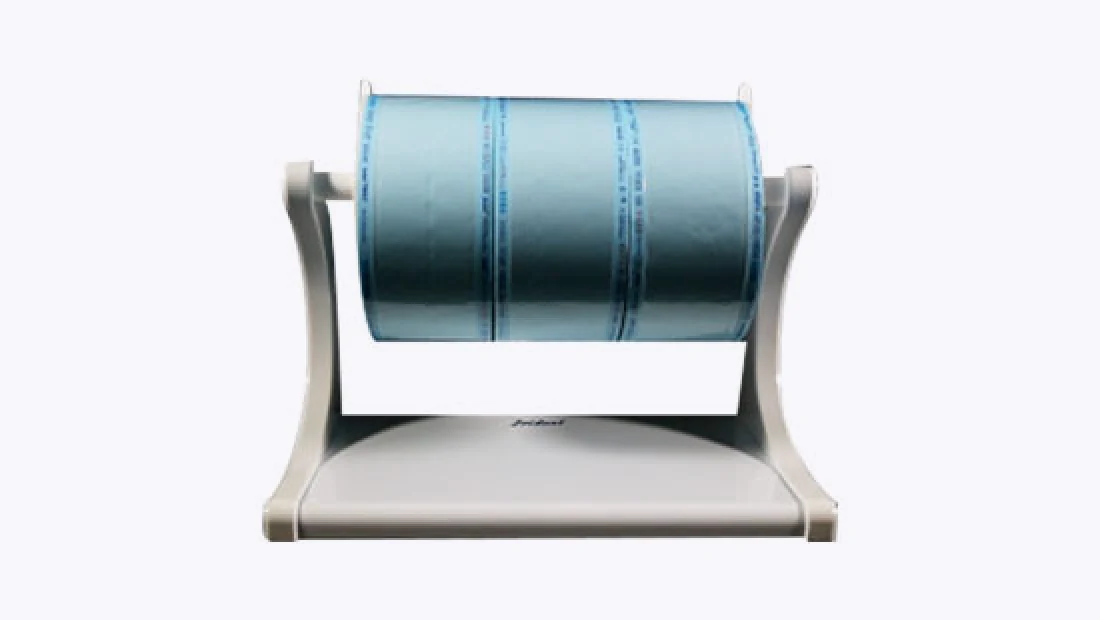
Thermal Sealer

Seal

The Seal thermal sealer is designed for clinics that need reliable, consistent sealing of sterilization pouche.

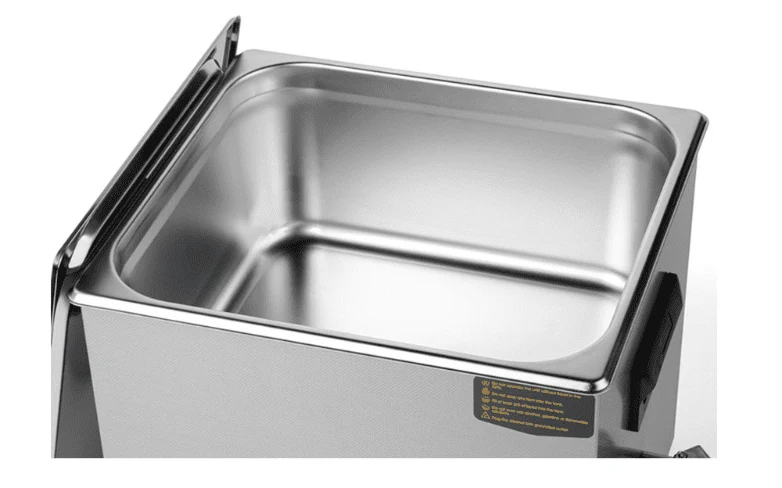
Ultrasonic Cleaning Before Sterilization
Ultrasonic Cleaner

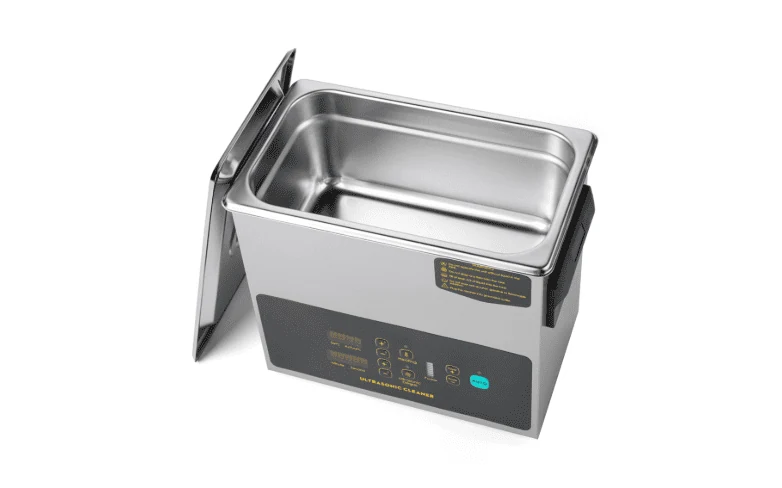
Meto 30

The Meto 30 is a 30 L medical ultrasonic cleaner designed for high-volume instrument cleaning in hospitals, su.

Delivery

What Joident Delivers To A Dental Practice

Equipment arrives fully assembled and tested at the factory

All units are aged tested before shipment, with a test programme measured in days

Documentation includes operating instructions, safety guidelines, and conformity statements

The machine is shipped with a standard power cord and plug compatible with local voltage

No on-site installation is required; the unit is ready to operate after unpacking and water connection

The sterilizer is designed to operate on single-phase 230 V supply, common in dental clinics

FAQ

Dentistry Sterilization Questions

What types of dental instruments can be sterilized in a Class B steam sterilizer
Class B sterilizers can process wrapped instruments, hollow handpieces, endodontic files, syringes, scalpels, forceps, probes, and impression trays, ensuring all surfaces including lumens are sterilized.
Why is fractionated vacuum important for dental instrument sterilization
Fractionated vacuum removes air from wrapped and hollow loads, allowing steam to penetrate all surfaces and achieve sterility in instruments that would otherwise retain air.
Can the sterilizer process dental molds and impression trays
Yes, impression trays, occlusal plates, and other dental molds can be sterilized in the chamber, provided they are cleaned and placed properly to avoid blocking steam flow.
What water quality is required for the sterilizer
Feed water must meet EN 13060 Annex C, with conductivity below 5 microsiemens per centimetre. Distilled water from a Distilo water distiller meets this requirement.
How are cycle records stored for compliance
Every cycle is automatically recorded to SD card or USB. A built-in or external printer can also generate a paper record if needed.
Is the sterilizer suitable for small clinics with limited space
Yes, the sterilizer fits in compact reprocessing areas, with a footprint of 685 x 438 mm and a height of 405 mm, suitable for small back rooms.
Can the sterilizer be used for surgical instruments in oral surgery
Yes, surgical instruments such as scalpels, scissors, and suture needles can be sterilized in the chamber, meeting the sterility requirements for oral surgery.

Specify A Dental Reprocessing Room

Send the number of chairs and what you reprocess and we will size all four stages, not just the autoclave.