Sterilization equipment for clinics that reprocess on site
Veterinary clinic using Joident sterilization equipment

Sterilization For Veterinary Practices

Joident's steam sterilizers support veterinary clinics and hospitals in maintaining strict hygiene standards during surgical procedures and daily operations. They are designed to sterilize surgical instruments, dressings, reusable equipment, storage containers, laboratory supplies, and biological waste using high-temperature, high-pressure steam. The system integrates with water distillers, ultrasonic cleaners, and thermal sealers to form a complete reprocessing loop, ensuring every item is safe before use or disposal.
Pain Points

What Veterinary Practices Deal With

  • Manual sterilization methods risk incomplete decontamination, increasing infection risk in animals and staff
  • Lack of traceable records makes compliance with veterinary hygiene standards difficult during audits
  • Small or mid-sized clinics often lack space and staff to manage multiple sterilization steps manually
  • Using tap water in sterilizers leads to scale buildup, reducing equipment lifespan and cycle effectiveness
  • Sterilizing storage containers and lab supplies separately adds time and complexity to the reprocessing workflow
Instrument reprocessing for veterinary

What This Sector Needs

  • A reliable Class B steam sterilizer that processes wrapped and hollow instruments, including surgical trays and syringes
  • Integration with a water distiller to supply low-conductivity water and prevent boiler scaling
  • A consistent reprocessing workflow from cleaning to sterilization, with automated cycle logging
  • Equipment that fits in limited space and operates with minimal staff training
  • Compliance with veterinary hygiene standards through documented sterilization cycles and material safety

Typical Scenarios

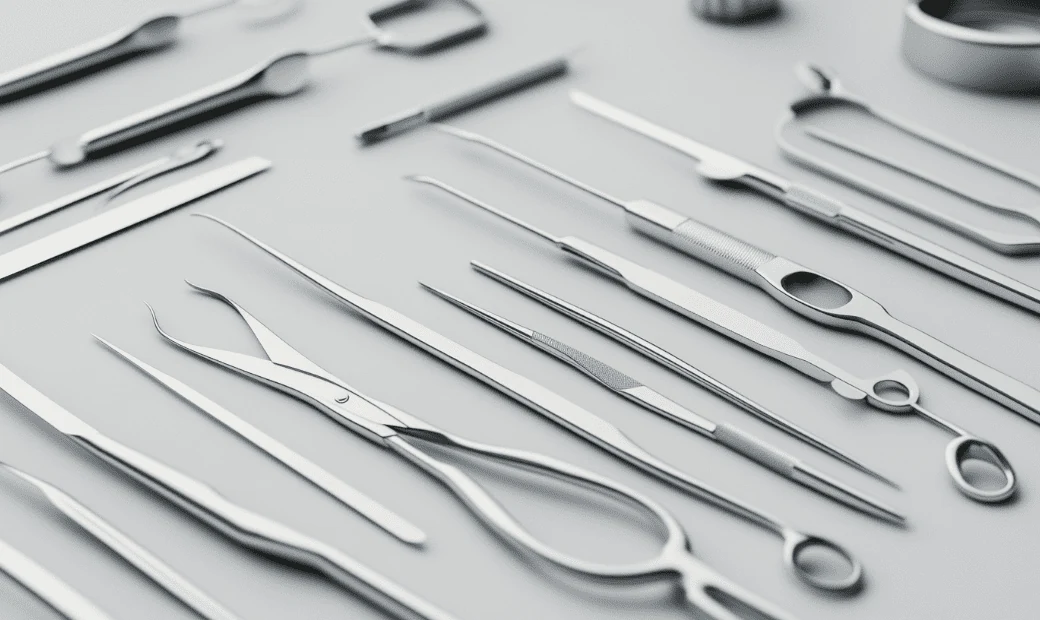
  • Sterilizing surgical instruments including scalpels, forceps, scissors, and suture needles before each procedure
  • Preparing sterile gauze, bandages, surgical gowns, and caps for use in wound care and surgery
  • Reprocessing reusable syringes, catheters, and drug dispensers between animal treatments
  • Sterilizing instrument trays and storage cases to maintain sterility until next use
  • Processing laboratory items such as test tubes, Petri dishes, and culture media to prevent contamination
  • Disposing of biological waste like used dressings and surgical instruments by sterilizing them first
Process

Reprocessing In A Veterinary Practice

1

Cleaning

instruments and equipment are cleaned in a Meto ultrasonic cleaner to remove organic and inorganic debris

2

Water supply

distilled water from a Distilo water distiller is used to fill the sterilizer's clean water tank

3

Wrapping

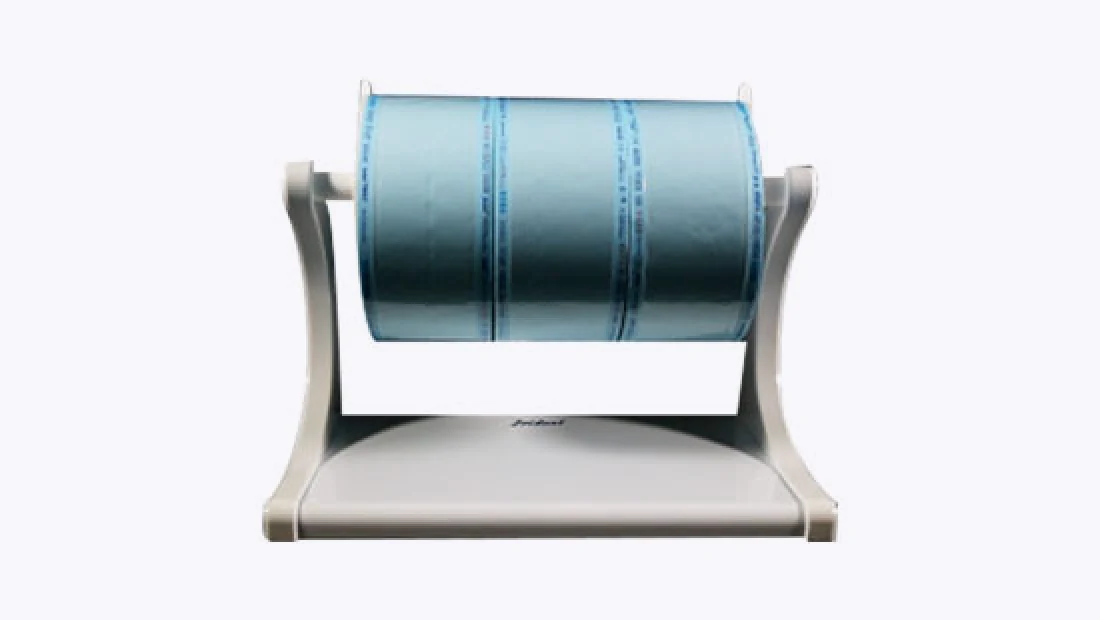
items are sealed in pouches or on reels using a Seal thermal sealer, with cycle date visible on the seal

4

Sterilization

the load is processed in a Novo Pro steam sterilizer using a Class B fractionated vacuum cycle

Recommended Equipment

Feed Water Is Why Sterilizers Fail Early
Water Distiller

Distilo

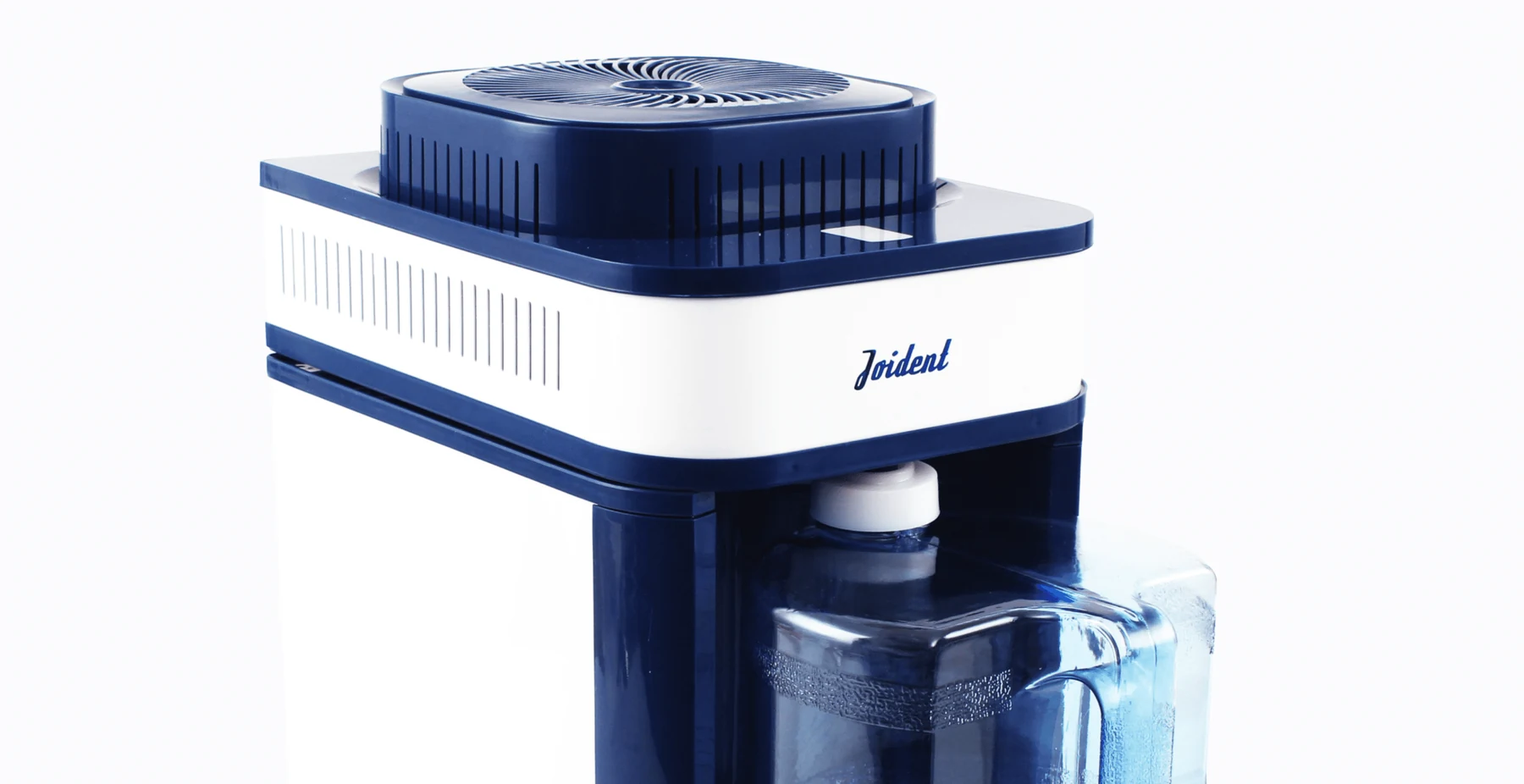
The Distilo water distiller produces low-conductivity water for sterilization and instrument reprocessing in s.
Pouch Sealing And Cycle Traceability
Thermal Sealer

Seal

The Seal thermal sealer is designed for clinics that need reliable, consistent sealing of sterilization pouche.

Ultrasonic Cleaning Before Sterilization
Ultrasonic Cleaner

Meto 30

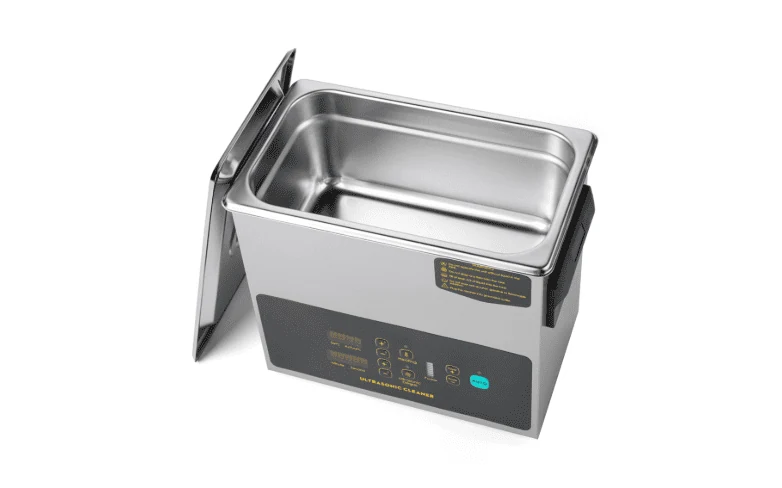
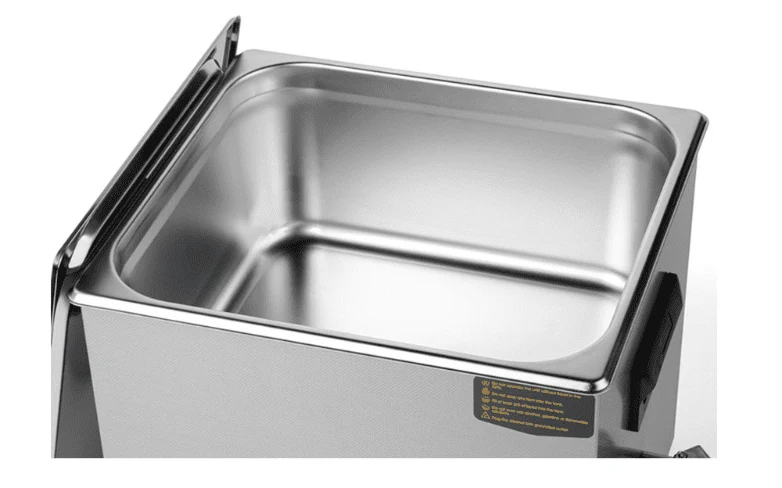
The Meto 30 is a 30 L medical ultrasonic cleaner designed for high-volume instrument cleaning in hospitals, su.

Delivery

What Joident Delivers To A Veterinary Practice

The sterilizer is delivered with a complete reprocessing system, including integration with water distillers, ultrasonic cleaners, and thermal sealers

All equipment is designed to fit in small clinical spaces and operate with minimal setup

Cycle data is recorded automatically and stored on removable media, supporting compliance without manual logging

The system supports both single-use and reusable items across surgical, lab, and treatment areas

No external certifications beyond those listed in verified evidence are claimed or implied

FAQ

Veterinary Sterilization Questions

What types of items can be sterilized in a Joident steam sterilizer
Surgical instruments, dressings, bandages, reusable equipment like syringes and catheters, instrument trays, lab supplies, and biological waste can all be sterilized using high-temperature, high-pressure steam.
Why is distilled water required for the sterilizer
Distilled water with conductivity below 5 microsiemens per cm prevents scale buildup in the boiler and chamber, ensuring long equipment life and consistent sterilization performance.
Can the sterilizer process wrapped and hollow instruments
Yes, the Class B fractionated vacuum cycles in Joident sterilizers remove air from wrapped loads and hollow instruments, ensuring complete sterilization.
How are cycle records kept for compliance
Every cycle is automatically saved to SD card or USB. A built-in or external printer can also produce a paper record for audit or inspection.
What is the role of the water distiller in the system
The Distilo water distiller supplies low-conductivity water to the sterilizer, preventing scale and maintaining the integrity of the steam generation system.
Can the system be used in a small veterinary clinic
Yes, the equipment is designed for small and mid-sized clinics with limited space. The reprocessing loop fits in a compact room and operates with minimal staff training.
Are the sterilizers suitable for laboratory use
Yes, the sterilizers can process lab supplies such as test tubes, Petri dishes, culture media, and experimental instruments, ensuring contamination-free results.

Specify A Veterinary Reprocessing Room

Tell us your surgery volume and pack sizes and we will size the chamber and the cleaning stage together.