Why The Sequence Matters More Than Any One Machine
Reprocessing is a chain, and the practice is only as protected as its weakest link. A perfect Class B cycle cannot rescue an instrument that still has cement in a hinge, and a perfectly cleaned instrument is wasted if the pouch opens in the drawer three weeks later.
The four stages below are the ones a small practice actually carries out. Each has one machine behind it.
Stage One - Cleaning
Soil that is still on an instrument when it enters the chamber shields the surface underneath it. Sterilization does not remove debris, it only kills what the steam can reach.
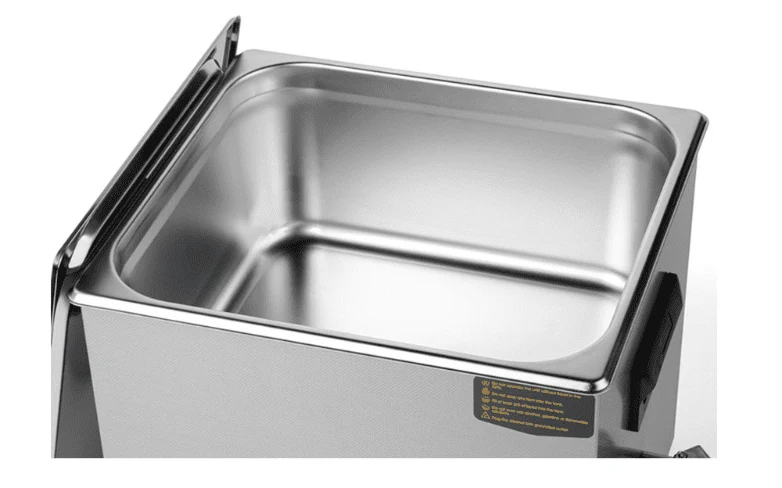
Ultrasonic cleaning works by cavitation - microscopic bubbles collapsing against the surface, including inside hinges and lumens that a brush cannot reach. The Meto range runs at 40 kHz, with heating so the solution reaches the temperature the detergent was designed for.
- Open hinged instruments before they go in the basket
- Do not overload - instruments need solution around them, not each other
- Rinse and dry before wrapping, or the pouch will not seal cleanly
- Change the solution on the schedule, not when it looks dirty
Stage Two - Feed Water
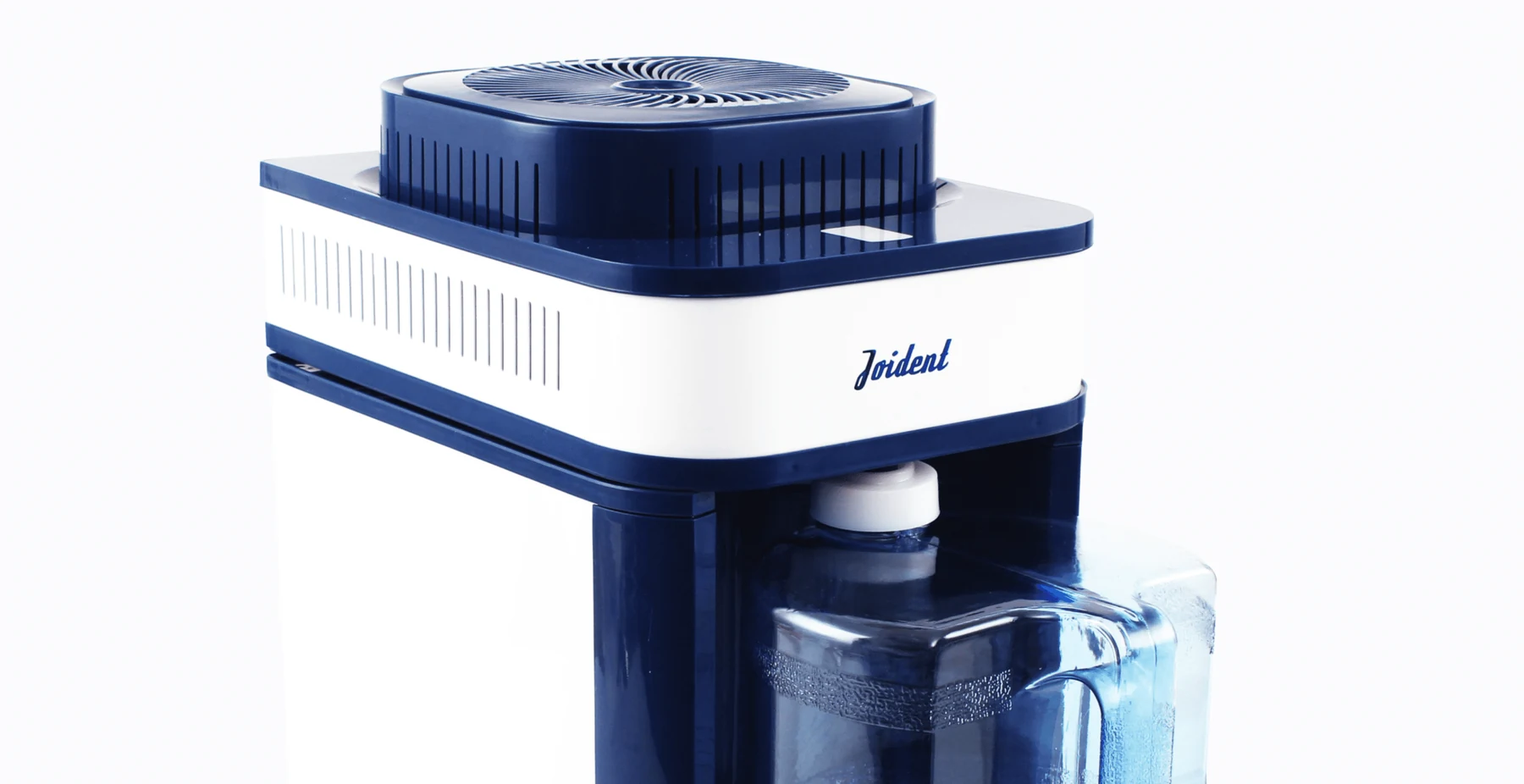
The sterilizer needs water below 5 microsiemens per centimetre under EN 13060 Annex C. This stage has no visible output, which is exactly why it is the one most often skipped.
A distiller on the bench removes the decision from whoever is refilling the tank on a busy afternoon.
Stage Three - Wrapping
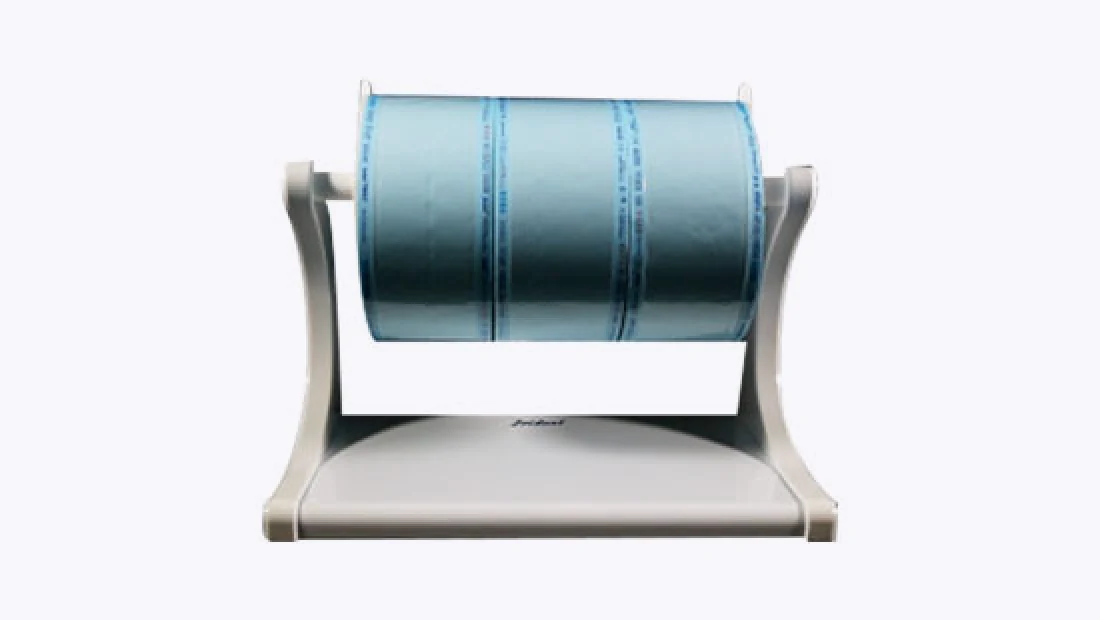
A pouch is what keeps an instrument sterile between the chamber and the patient. The seal is the part of it that fails, and it fails silently.
A thermal sealer produces a seal of consistent width and temperature every time, which is not something a hand held iron can promise. Date the pouch as you seal it so storage time is visible on the packet rather than remembered.
Stage Four - Sterilization And The Record
Load the chamber so steam can circulate. Pouches lie flat, paper side up, not touching the chamber wall, and the carrier is not packed past its tray count.
Choose the programme that matches the load rather than the one that finishes soonest, and use extra drying for dense assemblies. Then let the machine write the record. Cycle data going to SD card or USB as the cycle runs is the evidence an inspection asks for, and it costs nobody any time.
After The Cycle
Do not stack pouches while they are still warm, and do not store anything damp. Damp packs have to be reprocessed, which costs a cycle and the half hour around it.
Store sterile packs away from the dirty intake area. The point of a one way layout is that an instrument never crosses back over its own path.