Sterilization equipment for clinics that reprocess on site
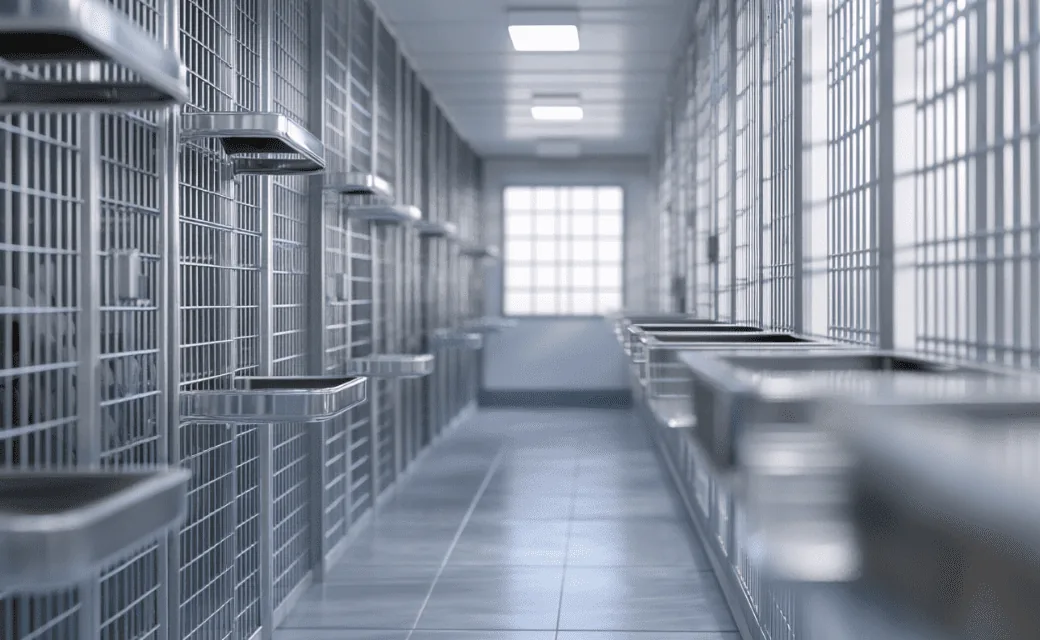
Laboratory clinic using Joident sterilization equipment

Sterilization And Cleaning For Laboratories

The Joident Laboratory steam sterilizer is designed for laboratories that require consistent, documented sterility across instruments, media, waste, and equipment. It supports Class B fractionated vacuum cycles to ensure steam penetrates wrapped and hollow loads, meeting the demands of microbiology, biotechnology, and aseptic research environments. The system integrates into a complete reprocessing loop with Distilo water distillers, Seal thermal sealers, and Meto ultrasonic cleaners.
Pain Points

What Laboratories Need From The Equipment

  • Contamination from non-sterile culture media or glassware can invalidate experimental results
  • Biological waste handled without sterilization poses a risk to lab staff and the environment
  • Cross-contamination between experiments occurs when instruments are not properly sterilized
  • Lack of cycle records makes compliance audits difficult during inspections
  • Tap water or poor feed water quality damages internal components and shortens equipment life
Instrument reprocessing for laboratory

What This Sector Needs

  • A reliable Class B steam sterilizer that processes wrapped and hollow loads
  • Sterilization of liquid and solid culture media, reagents, and glassware
  • Safe disposal of biological waste through in-house sterilization
  • Traceable cycle records for audit compliance and quality control
  • Integration with a water distiller to ensure low-conductivity feed water

Typical Scenarios

  • Sterilizing culture media and glassware before cell culture experiments in a microbiology lab
  • Processing contaminated lab waste from animal studies before disposal
  • Ensuring sterility of pipettes, Petri dishes, and metal tools used in biotech research
  • Sterilizing reusable lab equipment after storage or between experiments
  • Maintaining aseptic conditions in cleanroom environments by sterilizing air filtration components
Process

The Laboratory Sequence

1

Prepare instruments and materials by cleaning in an ultrason

Prepare instruments and materials by cleaning in an ultrasonic cleaner

2

Wrap items in sterilization pouches using a thermal sealer w

Wrap items in sterilization pouches using a thermal sealer with date visible

3

Supply distilled water from a Distilo water distiller to the

Supply distilled water from a Distilo water distiller to the sterilizer

4

Load the chamber with instruments, media, or waste, ensuring

Load the chamber with instruments, media, or waste, ensuring proper spacing

Recommended Equipment

Feed Water Is Why Sterilizers Fail Early
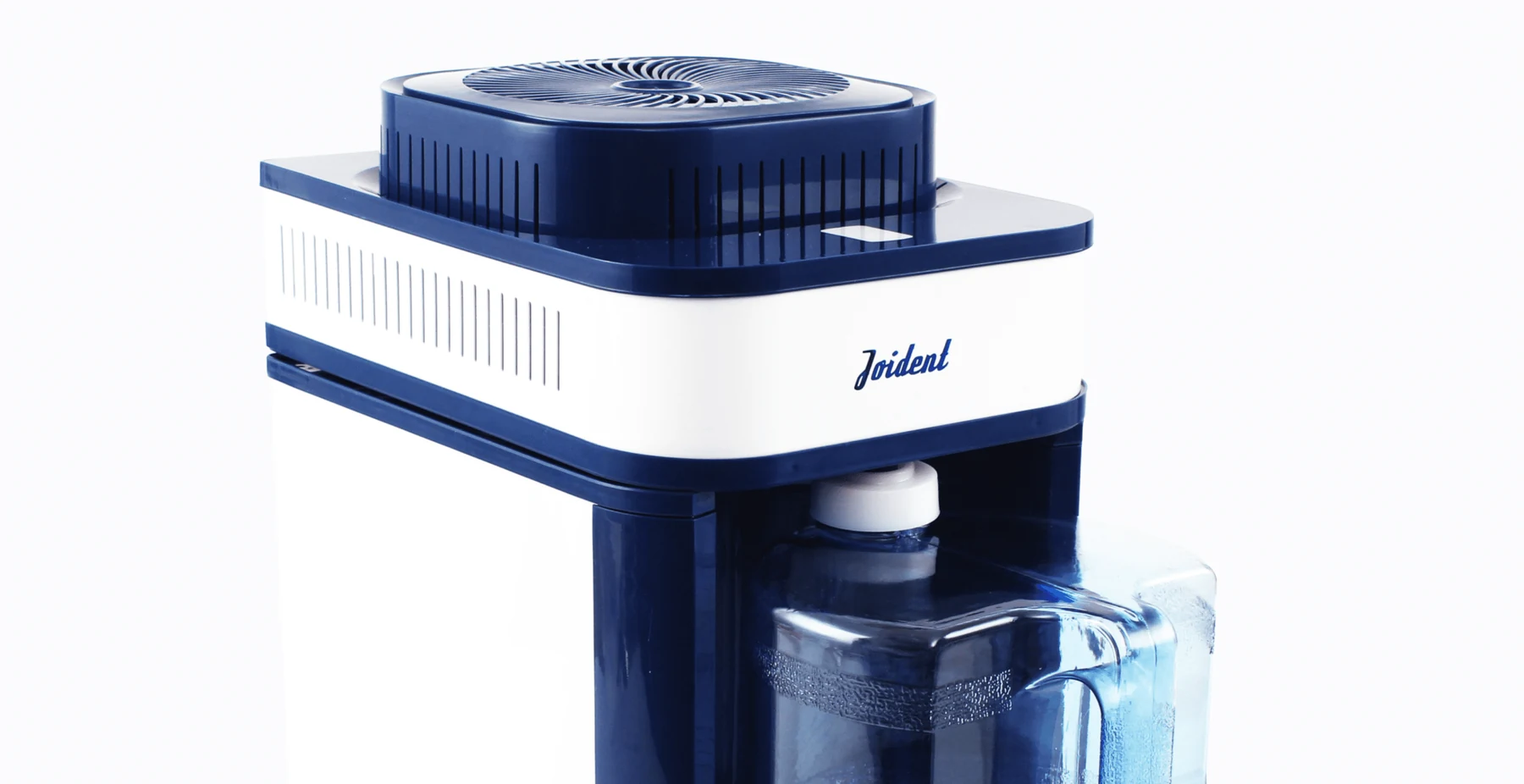
Water Distiller

Distilo

The Distilo water distiller produces low-conductivity water for sterilization and instrument reprocessing in s.
Pouch Sealing And Cycle Traceability
Thermal Sealer

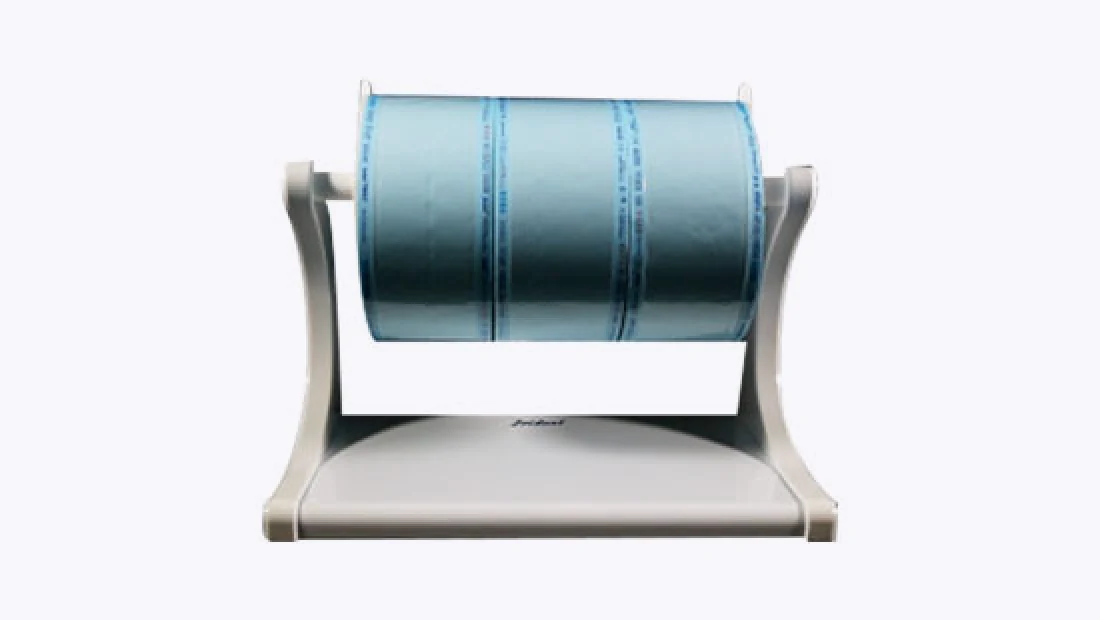
Seal

The Seal thermal sealer is designed for clinics that need reliable, consistent sealing of sterilization pouche.

Ultrasonic Cleaning Before Sterilization
Ultrasonic Cleaner

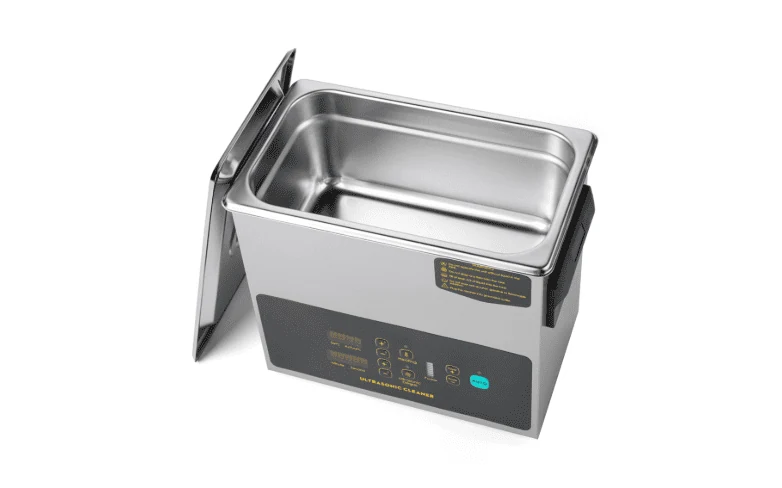
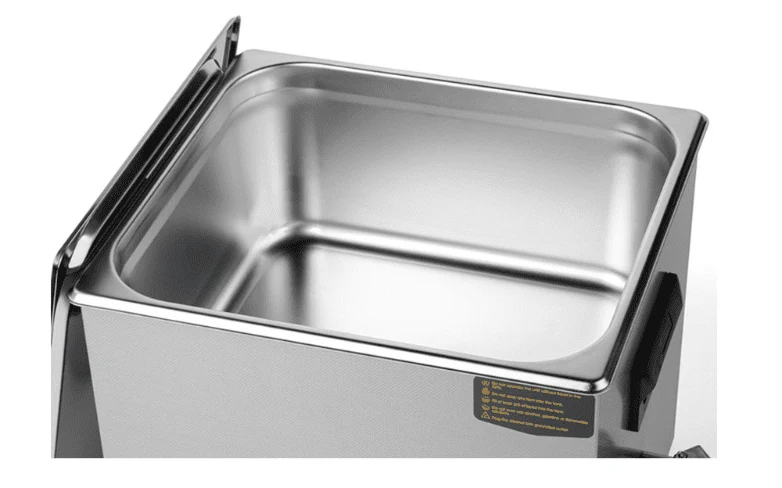
Meto 30

The Meto 30 is a 30 L medical ultrasonic cleaner designed for high-volume instrument cleaning in hospitals, su.

Delivery

What Joident Delivers To A Laboratory

The sterilizer is shipped with a full operating manual and safety instructions

All units are tested for vacuum, pressure, and temperature control before shipment

The machine is designed for single-phase 230 V operation and fits standard lab bench space

Installation requires a dedicated electrical circuit and access to a water supply

Support is available via email or WhatsApp for setup and troubleshooting

FAQ

Laboratory Sterilization Questions

What types of materials can be sterilized in the laboratory steam sterilizer
The sterilizer handles liquid and solid culture media, glassware, metal tools, pipettes, Petri dishes, test tubes, reagents, disposable equipment, and biological waste, provided they are compatible with high temperature and pressure
Does the sterilizer process wrapped or hollow loads
Yes, the Class B fractionated vacuum cycles remove air from wrapped and hollow loads, ensuring steam reaches all surfaces, including the interior of hollow instruments
What water quality is required for the sterilizer
Feed water must meet EN 13060 Annex C, with conductivity below 5 microsiemens per centimetre. Distilled water from a Distilo water distiller is recommended
How are cycle records stored for audits
Each cycle is recorded on SD card or USB. A built-in or external printer can also produce a hard copy for documentation
Can the sterilizer be used in a cleanroom or aseptic environment
Yes, it can sterilize equipment used in cleanrooms, including air filtration components, curtains, and inlet/outlet systems, to maintain aseptic conditions
What is the power requirement for the sterilizer
The unit operates on single-phase 200–240 Vac, 50/60 Hz, nominally 230 Vac at 50 Hz, with a power draw of 2700 W and protected by a 16 A fuse
Is the sterilizer suitable for use with biological waste
Yes, it is designed to sterilize biological waste such as used culture media, discarded cells, and contaminated materials before disposal

Specify Laboratory Equipment

Tell us what you process and the volumes and we will propose tank and chamber sizes that match the batch.