The Requirement In One Line
EN 13060 Annex C sets the feed water requirement for small steam sterilizers, and the number most people remember is conductivity below 5 microsiemens per centimetre.
Conductivity is a proxy for dissolved minerals. The lower it is, the less there is in the water to leave behind when the water becomes steam.
What Tap Water Actually Does
Every litre of tap water that boils in the chamber leaves its minerals behind. They do not leave with the steam and they do not drain away. They build up on the heating element and inside the boiler as scale.
Scale is an insulator. As it thickens, the element has to run hotter to produce the same steam, which shortens its life and eventually fails it. The damage happens over months, so the connection between the water and the repair bill is usually made too late.
Scale on the chamber walls also leaves marks on instruments, which staff then try to fix by scrubbing harder.
Bottled Water Is Not A Fix
Buying demineralised water in containers works until someone is busy. Then a tank gets topped up from the tap, the delivery arrives late, or a cheaper grade is substituted and nobody checks the conductivity.
It is also the most expensive way to buy water once you count the delivery and the storage space in a room that has none to spare.
Distilling On Site
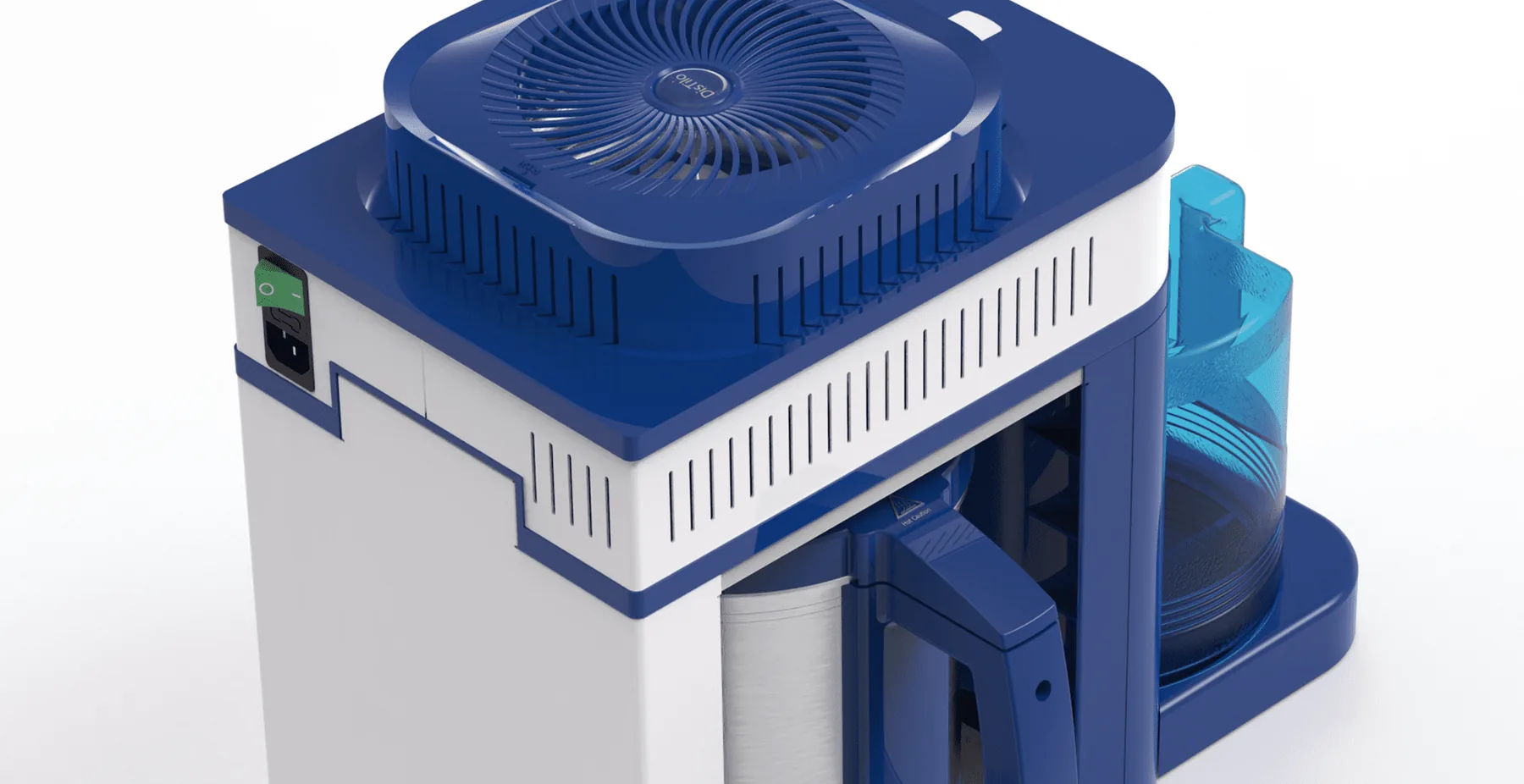
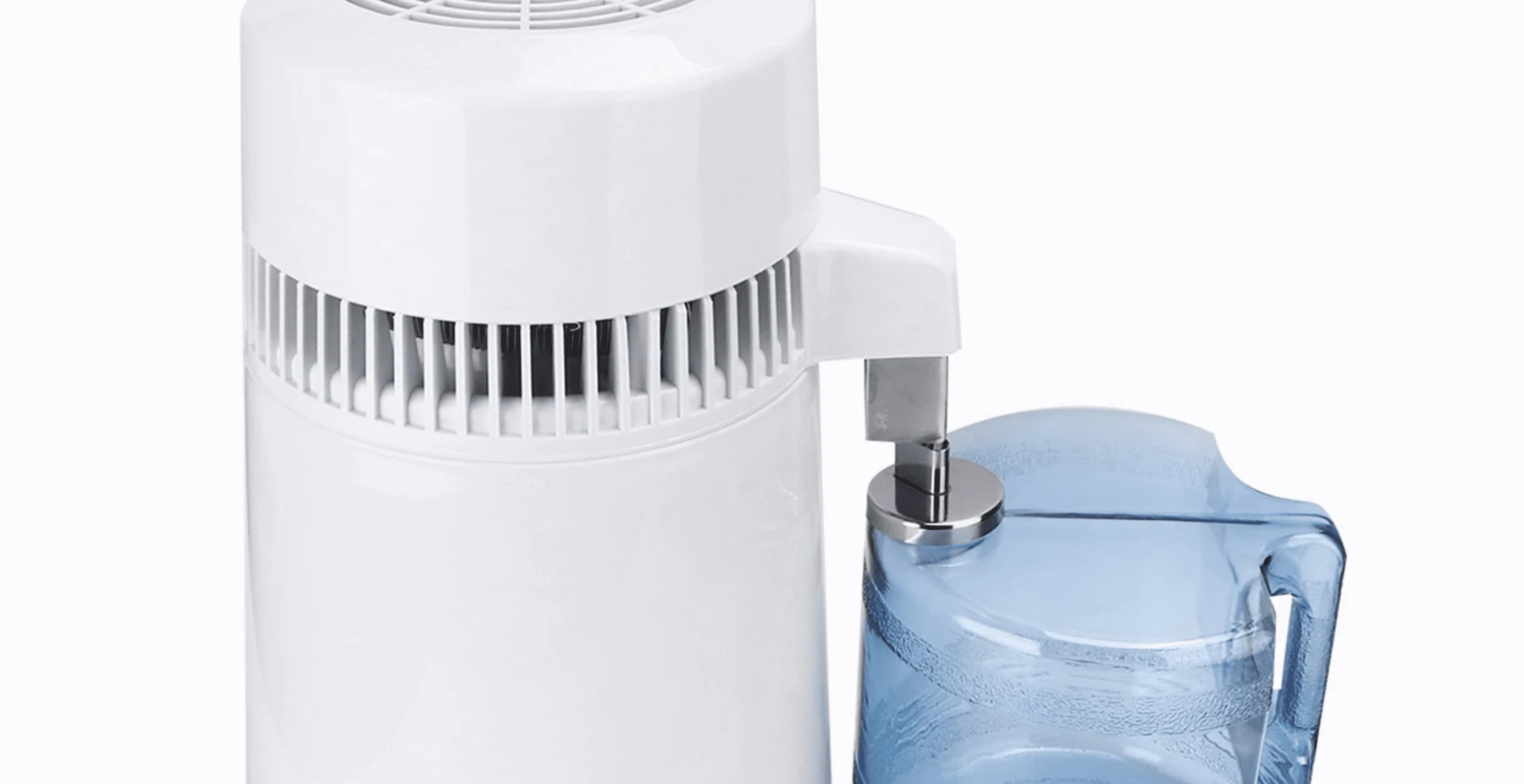
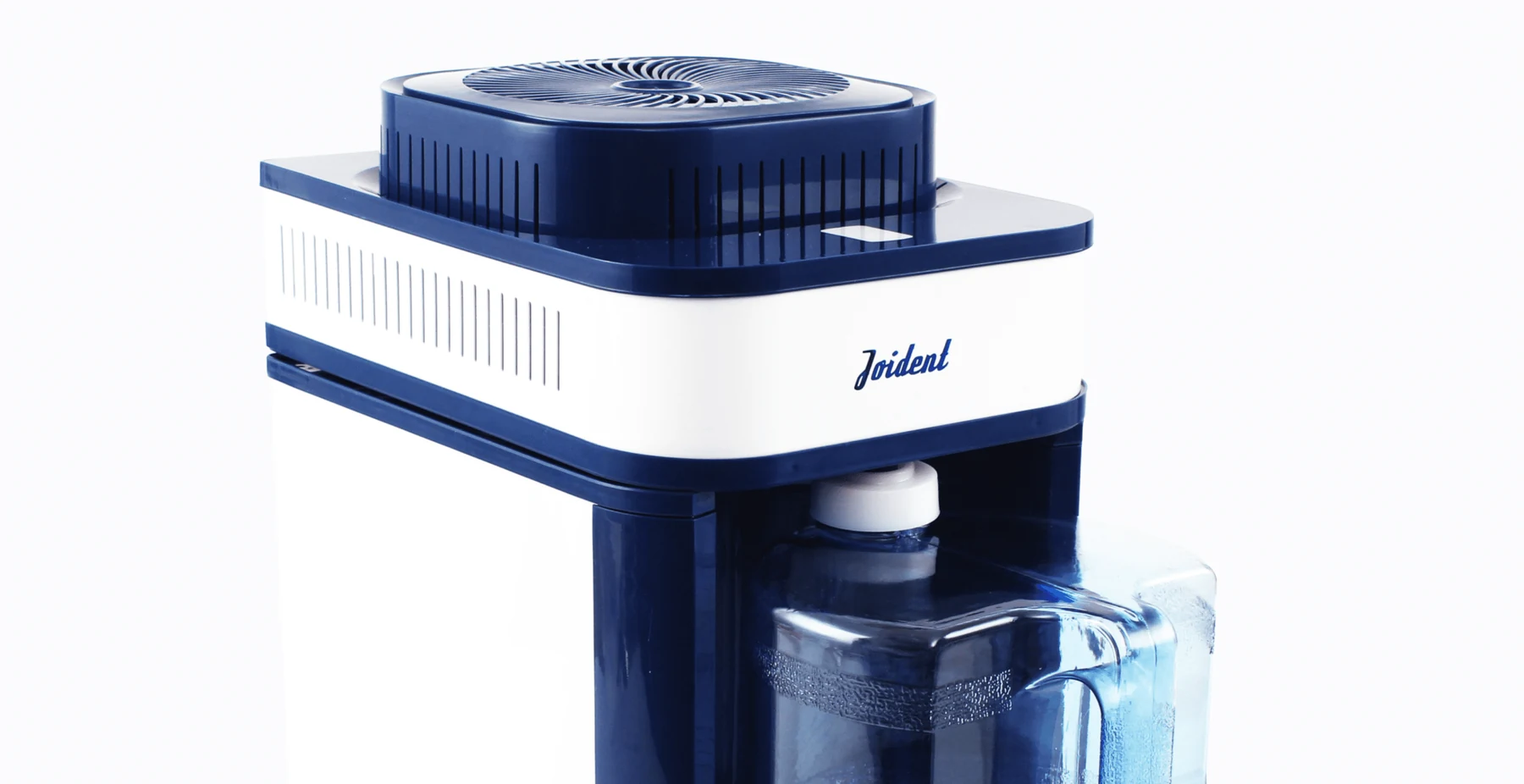
A water distiller boils water and condenses the steam, leaving the minerals behind in the boiling chamber where they can be cleaned out. What comes out is consistent regardless of what the mains supply is doing that week.
Size the distiller against your cycle count rather than your practice size. A Novo Pro 23L uses between 0.17 and 0.31 litres of water per cycle, so the arithmetic is straightforward once you know how many cycles a day you run.
What To Check On A Running Machine
Keep the waste water and clean water tanks separate in your habits as well as in the machine. Waste water has been through the chamber and is not feed water.
Some Novo Pro configurations offer built in water quality detection, which warns before poor water reaches the boiler rather than after. Where that option is not fitted, a handheld conductivity meter costs very little and settles the argument in seconds.
- Check conductivity is below 5 microsiemens per centimetre
- Never return waste water to the clean tank
- Clean the distiller boiling chamber on the schedule in the manual
- Descale according to the manual rather than when marks appear
- Keep a record - warranty questions about scale are settled by evidence