
Seal Thermal Sealers For Sterilization Pouches
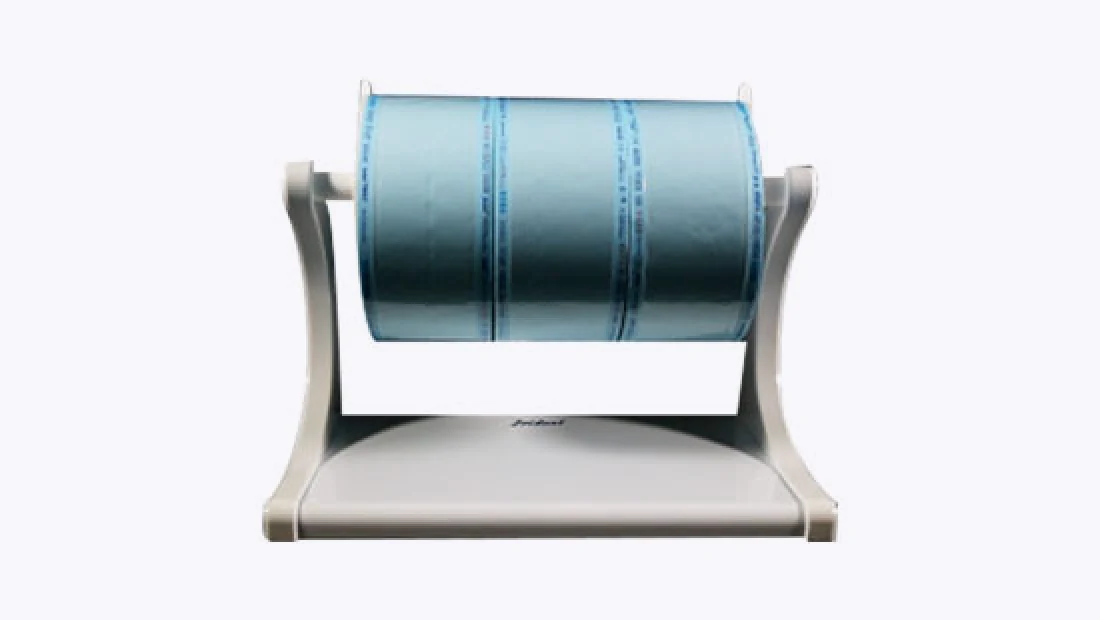
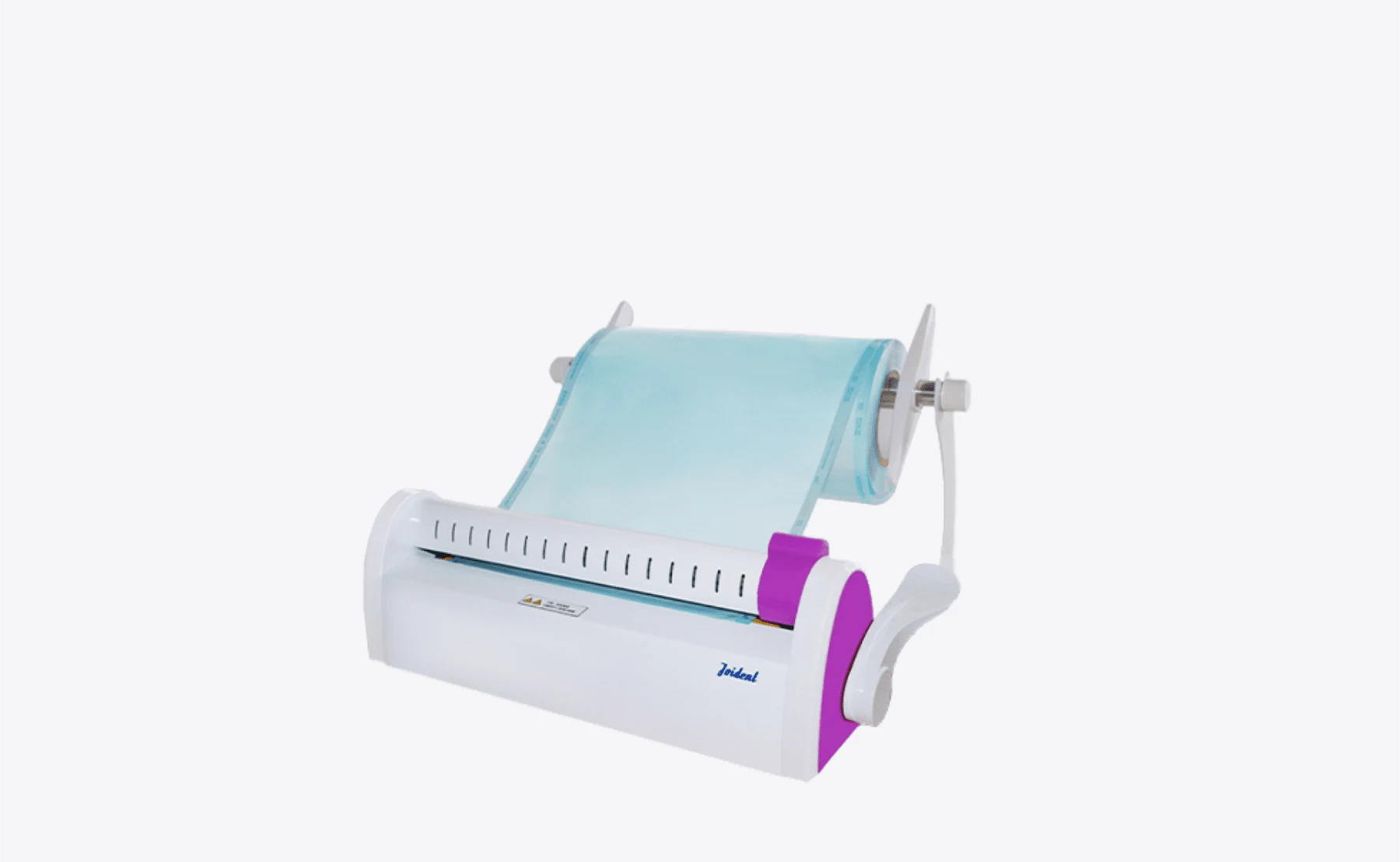
The Thermal Sealer is a medical packaging sealer designed for dental clinics, hospitals, and clinics that need to seal sterilization pouches and reels with consistent, airtight results. It uses high-frequency thermal sealing technology at 200 degrees Celsius to ensure a durable seal, and is built for daily use in small reprocessing areas. The machine fits into a compact workflow where instruments are wrapped and sealed before sterilization.
The Range
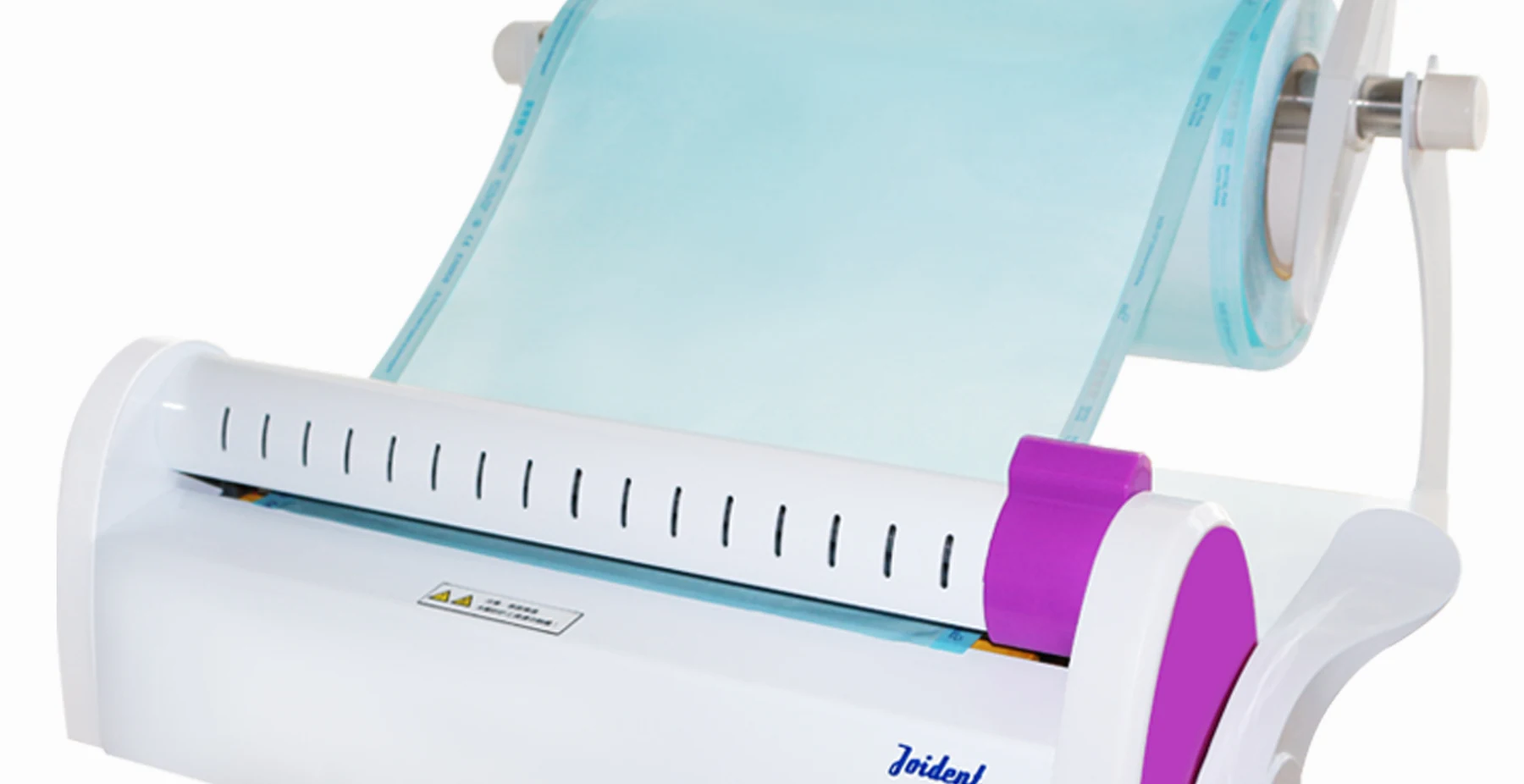
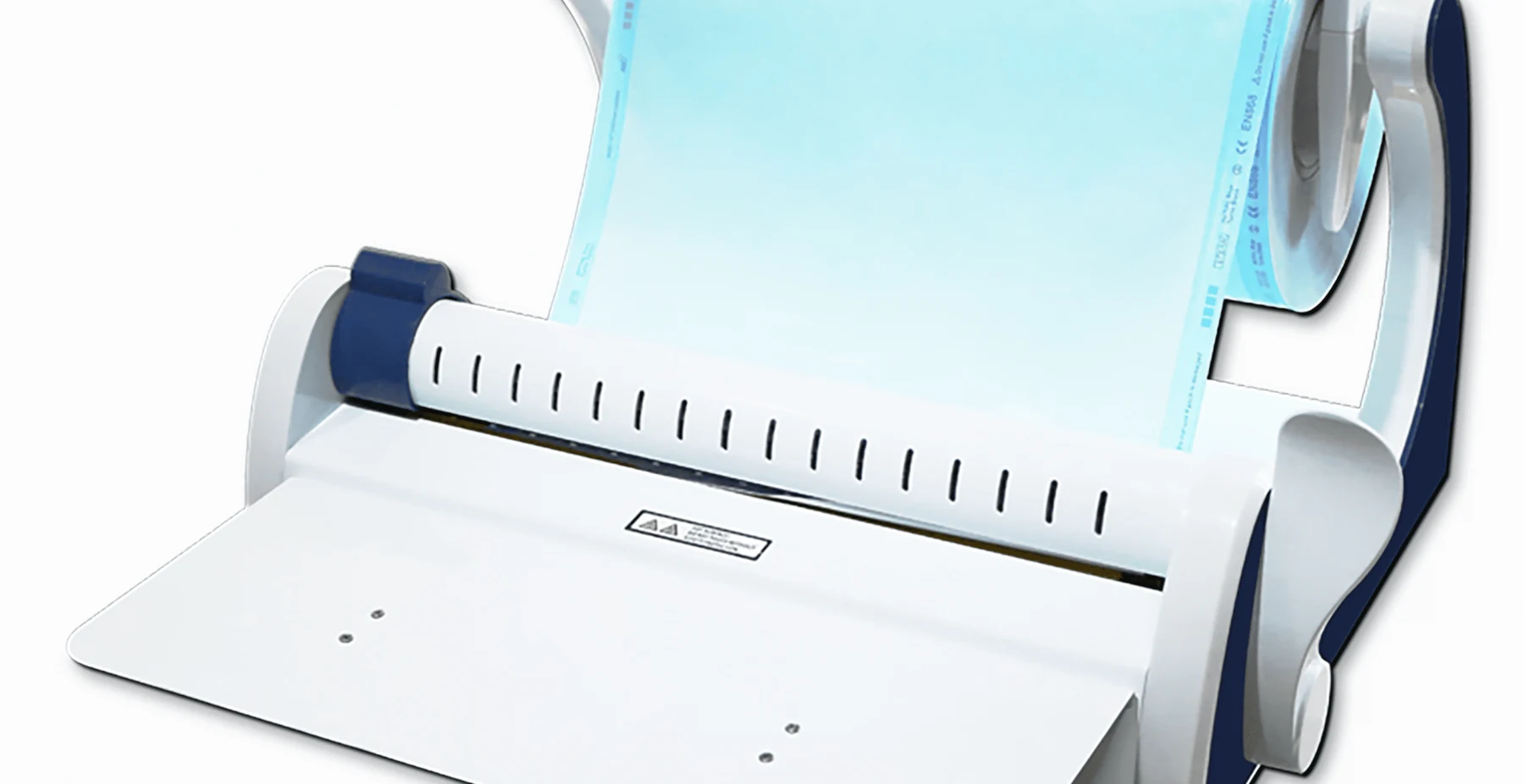
Three Sealers For Pouches And Reels
The seal is the part of the process an inspector can see with the naked eye. These machines make it repeatable rather than a matter of technique.
Problems Solved
What Goes Wrong With A Bad Seal
- Manual sealing of pouches leads to inconsistent seals, which can compromise sterility during storage or transport
- Poorly sealed pouches allow moisture or contaminants to enter, risking instrument contamination
- Lack of visual or audible feedback during sealing means users may not know if a seal is complete
- Exposure to sharp edges or moving parts increases the risk of injury during routine operation
- Inconsistent temperature control causes weak or burnt seals, reducing the reliability of the packaging
Who Buys This Range
- Dental clinics and stomatology departments sealing instruments for sterilization in pouched or reel form
- Hospitals and outpatient practices with in-house reprocessing that need a reliable sealing step
- Aesthetic and cosmetic clinics using reusable instruments that must be sealed before sterilization
- Veterinary practices sealing surgical packs or instrument sets for single-use
- Dental equipment distributors and OEM partners requiring a standardized sealing machine for integration
Where It Is Used
- Sealing a batch of sterilization pouches after instrument loading, ensuring each pouch is airtight before sterilization
- Wrapping instrument reels for storage or transport, with a consistent 12 mm seal width for reliability
- Using the machine in a clinic with rotating staff, where simple operation and clear feedback reduce training time
- Integrating the sealer into a reprocessing loop where instruments are cleaned, wrapped, and sealed before sterilization
- Maintaining a record of sealed loads by using the machine’s consistent output, which supports traceability during audits
Advantages
What A Dedicated Sealer Changes
High-frequency thermal sealing at 200 degrees Celsius ensures a strong, consistent seal across pouches and reels
Constant temperature control maintains seal integrity over repeated use without manual adjustment
Bi-directional sealing allows the machine to seal from either end of the pouch or reel, improving workflow flexibility
Hidden sliding blade design reduces the risk of user injury during operation
Front indicator and sound alarm notify the operator when a seal is complete or if an issue occurs
Compact, minimalist design fits into small reprocessing spaces without taking up excessive bench area
Industries
Where The Thermal Sealer Range Is Installed
Dentistry
Handpieces, hand instruments, impression trays and surgical kits between patients.
See the applicationMedical
Reusable instrument sets in clinics without a central sterile services department.
See the applicationBeauty And Aesthetics
Cannulas, needles holders and reusable instrument sets in treatment rooms.
See the applicationTattoo And Piercing
Reusable tubes, grips and piercing tools in studios inspected on hygiene.
See the applicationVeterinary
Surgical packs, dental scalers and consulting room instruments.
See the applicationLaboratory
Glassware, media and small instruments in dental and analytical labs.
See the applicationFAQ
Thermal Sealer Questions
What is the sealing temperature of the Thermal Sealer
The machine uses high-frequency thermal sealing technology at 200 degrees Celsius to ensure a durable and consistent seal.
Can the sealer handle both pouches and reels
Yes, the Thermal Sealer supports sealing of both sterilization pouches and instrument reels, with bi-directional capability for flexible operation.
Is the machine safe to use in a busy clinic environment
Yes, the design includes a hidden sliding blade and automatic alarm to reduce injury risk, and the operation is simple and intuitive.
Does the sealer have any feedback when a seal is complete
Yes, the machine features a front indicator light and a sound alarm to signal when a seal is finished.
What certifications does the Thermal Sealer have
The machine is CE certified and manufactured under a documented quality system, supporting compliance with medical device standards.
Is the sealing width adjustable
The standard sealing width is 12 mm, designed for consistent performance on medical packaging.
Can the machine be used by rotating staff with minimal training
Yes, the machine has simple operation, clear visual and audible feedback, and a reasonable design that reduces the learning curve.
Ask About A Seal Thermal Sealer
Tell us the pouch widths you use and how many packs a day you wrap, and we will recommend the model and the seal settings to start from.