
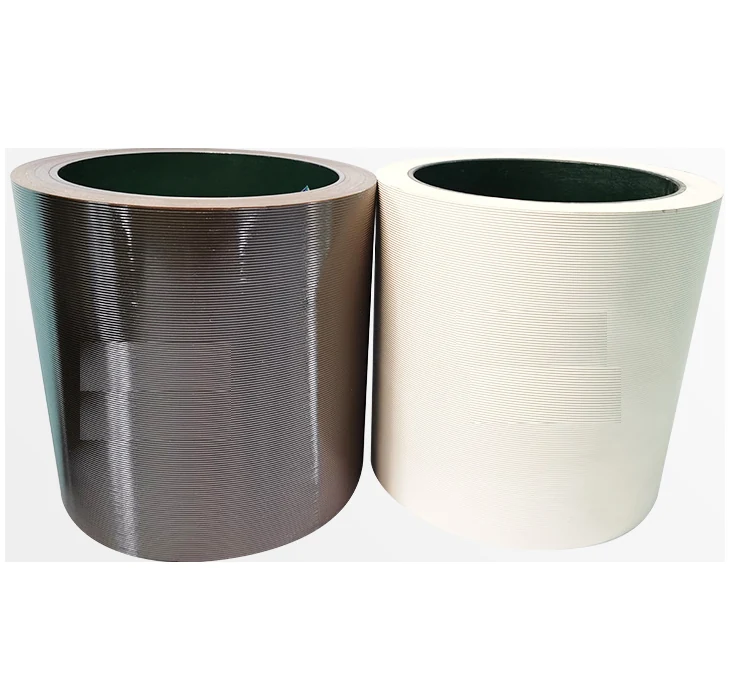
Emery Roller for Rice Whiteners And Polishers
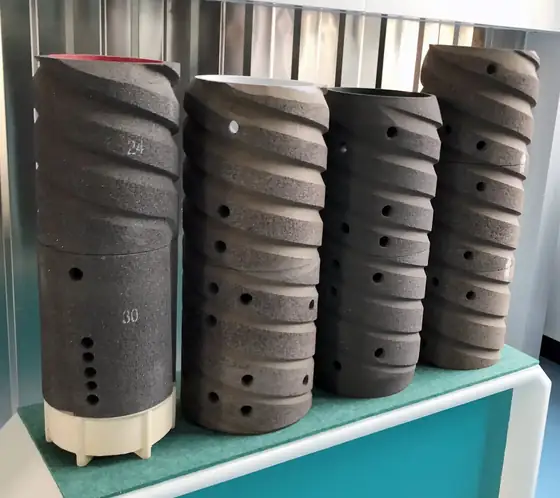
The emery roller is a porous mixture sintered at 180 C from abrasive, mainly black silicon carbide, and a resin binder of phenolic or epoxy resin.
What This Machine Does
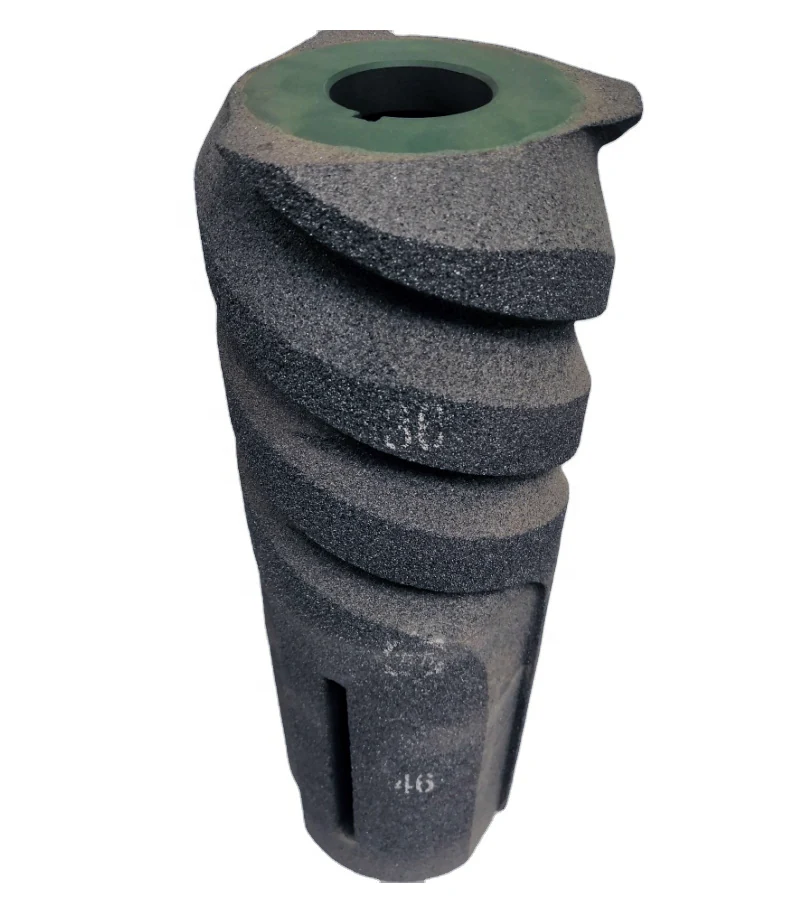
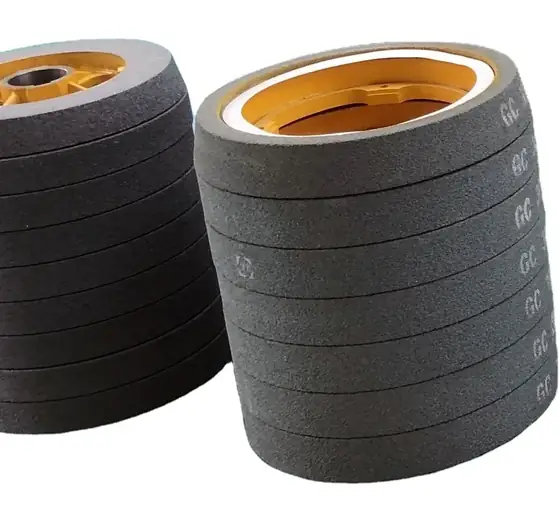
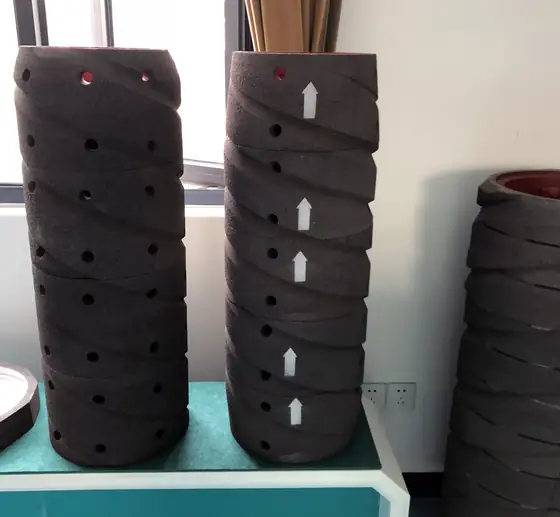
The emery roller is a porous mixture sintered at 180 C from abrasive, mainly black silicon carbide, and a resin binder of phenolic or epoxy resin. The low sintering temperature and loose structure mean grits fall away easily and the roller keeps sharpening itself, producing new angular grit that strengthens the grinding function.
Key Benefits
- Low broken rice rate thanks to the self sharpening grit structure
- High white rice yield from a consistent grinding action
- High efficiency with low power consumption
- Especially suitable for processing poorer quality grain
- Sizes and grits available for Buhler, Satake and Chinese machine models
Problems It Solves
- Whitening performance falling off as the roller glazes over
- High broken rice rate caused by a worn or unsuitable roller
- Power consumption climbing as the roller loses its cutting action
- Difficulty sourcing the right roller for an imported machine
Who It Is For
- Rice mills running whiteners and polishers
- Maintenance teams stocking wear parts
- Plants operating Buhler, Satake or Milltec equipment
- Machine builders sourcing rollers
Application Scenarios
- Replacement rollers for rice whiteners
- Polisher roller replacement
- Seasonal overhaul of a milling line
- Retrofitting imported machines with locally available spares
Technical Features
- Sintered at 180 C from black silicon carbide with phenolic or epoxy resin binder
- Porous structure with loose organisation so grits fall away and self sharpen
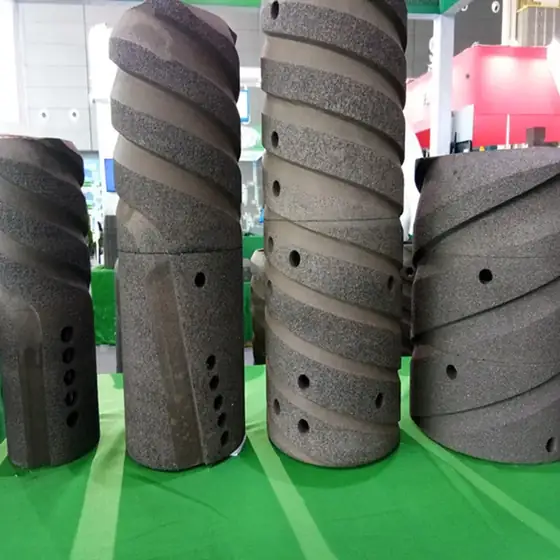
- Spiral groove and inclined straight groove types available
- Fineness grades 24#, 30#, 36#, 46# and 60#
- Sizes made to the applicable machine model rather than one catalogue size
Emery Roller for Rice Whiteners And Polishers Model Table
Figures below are taken from the TITAN model sheets. Where a figure depends on the crop or the contamination level it is stated that way rather than averaged.
| Model | Total length (mm) | Outside diameter (mm) | Inside diameter (mm) | Applicable model |
|---|---|---|---|---|
| NF15A | 400 | 150 | 85 | NF15A |
| NF15/15 | 400 | 150 | 85 | MLNJ-15/15 |
| MNSTX15 | 400 | 150 | 70 | MNSTX15 |
| NF15.2 | 470 | 152 | 54 | NF15D |
| BUL25 | 300 / 5 or 6 pieces | 250 | 170 or 169 | BUHLER BSPB, MILLTEC |
Groove types are spiral groove and inclined straight groove. Fineness is available in 24#, 30#, 36#, 46# and 60#.
How This Machine Is Built
Quality Control
- Sintered structure checked for the porous self sharpening characteristic
- Dimensions verified against the applicable machine model
- Grit fineness confirmed against the ordered grade
Materials And Wear Parts
- Black silicon carbide abrasive
- Phenolic or epoxy resin binder
Customisation Options
- Fineness selected for the rice variety and whitening stage
- Groove type chosen from spiral or inclined straight
- Dimensions made to the machine already installed
Use Guide
- Select fineness by variety and whitening stage rather than by habit
- Replace roller and screen together when performance drops
- Send the machine model, outside diameter, length and inside diameter when ordering
- Track broken rice at the grader after a roller change
How It Compares With The Alternatives
| High temperature sintered rollers | The lower sintering temperature gives a looser structure that keeps producing fresh angular grit. |
|---|---|
| Running a glazed roller | A self sharpening roller keeps efficiency up and power consumption down. |
Emery Roller for Rice Whiteners And Polishers Questions
Which fineness should I order?
24#, 30#, 36#, 46# and 60# are standard. The choice follows the rice variety and the whitening stage.
How is the roller made?
Abrasive, mainly black silicon carbide, is sintered with a phenolic or epoxy resin binder at 180 C into a porous structure.
Why does self sharpening matter?
Grits fall away as they blunt, exposing new angular grit, which keeps the grinding action and the yield stable.
Do you supply for Buhler and Satake machines?
Yes. Sizes are listed for BUHLER BSPB and MILLTEC among others, and rollers are made to the applicable model.
What information do you need to quote?
The machine model plus outside diameter, total length and inside diameter of the roller.
Related Machines
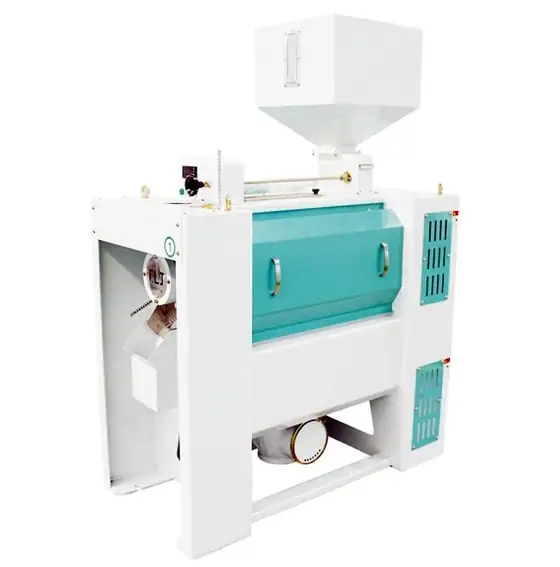
TTSM Horizontal Emery Roller Whitener
The TTSM horizontal emery roller whitener is developed for milling and whitening in large and medium sized rice milling plants.
View Specifications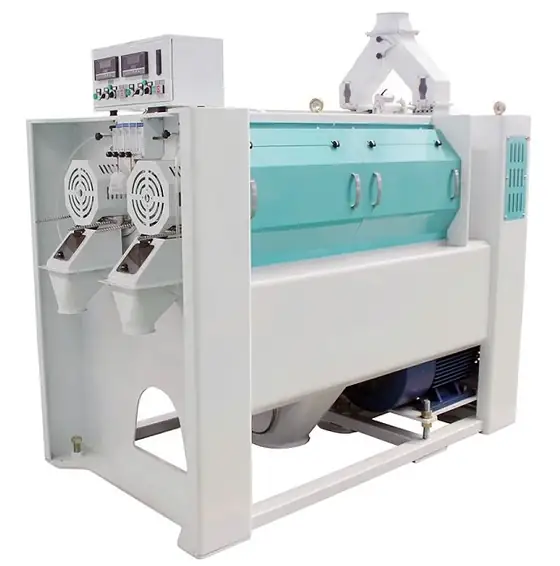
TTG And TIWP Rice Polisher
TTG and TIWP rice polishing machines finish the surface of milled rice.
View Specifications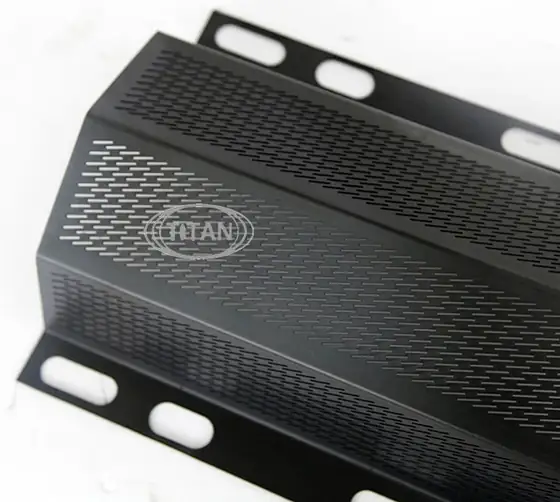
Screens And Sieves for Rice And Flour Machines
Screens are made to the machine, not to a catalogue.
View SpecificationsRequest A Quotation For The Emery Roller for Rice Whiteners And Polishers
Tell us your capacity, crop and power supply. You get model selection, dimensions and the wear parts list.