Breakage Starts Before The Mill
Grain that was dried too fast carries internal cracks into the mill. Those kernels survive the husker and fall apart at the whitener, which is why the whitener gets blamed for a problem created at the dryer. Drying at roughly 40 to 60 C with about 0.5 to 1 percent moisture removed per hour is the setting that protects the kernel.
Stones And Heavy Matter
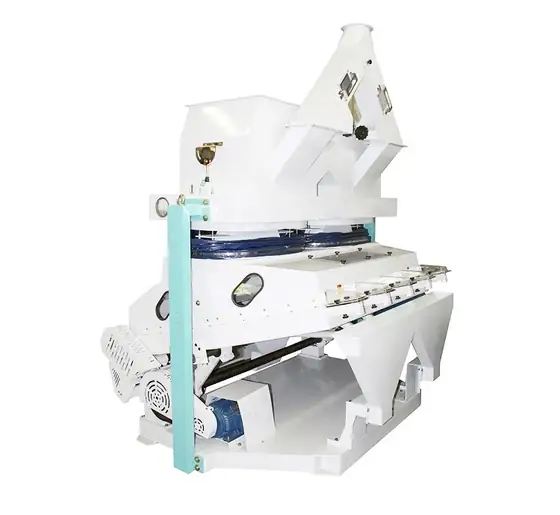
A destoner is not only about protecting the buyer from stones. Stones and heavy impurities reaching the rubber rollers cause uneven wear, and an uneven roller husks unevenly. Gravity destoners with adjustable air volume and a double deck stone removing construction are sized above the husker capacity for exactly this reason.
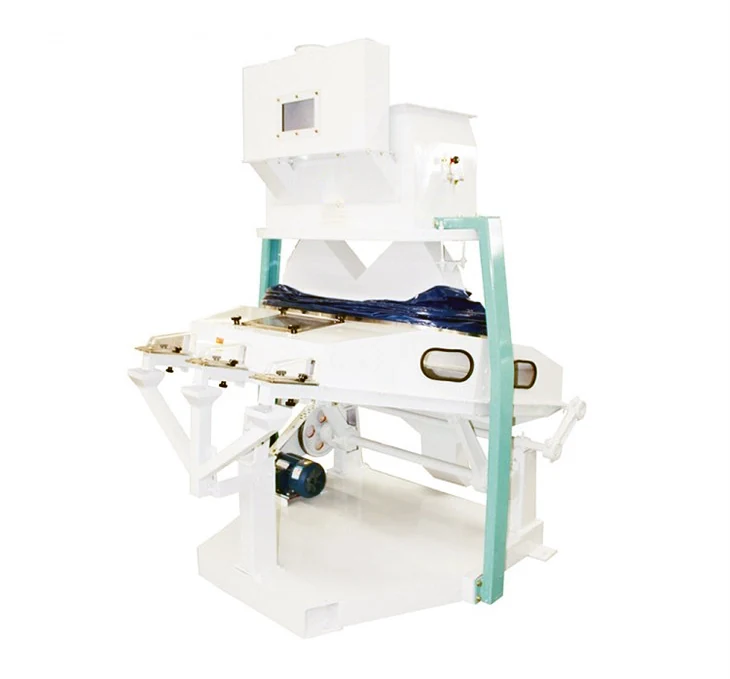
Suction type gravity destoner with dual vibrating motors and adjustable air system
Roller Gap And Roller Speed
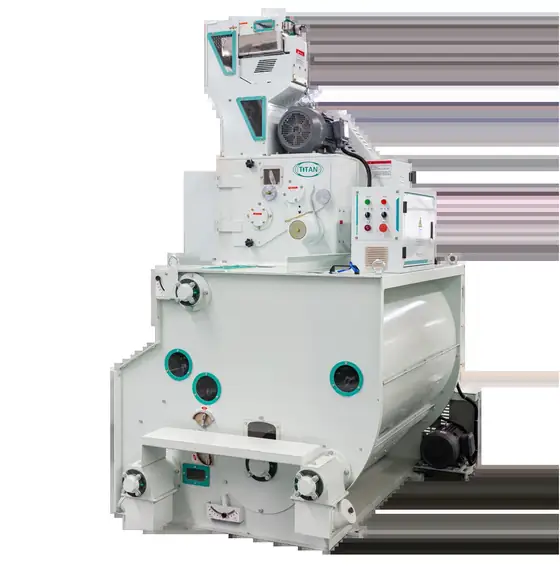
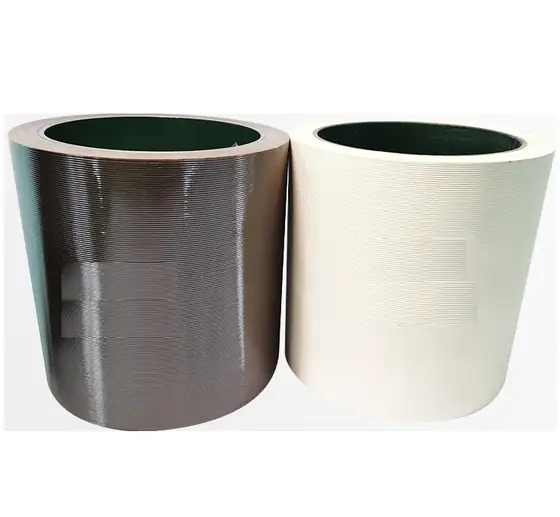
Husking damage is a function of the gap and the speed difference between the fixed and the movable roller. On the TITAN pneumatic husker, online laser ranging measures roller diameter and the machine switches speed automatically to hold the best linear velocity, which removes the guesswork as the rollers wear down. Rollers at 91 to 92 degrees hardness give shelling efficiency up to 95 percent.
One Hard Whitening Pass Instead Of Two Gentle Ones
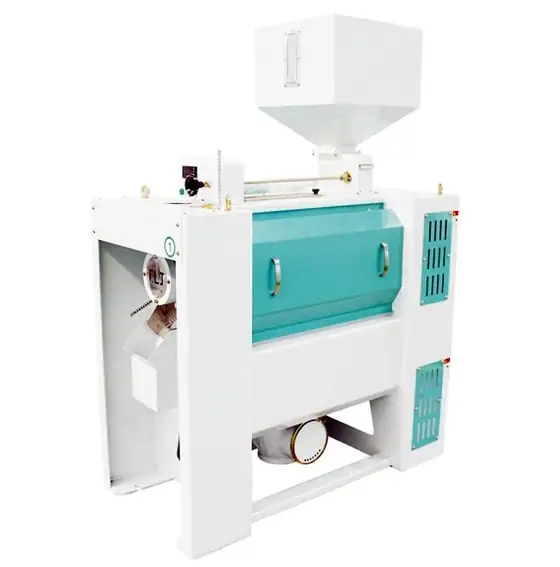
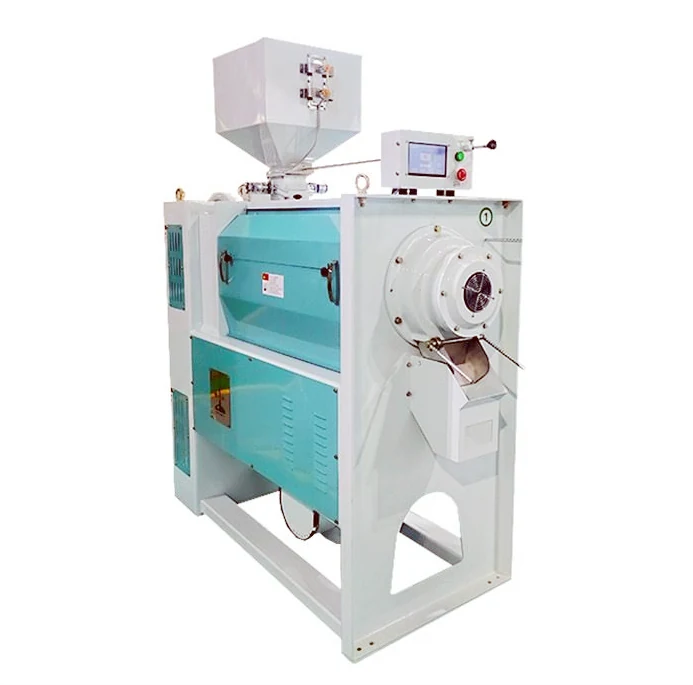
Removing all the bran in a single pass heats the rice and increases the broken increment. Suction type whitening lowers rice temperature, reduces bran content in the chamber and lowers the broken increment, and running two machines in series lets each one take less.
| Whitener model | Output | Power | Air volume |
|---|---|---|---|
| TTSM 18F | 2 to 3 t/h | 18.5 to 30 kW | 1500 to 2500 m3/h |
| TTSM 21.5F | 3 to 4 t/h | 30 to 37 kW | 2000 m3/h |
| TTSM 30DF | 4.5 to 8.5 t/h | 37 to 55 kW | 2500 to 3000 m3/h |
Elevators And Transfer Points
Every drop between machines is a chance to break a kernel. Low speed elevating is used specifically to avoid broken rice, with buckets selected for the material and automatic belt tensioning so the bucket line stays true.
Then Measure At The Grader
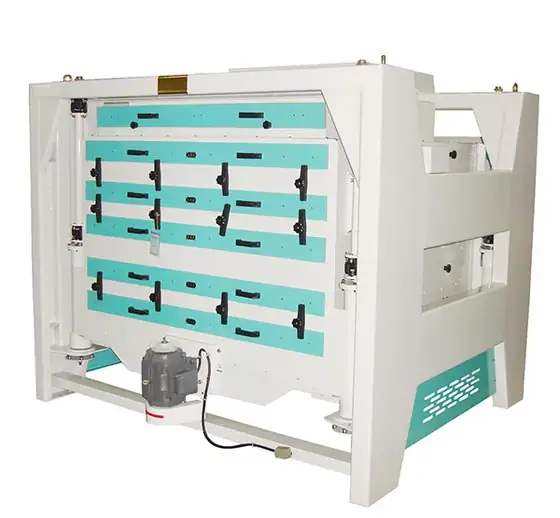
The rotary grader is where you find out. It classifies milled rice into head rice, large, medium and small broken, so a daily check of the fractions at the same point in the line tells you whether a change upstream actually worked.
Need this checked against your own numbers? Send your capacity, crop and site conditions and an engineer will come back with model numbers.
Ask An Engineer