Why Pelleting Instead Of Selling Loose Husk
Loose husk is mostly air. Transporting it means paying freight on volume rather than on energy, which is why husk sells cheaply near the mill and not at all further away. Pelleting raises bulk density so the same truck carries useful fuel, and it turns an irregular waste stream into a product with a specification.
The Grinder Sets The Pellet Quality
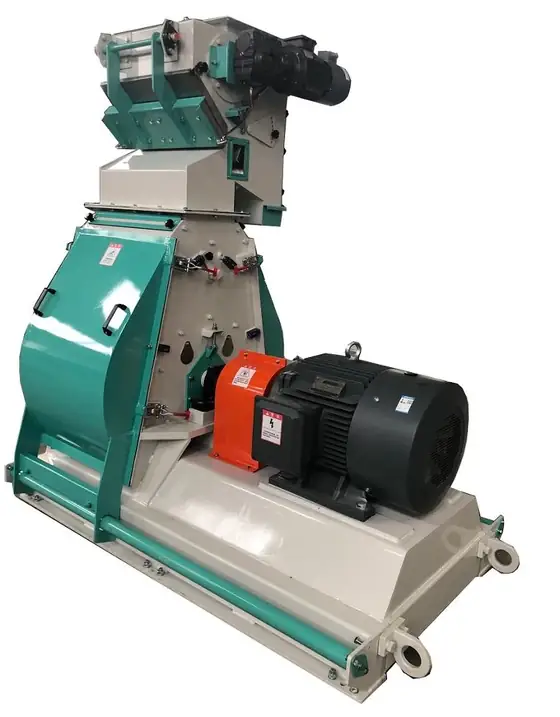
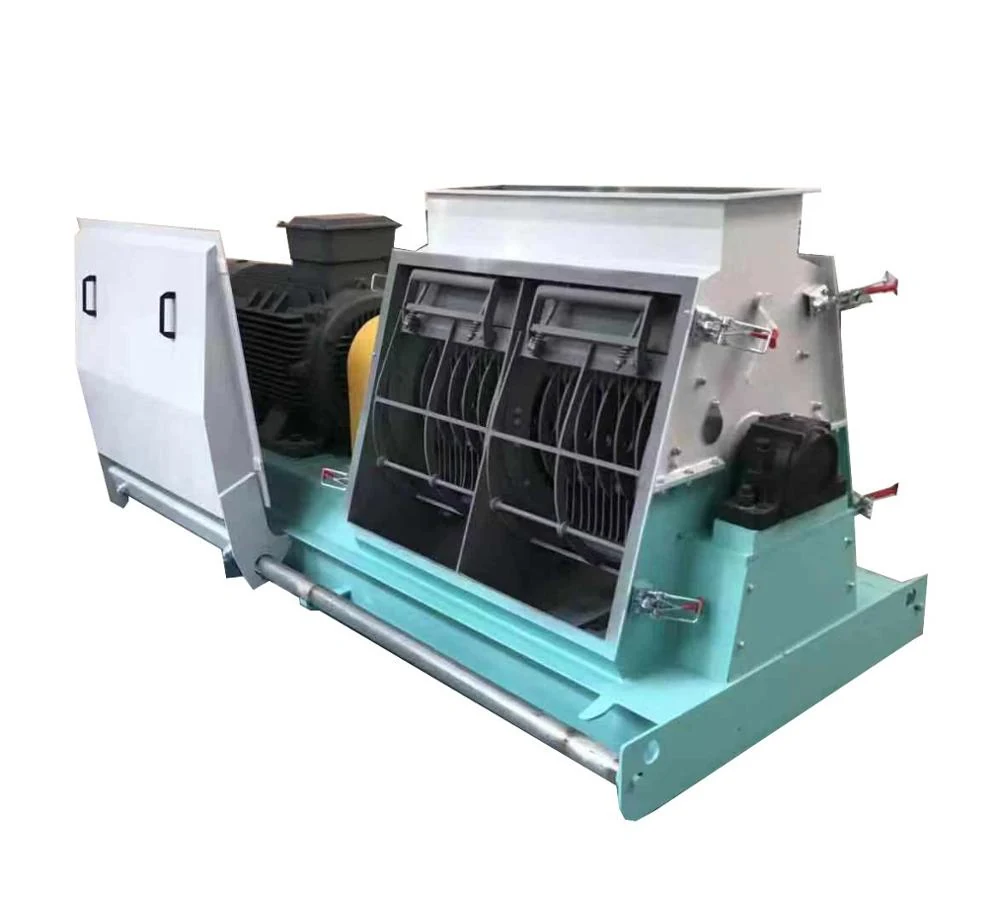
The hammer mill is specified for chipped material up to 30 mm long, 30 mm wide and 10 mm thick, and it suits fibre material with high moisture and oiliness as well as coarse grinding. Rice husk goes straight to grinding. Wood and stalk material needs a chipper first. An even particle size is what lets the die work at a constant load.
| Hammer mill model | Main power (kW) | Capacity (t/h) |
|---|---|---|
| TISP 66X45 | 45 / 55 | 0.8 to 2.0 |
| TISP 66X60 | 75 / 90 | 2.0 to 3.0 |
| TISP 66X80 | 90 / 110 | 3.0 to 4.0 |
| TISP 66X100 | 110 / 132 | 4.0 to 5.0 |
| TISP 66X120 | 160 / 200 | 5.0 to 7.0 |
The Die Is The Consumable That Matters
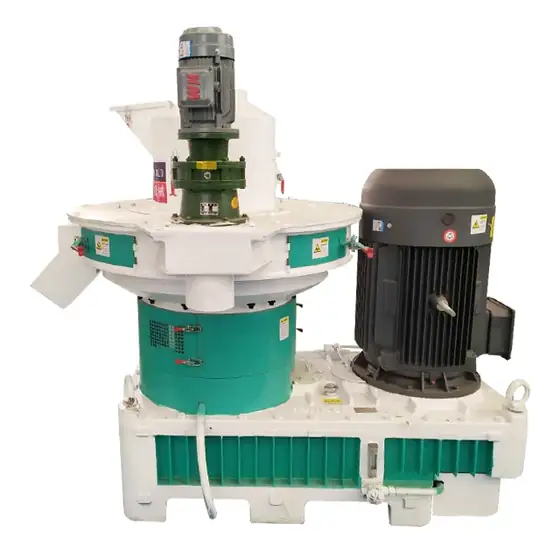
Ring dies are made from special material with finish machining, heat treatment and a dedicated drilling technique. A quick release hoop type die changes faster, which is the difference between a die change inside a shift and a die change that costs a day. The high precision main drive gear raises efficiency by 20 percent compared with the alternative TITAN measured it against.
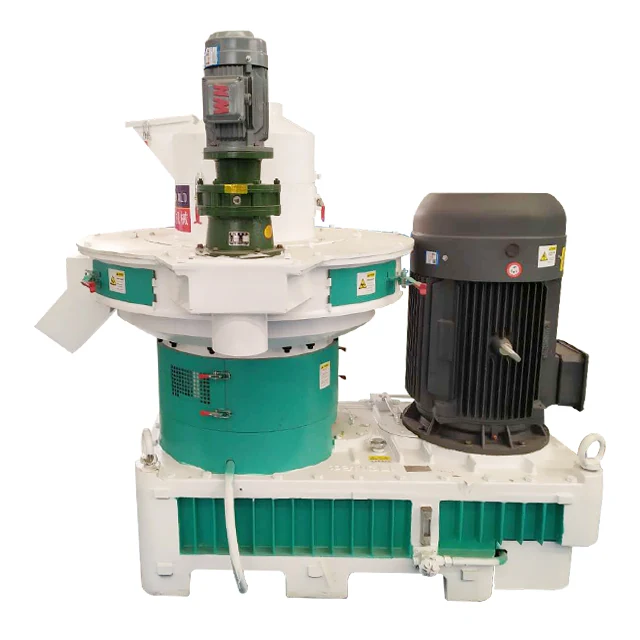
Ring die pellet mill with feeder and drive housing for biomass pelleting
Matching Mill Size To Husk Volume
Pellet mills in the TITN range run from 0.7 to 1.0 t/h at 55 kW up to 2.5 to 3.5 t/h at 220 kW. Convert your milling capacity into an hourly husk stream first, then pick the die size. A pellet mill larger than the husk stream spends its life starting and stopping, which is harder on the machine than running continuously.
What Else The Line Needs
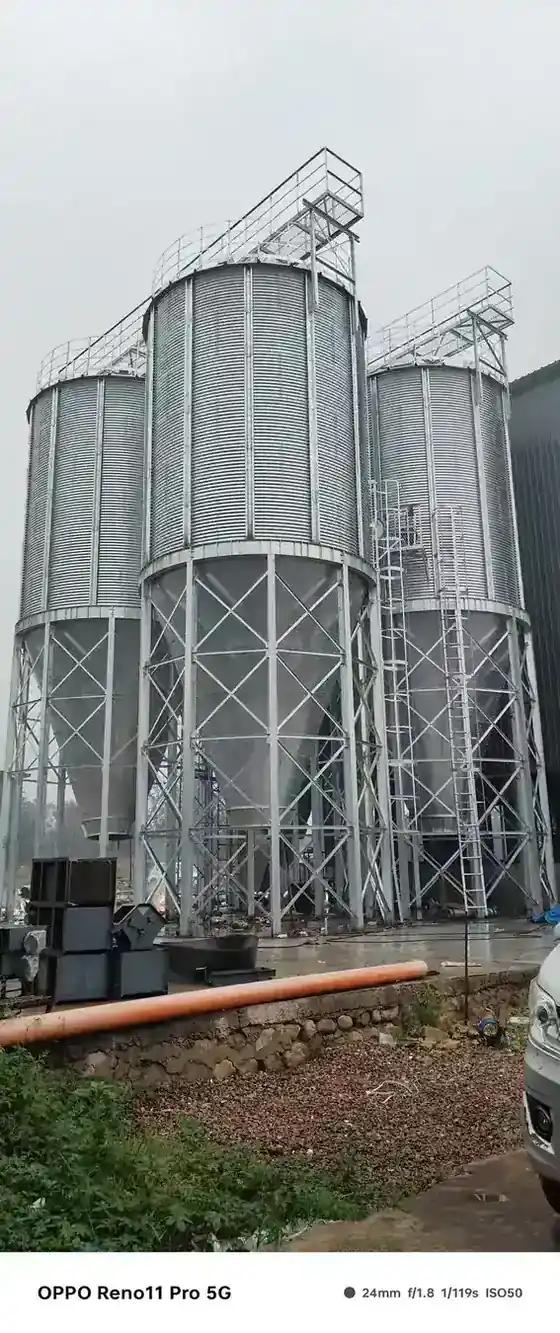
Feeding with a variable rate so the die sees an even load, cooling before storage so the pellets do not sweat, cone or welded silos for raw material and finished product, and bagging scales if the pellets are sold in sacks. TITAN offers the line as consultation, design, planning, manufacture, installation and follow up upgrade.
Need this checked against your own numbers? Send your capacity, crop and site conditions and an engineer will come back with model numbers.
Ask An Engineer