Mine-owned nepheline syenite and feldspar since 2007
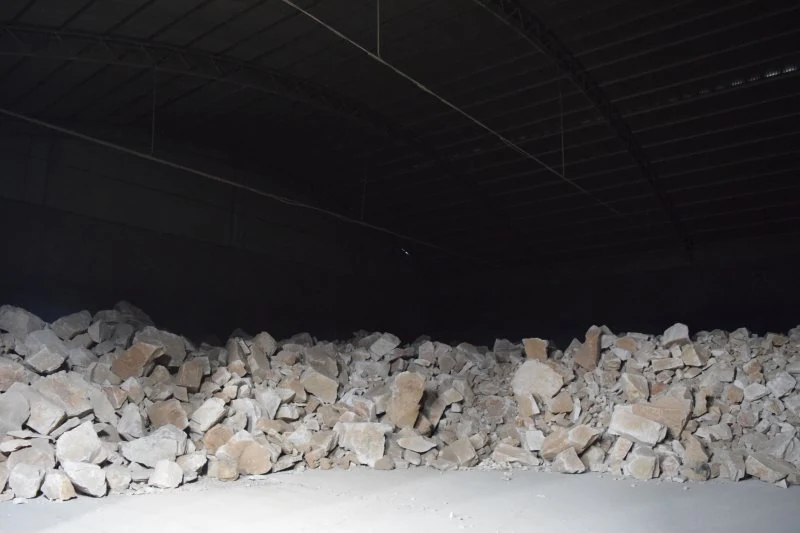
Raw nepheline syenite ore stored under cover
Raw Material Science

What Is a Flux in Ceramics? Complete Guide for Buyers

Explains the role of flux materials in ceramic production and why nepheline syenite is the most efficient flux available.

A flux is any material that lowers the melting temperature of a ceramic mixture, enabling glass phase formation at temperatures achievable in industrial kilns (1050-1250 degrees C).

Technical Details

Without flux, the primary ceramic raw materials (clay and quartz) would require temperatures above 1600 degrees C to vitrify — impractical for commercial production. The flux provides alkali or alkaline earth oxides that disrupt the strong Si-O-Si bonds in the silicate network, creating a liquid glass phase that fills porosity, bonds particles together, and creates the dense strong body that characterizes fired ceramics. Common flux materials include: nepheline syenite (Na2O+K2O flux — our products), potassium feldspar (K2O flux — our SY101), sodium feldspar (Na2O flux), talc (MgO flux), wollastonite (CaO flux), and various frits (pre-melted glass). Among these, nepheline syenite provides the highest concentration of flux per ton (14-16% total alkali) — meaning it does more work per kilogram in your formulation than any other single natural flux material. This efficiency translates to lower material consumption, lower firing temperature, and lower total production cost. See our detailed flux selection guide for application-specific recommendations..

Practical Application
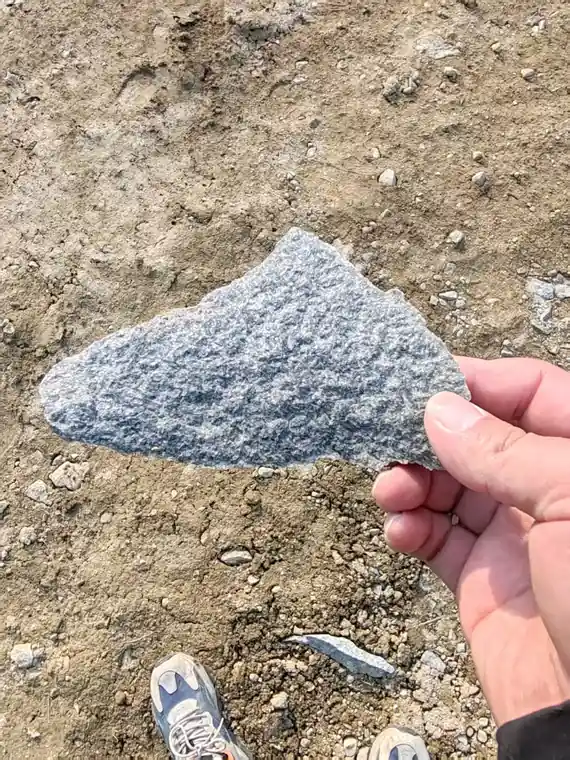
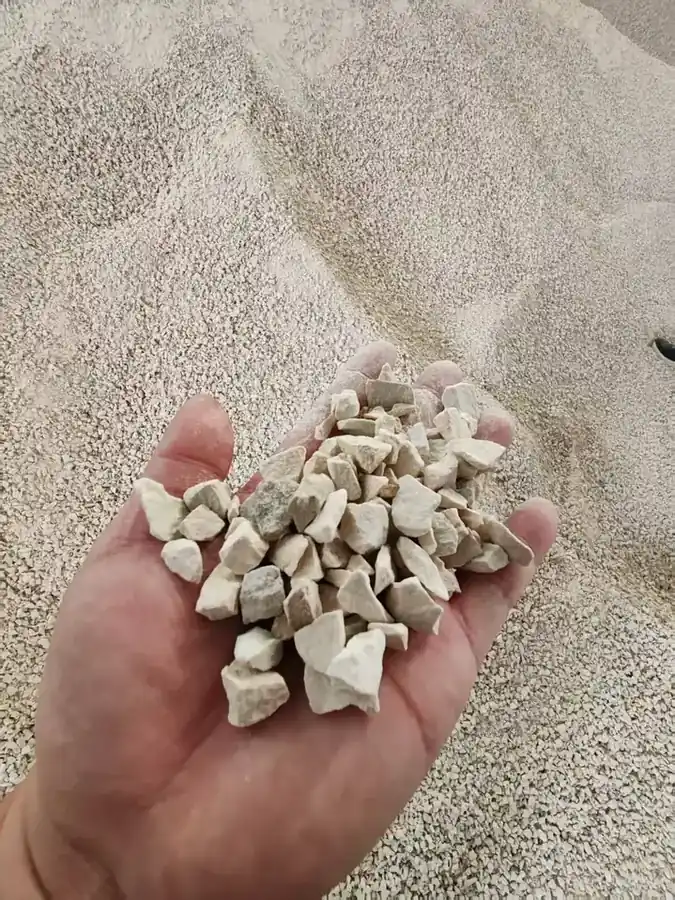
Hand-held sample of nepheline syenite fines

Our Products & Recommendation

FAQ

Questions on This Topic

What Is a Flux in Ceramics?

A flux is any material that lowers the melting temperature of a ceramic mixture, enabling glass phase formation at temperatures achievable in industrial kilns (1050-1250 degrees C).

How is the material packed?

1200 kg FIBC jumbo bags as standard, or 50 kg PP woven bags. Bags carry product name, grade, batch number and weight. Custom packaging and private labelling are available.

Is the material independently tested?

In-house testing covers every batch. Critical export shipments are additionally verified by Foshan Youbo Ceramic Analysis & Testing Co., Ltd., an independent ceramic testing laboratory.

What is the minimum order quantity?

One 20ft container, which is about 24 tons — roughly 20 FIBC jumbo bags. Samples of 1-5 kg per grade are available before that for laboratory evaluation.

Take It From Reading to Testing

Send your current specification and the problem you are chasing. Samples follow within a week.