
Mine-owned nepheline syenite and feldspar since 2007
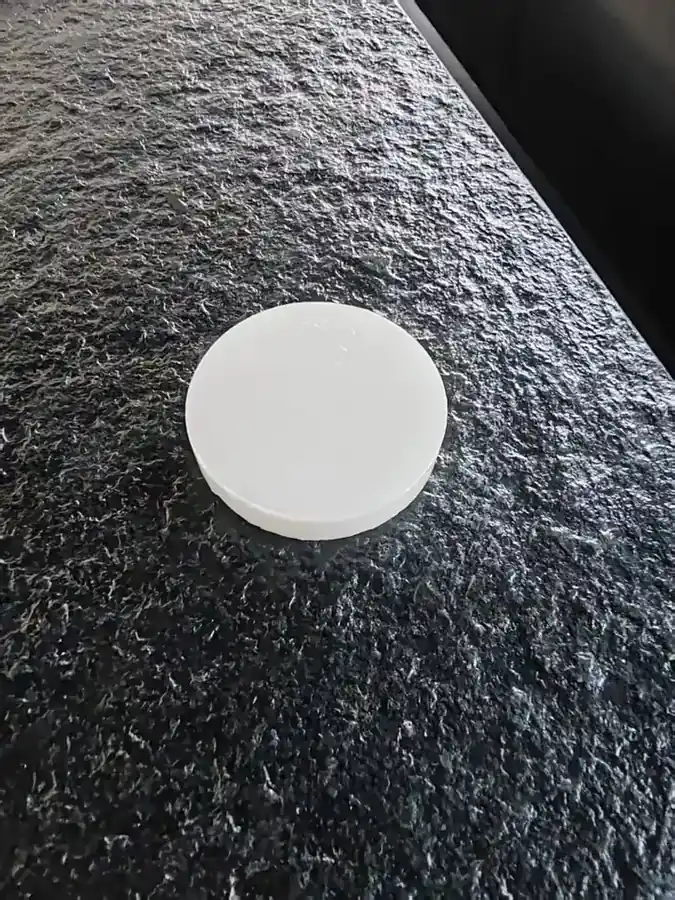
Fired whiteness disc pressed from potassium feldspar
Defect Troubleshooting

Narrow Firing Range: Why Your Tiles Are Sensitive to Kiln Temperature

When small kiln temperature changes cause big quality problems — switch to nepheline for a wider firing window.

If your production is highly sensitive to kiln temperature variations — good tiles at 1195 degrees C but bloated or warped at 1200 degrees C and under-fired at 1190 degrees C — you have a narrow firing range problem.

Understanding This Defect

This is most commonly caused by using feldspar as the sole flux. Standard feldspar (whether K-feldspar or Na-feldspar) produces a narrower vitrification range than nepheline syenite because it relies on a single alkali type for fluxing. Nepheline syenite contains both Na2O AND K2O plus significant Al2O3, creating a broader glass formation range. The mixed-alkali effect widens the temperature window between initial vitrification and over-firing by 20-40 degrees C compared to single-feldspar formulations. This wider window means your kiln can tolerate the normal temperature variations across its width (typically 10-20 degrees C) without producing defects on either side.

Solution & Prevention
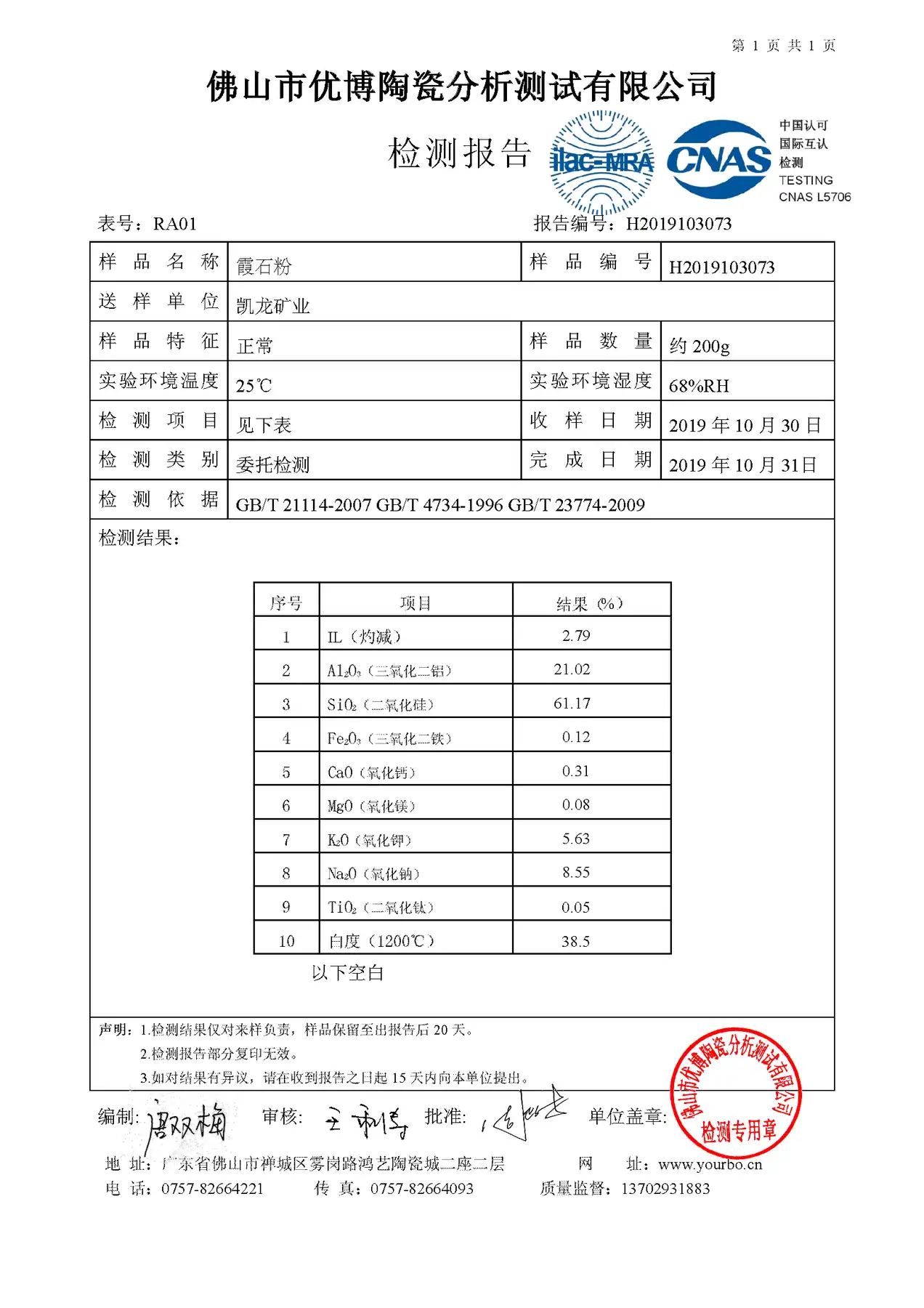
Third-party particle size distribution report for K100

Switch to nepheline — use our conversion guide to calculate the right percentage — and you will immediately notice the reduction in temperature-related rejects..

FAQ

Questions on This Topic

What does Narrow Firing Range: Why Your Tiles Are Sensitive to Kiln Temperature cover?

If your production is highly sensitive to kiln temperature variations — good tiles at 1195 degrees C but bloated or warped at 1200 degrees C and under-fired at 1190 degrees C — you have a narrow firing range problem.

Do you supply under our own brand?

Yes. Bag printing, label cards, custom bag weights and a COA issued under your company name and product codes are all available for distributors and trading companies.

Can I get samples before ordering?

Yes. We ship 1-5 kg of each grade by DHL or FedEx at our expense. Samples reach most international destinations in 5-7 days and each one includes a Certificate of Analysis.

Which ports do you ship from?

FOB Tianjin, Qingdao or Lianyungang, all within 6-8 hours by truck from the plant. CIF to your destination port is also quoted on request.

Take It From Reading to Testing

Send your current specification and the problem you are chasing. Samples follow within a week.