If your ceramic kiln energy costs are a significant portion of your production expenses — typically 30-40% for tile manufacturers — switching from feldspar to nepheline syenite is one of the most impactful single changes you can make.
Understanding This Defect
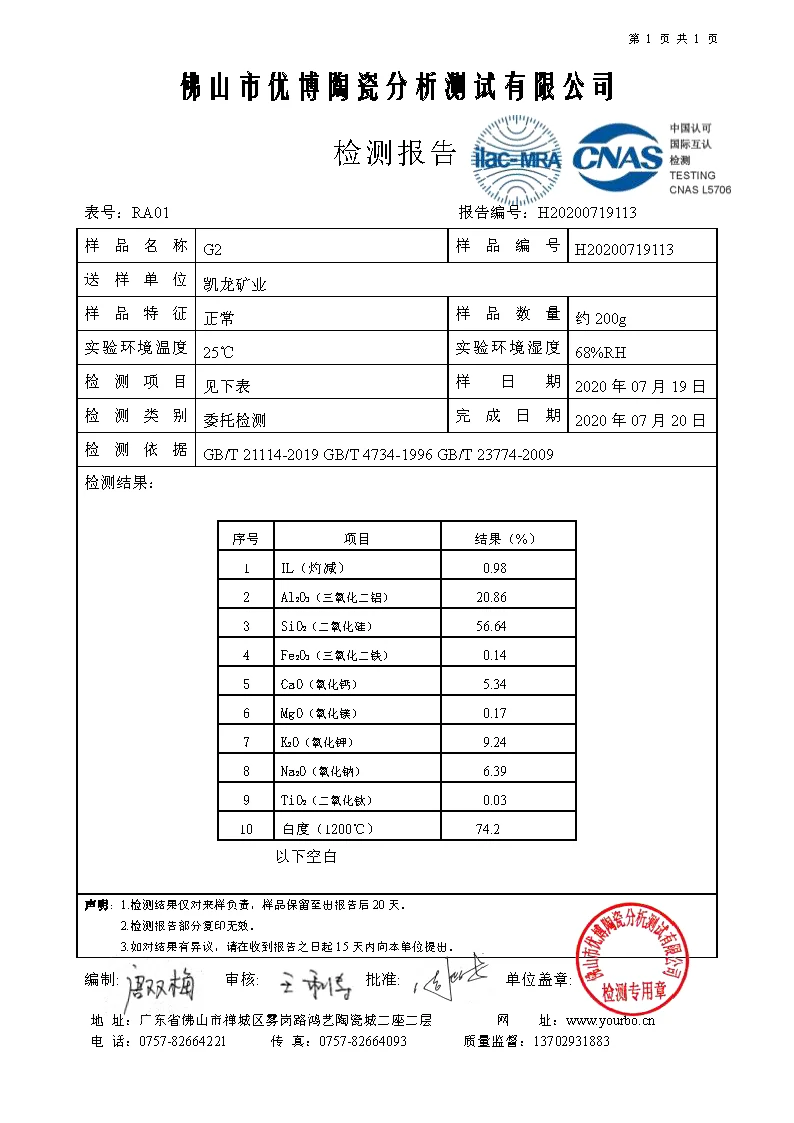
Nepheline provides 20-30% more flux (Na2O+K2O) per ton than feldspar, enabling the same vitrification at 30-50 degrees C lower peak temperature. The energy saving from a 40 degrees C temperature reduction is approximately 5-10% of total gas consumption, depending on kiln design and firing cycle. For a factory producing 10 million square meters annually spending USD 3-5 million on energy, this translates to USD 150,000-500,000 annual savings — which dwarfs any raw material cost difference between nepheline and feldspar. Additional savings: lower firing temperature extends kiln roller/furniture life (reducing maintenance costs), allows faster firing cycles (increasing kiln throughput), and reduces CO2 emissions. Use K100 for the most cost-effective energy reduction; K200 for premium products that also require whiteness improvement..
Solution & Prevention