Mine-owned nepheline syenite and feldspar since 2007
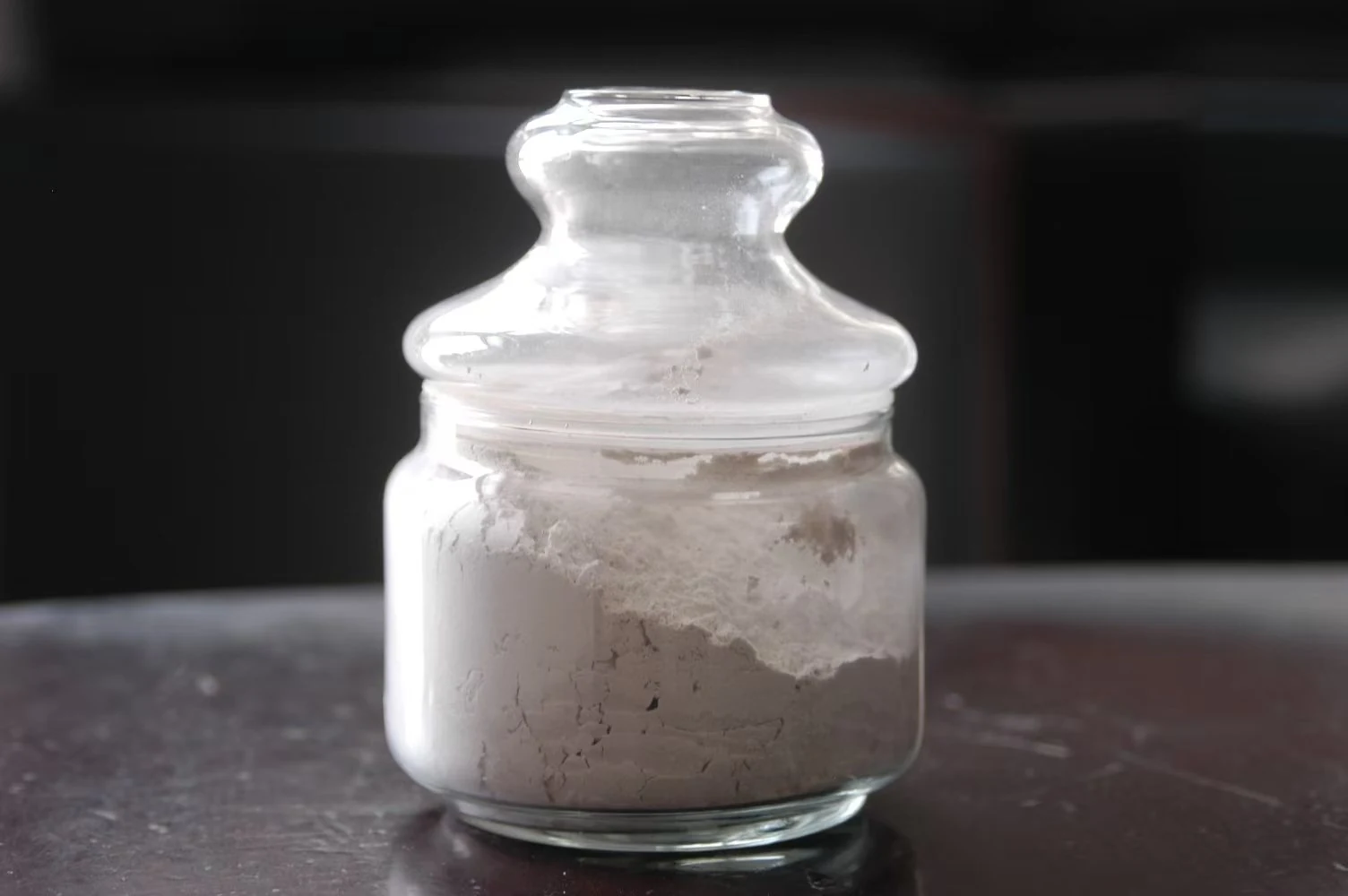
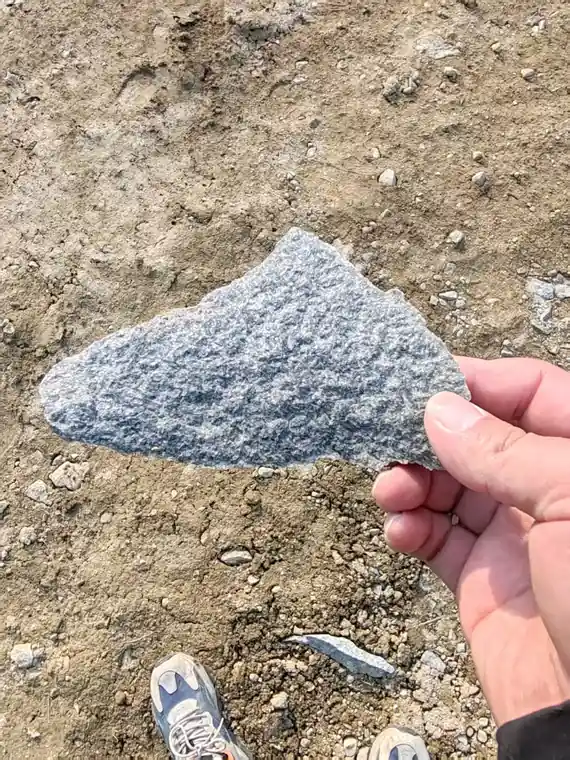
Hand-held sample of nepheline syenite fines
Defect Troubleshooting

Non-Uniform Matte Glaze: Achieving Consistent Matte Surfaces with GP20

When matte glaze finish is patchy or inconsistent — use GP20 nepheline CaO chemistry for controlled devitrification.

Matte glazes achieve their surface through controlled devitrification — partial crystallization during cooling that scatters light.

Understanding This Defect

When the matte effect is patchy (some areas matte, others glossy, or the matte texture varies across the tile surface), the devitrification process is not uniform. Common flux-related causes: insufficient CaO for crystal nucleation (the calcium-alumina-silicate crystals that create the matte effect need adequate CaO to nucleate); uncontrolled cooling rate (too fast = no crystallization, too slow = over-crystallization with rough texture); and inconsistent flux chemistry between batches. Our GP20 grade is specifically formulated for matte glazes: its high CaO (5.34%) provides the calcium nucleation source that promotes uniform crystal growth across the entire surface. Combined with high total alkali (15.63%) for complete initial melting, GP20 ensures the glaze first melts fully at peak temperature, then crystallizes uniformly during the controlled cooling phase. Use GP20 at 15-25% of glaze formulation, cool at 3-5 degrees C per minute through the 1100-900 degrees C crystallization range, and add 2-4% zinc oxide for enhanced matte effect..

Solution & Prevention
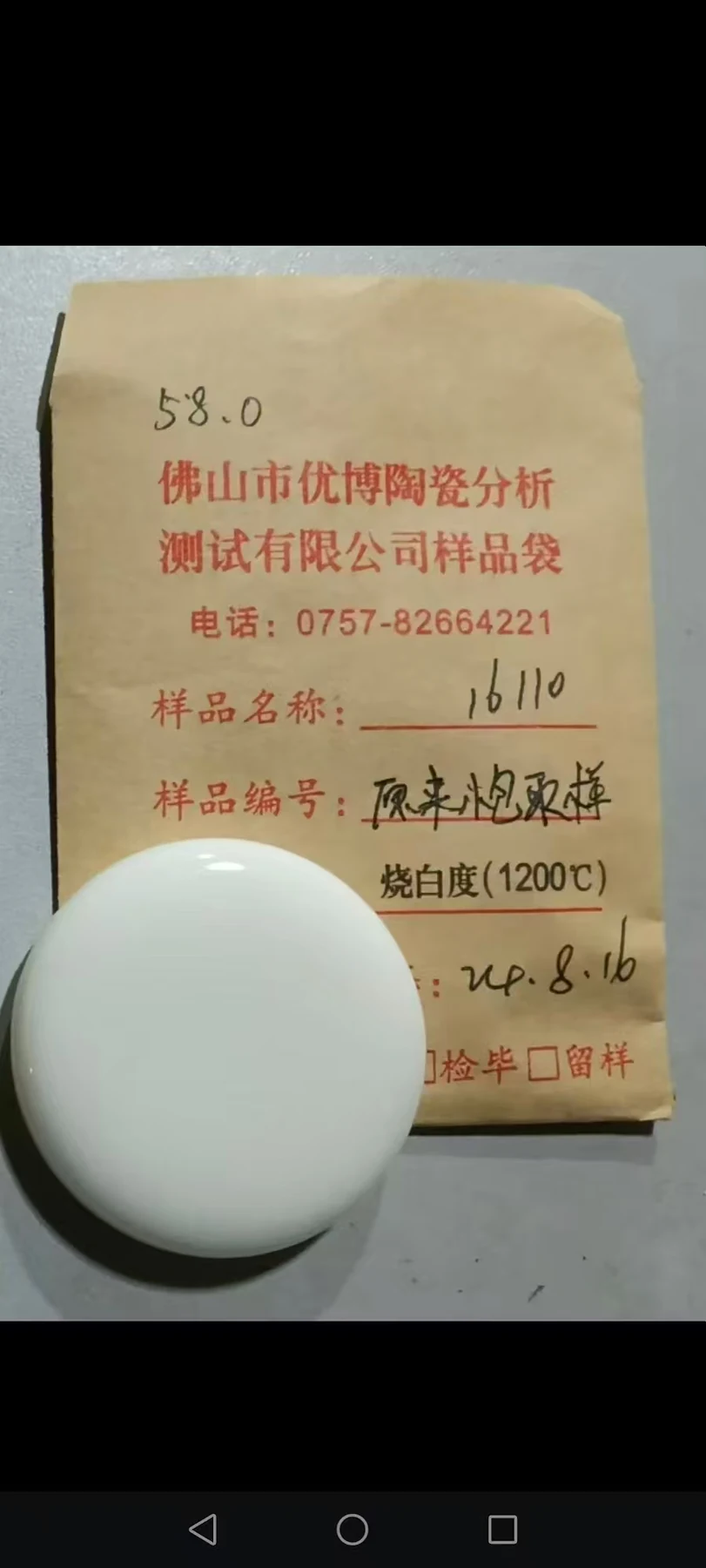
Fired test disc beside its laboratory test report
FAQ

Questions on This Topic

What does Non-Uniform Matte Glaze: Achieving Consistent Matte Surfaces with GP20 cover?

Matte glazes achieve their surface through controlled devitrification — partial crystallization during cooling that scatters light.

What quality documentation comes with a shipment?

A batch-specific Certificate of Analysis covering XRF chemistry, particle size, moisture and fired whiteness at 1200 degrees C. We send it for approval before loading, and originals travel with the shipping paperwork.

Is the material independently tested?

In-house testing covers every batch. Critical export shipments are additionally verified by Foshan Youbo Ceramic Analysis & Testing Co., Ltd., an independent ceramic testing laboratory.

Take It From Reading to Testing

Send your current specification and the problem you are chasing. Samples follow within a week.