
Tension Leveler Machine for 850 mm Cut to Length Lines
On a narrow 850 mm cut to length line the leveler has to hold flatness on small blanks where any bow is visible immediately. Work rolls are pre adjusted to the incoming strip thickness and straightness, and the hydraulic servo system holds that setting through the run.
- Sized for 850 mm cut to length lines
- Q235A welded open frame structure
- Hydraulic servo system with sensor feedback
- Used for electrical parts and automotive blanks
Key Benefits
Why a narrow line still needs a proper leveler.
Flat Blanks From Narrow Coil
Correcting plate shape before the shear is what keeps small blanks flat after cutting, where bow shows up immediately in assembly.
Setting Held Through The Run
The hydraulic servo system holds roll position instead of drifting as load changes across the coil.
Compact Footprint
The machine is dimensioned for narrow line layouts where floor length is limited.
Where It Is Used
Products made on this line size.
- Electrical parts manufacturing
- Automotive component blanks
- Stainless strip processing
- Narrow width sheet production
Who It Is For
- Plants running 850 mm cut to length lines
- Electrical component manufacturers
- Service centres processing narrow coil
- Buyers replacing the leveler inside an existing line
Problems It Solves
- Blanks bowing after cutting
- Roll settings drifting during a coil
- Limited space for a leveling section
- Variable incoming strip straightness
Technical Features
Machine composition.
Main Parts And Hydraulic Servo System
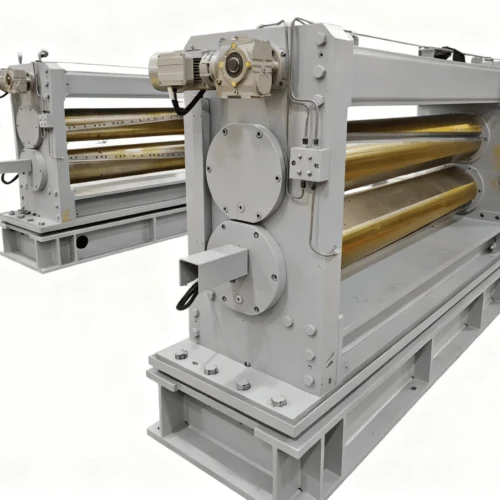
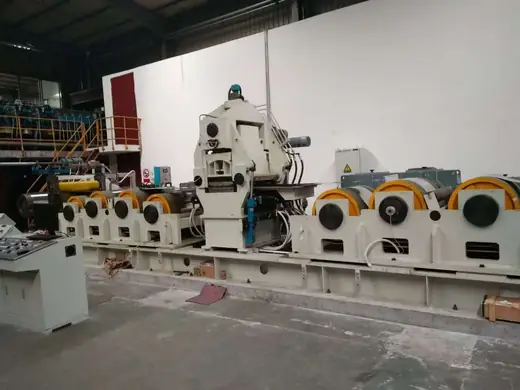
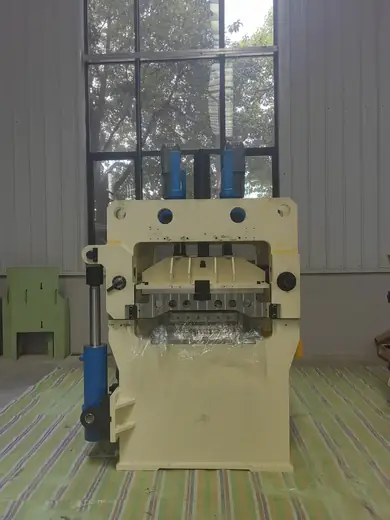
Frame assembly, pressing mechanism, swing mechanism, upper and lower roll devices and sensor devices make up the machine with its hydraulic servo system.
Open Welded Frame
The frame is Q235A steel plate, continuously welded, giving good stress behaviour and strong rigidity.
Pre Adjusted Work Rolls
Work rolls are pre adjusted to the incoming strip thickness and straightness before the coil runs.
Specifications
Configuration follows your line. Reference data is listed below.
| Line Width | 850 mm cut to length line |
|---|---|
| Frame Material | Q235A steel plate, continuously welded |
| Frame Type | Open structure |
| Control | Hydraulic servo system with sensor devices |
| Thickness Reference | From around 0.6 mm to 2.5 mm depending on configuration |
| Material Strength Range | 205 MPa to 1350 MPa class |
| Typical Materials | Stainless steel and carbon steel strip |
Materials
- Q235A steel plate frame
- Alloy steel work and support rolls
- Hydraulic servo components and sensors
Manufacturing Process
Line Review
Line width, material and thickness range are confirmed before configuration.
Frame Fabrication
Plate is cut, continuously welded and machined.
Roll Assembly
Upper and lower roll devices are assembled with the pressing and swing mechanisms.
Hydraulic Setup And Test
Servo system is commissioned and roll response tested.
Quality Control
- Frame machining inspection
- Roll geometry verification
- Hydraulic pressure and response test
- Sensor calibration record
Customization Options
- Thickness and strength range for your material
- Roll configuration for the flatness target
- Interface to the existing shear and stacker
- Control integration with the line PLC
Use Guide
- Pre adjust work rolls for each thickness and straightness condition
- Record settings per material for repeat orders
- Check hydraulic response during planned maintenance
- Inspect roll surfaces when blanks show marks
How It Compares
Against alternatives on a narrow line.
| Cutting without leveling | Blanks keep the shape defects of the coil, which shows up as bow in assembly. |
|---|---|
| Manual roll adjustment | The hydraulic servo system holds the setting through the coil rather than drifting with load. |
| Oversized levelers | A machine dimensioned for 850 mm fits the line layout without wasting floor length. |
Related Products
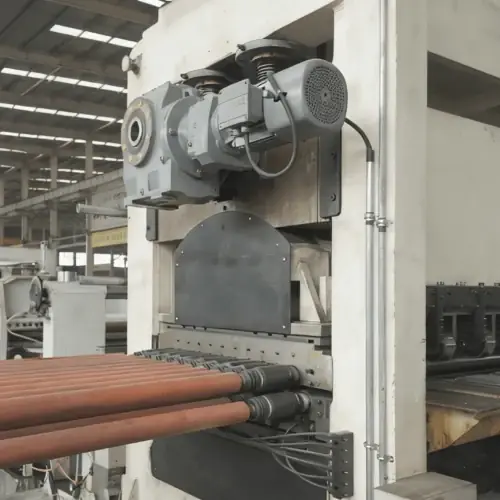
Roller Leveler for Aluminum Sheet Processing
Multi roll precision leveler removing ripples, warping and coil breaks from sheet and coil.
View Details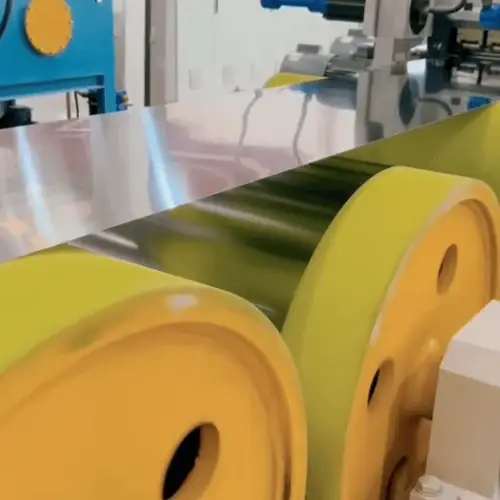
Cut to Length Line With Precision Leveling
Servo driven cut to length line holding length deviation within ±0.5 mm at speeds to 120 m/min.
View DetailsCut to Length Machine With Tension Leveler
Q235A welded frame machine with hydraulic servo system for stainless strip cut to length work.
View Details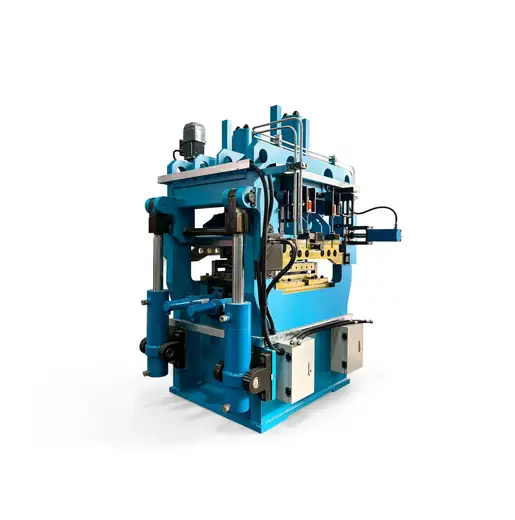
Multi Roll Leveler for 0.08-1 mm Copper Strip
Copper strip leveler for 0.08-1 mm material used in electrical and electronic components.
View DetailsRelated Technical Articles
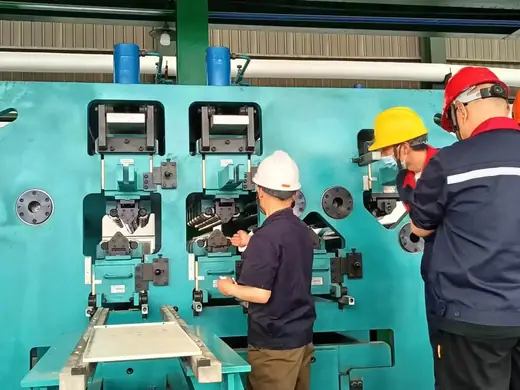
Tension Leveler For Steel Coil Working Principle And Specifications
Double bending and double straightening, the three stage sequence inside the machine, and the specification envelope it works in.
Read More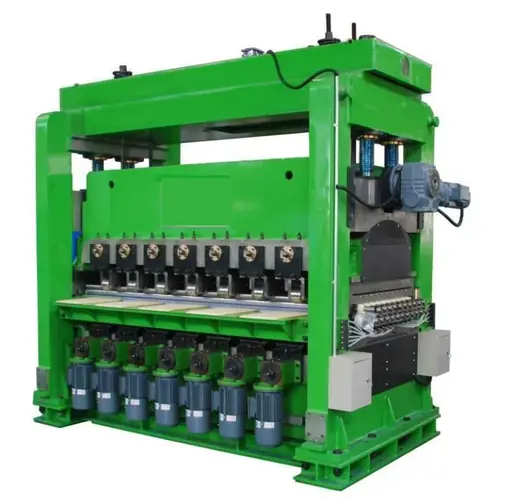
Choosing A Multi Roll Straightener Configuration For Mixed Materials
One machine can straighten high strength steel, stainless and titanium, but never with the same parameters.
Read MoreMaintaining A 23 Roll Tension Leveler For Aluminum Plate
Overload, roll wrapping and lubrication are the three operating mistakes that destroy work rolls on aluminum lines.
Read MoreTension Leveler Machine for 850 mm Cut to Length Lines FAQ
Is this only for 850 mm lines?
This configuration is built for an 850 mm cut to length line. Other widths are configured the same way against your line data.
How are work rolls set?
They are pre adjusted according to the thickness of the incoming strip and its straightness, through the hydraulic servo system.
What materials can it process?
Stainless and carbon steel strip across a wide strength range, subject to the configuration agreed for your line.
Can it replace the leveler in our existing line?
Yes. Send the line layout with available length and the existing interfaces and we design to fit.
What is the frame made from?
Q235A steel plate, continuously welded in an open structure for good stress distribution and rigidity.
What do you need to quote?
Line width, material grade and strength, thickness range, line speed and the flatness you need.
Upgrade Your Narrow Line Leveler
Send your line data and we come back with a leveler configuration for your cut to length line.