
Application Note
Application Note Metallized Rings in Hermetic Feedthroughs
This note describes the metallizing specification used when an alumina ring has to be brazed into a sealed metal housing. It is based on our own process data rather than a named customer programme.
The Engineering Challenge
A hermetic joint fails at the ceramic surface, not in the braze alloy. If the metallized layer is thin, patchy or oxidised, the alloy does not wet evenly and the seal leaks under thermal cycling.
Pain Points This Addresses
- Joints leaking because metallization thickness varies between lots
- Braze alloy refusing to wet the ceramic surface
- A failed joint being disputed between the ceramic supplier and the brazing house
The Specification We Propose
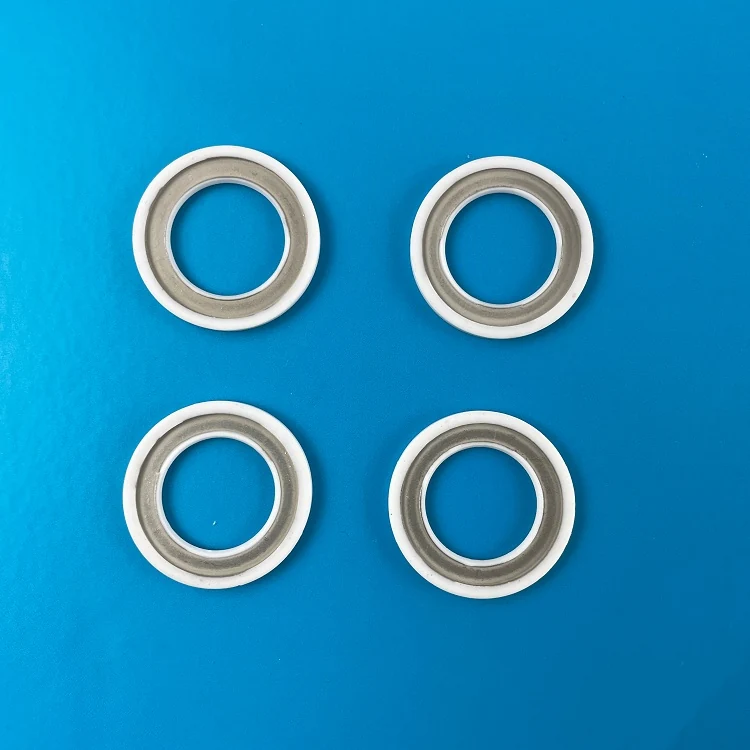
The ring carries a molybdenum manganese layer at 25 plus or minus 10 microns with nickel plating at 2 to 10 microns, giving an average pin pull strength of 4200 kgf/cm2 on a 3.0 mm diameter pin. Copper, gold and silver plating are available to match the braze alloy, on 95% or 96% alumina, AlN or BeO bodies.
How the Part Is Made
- Define the metallized band position and width on the drawing
- Select the ceramic body and the plating to suit the braze alloy
- Apply and fire the Mo Mn layer, then plate
- Braze the assembly in house where the finished sub-assembly is required
Quality Control
Metallization and plating thickness are checked against the 25 plus or minus 10 micron and 2 to 10 micron windows, and pull strength is verified against the 4200 kgf/cm2 average figure.
What You End Up With
A single supplier carries the ceramic, the metallizing and the braze, which removes the split responsibility that makes hermetic joint failures so hard to close out.
This note is written from our published product data. It does not describe a named customer project and no client results are claimed.
Products Referenced in This Note
 Metallized Ceramic PartsMetallized Alumina Ceramic RingMo Mn metallized and plated rings ready to braze to metalView specifications
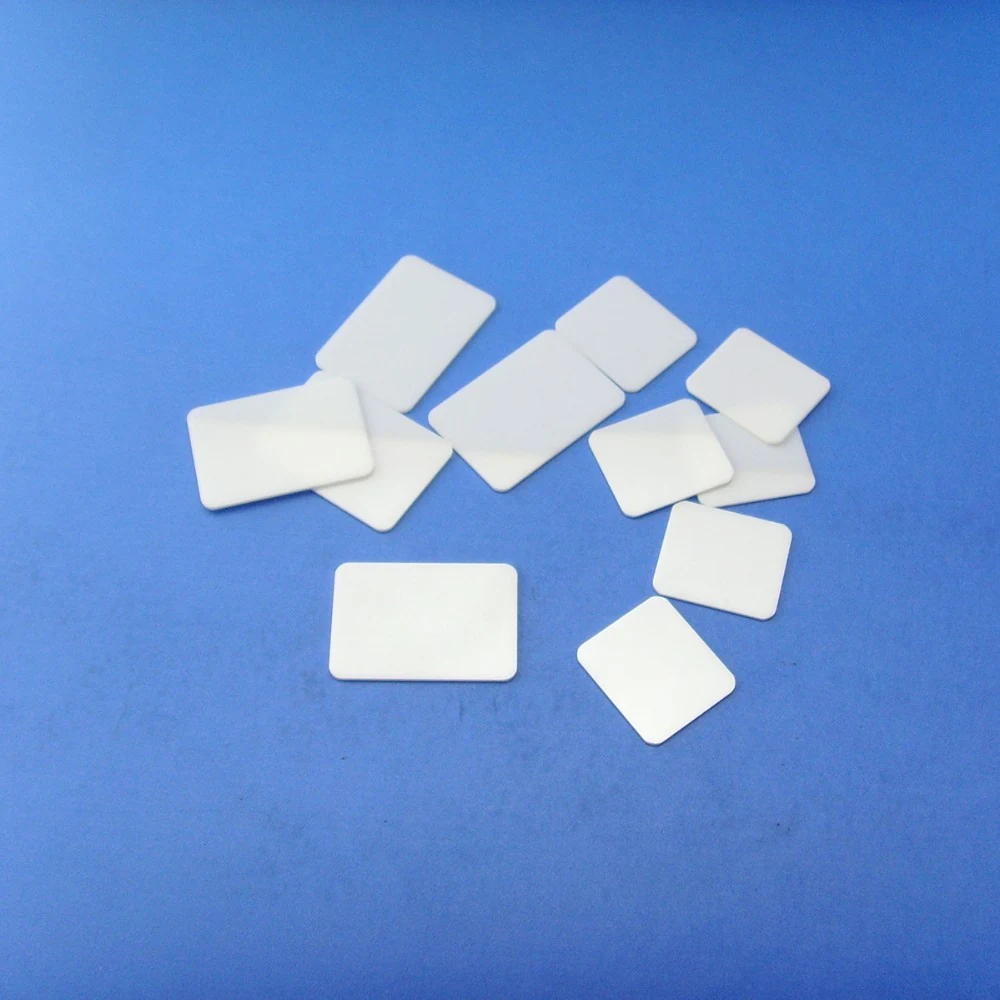 Al2O3 Alumina Ceramic PartsAl2O3 Alumina Ceramic SubstratesHeat spreading insulating plates from 0.1 mm thickness with laser scribingView specifications
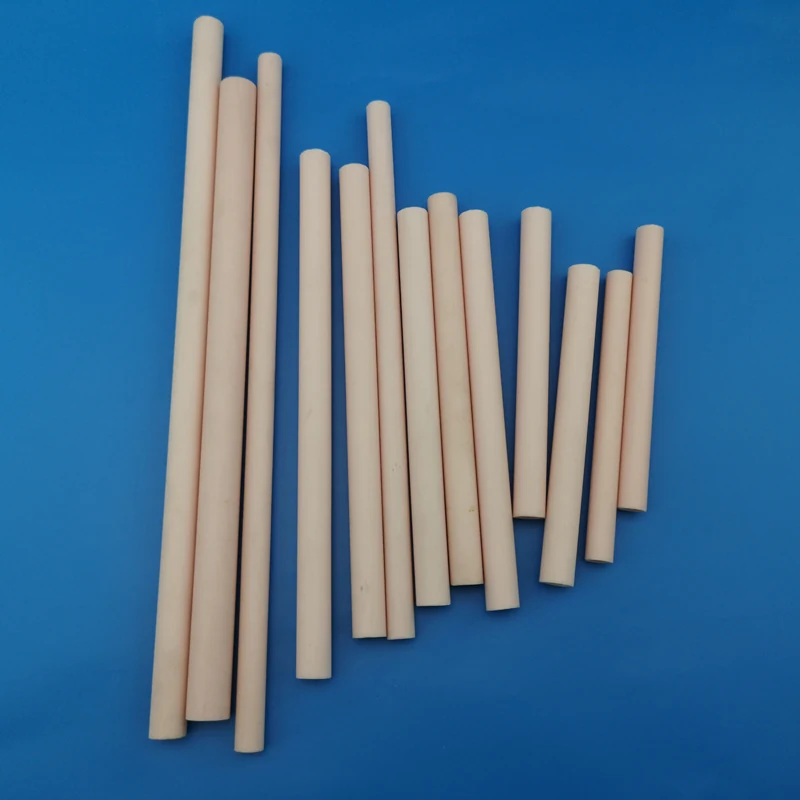 Al2O3 Alumina Ceramic PartsRefractory Alumina Ceramic TubeWork tubes thermocouple sheaths and element supports to 1650 degrees CView specifications
Apply This to Your Own Part
Send the drawing or the worn component. We will come back with the material, the tolerance and the trial quantity.
Send a 2D or 3D drawing by WhatsApp or email. Samples in 4 to 7 working days.