
Standard Rubber & Plastic Pads
Twenty-two moulded pad patterns: ribbed, diamond-lattice, slotted and plain faces.
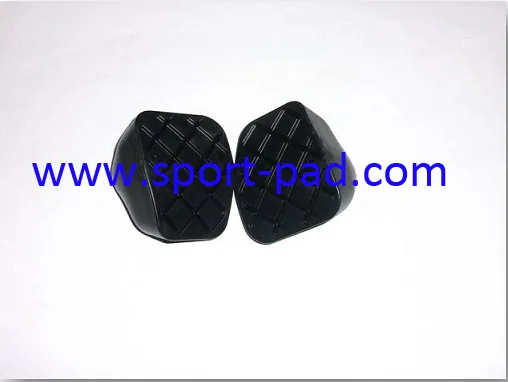
VW Pad 01
Standard Rubber & Plastic Pads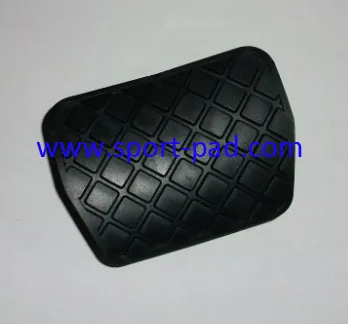
VW Pad 02
Standard Rubber & Plastic Pads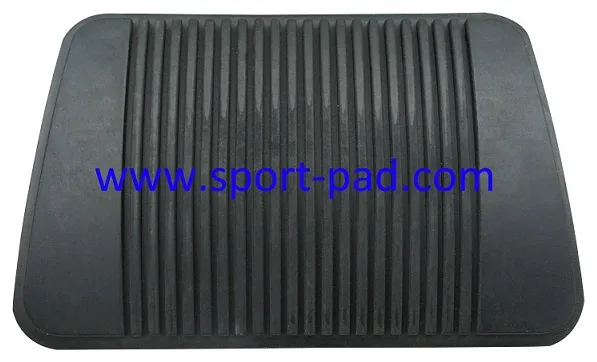
Rubber Pad 1
Standard Rubber & Plastic Pads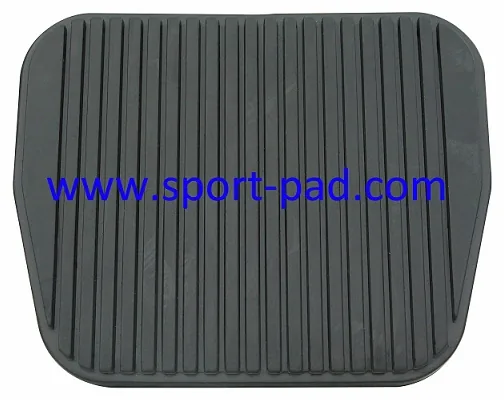
Rubber Pad 2
Standard Rubber & Plastic Pads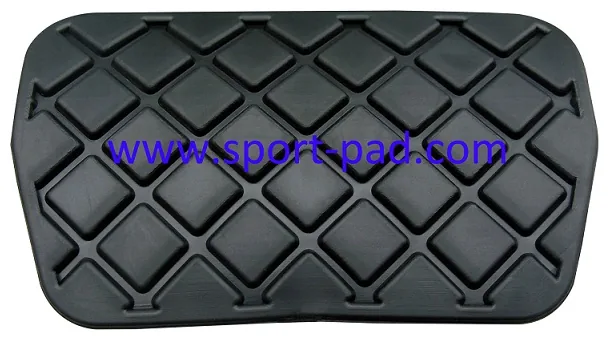
Rubber Pad 3
Standard Rubber & Plastic Pads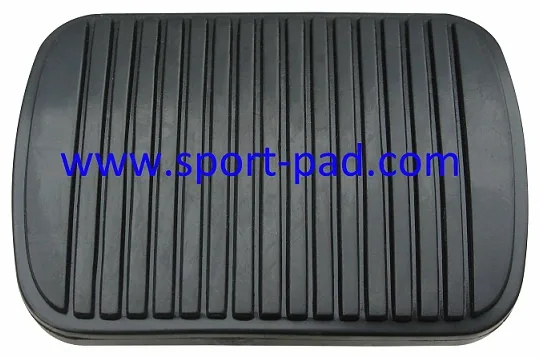
Rubber Pad 4
Standard Rubber & Plastic Pads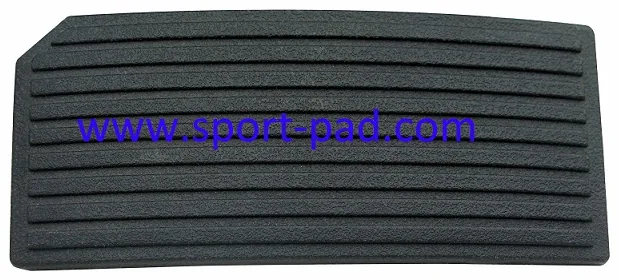
Rubber Pad 5
Standard Rubber & Plastic Pads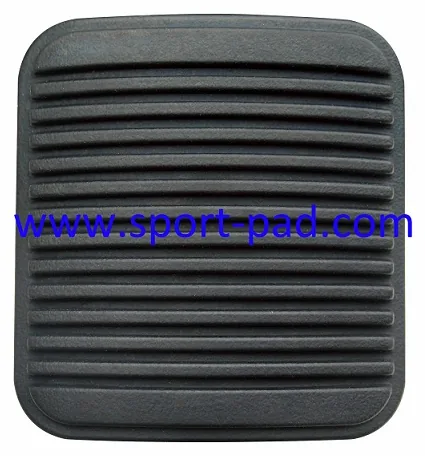
Rubber Pad 6
Standard Rubber & Plastic Pads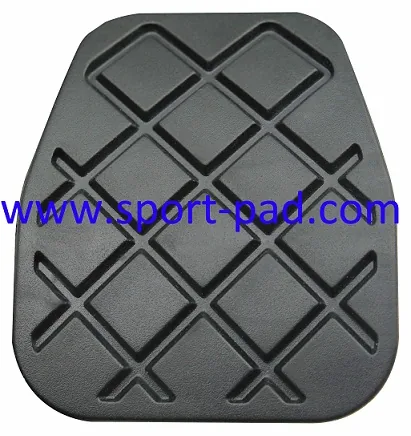
Rubber Pad 7
Standard Rubber & Plastic Pads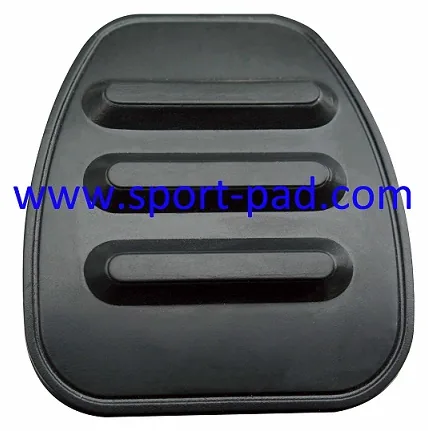
Rubber Pad 8
Standard Rubber & Plastic Pads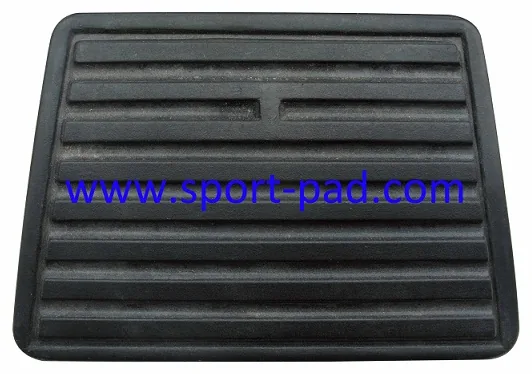
Rubber Pad 9
Standard Rubber & Plastic Pads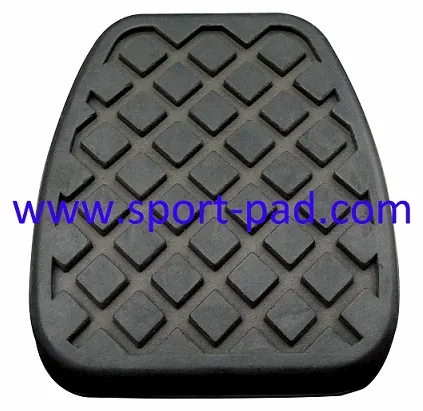
Rubber Pad 10
Standard Rubber & Plastic Pads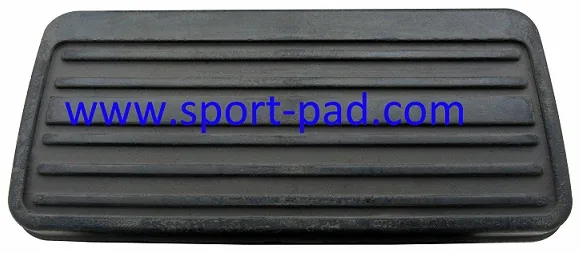
Rubber Pad 11
Standard Rubber & Plastic Pads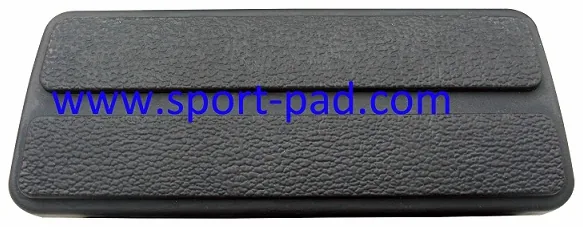
Rubber Pad 12
Standard Rubber & Plastic Pads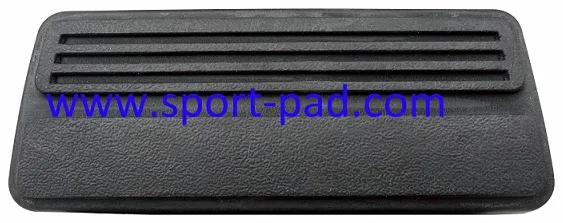
Rubber Pad 13
Standard Rubber & Plastic Pads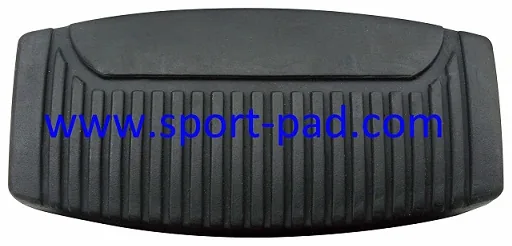
Rubber Pad 14
Standard Rubber & Plastic Pads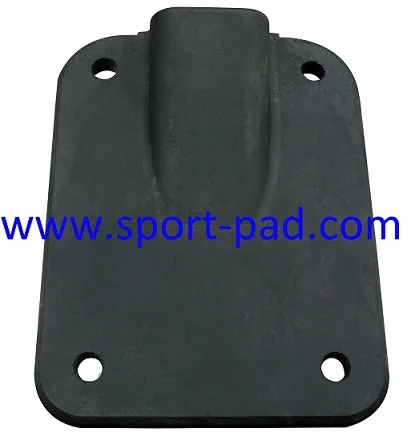
Rubber Pad 15
Standard Rubber & Plastic Pads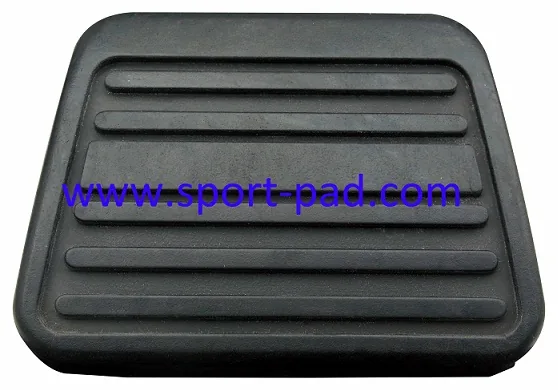
Rubber Pad 16
Standard Rubber & Plastic Pads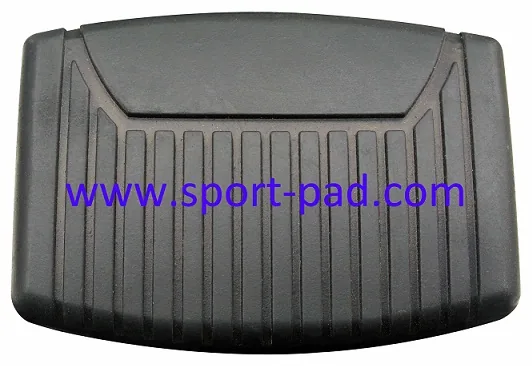
Rubber Pad 17
Standard Rubber & Plastic Pads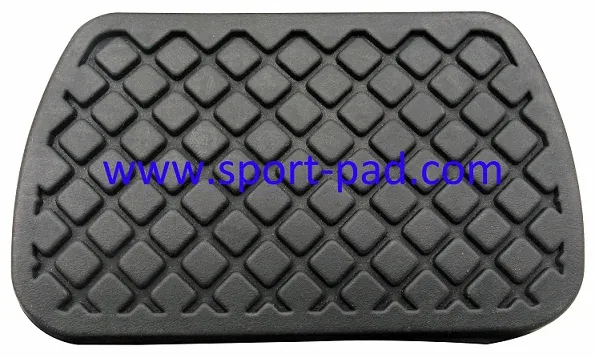
Rubber Pad 18
Standard Rubber & Plastic Pads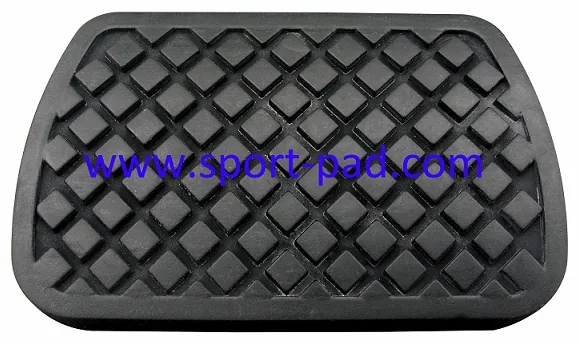
Rubber Pad 19
Standard Rubber & Plastic Pads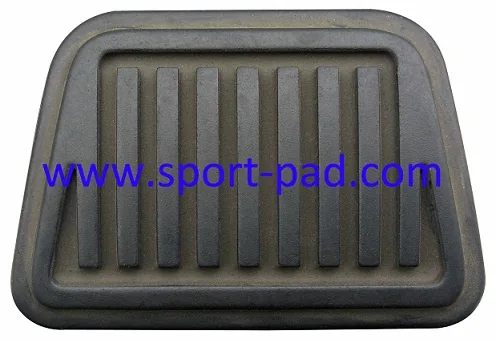
Rubber Pad 20
Standard Rubber & Plastic PadsOne compound, one tool, one shot
These are single-compound mouldings with no metal in them. They press or clip onto a steel pedal arm, and everything that makes them work — tread, retaining rim, mounting holes, locating tabs — is formed in the tool rather than added afterwards.
Reading the tread
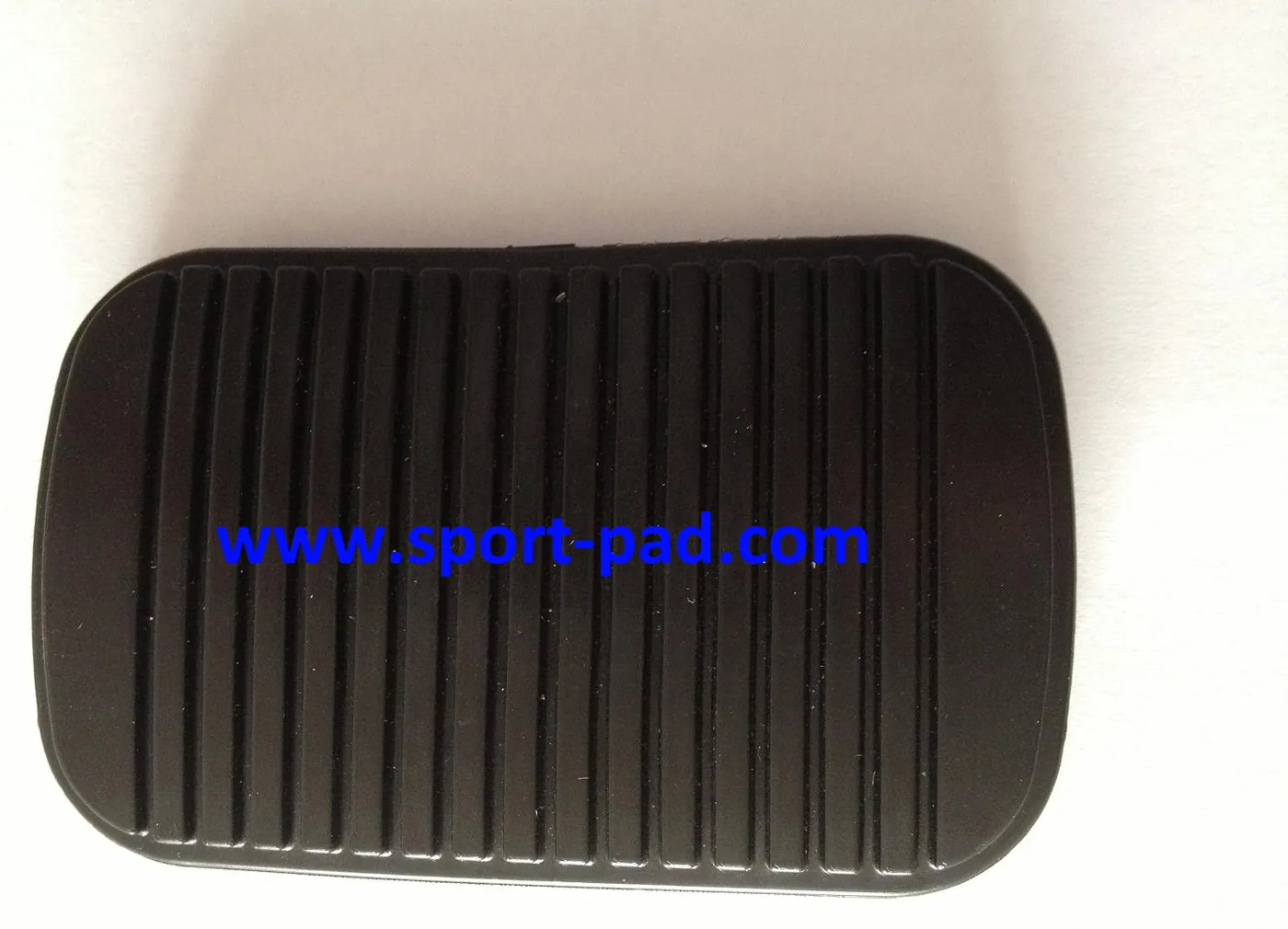
Four tread families appear across this group: parallel ribs, diamond lattices, raised ovals and plain faces. Ribs clear water and wear slowly; lattices grip in two directions at once; plain faces rely on compound hardness rather than pattern.
Where the compound decision lands
With no metal face to hide behind, the compound is the part. EPDM for weather and ozone, SBR where cost governs, NBR where the pedal box sees oil, TPE or TPE-SEBS where the part has to be soft-touch or recyclable. Shore A hardness belongs on the drawing.
Related groups
Questions buyers ask
How many parts are in this group?
22 at the moment. Every one is an existing tooled part with a photograph of the real component, not a rendering.
Can I order a part from this group as it is?
Most of these were developed for a specific customer programme, so tell us the part and the annual volume and we will confirm what can be supplied and on what terms.
What if my part is similar but not identical?
Send the drawing or the sample. A near-match often means an existing tool can be modified rather than replaced, which changes both the cost and the timing.
Quoting standard rubber & plastic pads
Send the part name and the annual volume. Compound and hardness can be proposed by us; volume and service conditions cannot.