
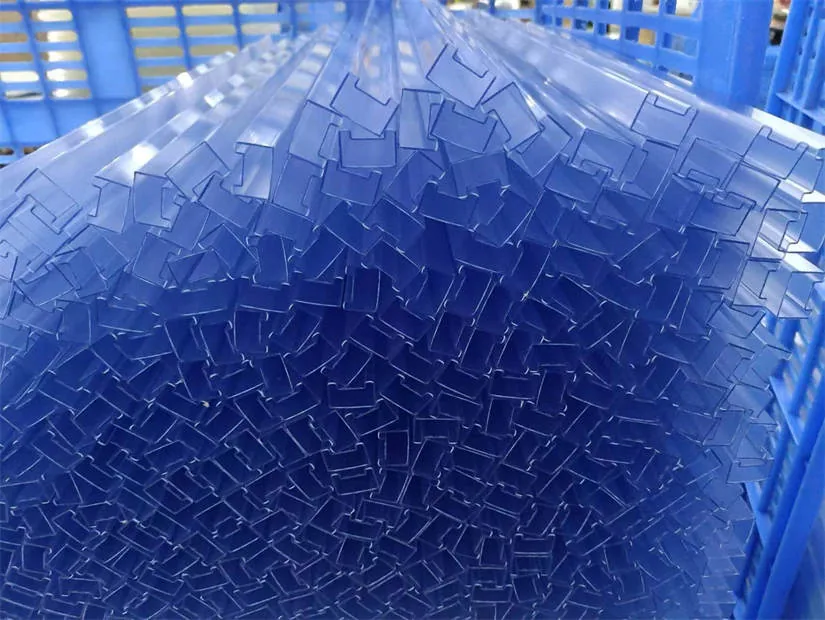
Guides on Specifying and Buying ESD Packaging
Written from the production floor for engineers and buyers who have to make the call. Every guide states what is known and what depends on your device.
- Home
- Knowledge Center
What Each Format Is and What It Does
Start here if you are choosing between tube, tape and tray.
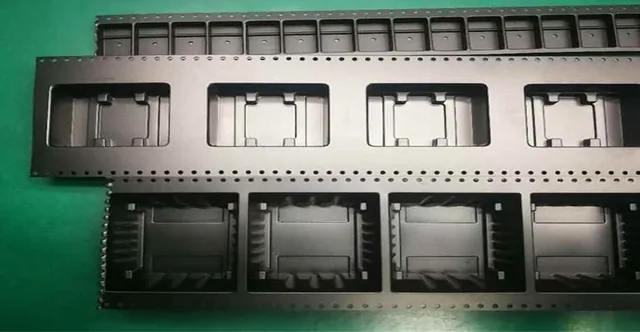
Carrier Tape vs Cover Tape: Key Differences
The carrier tape holds the electronic component in a pocket and provides indexing holes for the pick and place machine.
Read GuideCarrier Tape Types By Width, Pocket And Anti Static Level
The carrier tape is a tape-shaped product with equidistant cavities for holding electronic components.
Read Guide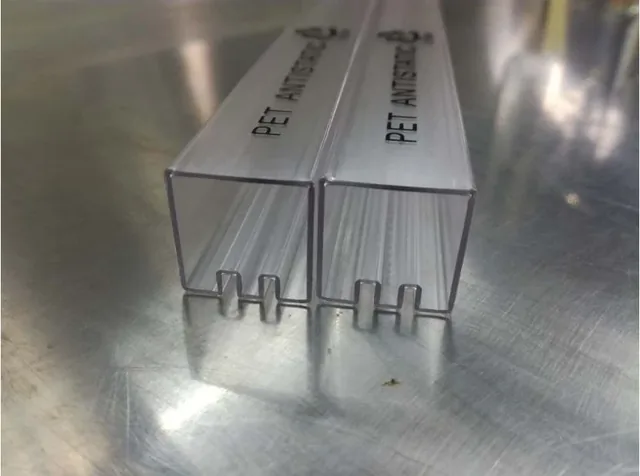
Custom IC Tubes For Specific Device Profiles
Each IC tube is extruded to match a unique device profile—shape, width, cavity depth and end plug type.
Read Guide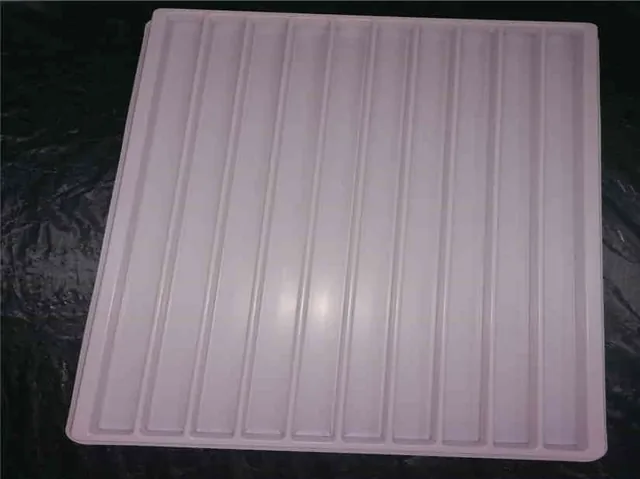
Vacuum Formed Trays For Component Packaging
Vacuum formed trays are made by heating a plastic sheet, stretching it over a mold, and pulling it down with vacuum pressure.
Read GuideChoosing Resin Profile and Closure
The decisions that get locked in when tooling is cut.
Six Advantages of PET Carrier Tape
PET carrier tape is selected when mechanical strength, environmental resistance and dimensional stability are critical.
Read Guide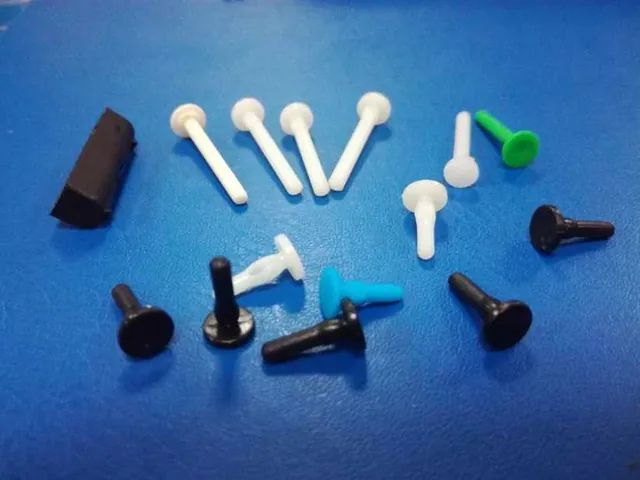
How To Choose IC Tube Stoppers
An anti-static IC tube is a precision profile designed to hold components during transport and feeding.
Read Guide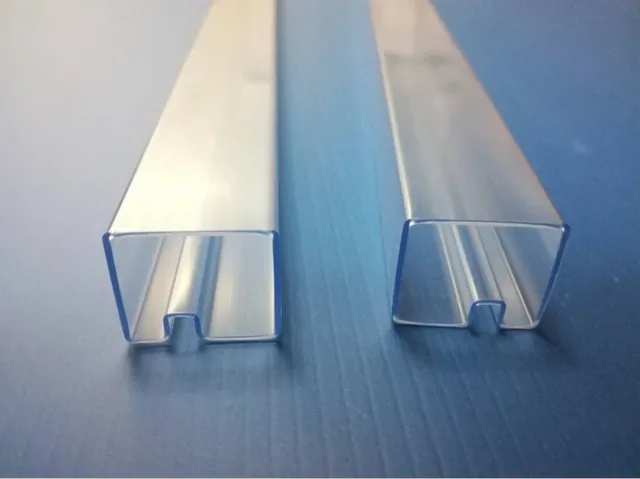
Custom Anti Static IC Tube Guidelines
To begin customization, supply four items: the tube material, part size, desired tube length, and plug type.
Read Guide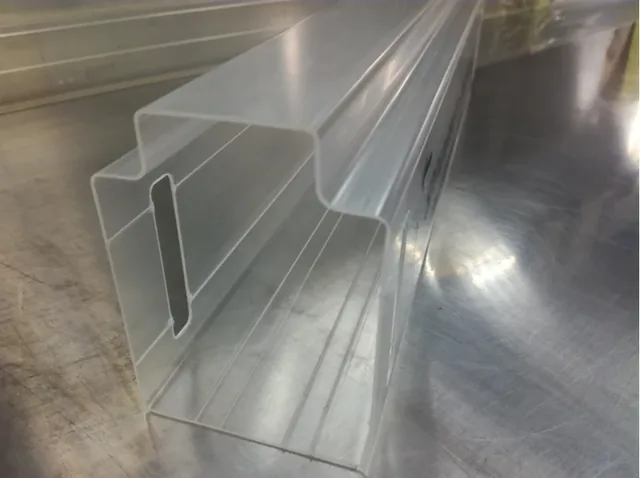
Materials For Anti Static IC Tubes
IC shipping tubes are made from several plastics including PVC, PS, PET, PC, and ABS.
Read GuideHow the Packaging Is Made and Checked
What happens on the extrusion line and why it shows up in your parts.
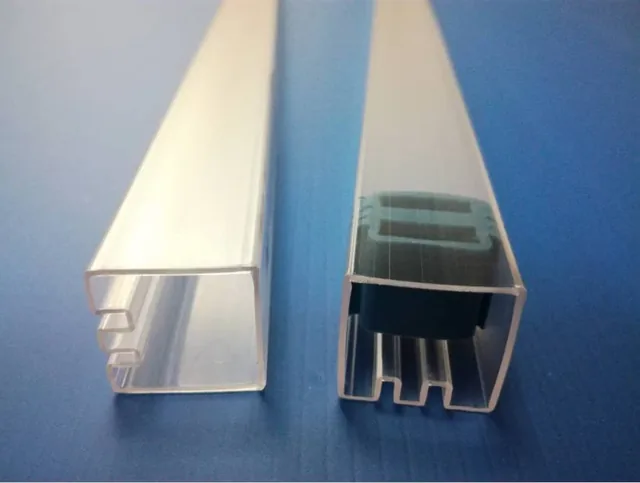
Factors Affecting IC Tube Appearance
A tube's appearance affects the buyer's perception of quality, even though it does not impact function.
Read GuideHow to Fix Carrier Tape and Cover Tape Sealing Cracks
Sealing cracks form when the carrier tape and cover tape are not matched in material, adhesive type, or thickness.
Read Guide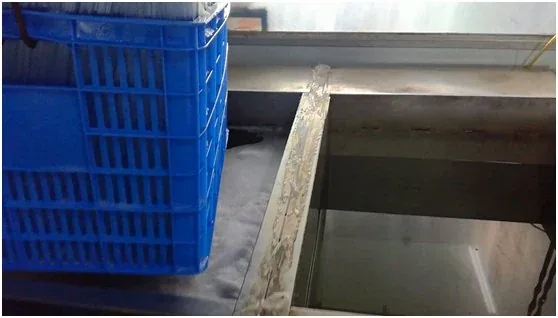
How Anti Static IC Tubes Are Made From PVC
The process starts with PVC resin fed into an extruder.
Read GuideOrdering Storing and Inspecting
MOQ, incoming checks, storage and the traps in a first order.
Why IC Shipping Tube MOQ Is High
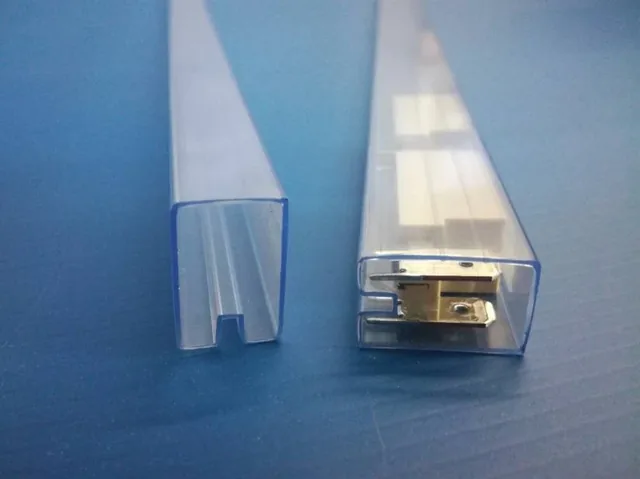
The minimum order quantity for custom anti-static IC shipping tubes is high because each production run requires machine re-molding, setup adjustment and dimensional verification.
Read Guide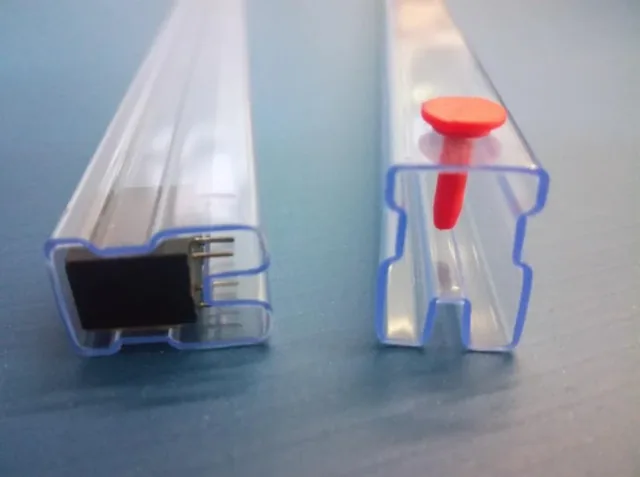
Packaging Forms For Electronic Components
Surface mount components are packaged in four primary forms: tape, tube, tray, and bulk.
Read GuideFour Points To Check When Buying IC Tubes
A supplier with independent R D and design capabilities can produce an anti-static IC tube from a part drawing without requiring a physical sample.
Read Guide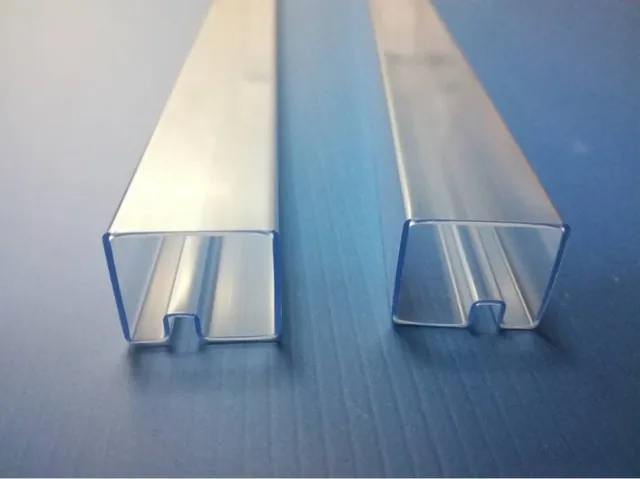
How to Identify Quality IC Shipping Tubes
A poorly made tube causes jams, rejects and downtime on the SMT line.
Read Guide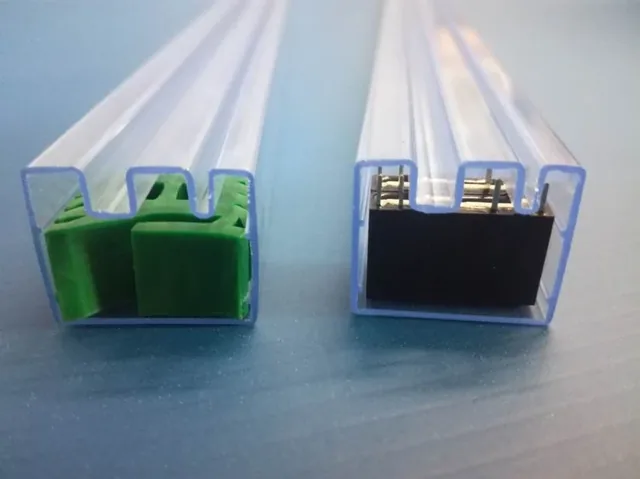
How To Store IC Tubes Without Aging
Plastic IC tubes degrade over time when exposed to heat, light, humidity or physical load.
Read GuideAbout These Guides
Who writes these guides?
They are built from the SEWATE production and engineering notes on the original site, rewritten for buyers who have to specify packaging without seeing the plant.
Are the numbers in the guides binding?
The figures come from SEWATE product data. Anything that depends on your device, your line or your storage conditions is called out as such rather than stated as a guarantee.
Which guide should I read before a first order?
The four points to check when buying anti-static shipping tubes, and the guide on why tube MOQ is high. Together they cover most first-order surprises.
Do the guides cover carrier tape as well as tubes?
Yes. Carrier tape classification, the difference between carrier and cover tape, PET tape properties and cover tape sealing cracks each have their own guide.
A Question These Guides Do Not Answer
Send the device details and the specific question. Engineering answers within 24 hours rather than pointing you back at a datasheet.