
Carrier Tape vs Cover Tape: Key Differences
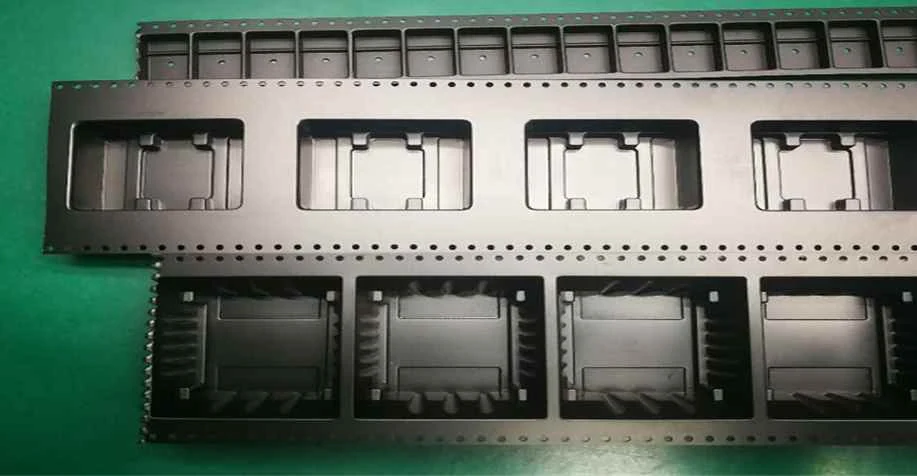
The carrier tape holds the electronic component in a pocket and provides indexing holes for the pick and place machine.
- Home
- Knowledge Center
- Carrier Tape vs Cover Tape: Key Differences
On this page
What Each Tape Does in the Packaging System
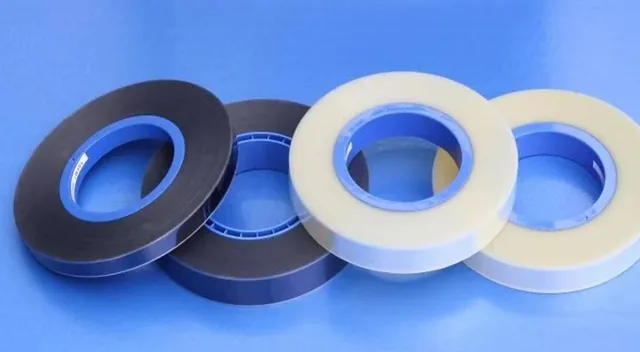
The carrier tape holds the electronic component in a pocket and provides indexing holes for the pick and place machine. The cover tape seals the component inside the pocket by adhering to the carrier tape, forming a closed space that protects the component from dust, moisture, and mechanical shock during transport and storage.
Material and Construction Differences
The carrier tape is typically made from rigid plastic such as PETG, PS, or HIPS, with a consistent thickness and a series of evenly spaced pockets. The cover tape is a flexible film, usually based on polyester or polypropylene, with a functional layer such as an antistatic coating and an adhesive layer that activates under pressure or heat.
How They Work Together
The cover tape is applied over the carrier tape after the components are loaded into the pockets. When sealed, it creates a protective barrier. The seal must be strong enough to prevent opening during handling but must allow for clean peeling during the feeding process at the SMT line.
Why Misidentifying Them Causes Feeding Issues
Using a cover tape without a carrier tape leaves components unsecured. Using a carrier tape without cover tape exposes components to contamination and damage. Both errors lead to rejected components, feeder jams, and line downtime.
Sealing Integrity and Crack Prevention
A seal crack between the cover tape and carrier tape can allow moisture or dust into the pocket. This is especially critical for moisture-sensitive components. The seal must be checked before use, and the correct tape combination must be used for the component profile and environmental conditions.
Matching the Right Cover Tape to the Carrier Tape
The adhesive strength, peel force, and film thickness of the cover tape must match the carrier tape's surface and the component's weight. Using a mismatched cover tape can result in poor sealing, premature opening, or damage to the component during peeling.
Products In This Guide
The products this guide applies to.
Cover Tape
Cover tape seals onto carrier tape to protect electronic components during transport and storage.
View Details
Plastic Reels
Plastic reels are injection molded spools used to hold carrier tape and reel assemblies for SMD components during storage and automated placement.
View Details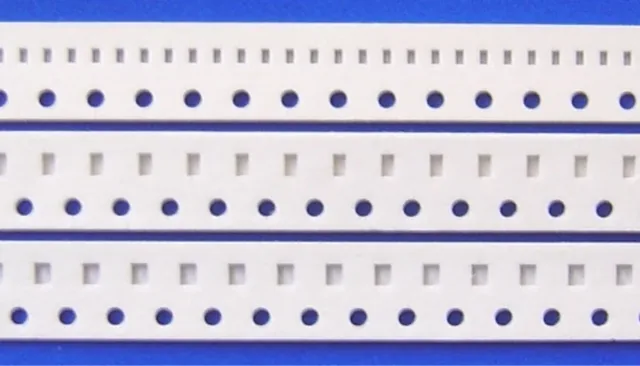
Pre-punched Paper Carrier Tape
Pre-punched Paper Carrier Tape is a paper-based carrier tape with cavities pre-formed to hold SMD components like 0201, 0402, 0603, 0805, and 1206 devices.
View DetailsKeep Reading
Guides that cover the next question.
How to Fix Carrier Tape and Cover Tape Sealing Cracks
Sealing cracks form when the carrier tape and cover tape are not matched in material, adhesive type, or thickness.
Read GuideCarrier Tape Types By Width, Pocket And Anti Static Level
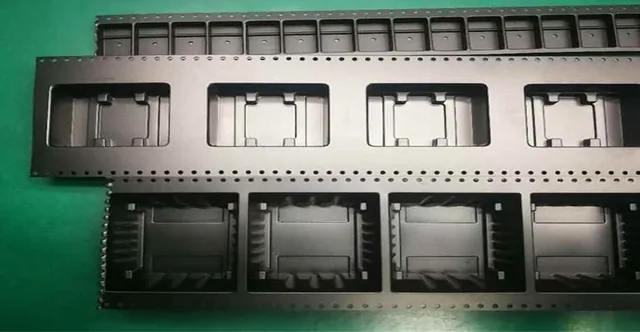
The carrier tape is a tape-shaped product with equidistant cavities for holding electronic components.
Read Guide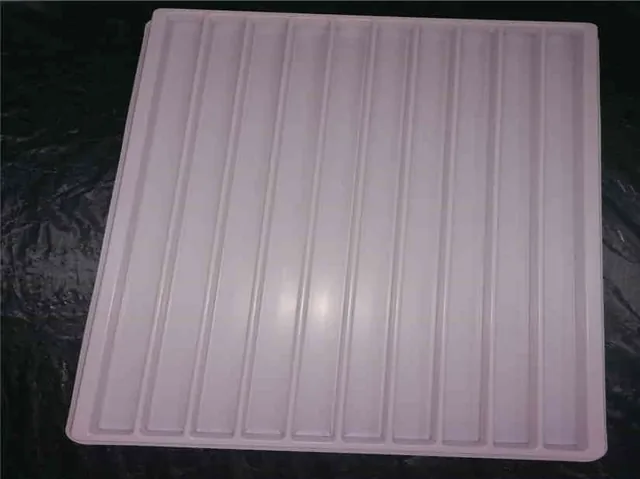
Vacuum Formed Trays For Component Packaging
Vacuum formed trays are made by heating a plastic sheet, stretching it over a mold, and pulling it down with vacuum pressure.
Read GuideQuestions From This Guide
Can I use any cover tape with any carrier tape?
No. The cover tape must be compatible with the carrier tape’s material, surface finish, and thickness. Mismatched tapes can cause sealing failure, poor peel performance, or damage to the component.
What happens if the cover tape seal cracks during shipping?
A cracked seal allows dust, moisture, or debris into the pocket. This can cause soldering defects, short circuits, or component rejection during inspection or assembly.
How do I know which cover tape to use for my component?
The cover tape must match the carrier tape’s profile, the component’s weight, and the required sealing method (pressure or heat). Provide the component dimensions and handling conditions to your supplier for correct selection.
Is the adhesive on the cover tape permanent?
No. The adhesive is designed to seal during packaging but must peel cleanly during feeding. It is not permanent and is tested for peel strength and residue-free removal.
Can I reuse a carrier tape with a cover tape already applied?
No. Once sealed, the cover tape cannot be reapplied without risk of contamination or seal failure. Reuse is not recommended for production use.
Apply This to Your Own Parts
Send the device and the current packaging. The recommendation comes back with a material, a profile and a lead time.