
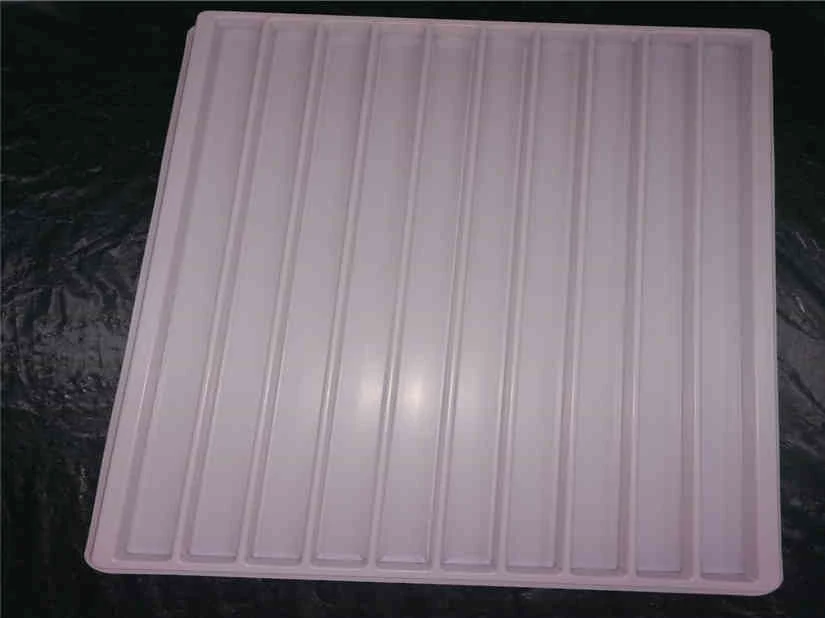
Vacuum Formed Trays For Component Packaging
Vacuum formed trays are made by heating a plastic sheet, stretching it over a mold, and pulling it down with vacuum pressure.
- Home
- Knowledge Center
- Vacuum Formed Trays For Component Packaging
On this page
- What Makes Vacuum Formed Trays Different From Other Packaging
- How The Process Controls Fit And Protection
- Material Options For ESD And Non-ESD Applications
- Design Flexibility For Component Layout And Counting
- Space Saving With Nesting And Thin Wall Construction
- Use In High Volume And High Value Component Handling
- Custom Tooling Lead Time And Production Capacity
What Makes Vacuum Formed Trays Different From Other Packaging
Vacuum formed trays are made by heating a plastic sheet, stretching it over a mold, and pulling it down with vacuum pressure. This process creates a rigid, custom-shaped insert that fits a specific component profile. Unlike injection molded trays, vacuum forming uses lower tooling cost and thinner material, making it ideal for high volume runs and complex cavity layouts without the high setup cost.
How The Process Controls Fit And Protection
The mold defines the cavity shape exactly. A close fit to the component reduces movement during handling and transit. The profile is held within 5 mils of the intended dimension, which is critical for components that must not shift in automated pick and place systems. The tray is cooled and removed from the mold while maintaining that shape.
Material Options For ESD And Non-ESD Applications
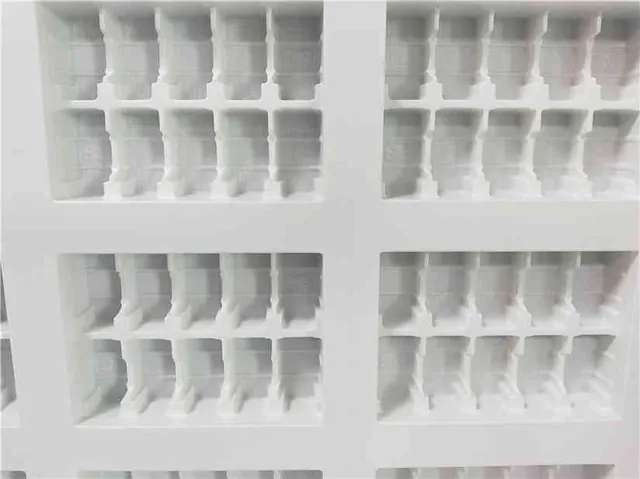
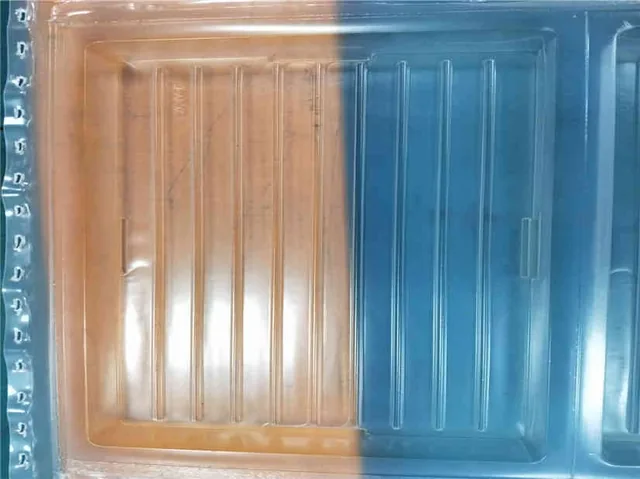
Trays can be made from PVC, PS/HIPS, PC, PETG, or ABS. Each material offers different strength, clarity, and static control properties. ESD and antistatic versions are available when the component requires protection from electrostatic discharge during handling and shipping.
Design Flexibility For Component Layout And Counting
Cavities can be arranged in any layout, including even numbers like 50 or 100 per tray. This allows for consistent counting during inventory and line feeding. The cavity shape can be tailored to match the exact profile of the component, including undercuts, flanges, and alignment features.
Space Saving With Nesting And Thin Wall Construction
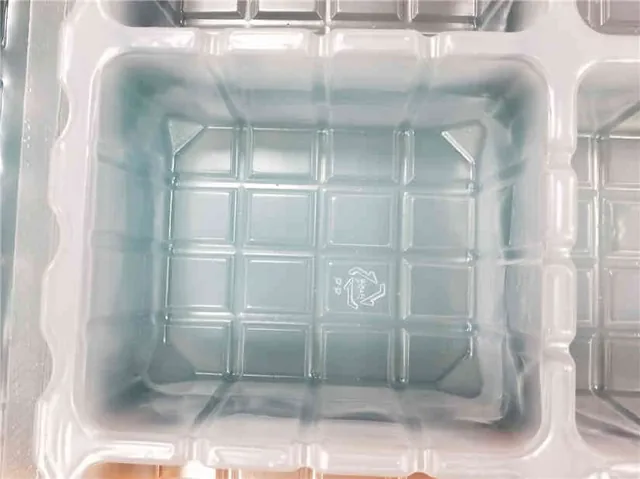
The trays use thin material, which reduces weight and shipping cost. When not in use, trays can be nested to save storage space. This is especially useful for high volume operations where storage and handling efficiency matter.
Use In High Volume And High Value Component Handling
Vacuum formed trays are designed for repeated use in material handling across factories and supply chains. They protect high value components from mechanical shock, dust, and ESD. The rigid structure prevents collapse under load during transport.
Custom Tooling Lead Time And Production Capacity
Custom tooling takes 25 days for basic low volume, 4 to 6 weeks for typical volume, and 10 to 12 weeks for complex or high volume tools. The factory produces 150 tons of finished products per month, with a weekly capacity of 50,000 pieces.
Products In This Guide
The products this guide applies to.
Carrier Tape Materials
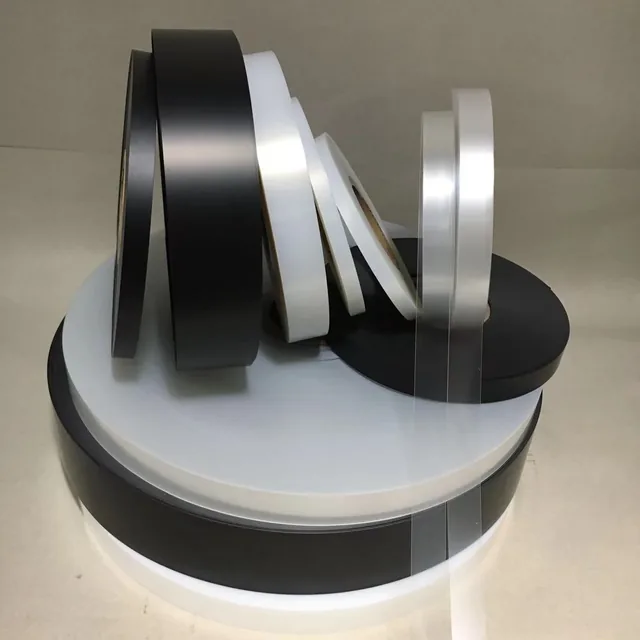
Carrier tape materials are extruded and embossed sheets made from PS, PET, PC, ABS, or HIPS, designed to hold electronic components in fixed pockets for automated pick and place.
View Details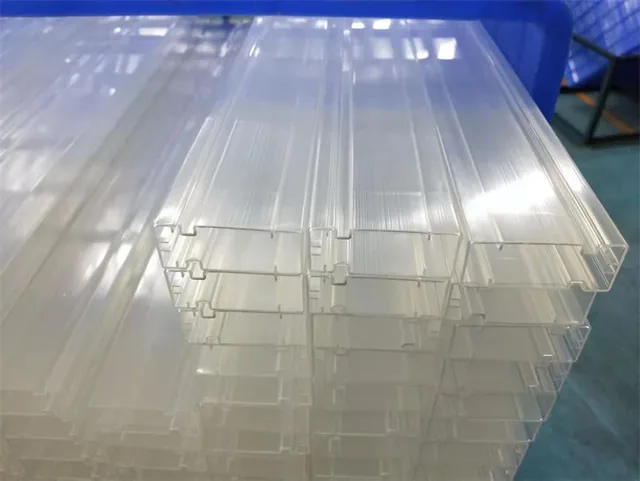
Custom IC Tubes
Custom IC Tubes are extruded plastic channels designed to match the exact profile of a specific device body, from through-hole to surface-mount components, ensuring consistent feed and protection during transport and assembly.
View Details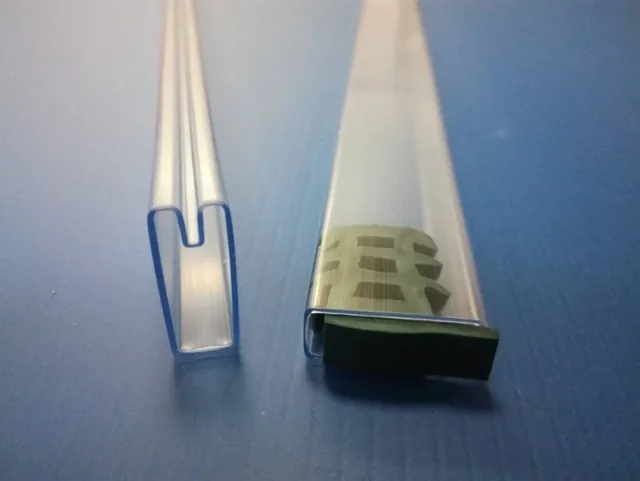
IC Component Tubes
IC Component Tubes are extruded plastic channels designed to hold electronic components such as ICs, relays, switches, connectors, sensors, power modules, LEDs, and medical instruments in a fixed orientation during shipping and processing.
View DetailsKeep Reading
Guides that cover the next question.
Custom IC Tubes For Specific Device Profiles
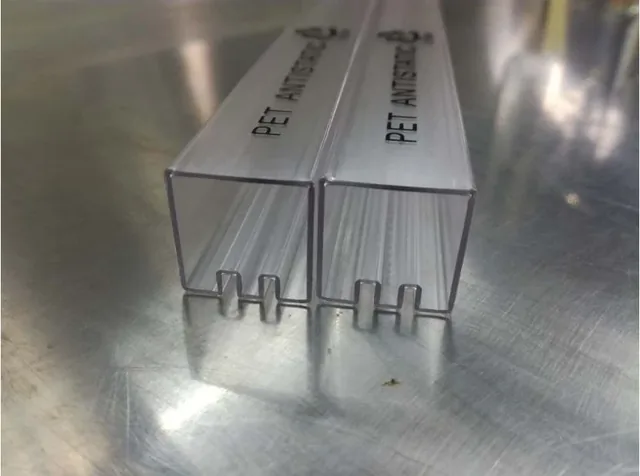
Each IC tube is extruded to match a unique device profile—shape, width, cavity depth and end plug type.
Read Guide
How Anti Static IC Tubes Are Made From PVC
The process starts with PVC resin fed into an extruder.
Read Guide
Six Advantages of PET Carrier Tape
PET carrier tape is selected when mechanical strength, environmental resistance and dimensional stability are critical.
Read GuideQuestions From This Guide
What is the lead time for custom vacuum formed trays?
25 days for basic low volume, 4 to 6 weeks for typical volume, and 10 to 12 weeks for complex or high volume tools.
What materials are available for vacuum formed trays?
PVC, PS/HIPS, PC, PETG, and ABS. ESD and antistatic versions are available upon request.
Can the tray have a specific number of cavities like 50 or 100?
Yes, trays can be designed with an even number of cavities such as 50 or 100 to facilitate counting and inventory control.
What is the dimensional tolerance on the cavities?
Critical dimensions are controlled within 5 mils on the final product.
Is there a minimum order quantity for custom trays?
The MOQ is 10,000 pieces per design.
Can I get free samples after tooling trial?
Yes, 20 to 50 tubes or trays are provided free after tooling trial.
How are the trays packaged for shipping?
Trays are packed in cartons or as per customer requirement. Packaging is designed to prevent damage during transit.
Apply This to Your Own Parts
Send the device and the current packaging. The recommendation comes back with a material, a profile and a lead time.