
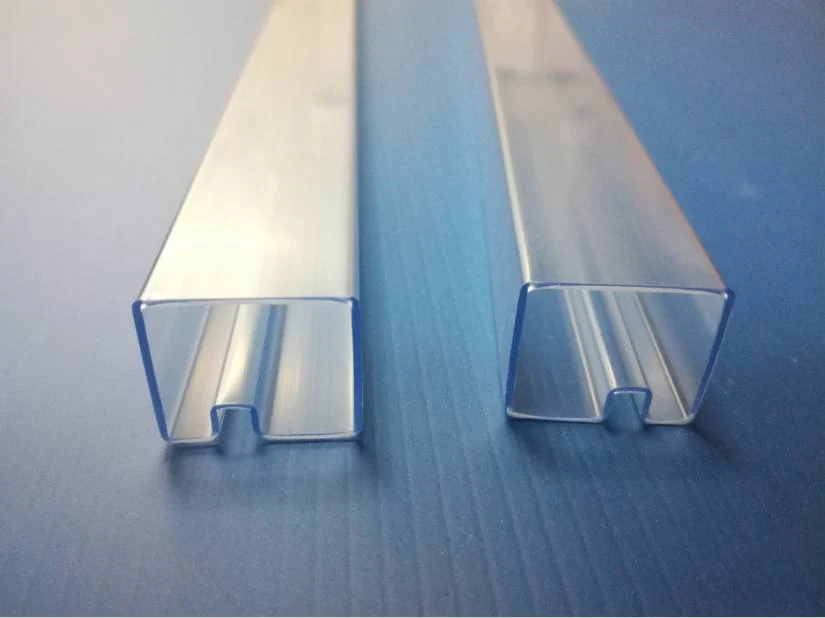
Custom Anti Static IC Tube Guidelines
To begin customization, supply four items: the tube material, part size, desired tube length, and plug type. Without all four, the design cannot proceed.
- Home
- Knowledge Center
- Custom Anti Static IC Tube Guidelines
On this page
- What You Must Provide For Custom Anti Static IC Shipping Tube Orders
- Material Choice: PVC vs PS For Halogen and Cost Requirements
- Part Size: Use Drawings or Physical Samples For Accurate Fit
- Tube Length: Specify Directly or Let Us Calculate From Part Count
- Plug Type: Rubber Plug or Plastic Nail With Hole Punching
- Why Customization Matters For Feeder Compatibility
What You Must Provide For Custom Anti Static IC Shipping Tube Orders
To begin customization, supply four items: the tube material, part size, desired tube length, and plug type. Without all four, the design cannot proceed. The material choice affects halogen compliance and cost. Part size must be given via drawing or physical sample. Tube length can be specified directly or calculated from part count. Plug type determines whether a hole is punched and what closure is used.
Material Choice: PVC vs PS For Halogen and Cost Requirements
PVC is the most common choice for its low cost, ease of processing, and good formability. It is suitable for standard applications. However, PVC does not meet halogen-free standards. If the customer requires halogen-free packaging, PS material must be selected. PS meets halogen-free requirements and Sony SS-00259. The trade-off is higher cost compared to PVC.
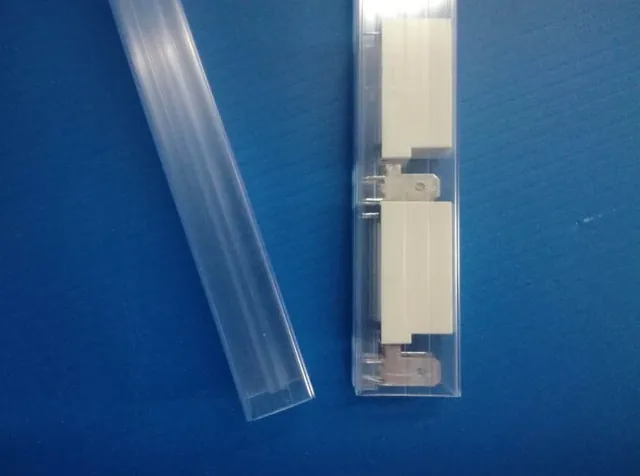
Part Size: Use Drawings or Physical Samples For Accurate Fit
Provide part drawings for the most accurate tube design. If drawings are unavailable, send 3 to 5 actual part samples. The tube cavity is built to match the device profile. Using samples ensures the tube fits the part during automated feeding and prevents jamming on the production line.
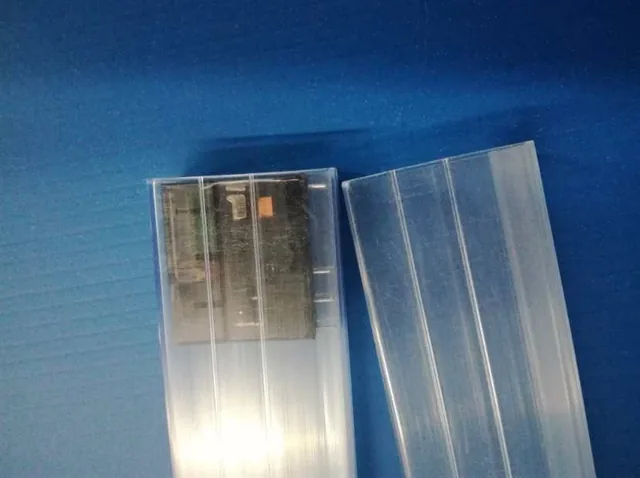
Tube Length: Specify Directly or Let Us Calculate From Part Count
You can specify the exact tube length. Alternatively, provide the number of parts to be packed per tube. We calculate the length based on part spacing and tube pitch. This ensures consistent loading for automated pick and place systems and avoids overfilling or underfilling.
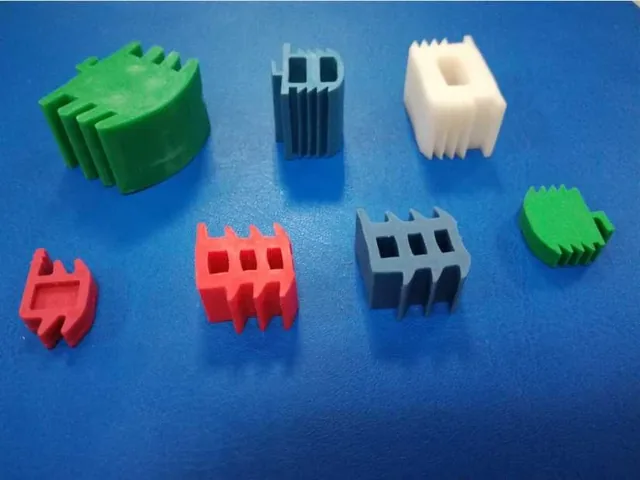
Plug Type: Rubber Plug or Plastic Nail With Hole Punching
Choose rubber plugs or plastic nails. Rubber plugs require no hole punching; they are pressed into the tube end. Plastic nails require a hole to be punched and must match the tube nozzle size. The nail is then inserted to block the end. The choice affects assembly speed and tooling complexity.
Why Customization Matters For Feeder Compatibility
Off-the-shelf tubes rarely match a device’s exact profile. A mismatch causes jamming, rejected parts, and line downtime. Custom tubes are built to the device’s dimensions, ensuring smooth feeding. This reduces tooling time and prevents rework during production.
Products In This Guide
The products this guide applies to.
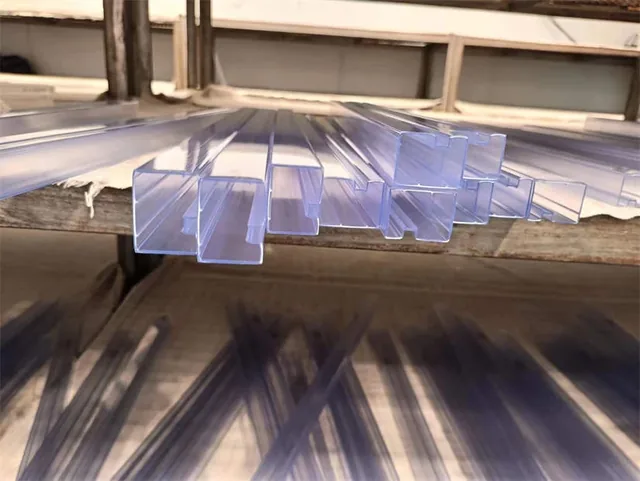
Anti Static Shipping Tubes
Anti Static Shipping Tubes are extruded plastic channels designed to protect electronic components from electrostatic discharge, mechanical shock, and environmental damage during transport and storage.
View Details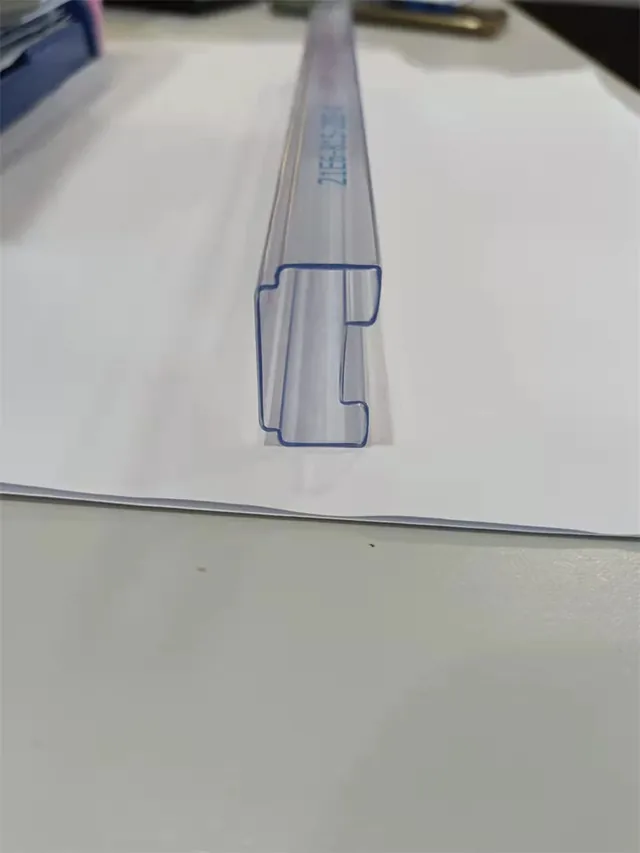
SOP, SSOP, TSSOP Tubes
SOP, SSOP, and TSSOP tubes are anti-static plastic shipping tubes designed for through-hole and surface-mount devices with narrow lead pitches and small body widths.
View Details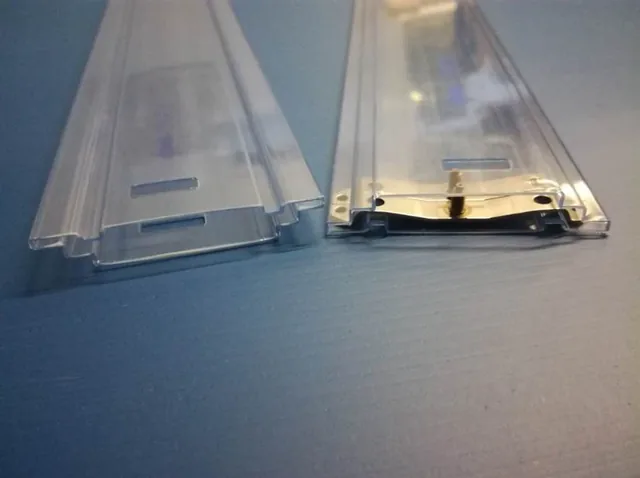
Anti Static IC Shipping Tubes
Anti Static IC Shipping Tubes are extruded plastic channels designed to protect electronic components from electrostatic discharge, mechanical shock, and environmental damage during transport and storage.
View DetailsKeep Reading
Guides that cover the next question.
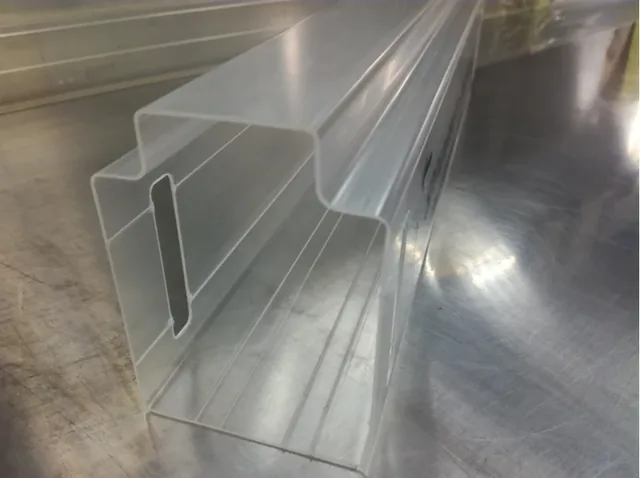
Materials For Anti Static IC Tubes
IC shipping tubes are made from several plastics including PVC, PS, PET, PC, and ABS.
Read Guide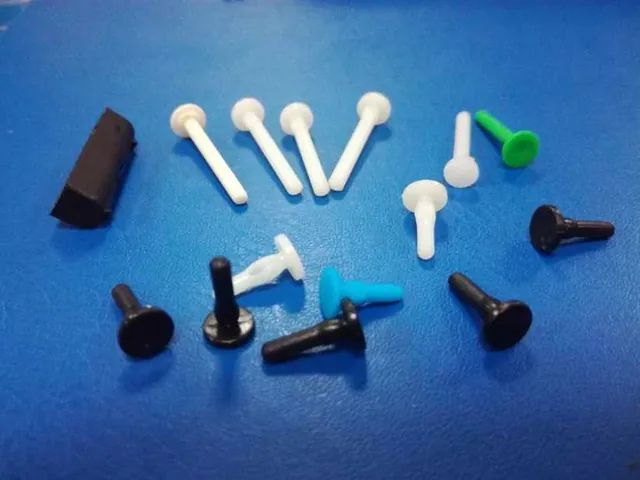
How To Choose IC Tube Stoppers
An anti-static IC tube is a precision profile designed to hold components during transport and feeding.
Read Guide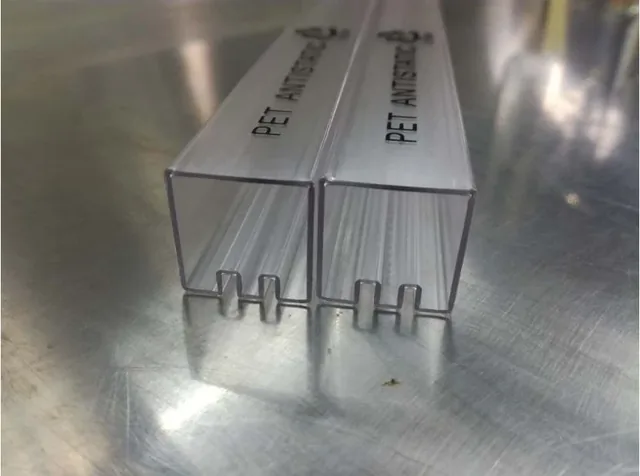
Custom IC Tubes For Specific Device Profiles
Each IC tube is extruded to match a unique device profile—shape, width, cavity depth and end plug type.
Read GuideQuestions From This Guide
What materials are available for anti-static IC shipping tubes?
Available materials are PVC and PS. PVC is lower cost and easier to process but does not meet halogen-free requirements. PS is halogen-free, meets Sony SS-00259, but costs more than PVC.
Can I use a physical part instead of a drawing for tube design?
Yes. If you cannot provide a drawing, send 3 to 5 actual part samples. We use these to build the tube cavity and ensure correct fit for automated handling.
How is tube length determined if I don't specify it?
We calculate the length based on the number of parts per tube and the spacing between them. This ensures consistent loading and compatibility with pick and place machines.
Do rubber plugs require a hole in the tube?
No. Rubber plugs are pressed into the tube end without punching. Plastic nails require a hole to be punched and then inserted to seal the end.
What is the difference between PVC and PS in terms of compliance?
PVC does not meet halogen-free requirements. PS is halogen-free and complies with Sony SS-00259. Choose PS if your application requires halogen-free packaging.
How long does it take to get a custom tube design approved?
The design phase begins after we receive the material choice, part size, length specification, and plug type. Once all data is provided, the design is reviewed and confirmed within 3-5 days.
Can I change the plug type after the tooling is made?
Changing the plug type after tooling requires a new tooling setup. This incurs additional cost and extends lead time. Confirm the plug type early in the process to avoid delays.
Apply This to Your Own Parts
Send the device and the current packaging. The recommendation comes back with a material, a profile and a lead time.