
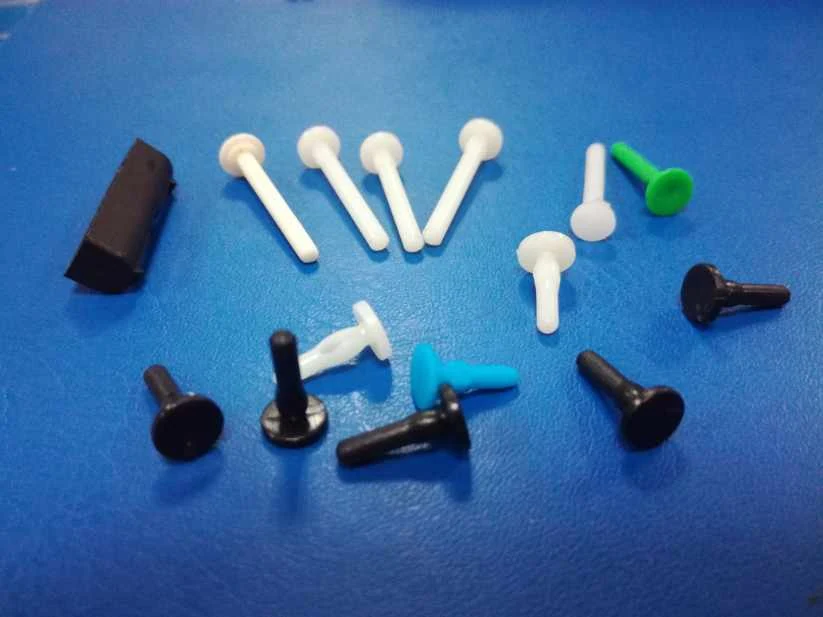
How To Choose IC Tube Stoppers
An anti-static IC tube is a precision profile designed to hold components during transport and feeding.
- Home
- Knowledge Center
- How To Choose IC Tube Stoppers
On this page
- Why Stopper Choice Matters For Tube Function And Line Performance
- Plastic Nails Are Low Cost And Fixed In Place
- Rubber Plugs Provide Reusable Closure With Better Seal
- TPR Is Preferred For Most IC Packaging Applications
- TPE Is Used For Harsh Environment Requirements
- Mold Cost And Volume Affect Stopper Selection
- Match The Stopper To The Tube Profile And Use Case
Why Stopper Choice Matters For Tube Function And Line Performance
An anti-static IC tube is a precision profile designed to hold components during transport and feeding. Without a proper stopper, the device can fall out, dust enters, or the tube fails to feed correctly. The stopper must match the tube end profile, resist deformation under load, and allow reliable insertion and removal during automated assembly.
Plastic Nails Are Low Cost And Fixed In Place
Plastic nails made from PA (Polyamide) are used when a permanent, fixed closure is needed. They are inserted into the tube end and stay in place during handling and transport. This is common in ICs that require mounting parts on automated equipment, where the tube must remain sealed during processing.
Rubber Plugs Provide Reusable Closure With Better Seal
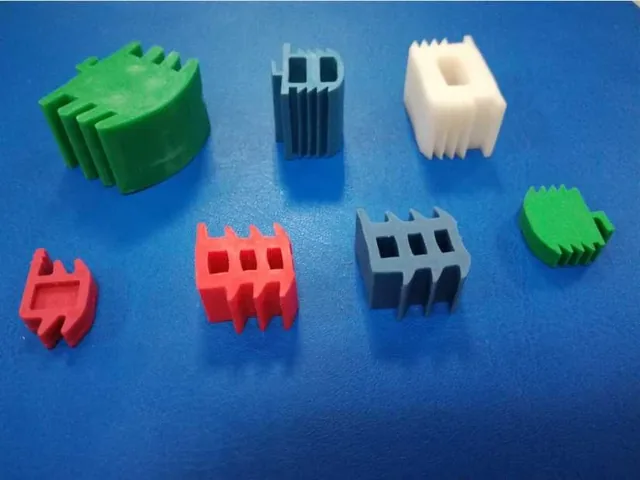
Rubber plugs made from TPR or TPE are used when the tube needs to be opened and closed multiple times. TPR offers a soft, resilient feel that makes it easy to insert and remove. TPE is more expensive and used only when higher temperature or aging resistance is required.

TPR Is Preferred For Most IC Packaging Applications
Based on experience, TPR rubber plugs are the best fit for most anti-static IC tubes. They provide a good balance of ease of use, durability, and cost. The softness allows operators to push them in and pull them out without damage, reducing the risk of tube end splitting.
TPE Is Used For Harsh Environment Requirements
TPE rubber plugs are selected when the packaging must withstand higher temperatures or longer aging periods. While more expensive than TPR, TPE maintains its properties under stress and over time, making it suitable for applications where long-term performance is critical.
Mold Cost And Volume Affect Stopper Selection
Plastic nails require a punching mold, which adds to tooling cost. Rubber plugs use a mold that is cheaper to produce. For low volume or short runs, plastic nails may be more economical. For higher volumes, the lower mold cost of rubber plugs can offset their higher material price.
Match The Stopper To The Tube Profile And Use Case
The stopper must fit the tube end precisely. Mismatched plugs can fall out, split the tube, or fail to seal. Choose based on whether the tube needs a permanent closure (plastic nail) or a reusable one (rubber plug), and consider the environment and handling method.
Products In This Guide
The products this guide applies to.
Rubber End Plugs
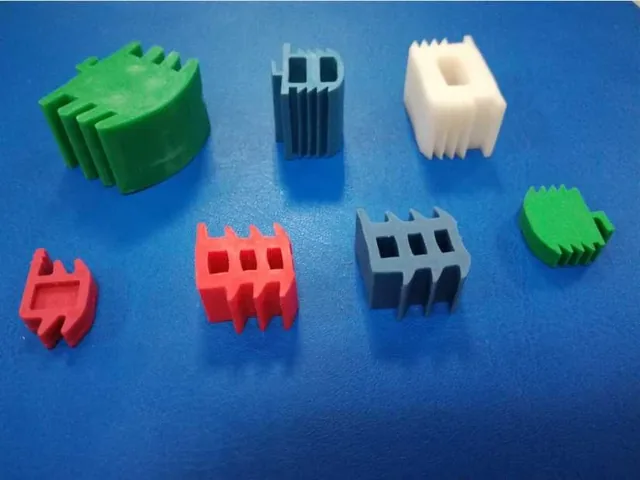
Rubber end plugs are used to seal the open ends of IC shipping tubes to prevent dust, moisture, and mechanical shock from entering during handling and transport.
View Details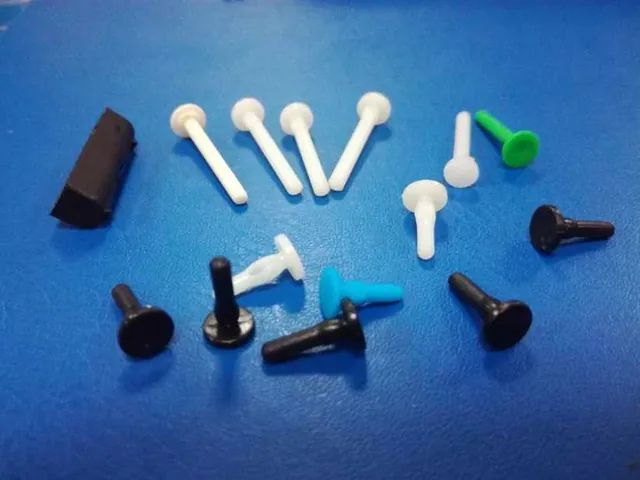
Plastic End Pins
Plastic end pins and nails are mechanical closures used to seal the ends of anti-static IC tubes, preventing components from falling out during handling, transport, and storage.
View Details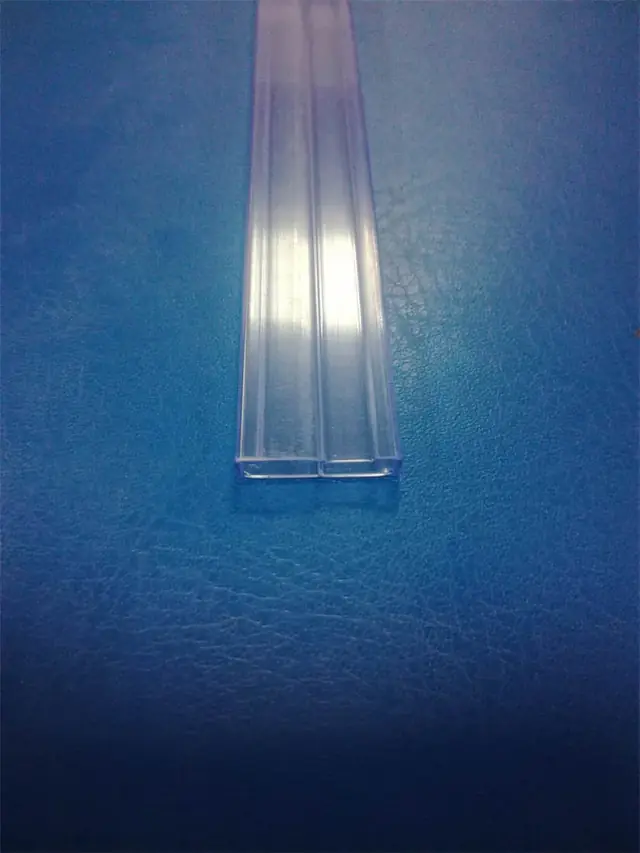
Anti-Static IC tubes for IC, SOP,DIP,TO-220,PLCC
Anti-Static IC Tubes are extruded plastic channels designed for packaging through-hole and surface-mount electronic components including ICs, SOP, DIP, TO-220, and PLCC packages.
View DetailsKeep Reading
Guides that cover the next question.
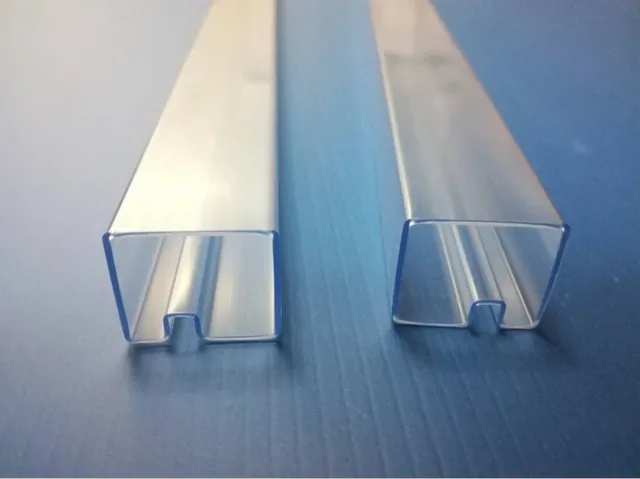
Custom Anti Static IC Tube Guidelines
To begin customization, supply four items: the tube material, part size, desired tube length, and plug type.
Read Guide
How Anti Static IC Tubes Are Made From PVC
The process starts with PVC resin fed into an extruder.
Read Guide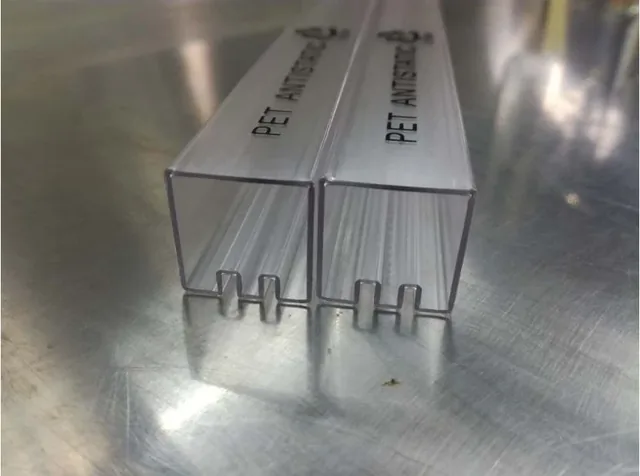
Custom IC Tubes For Specific Device Profiles
Each IC tube is extruded to match a unique device profile—shape, width, cavity depth and end plug type.
Read GuideQuestions From This Guide
What material is used for plastic nails in IC tubes?
Plastic nails are made from PA (Polyamide) material. They are low cost and provide a fixed closure that stays in place during handling and transport.
Why are TPR rubber plugs preferred over TPE?
TPR rubber plugs are softer, more resilient, and easier to insert and remove. They are ideal for most IC packaging applications where operator ease and reliable sealing are required.
When should TPE rubber plugs be used instead of TPR?
TPE rubber plugs are used when higher temperature resistance or longer aging performance is needed. They are more expensive but better suited for harsh environments.
Is the mold cost higher for plastic nails or rubber plugs?
The mold cost for plastic nails is higher because they require a punching mold. Rubber plugs use a simpler mold, which is cheaper to produce.
Can I use plastic nails for reusable tubes?
Plastic nails are designed for permanent closure. They are not intended for reuse. If the tube needs to be opened and closed multiple times, a rubber plug is required.
How do I choose between plastic nails and rubber plugs?
Choose plastic nails for low-cost, fixed closures in automated processes. Choose rubber plugs for reusable tubes, easier handling, and better sealing. Consider volume, environment, and handling method.
Do rubber plugs affect the anti-static property of the tube?
No. The rubber plug material does not interfere with the anti-static function of the tube. The anti-static property is built into the tube resin, not the stopper.
Apply This to Your Own Parts
Send the device and the current packaging. The recommendation comes back with a material, a profile and a lead time.