
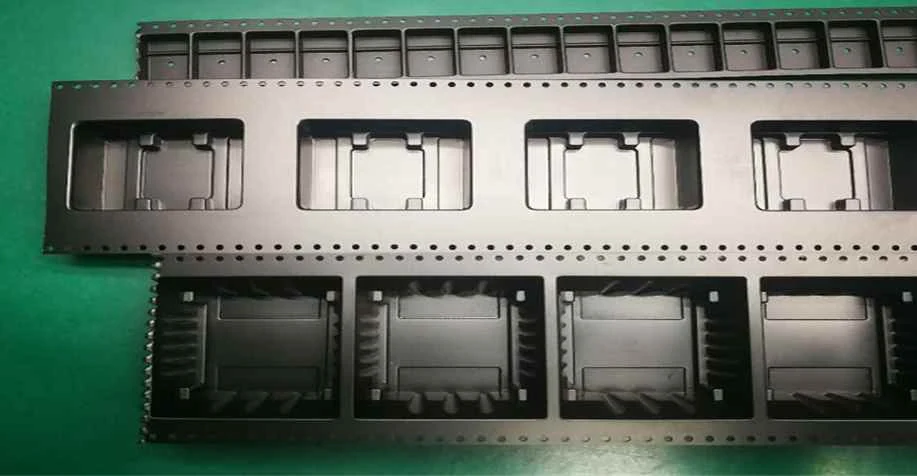
How to Fix Carrier Tape and Cover Tape Sealing Cracks
Sealing cracks form when the carrier tape and cover tape are not matched in material, adhesive type, or thickness.
- Home
- Knowledge Center
- How to Fix Carrier Tape and Cover Tape Sealing Cracks
On this page
- Why Sealing Cracks Occur in Carrier Tape and Cover Tape
- Five Common Cracking Forms and Their Causes
- How to Detect Cracking Before It Reaches the Line
- Why Cover Tape Alone Is Not the Solution
- How to Prevent Cracking in the Sealing System
- What to Do When Cracking Is Found in a Batch
- Why Sample Testing Before Shipment Is Critical
Why Sealing Cracks Occur in Carrier Tape and Cover Tape
Sealing cracks form when the carrier tape and cover tape are not matched in material, adhesive type, or thickness. The mismatch causes stress at the bond line, leading to failure under thermal, mechanical or aging conditions. This is not a defect in one tape alone, but a system-level incompatibility.
Five Common Cracking Forms and Their Causes
1. Complete seal crack: visible separation at the bond line, caused by gross mismatch in adhesive or material. 2. Weak adhesion: bond opens under light force, indicating insufficient adhesive strength or poor compatibility. 3. Overly strong adhesion: difficult to peel, risking component damage during machine feeding. 4. Overnight crack: seal appears intact initially but fails after 1–3 days, indicating delayed adhesive failure. 5. Plum point crack: small white dots appear at the bond line over time, grow and connect, leading to full seal failure, often due to unstable cover tape formulation.
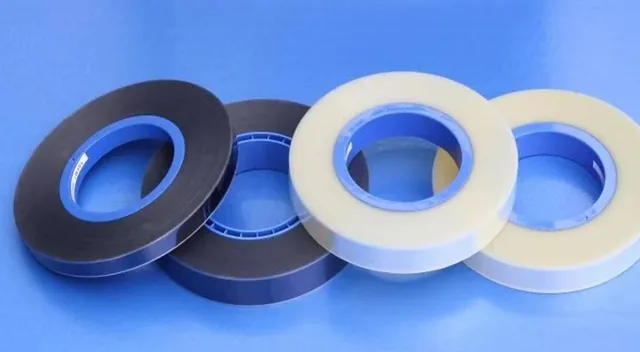
How to Detect Cracking Before It Reaches the Line
Inspect each reel visually and manually before release. Perform a peel test at 20g–80g force using a Tape Stripping Tester. Check for any sign of separation, white spots, or delayed failure after 24–72 hours. Use a controlled aging test if the product will be stored before use.
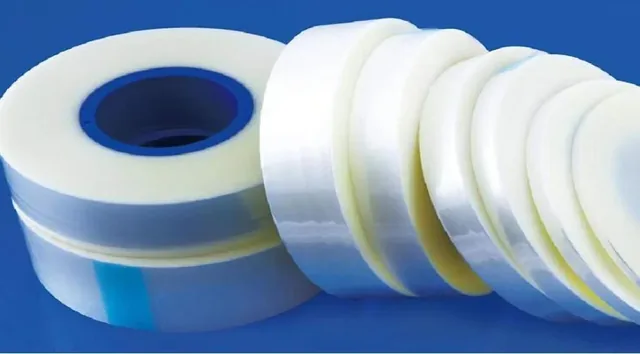
Why Cover Tape Alone Is Not the Solution
Even if the cover tape passes its own tests, it may fail when paired with a carrier tape that has different thermal expansion, surface energy or adhesive profile. The system must be tested together. A cover tape that passes alone may still crack when sealed with a mismatched carrier tape.

How to Prevent Cracking in the Sealing System
Use only carrier tape and cover tape that have been tested together. Match adhesive type (e.g., acrylic vs. rubber), thickness (±0.02mm), and material compatibility. Specify the required peel strength (20g–80g) and perform a joint aging test at 85°C/85% RH for 48 hours before shipment.

What to Do When Cracking Is Found in a Batch
Stop the line immediately. Isolate the affected reels. Test a sample from the same batch with a Tape Stripping Tester. If failure occurs, reject the batch and trace the carrier tape and cover tape lot numbers to the supplier. Report the failure mode to the supplier for root cause analysis.
Why Sample Testing Before Shipment Is Critical
Some cracking forms, like plum point and overnight crack, do not appear during initial inspection. They only show up after time and stress. Testing a sample reel under real-world conditions before shipment prevents downstream failures and costly rework.
Products In This Guide
The products this guide applies to.
Cover Tape
Cover tape seals onto carrier tape to protect electronic components during transport and storage.
View Details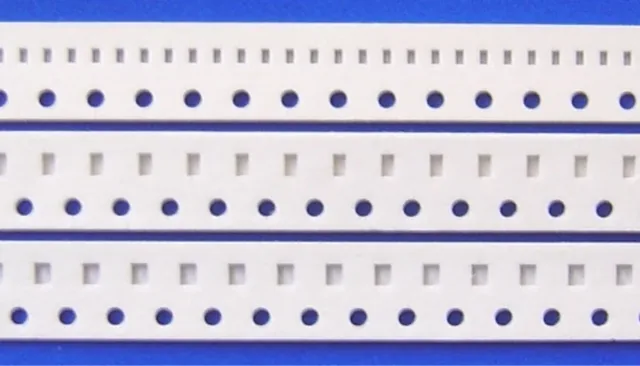
Pre-punched Paper Carrier Tape
Pre-punched Paper Carrier Tape is a paper-based carrier tape with cavities pre-formed to hold SMD components like 0201, 0402, 0603, 0805, and 1206 devices.
View Details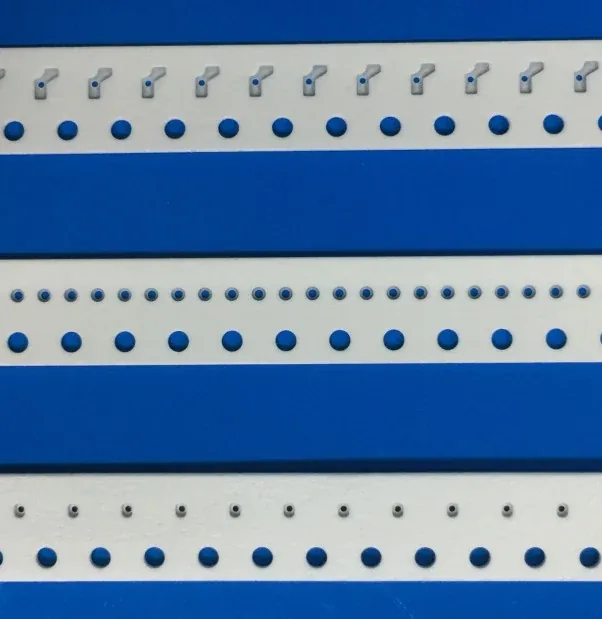
Pre-punched Paper Carrier Tape with Round Center Cavity
Pre-punched paper carrier tape with a round center cavity is designed for SMD and SMT assembly applications where precise part positioning and reliable feeding are critical.
View DetailsKeep Reading
Guides that cover the next question.
Carrier Tape vs Cover Tape: Key Differences
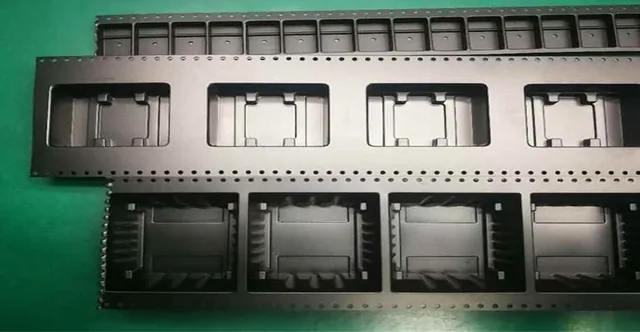
The carrier tape holds the electronic component in a pocket and provides indexing holes for the pick and place machine.
Read GuideCarrier Tape Types By Width, Pocket And Anti Static Level
The carrier tape is a tape-shaped product with equidistant cavities for holding electronic components.
Read Guide
How Anti Static IC Tubes Are Made From PVC
The process starts with PVC resin fed into an extruder.
Read GuideQuestions From This Guide
What causes carrier tape and cover tape to crack at the seal?
Mismatch in adhesive type, material, thickness, or thermal expansion between the carrier tape and cover tape. The bond line fails under stress, aging, or temperature changes.
Can I fix a sealing crack by increasing the sealing temperature?
No. Increasing temperature may worsen the mismatch. It can cause over-curing, adhesive migration, or thermal stress. The root cause is material incompatibility, not process settings.
How do I test if a carrier tape and cover tape are compatible?
Use a Tape Stripping Tester to measure peel strength at 20g–80g. Perform a 48-hour aging test at 85°C/85% RH. Check for any sign of separation, white spots, or delayed failure.
Why does the seal look good at first but crack after a day?
This is an overnight crack, caused by delayed adhesive failure. The adhesive may be stable initially but degrades over time due to moisture, temperature or chemical incompatibility.
Is it safe to use cover tape that passed its own test?
No. A cover tape that passes its own test may still fail when paired with a carrier tape. The system must be tested together under real conditions.
What should I do if I find plum point cracks in a shipment?
Stop the line. Isolate the affected reels. Test a sample with a Tape Stripping Tester and perform an aging test. Report the failure to the supplier and reject the batch if the seal fails.
Do I need to test every reel before use?
No. Test a sample from each batch before release. Use a Tape Stripping Tester and aging test. If the sample passes, the full batch is acceptable. If not, reject the batch and trace the materials.
Apply This to Your Own Parts
Send the device and the current packaging. The recommendation comes back with a material, a profile and a lead time.