

Choosing Between Tube Tape and Tray Before You Commit to Tooling
Tubes, carrier tape and vacuum formed trays each protect a different kind of device. Picking the wrong one costs a tooling cycle, so this page sets out how the choice is actually made.
There is no one packaging format that fits every device. Tube packaging is similar to tape and reel in that it safely stores and transports parts in fixed orientation, but it takes larger bodies that tape pockets cannot hold. Trays are used where a package is fragile or fine pitch. The decision is made from the device, the receiving line and the volume, in that order.
SEWATE produces all three formats, so the recommendation is not steered by what happens to be in the factory. What matters is the body size and weight, whether the receiving line runs tube feeders or tape feeders, how the device is stored between shipment and build, and how much of it moves per year.
How the Format Question Gets Answered
Four inputs decide it. Everything else is detail.
The Device
Body size, weight, lead or ball layout and how fragile the package is. Through-hole SMT and leadless packages behave differently.
The Line
Whether the receiving plant runs tube feeders, tape feeders or manual kitting, and what magazine length it takes.
The Journey
Storage time, handling, transport distance and how much ESD exposure the parts see before they are placed.
The Volume
Annual quantity against tooling cost. High volume automated placement justifies tape tooling that low volume does not.
Format by Format
The honest case for and against each of the three.
Anti-Static Tubes
Where it goes wrong: Chosen by default for everything, including small SMD parts that would run faster on tape.
How it is handled: Tubes suit larger and heavier bodies, relays, switches, connectors, DIP and TO series parts, and anything that needs fixed orientation without a reel. Over a thousand open tools already exist from through-hole and SMT to QFN MLF and LPCC.
Embossed Carrier Tape
Where it goes wrong: Specified without checking the cavity against the real device, then the part rotates or shingles in the pocket.
How it is handled: The cavity is designed to the device and the tape width chosen from the standard range. Carrier tape presents components to pick and place machines for automatic handling, which is where its speed advantage comes from.
Paper Carrier Tape
Where it goes wrong: Treated as a cheaper embossed tape rather than a different product with its own limits.
How it is handled: Punched, pre-punched and un-punched paper carrier tape suits thin flat components. Pocket depth is limited by the paper thickness, so it is chosen on device height first.
Cover Tape
Where it goes wrong: Sealing cracks and peel problems show up at the customer feeder, long after the reel left the plant.
How it is handled: Cover tape is matched to the carrier material and the sealing parameters. Heat seal and PSA types behave differently on peel, and the pairing is specified together, not separately.
Vacuum Formed Trays
Where it goes wrong: Used for parts that would ship more cheaply in tubes, or skipped for parts that actually need the protection.
How it is handled: Trays hold fine pitch and fragile packages in individual pockets with no sliding contact. They cost more per device than tubes and are specified where the package cannot take tube travel.
Closures And Reels
Where it goes wrong: The tube or reel is right and the closure is an afterthought, so parts spill or the plug splits the tube end.
How it is handled: Rubber end plugs, plastic pins and nails, plastic caps and EPE plugs are matched to the profile and to how often the tube is reopened. Plastic reels are matched to tape width.
What Comes Out of the Review
- A recommended format for each device on your list, with the reason stated
- Material shortlist from PVC PS PC PETG and ABS against tolerance clarity and cost
- Tape width and cavity or tube profile requirement written down before tooling
- Closure and reel selection matched to the chosen format
- Tooling time and cost for anything that needs a new profile
- MOQ and lead time so the change can be planned into your build schedule
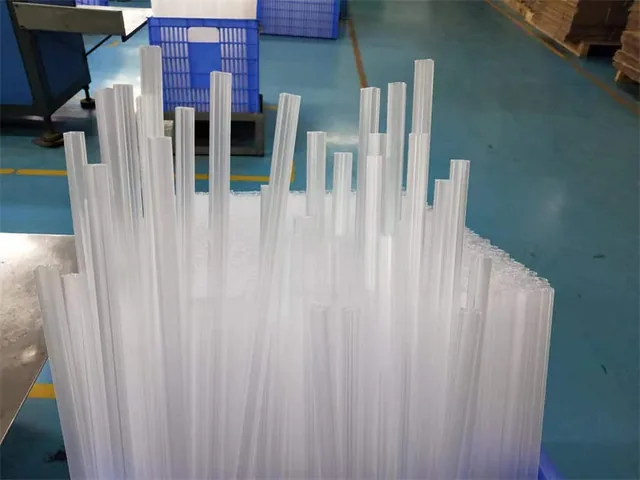
Products In This Solution
One product from each format so you can compare them directly.
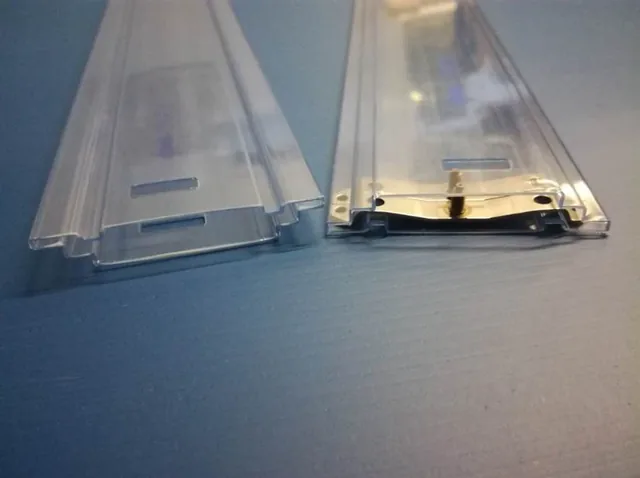
Anti Static IC Shipping Tubes
Anti Static IC Shipping Tubes are extruded plastic channels designed to protect electronic components from electrostatic discharge, mechanical shock, and environmental damage during transport and storage.
View Details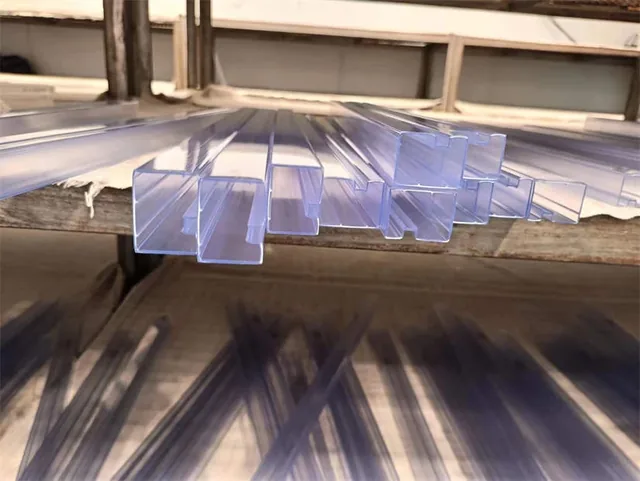
Anti Static Shipping Tubes
Anti Static Shipping Tubes are extruded plastic channels designed to protect electronic components from electrostatic discharge, mechanical shock, and environmental damage during transport and storage.
View Details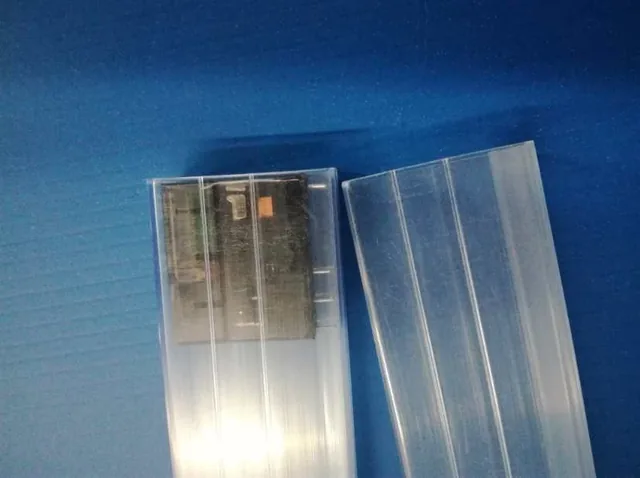
Anti Static Tubes
Anti Static Tubes are extruded plastic channels designed to protect electronic components from electrostatic discharge, mechanical shock, and environmental damage during shipping and processing.
View Details
Anti-Static IC Tubes
Anti-Static IC Tubes are extruded plastic channels designed to protect electronic components from electrostatic discharge, mechanical shock, and environmental damage during transport and storage.
View Details
Color Anti-static Tubes
Color anti-static tubes are extruded plastic channels designed to hold electronic components in a fixed orientation from the component vendor to the pick and place machine.
View Details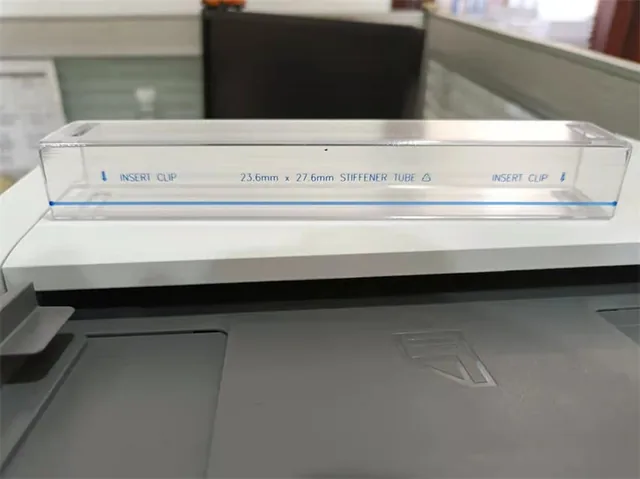
IC Packaging Tubes
IC Packaging Tubes are extruded plastic channels designed to hold electronic components in a fixed orientation during shipping and processing.
View DetailsRelated Guides
Background reading on the formats and where they differ.
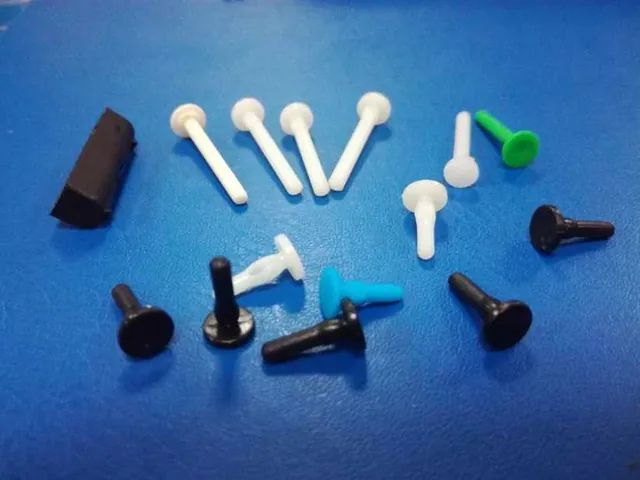
How To Choose IC Tube Stoppers
An anti-static IC tube is a precision profile designed to hold components during transport and feeding.
Read Guide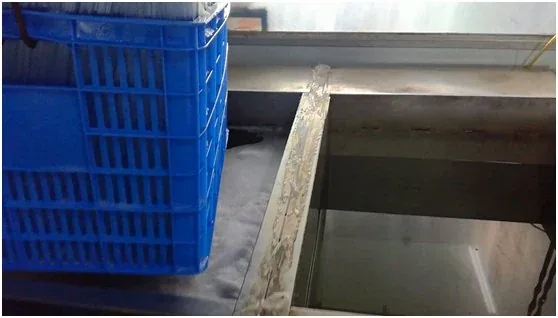
How Anti Static IC Tubes Are Made From PVC
The process starts with PVC resin fed into an extruder.
Read Guide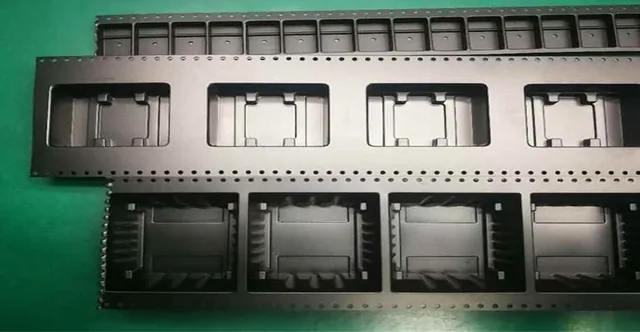
Carrier Tape Types By Width, Pocket And Anti Static Level
The carrier tape is a tape-shaped product with equidistant cavities for holding electronic components.
Read GuideSelection Questions
When is a tube better than tape and reel?
When the body is too large or too heavy for a tape pocket, when the receiving line runs tube feeders, or when volume does not justify tape tooling. Tubes give ESD protection at a low cost of packaging to product ratio.
When should I move a part from tube to tape?
When the device is small enough for a pocket and the receiving plant places it at high volume on automatic equipment. Carrier tape presents parts to pick and place machines, which is where the throughput comes from.
Can you supply more than one format for the same part?
Yes. Tubes, carrier tape and reel, cover tape and vacuum formed trays are all produced in-house, so a part can ship in different formats to different customers.
How do I compare cost between the formats?
Compare cost per device delivered, not cost per unit of packaging. Tubes hold many devices at a low packaging to product ratio. Tape adds tooling but removes operator loading time on high volume lines.
What do you need to make a recommendation?
The device drawing or a physical sample, the receiving line type, storage conditions and annual quantity. That is enough to name a format and a material.
Does the format change the anti-static specification?
Yes. Tubes are treated by surface layer process or by built-in additives. Where the parts sit in storage for a long time, the additive route keeps the anti-static value more stable.
Send the Device List and Get a Format Recommendation
A drawing or a sample for each part, plus the receiving line and the annual quantity. The answer comes back as a format, a material and a lead time.