
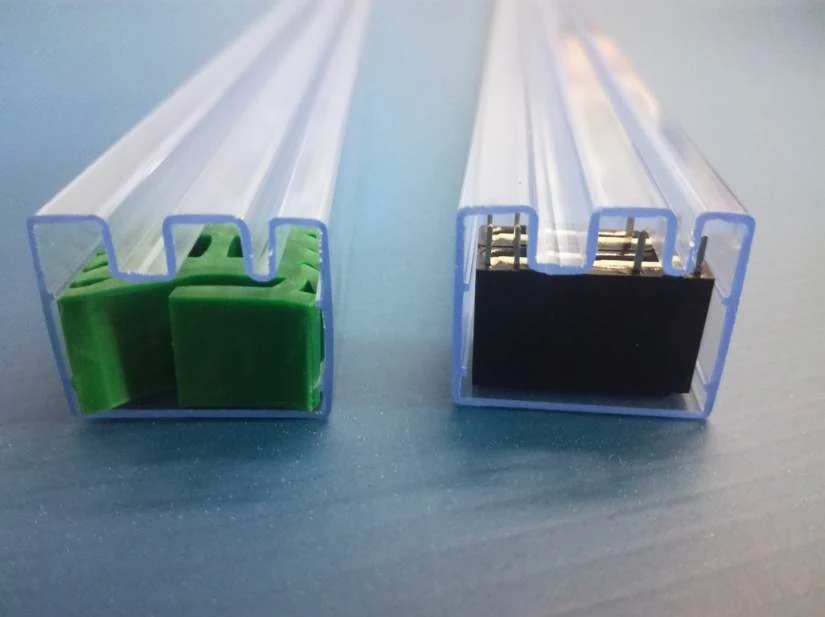
How To Store IC Tubes Without Aging
Plastic IC tubes degrade over time when exposed to heat, light, humidity or physical load.
- Home
- Knowledge Center
- How To Store IC Tubes Without Aging
On this page
- Why Storage Conditions Affect Tube Performance
- Store Tubes In Cool, Dry Conditions Below 45 Degrees
- Avoid Direct Sunlight And Heat Sources
- Use Flat, Level Surfaces And Support The Full Length
- Do Not Stack Heavy Items On Top Of Cartons
- Re-Test Anti-Static Value After Six Months Storage
- Wear Gloves To Prevent Surface Contamination
- Keep Tubes Away From Fire Hazards And Flammable Materials
Why Storage Conditions Affect Tube Performance
Plastic IC tubes degrade over time when exposed to heat, light, humidity or physical load. Even after passing fit and anti-static tests, a tube stored improperly can develop profile deformation, reduced electrostatic protection or surface damage. This leads to device jamming, rejection or ESD damage during SMT assembly.
Store Tubes In Cool, Dry Conditions Below 45 Degrees
Keep IC tubes in a temperature-controlled environment below 45°C and humidity under 80%. Exceeding these limits accelerates plastic aging, especially in PVC and PS materials. Heat softens the profile and can cause permanent bowing or oval deformation.
Avoid Direct Sunlight And Heat Sources
Direct sunlight through windows or proximity to heaters causes UV degradation and thermal stress. Transparent tubes may discolour, and the material can lose dimensional stability. Store cartons in shaded, indoor areas away from radiators, ovens or outdoor yards.
Use Flat, Level Surfaces And Support The Full Length
Place cartons on flat, level shelves or brackets. A tube unsupported at the ends or overhanging a shelf edge will take a permanent bow. This bowing causes the device to drag instead of sliding, leading to feeder jams and line stoppages.
Do Not Stack Heavy Items On Top Of Cartons
Piling heavy objects on top of cartons causes extrusion pressure on the tubes. Thin-wall tubes (0.30mm) are especially vulnerable. Compression flattens the profile and weakens the electrostatic value, reducing protection and fit accuracy.
Re-Test Anti-Static Value After Six Months Storage
If tubes are stored for more than six months, re-test the surface anti-static value. The value must meet the standard of 10⁶ to 10¹¹ ohms. Surface treatments degrade over time, especially with exposure to air, dust or repeated handling.
Wear Gloves To Prevent Surface Contamination
Skin oils, sweat and fingerprints can degrade the anti-static surface layer. Always wear clean working gloves when handling tubes for manual packaging. Avoid touching the inner surface or the device contact area.
Keep Tubes Away From Fire Hazards And Flammable Materials
IC tubes are plastic and can ignite or melt in fire. Store in fire-safe areas with fire extinguishers available. Properly stored tubes can maintain anti-static performance for 6 to 12 months under safe conditions.
Products In This Guide
The products this guide applies to.
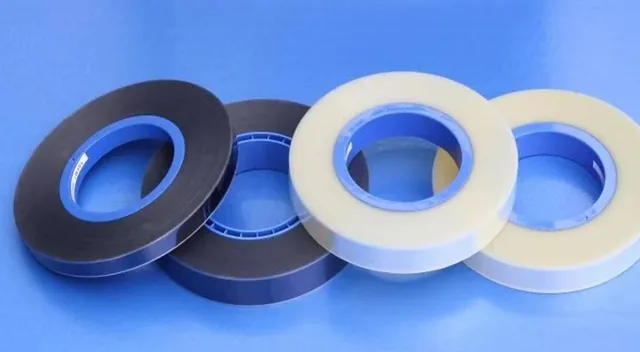
Cover Tape
Cover tape seals onto carrier tape to protect electronic components during transport and storage.
View Details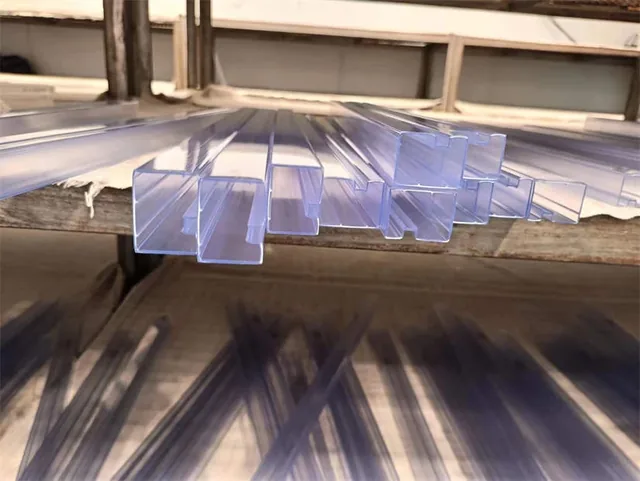
Anti Static Shipping Tubes
Anti Static Shipping Tubes are extruded plastic channels designed to protect electronic components from electrostatic discharge, mechanical shock, and environmental damage during transport and storage.
View Details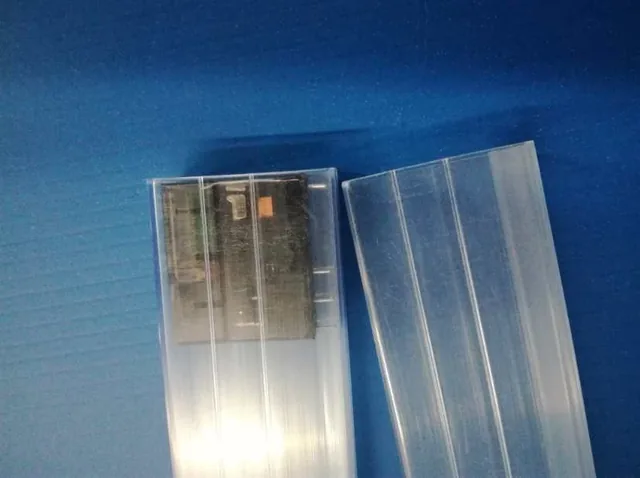
Anti Static Tubes
Anti Static Tubes are extruded plastic channels designed to protect electronic components from electrostatic discharge, mechanical shock, and environmental damage during shipping and processing.
View DetailsKeep Reading
Guides that cover the next question.
How Anti Static IC Tubes Are Made From PVC
The process starts with PVC resin fed into an extruder.
Read Guide
How To Choose IC Tube Stoppers
An anti-static IC tube is a precision profile designed to hold components during transport and feeding.
Read Guide
Custom IC Tubes For Specific Device Profiles
Each IC tube is extruded to match a unique device profile—shape, width, cavity depth and end plug type.
Read GuideQuestions From This Guide
How long can IC tubes be stored safely?
Up to 12 months if stored at less than 45°C, below 80% humidity, away from sunlight and heavy loads. Re-test anti-static value after six months.
Does the anti-static property degrade over time?
Yes, surface anti-static treatment can degrade with time, exposure to air, and handling. Re-test after six months of storage to confirm the value remains between 10⁶ and 10¹¹ ohms.
Can I reuse IC tubes from incoming parts?
Yes, if the profile matches your device and the tube shows no signs of bowing, cracking, flattening or surface damage. Re-test fit and anti-static value if stored over six months.
What causes a tube to deform during storage?
Overhanging shelf edges, uneven floor surfaces, stacking heavy items on top, or exposure to heat and sunlight. All can cause permanent bowing or flattening of the profile.
Should I wear gloves when handling IC tubes?
Yes. Always wear clean working gloves to prevent skin oils, sweat and fingerprints from contaminating the anti-static surface and reducing performance.
What is the maximum temperature for storing IC tubes?
Less than 45 degrees Celsius. Higher temperatures accelerate plastic aging and can cause deformation or loss of anti-static properties.
Can I store tubes in a warehouse with no climate control?
Not recommended. Without temperature and humidity control, tubes are at risk of deformation, discolouration and anti-static failure. Use climate-controlled storage for long-term retention.
Apply This to Your Own Parts
Send the device and the current packaging. The recommendation comes back with a material, a profile and a lead time.