
How Anti Static IC Tubes Are Made From PVC
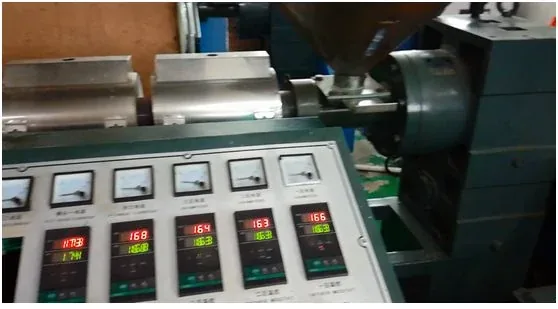
The process starts with PVC resin fed into an extruder. Electric heating raises the material to 150 to 165 degrees Celsius across six heating zones.
- Home
- Knowledge Center
- How Anti Static IC Tubes Are Made From PVC
On this page
- How Anti Static IC Tubes Are Made From PVC Plastic
- Vacuum Shaping Controls Tube Profile And Wall Thickness
- Traction Pulls The Tube Through The Line At Controlled Speed
- Fixed-Length Cutting Ensures Consistent Component Count
- Surface Treatment Adds Anti-Static Properties
- Final Inspection Checks For Defects Before Packaging
- Packaging And Storage Prevent Damage Before Use
How Anti Static IC Tubes Are Made From PVC Plastic
The process starts with PVC resin fed into an extruder. Electric heating raises the material to 150 to 165 degrees Celsius across six heating zones. A rotating screw forces the molten plastic through a die to form a continuous tube profile. The die has three zones: expansion, compression, and the final shaping orifice. Consistent extrusion speed on all sides is critical to avoid dimensional variation.
Anti-Static IC tubes for IC, SOP,DIP,TO-220,PLCC
Vacuum Shaping Controls Tube Profile And Wall Thickness
Immediately after exiting the die, the hot tube enters a vacuum sizing die. Vacuum suction holds the outer wall against the inner wall of the sizing die. Cooling water flows through the mold to harden the tube. This step ensures the tube matches the cavity dimensions and maintains wall thickness within ±0.1mm. Any deviation in die alignment or vacuum pressure causes out-of-tolerance profiles.
Traction Pulls The Tube Through The Line At Controlled Speed
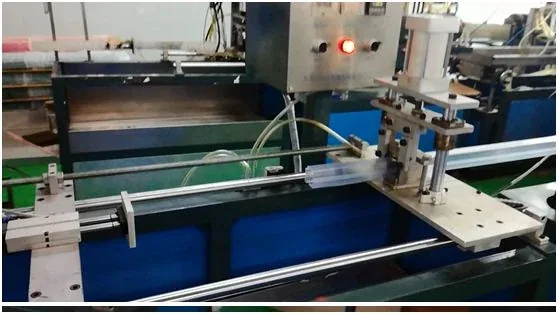
A stepless speed-regulated tractor pulls the cooled tube from the sizing die. The speed must match the extrusion rate to prevent stretching or compression. Mismatched speeds cause wall thickness variation or surface defects. The tractor feeds the tube into the next stage without stopping.
Fixed-Length Cutting Ensures Consistent Component Count
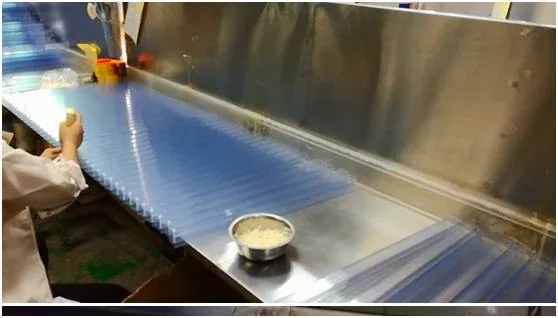
Each tube must hold a fixed number of components, so the length is cut to a precise standard. The system uses a fixed-length cutting method. After cutting, the tube is automatically discharged to the next station. This ensures every tube in a batch has the same length and number of cavities.
Surface Treatment Adds Anti-Static Properties
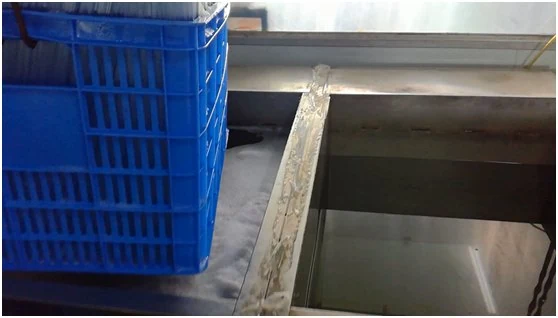
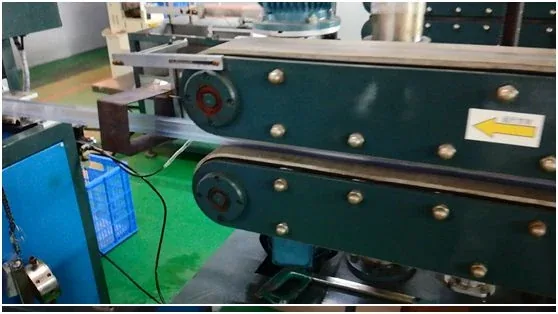
After cutting, the tubes are immersed in an antistatic liquid. The treatment is applied uniformly to the inner and outer surfaces. The tubes are then dried to remove excess liquid. This step ensures the surface resistivity meets ESD protection requirements. The treatment is critical for preventing static discharge during handling and transport.
Final Inspection Checks For Defects Before Packaging
Each tube is tested for surface quality, transparency, and dimensional accuracy. The inspection checks for impurity spots, roughness, and profile consistency. Tubes that fail are rejected. Only tubes passing all tests proceed to packaging. This ensures every batch meets the requirement for smooth, transparent, and defect-free profiles.
Packaging And Storage Prevent Damage Before Use
Finished tubes are packed in cartons according to customer requirements or standard practice. The cartons are labeled with batch number, material, and dimensions. Storage must follow the same rules as for other IC tubes: flat, out of direct sun, and with stack height limited to avoid flattening thin-wall tubes.
Products In This Guide
The products this guide applies to.
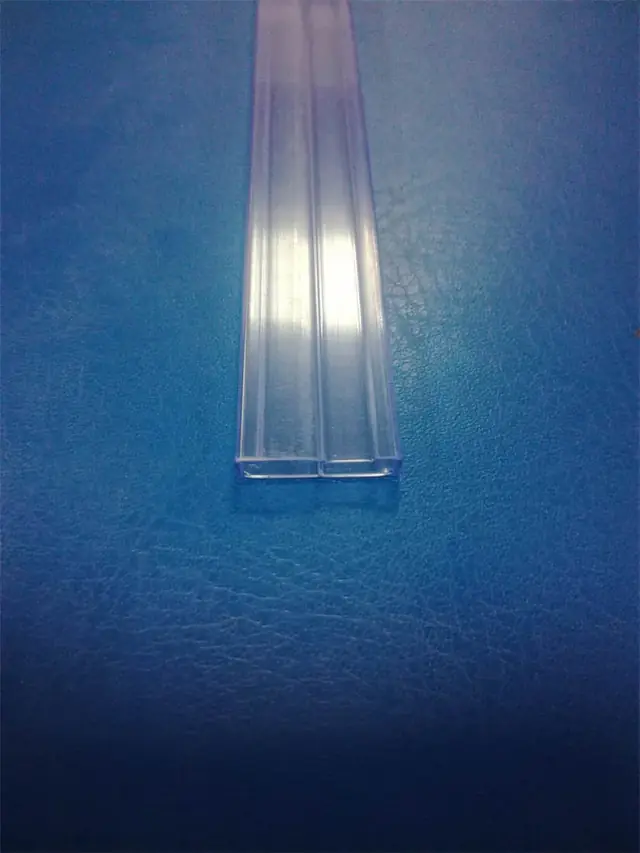
Anti-Static IC tubes for IC, SOP,DIP,TO-220,PLCC
Anti-Static IC Tubes are extruded plastic channels designed for packaging through-hole and surface-mount electronic components including ICs, SOP, DIP, TO-220, and PLCC packages.
View Details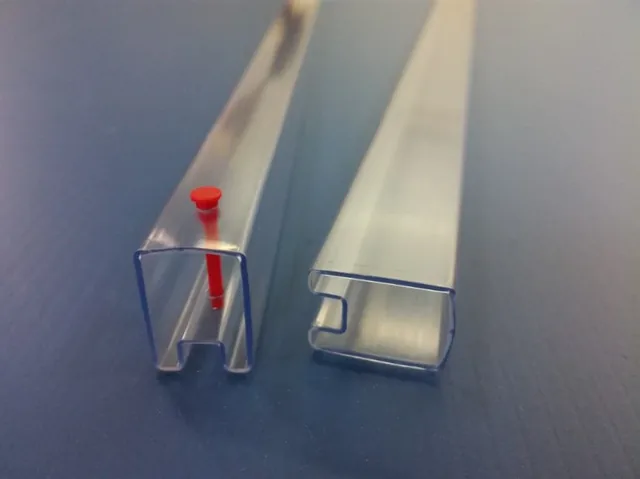
Anti-Static IC Tubes
Anti-Static IC Tubes are extruded plastic channels designed to protect electronic components from electrostatic discharge, mechanical shock, and environmental damage during transport and storage.
View Details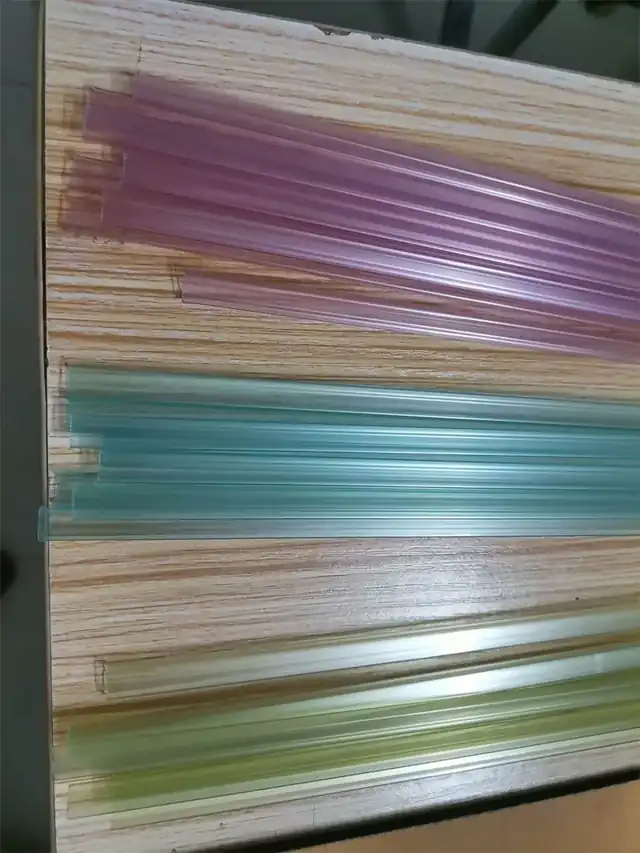
Color Anti-static Tubes
Color anti-static tubes are extruded plastic channels designed to hold electronic components in a fixed orientation from the component vendor to the pick and place machine.
View DetailsKeep Reading
Guides that cover the next question.
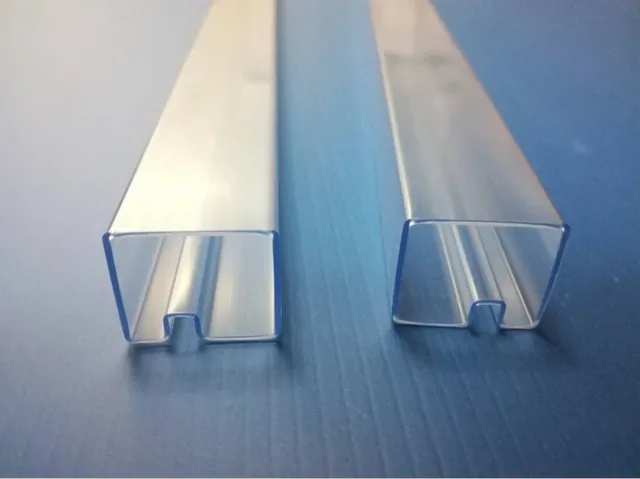
Four Points To Check When Buying IC Tubes
A supplier with independent R D and design capabilities can produce an anti-static IC tube from a part drawing without requiring a physical sample.
Read Guide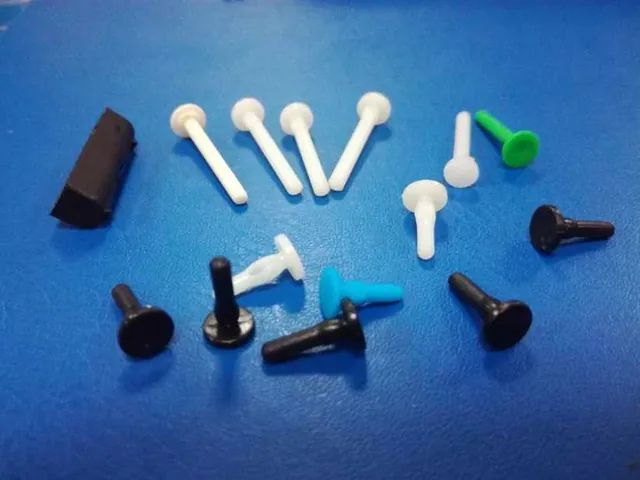
How To Choose IC Tube Stoppers
An anti-static IC tube is a precision profile designed to hold components during transport and feeding.
Read Guide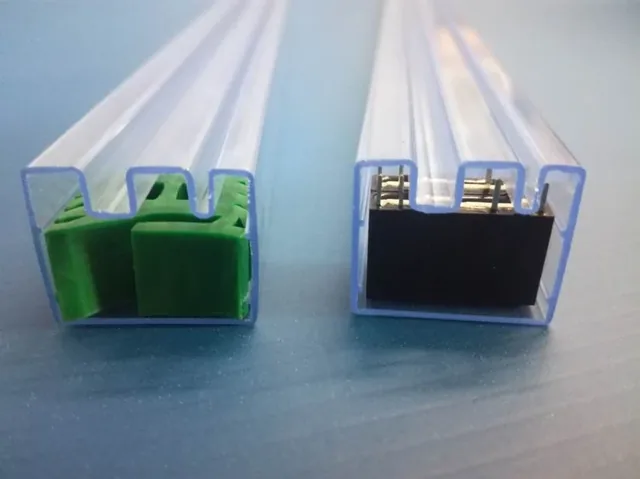
How To Store IC Tubes Without Aging
Plastic IC tubes degrade over time when exposed to heat, light, humidity or physical load.
Read GuideQuestions From This Guide
What material is used in the anti-static IC tubes?
The tubes are made from PVC plastic. The material is extruded and treated with an antistatic liquid to meet ESD protection requirements.
What is the wall thickness tolerance?
The wall thickness is controlled within ±0.1mm. This tolerance is maintained during the vacuum shaping step using precise die alignment and cooling.
How is the tube length determined?
The length is fixed based on the number of components to be packaged. A fixed-length cutting method is used to ensure every tube in a batch has the same length and cavity count.
What causes surface defects in the tubes?
Impurity spots, roughness, or uneven surfaces can result from die misalignment, inconsistent cooling, or contamination in the raw material. These are caught during final inspection.
Can the anti-static treatment be applied after extrusion?
Yes. The tubes are immersed in an antistatic liquid after cutting and before drying. This treatment is applied to both inner and outer surfaces to ensure ESD protection.
Is the tube profile checked during production?
Yes. The die size and vacuum shaping process are monitored to ensure the profile matches the cavity. Any deviation in extrusion speed or die alignment is corrected immediately.
What happens if the tube is not cooled properly?
Insufficient cooling causes the tube to deform, leading to ovality, wall thickness variation, or profile distortion. Proper cooling is maintained through water flow in the sizing die.
Apply This to Your Own Parts
Send the device and the current packaging. The recommendation comes back with a material, a profile and a lead time.