
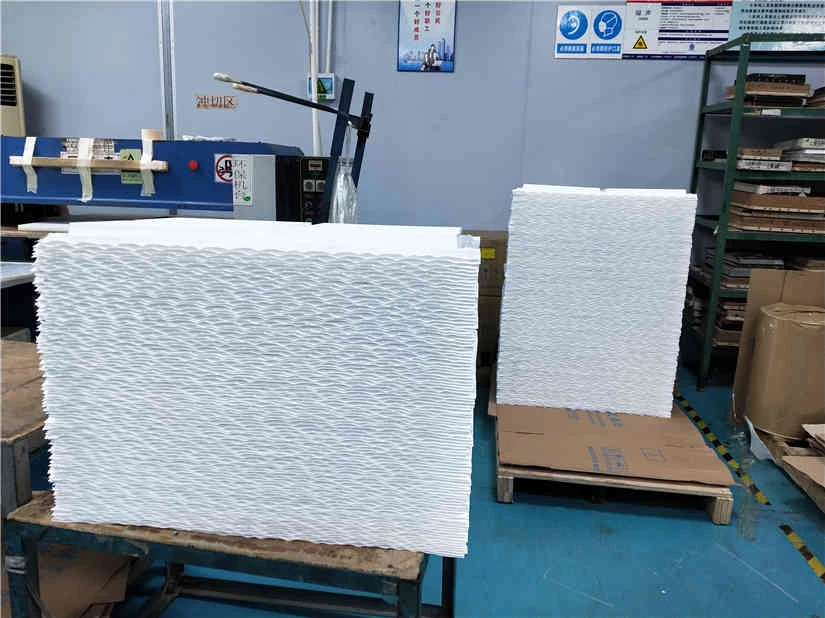
Vacuum Formed Trays for Fine Pitch and Fragile Packages
Vacuum formed plastic trays with custom cavities for holding electronic components during handling, transport and storage, designed to match a specific device profile and prevent movement, damage and misalignment
Vacuum formed plastic trays with custom cavities for holding electronic components during handling, transport and storage, designed to match a specific device profile and prevent movement, damage and misalignment
Trays hold each device in its own pocket with no sliding contact, which is what fine pitch and fragile packages need. They cost more per device than tubes and are specified where the package cannot take tube travel.
Every Item in the Vacuum Formed Trays Line
Made to the device rather than sold from stock.
Who Specifies Vacuum Formed Trays
- IC distributors packaging custom or high-value components for export
- Semiconductor and component makers shipping finished devices with minimal movement
- EMS and SMT plants using trays for in-line handling and buffer stock
- Connector and relay manufacturers needing trays that hold irregularly shaped bodies
- LED and power module producers requiring trays with precise cavity alignment for high-volume production
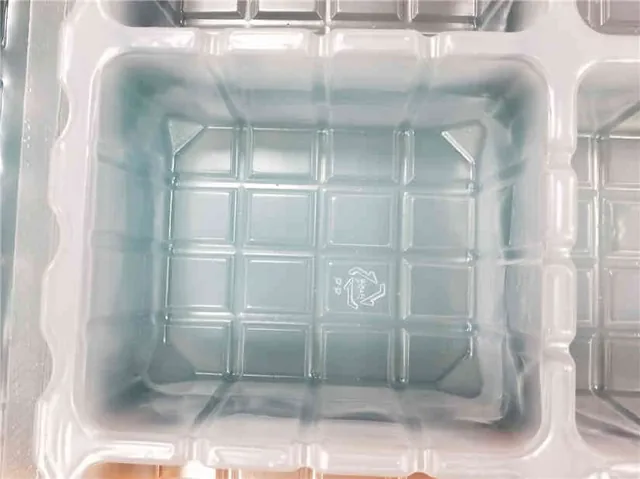
What Vacuum Formed Trays Is There to Prevent
- Components shift inside standard trays during transport, causing contact damage and misalignment at pick and place
- Off-the-shelf tray cavities do not match a new or custom device package, leading to loose fit and part damage
- Trays with poor cavity depth allow components to lift out during handling or vibration
- Standard trays lack ESD protection, risking electrostatic discharge on sensitive devices
- Non-nesting trays take up excessive space in storage and shipping, increasing logistics costs
- Trays with inconsistent cavity dimensions cause feeding issues in automated assembly lines
How the Vacuum Formed Trays Line Is Built
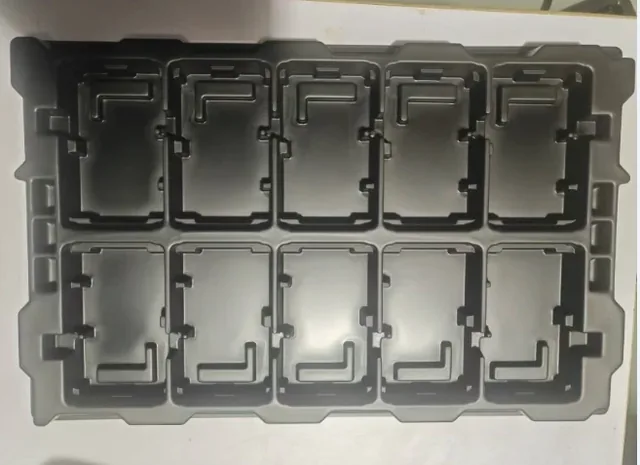
- Custom cavities matched to the exact device profile, minimizing movement and damage
- Available in ESD and antistatic materials including PS HIPS PC PETG ABS and PVC
- Thin material allows nesting for space-saving storage and reduced shipping weight
- Trays can be designed with a specific number of cavities such as 50 or 100 for easy counting
- Low tooling cost compared to injection molding, enabling quick turnaround for custom designs
- Vacuum forming process supports complex cavity shapes and tight tolerances on standard profiles
- Trays can be made with or without lids, depending on protection and handling needs
Where Vacuum Formed Trays Ends Up
Shipping custom QFN and LGA packages from a component plant to an overseas EMS without internal movement
Holding fragile connectors and relays during factory transfer with no risk of tipping or contact
Storing high-value semiconductors in buffer stock with tray cavities that prevent shifting over time
Creating a tray with 100 cavities for traceable kitting and automated counting in an SMT line
Replacing a damaged tray design on a running line with a custom cavity that matches the device exactly
Industries Buying This Line
Sectors where vacuum formed trays is specified most often.
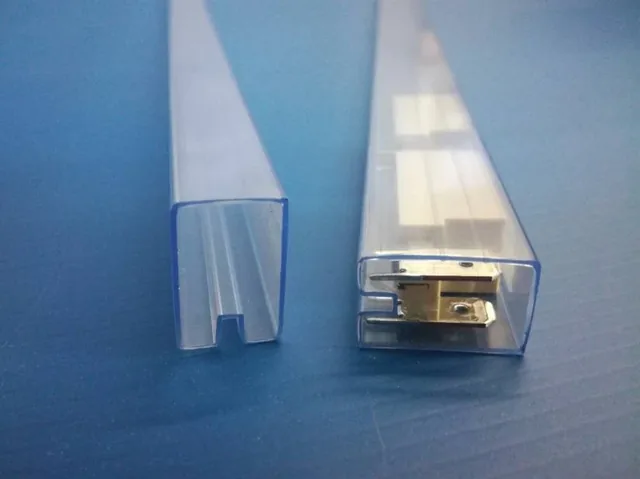
Connectors Relays And Switches
Connectors, relays, terminal blocks, switches and power modules are too large or heavy for standard tape and reel packaging.
See Application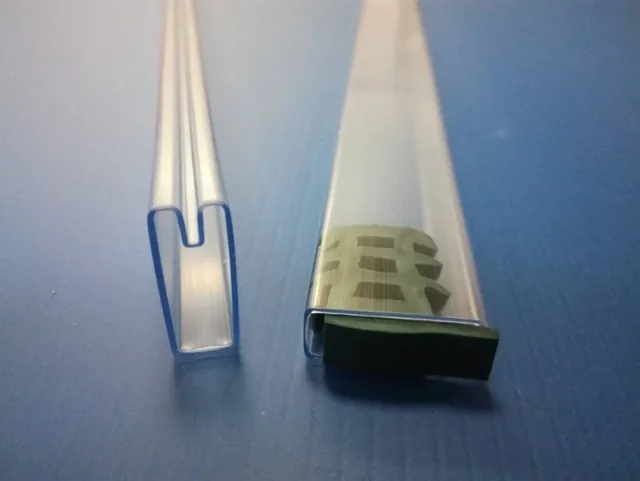
Power Modules And Passive Components
Power modules, resistors, capacitors, inductors, magnetic components, fuses, filters, transformers, speakers, sockets, FPC, RJ and USB parts require packaging that protects against electrostatic discharge, mechanical shock, and environmental exposure during transit and storage.
See Application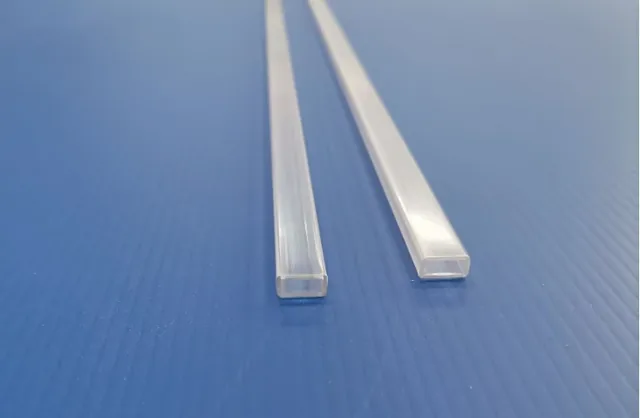
Semiconductor And IC Distribution
IC distributors and semiconductor plants handle devices that are sensitive to electrostatic discharge, mechanical shock, and orientation changes during transit.
See ApplicationRelated Guides
Technical background on vacuum formed trays.
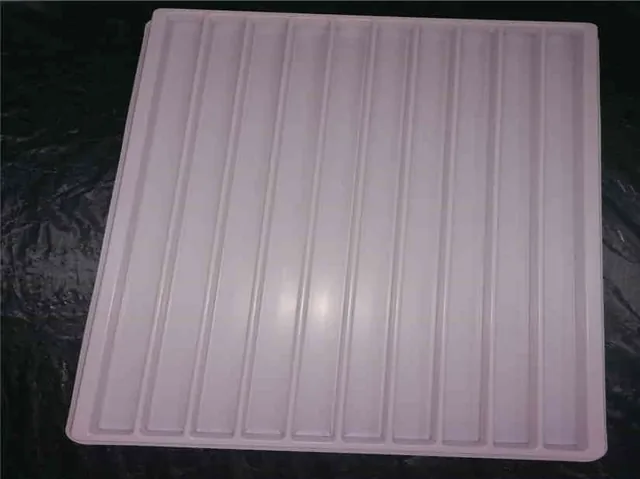
Vacuum Formed Trays For Component Packaging
Vacuum formed trays are made by heating a plastic sheet, stretching it over a mold, and pulling it down with vacuum pressure.
Read Guide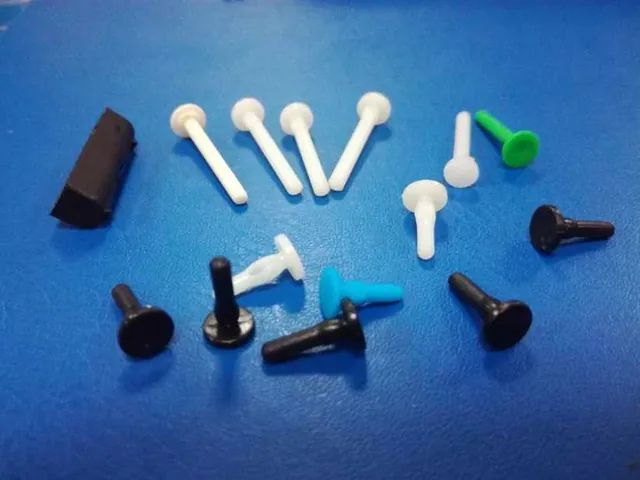
How To Choose IC Tube Stoppers
An anti-static IC tube is a precision profile designed to hold components during transport and feeding.
Read Guide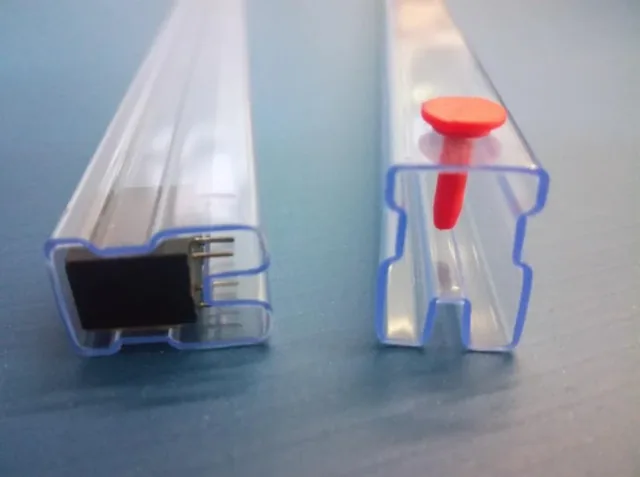
Packaging Forms For Electronic Components
Surface mount components are packaged in four primary forms: tape, tube, tray, and bulk.
Read GuideVacuum Formed Trays Questions
Can you make a tray for a device package you have not made before?
Yes. Send a device drawing, a physical sample, or a tube drawing. We measure the profile and build the mold accordingly. New tooling takes 4-6 weeks for standard profiles, 10-12 weeks for complex or high-volume tools.
What is the minimum order quantity?
10000 pieces on standard profiles. Tooling setup cost requires a minimum run to be economically viable.
Which materials are available for ESD protection?
PS, HIPS, PC, PETG, ABS, and PVC. All are available in ESD or antistatic grades, with surface resistivity tested to meet industry standards.
Can trays be made with a specific number of cavities?
Yes. Trays can be designed with any even number of cavities such as 50, 100, or 200, to support counting and traceability.
Are the trays RoHS compliant?
Yes. All materials used meet RoHS requirements. The quality management system is ISO14001 and all products comply with Sony environmental protection standards.
How fast can a repeat order ship?
5-15 days depending on quantity, against a profile already tooled. Weekly capacity is 50000 pcs and monthly output of finished products is 150 tons.
Get the Vacuum Formed Trays Specification You Actually Need
Send the device, the current packaging and the annual quantity. The format, material and lead time come back within 24 hours.