
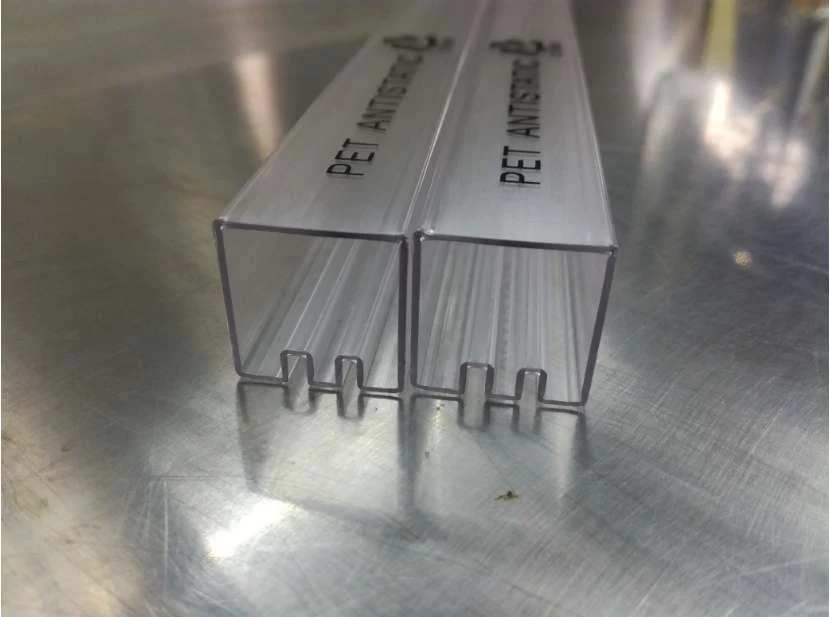
Custom IC Tubes For Specific Device Profiles
Each IC tube is extruded to match a unique device profile—shape, width, cavity depth and end plug type. Off-the-shelf tubes rarely fit.
- Home
- Knowledge Center
- Custom IC Tubes For Specific Device Profiles
On this page
- IC Tubes Are Custom Profiles For Specific Device Geometries
- Material Choice Affects Performance And Compatibility
- Anti-Static Protection Is Built In Or Applied To The Surface
- Tolerance Control Is Critical For Feeder Compatibility
- Custom Tube Design Requires Tooling And Minimum Order
- End Plugs And Closures Match The Tube Profile
- Use A Sample Tube To Confirm Fit Before Production
IC Tubes Are Custom Profiles For Specific Device Geometries
Each IC tube is extruded to match a unique device profile—shape, width, cavity depth and end plug type. Off-the-shelf tubes rarely fit. A mismatch causes jamming in feeders, rejected components and line downtime. The tube must be designed around the physical dimensions of the device it holds, not the other way around.
Material Choice Affects Performance And Compatibility
PVC, PS, PC, PETG and ABS are used based on mechanical and environmental needs. PVC offers flexibility and low cost. PS and HIPS are rigid and low-cost. PC and ABS provide high impact resistance. The material affects wear resistance, temperature stability and anti-static method. Select based on the operating environment and component sensitivity.
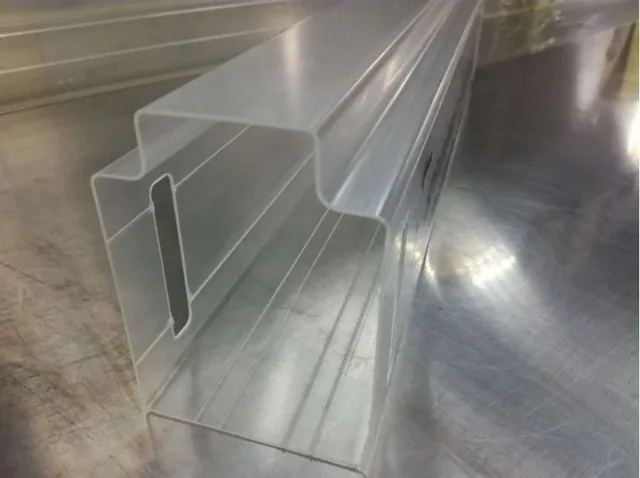
Anti-Static Protection Is Built In Or Applied To The Surface
Anti-static properties are achieved either by adding conductive agents into the resin during extrusion or by applying a surface layer treatment. The choice affects long-term stability. Surface treatments may degrade with repeated handling or storage. Specify the intended use duration when ordering to select the right method.
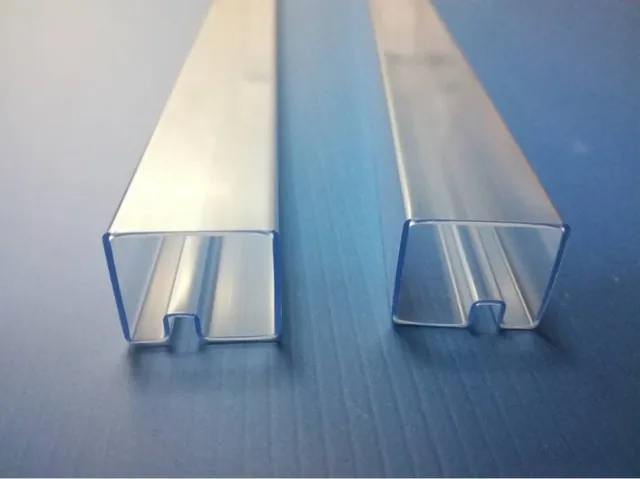
Tolerance Control Is Critical For Feeder Compatibility
Critical dimensions on PVC tubes are controlled within 5 mils. This tolerance ensures the device slides freely without binding. Deviations beyond this range cause misfeeds or damage. The tooling must be verified against the device profile before production starts.
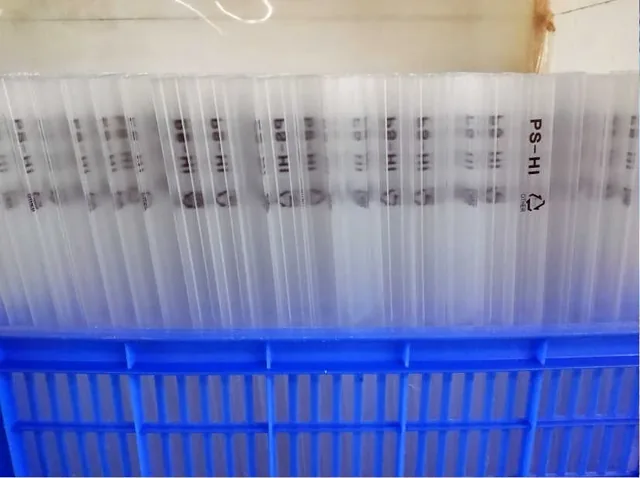
Custom Tube Design Requires Tooling And Minimum Order
Each unique tube profile requires a custom extrusion tool. Tooling setup is a one-time cost. Minimum order quantity is 10,000 pieces. Lead time for tooling is 25 days for basic low volume, 4–6 weeks for typical, and 10–12 weeks for complex or high-volume tools. Design must be confirmed before tooling begins.
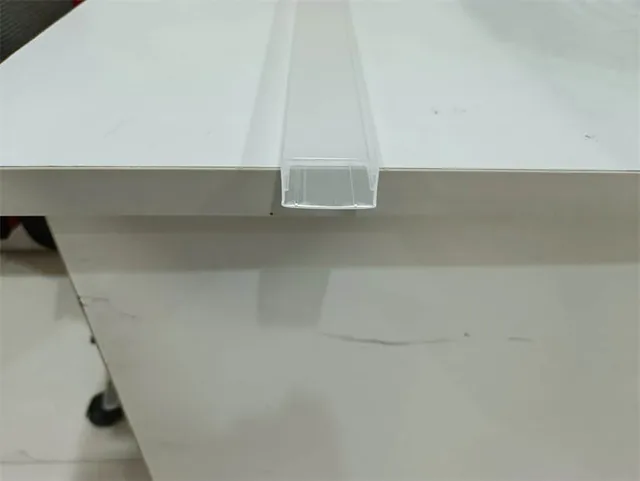
End Plugs And Closures Match The Tube Profile
Plastic end pins, rubber end plugs, nails, caps and EPE plugs are matched to the tube’s end diameter and wall thickness. Using the wrong plug causes leakage, premature ejection or damage to the tube end. Keep plugs with the tube they were made for to avoid mixing.
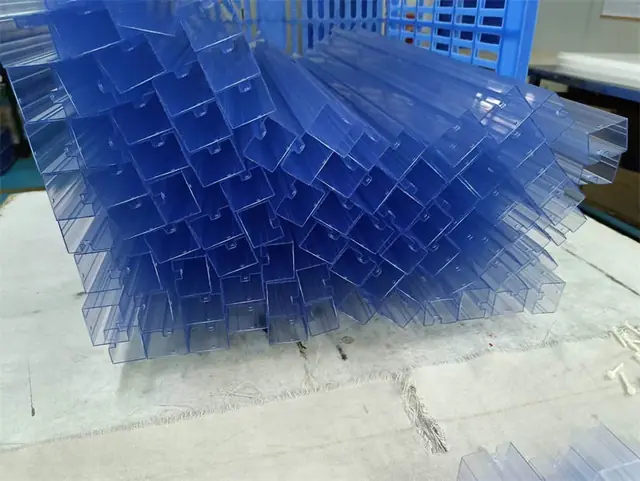
Use A Sample Tube To Confirm Fit Before Production
If no drawing is available, provide the physical component. Sewate will measure it and build a prototype tube. Test the fit with the actual device before approving tooling. This avoids costly rework and production delays.
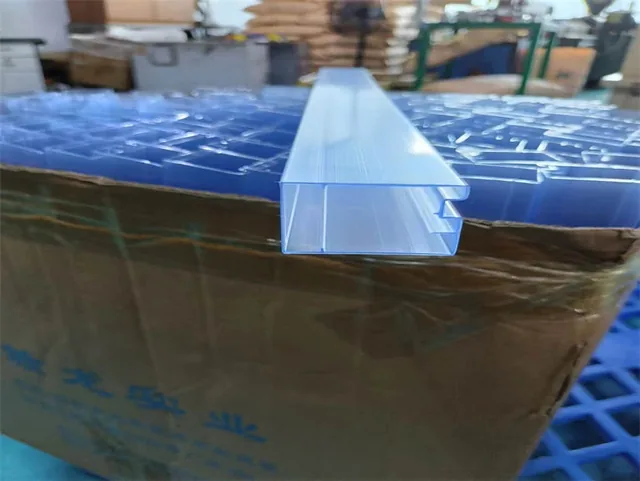
Products In This Guide
The products this guide applies to.
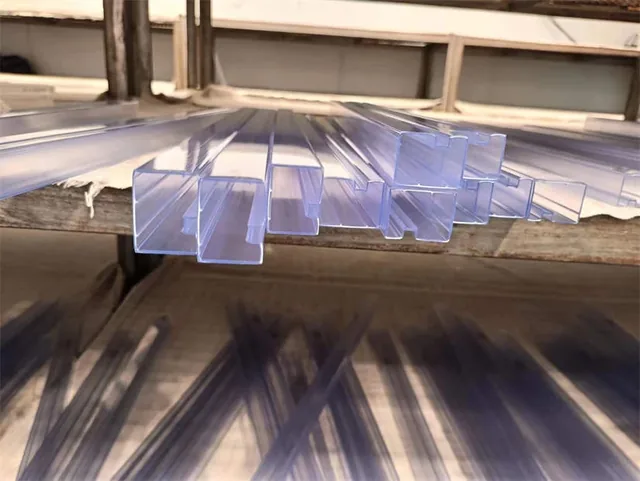
Anti Static Shipping Tubes
Anti Static Shipping Tubes are extruded plastic channels designed to protect electronic components from electrostatic discharge, mechanical shock, and environmental damage during transport and storage.
View Details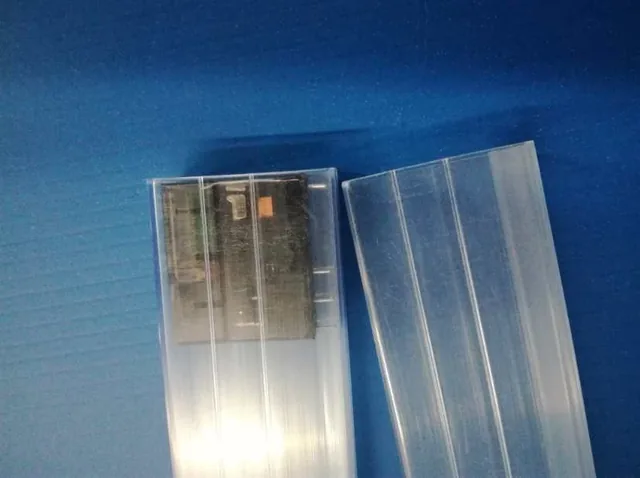
Anti Static Tubes
Anti Static Tubes are extruded plastic channels designed to protect electronic components from electrostatic discharge, mechanical shock, and environmental damage during shipping and processing.
View Details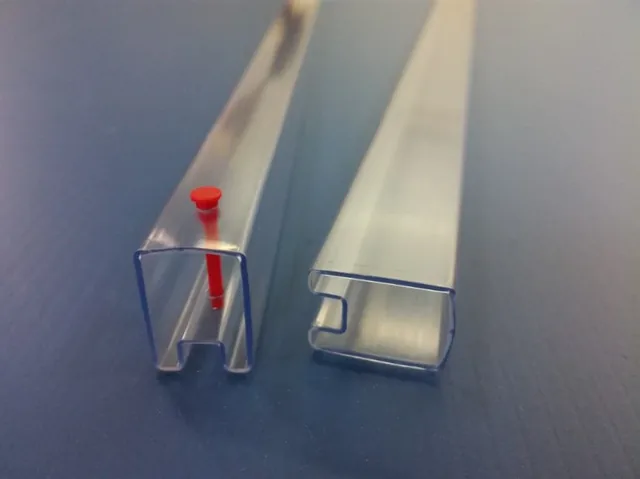
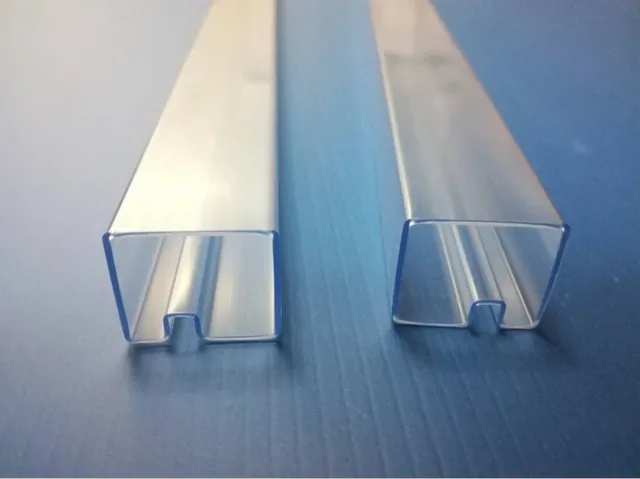
Anti-Static IC Tubes
Anti-Static IC Tubes are extruded plastic channels designed to protect electronic components from electrostatic discharge, mechanical shock, and environmental damage during transport and storage.
View DetailsKeep Reading
Guides that cover the next question.
Custom Anti Static IC Tube Guidelines
To begin customization, supply four items: the tube material, part size, desired tube length, and plug type.
Read Guide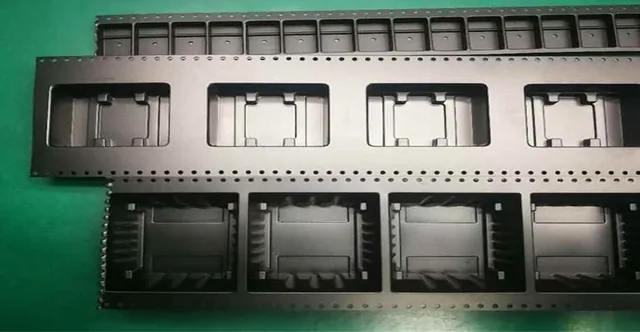
Carrier Tape Types By Width, Pocket And Anti Static Level
The carrier tape is a tape-shaped product with equidistant cavities for holding electronic components.
Read Guide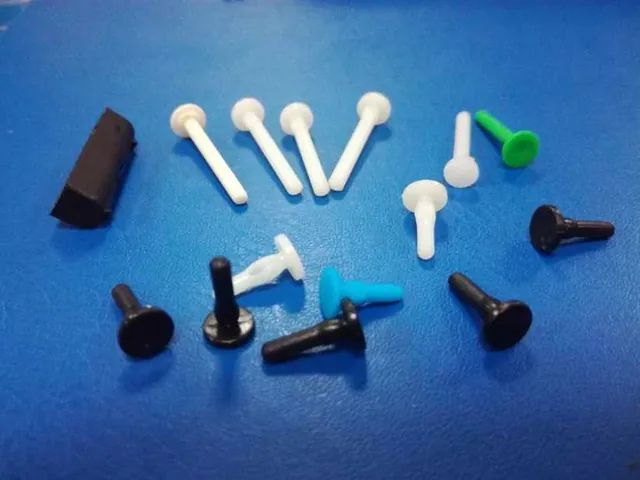
How To Choose IC Tube Stoppers
An anti-static IC tube is a precision profile designed to hold components during transport and feeding.
Read GuideQuestions From This Guide
What do I need to provide for a quote on custom IC tubes?
You need a drawing of the tube, a drawing of the IC component, a sample tube, or the physical component itself. If none are available, Sewate will measure your component to design the tube.
What is the minimum order quantity for custom IC tubes?
The minimum order quantity is 10,000 pieces per tube profile.
How long does custom tooling take?
Basic low volume tooling takes 25 days. Typical tooling takes 4–6 weeks. Complex or high-volume tools take 10–12 weeks.
Can I get a sample before tooling is approved?
Yes. After providing the component or drawing, Sewate will produce a prototype tube for fit testing before final tooling begins.
What materials are available for IC tubes?
Available materials are PVC, PS / HIPS, PC, PETG, and ABS. Each has different mechanical and environmental properties.
How is the anti-static property applied?
Anti-static is either built into the material as an additive or applied as a surface layer. The method affects long-term stability and handling.
Can I print symbols on the tube surface?
Yes. Printing of symbols, barcodes, or logos is an optional feature. Specify the design and location during the order process.
Apply This to Your Own Parts
Send the device and the current packaging. The recommendation comes back with a material, a profile and a lead time.