
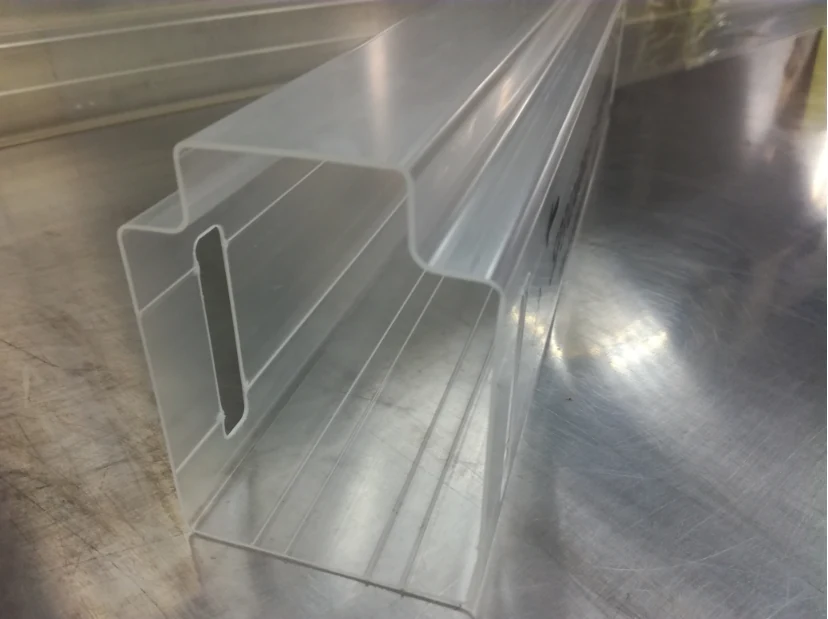
Materials For Anti Static IC Tubes
IC shipping tubes are made from several plastics including PVC, PS, PET, PC, and ABS. Each material has distinct mechanical, processing and environmental properties.
- Home
- Knowledge Center
- Materials For Anti Static IC Tubes
On this page
- Material Options For Anti Static IC Tubes And Their Trade-Offs
- PVC Tubes Offer Low Cost And High Durability
- PS Tubes Are Halogen-Free But Require Thicker Walls
- PET, PC, And ABS Provide High Mechanical Strength
- Material Selection Affects Tube Fit And Feeder Compatibility
- Material Properties Impact Storage And Handling
- Specify Material Based On Application Requirements
Material Options For Anti Static IC Tubes And Their Trade-Offs
IC shipping tubes are made from several plastics including PVC, PS, PET, PC, and ABS. Each material has distinct mechanical, processing and environmental properties. The choice affects tube performance in handling, transport, storage and compatibility with automated assembly lines.
PVC Tubes Offer Low Cost And High Durability
PVC is widely used for its good hardness, ease of processing, and resistance to breakage during long-distance transport. It maintains geometric stability and has a long storage life. The material is non-flammable and non-toxic, making it suitable for electronic component packaging. However, PVC does not meet halogen-free requirements.
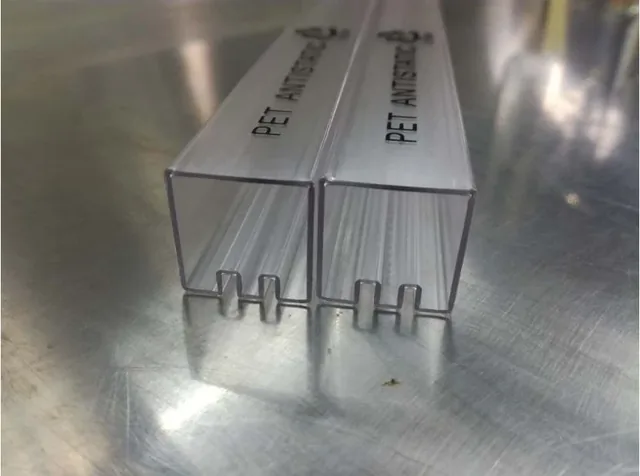
PS Tubes Are Halogen-Free But Require Thicker Walls
PS (polystyrene) is environmentally friendly and meets halogen-free standards including Sony SS-00259. It is easy to form and low cost. However, PS is more brittle than PVC at the same wall thickness. To ensure safety during transport, the wall thickness is typically increased by about 1 mm when using PS.
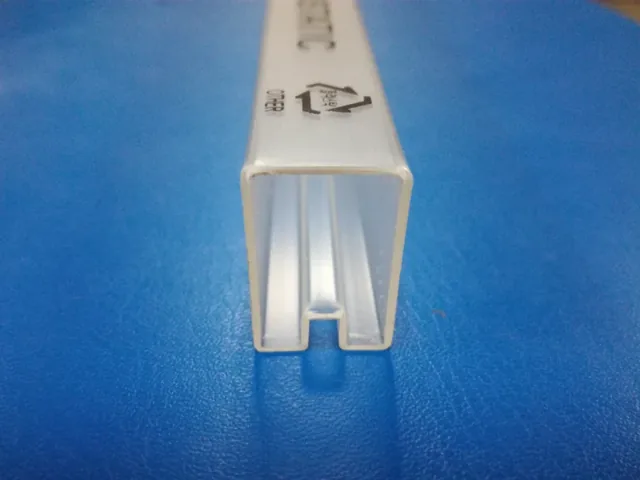
PET, PC, And ABS Provide High Mechanical Strength
PET, PC, and ABS offer high toughness, wear resistance, and strong drop resistance. They are suitable for components requiring high mechanical strength and durability. These materials are used when the application demands superior impact resistance or performance under extreme conditions.
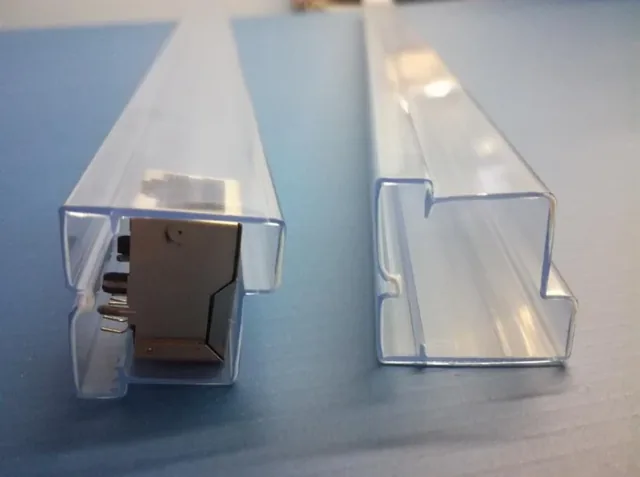
Material Selection Affects Tube Fit And Feeder Compatibility
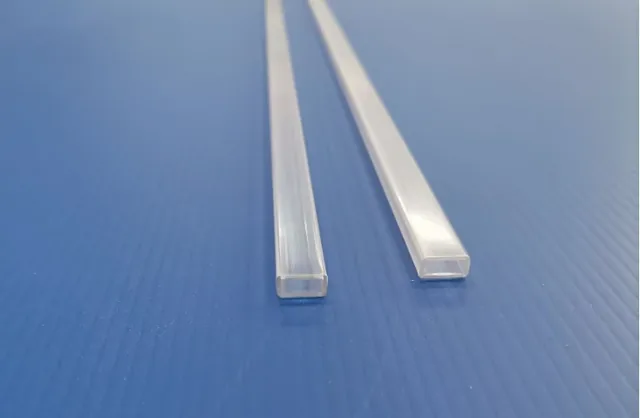
The material choice influences the tube's rigidity and elasticity. A tube that is too stiff may not flex during insertion into a feeder. One that is too soft may deform under pressure. The material must be matched to the device profile and the feeding system to prevent jams and ensure reliable operation.
Material Properties Impact Storage And Handling
PVC and PC have better long-term stability under heat and light. PS and PET are more sensitive to environmental stress. Tubes made from materials with lower impact strength, like PS, may degrade faster if stored under load or in high temperatures. Always store tubes in a cool, dry, shaded area.
Specify Material Based On Application Requirements
When ordering, specify the required material based on the component's sensitivity, transport conditions, storage duration, and assembly line compatibility. The material affects not only protection but also the tube's ability to maintain fit over time and under load.
Products In This Guide
The products this guide applies to.
Carrier Tape Materials
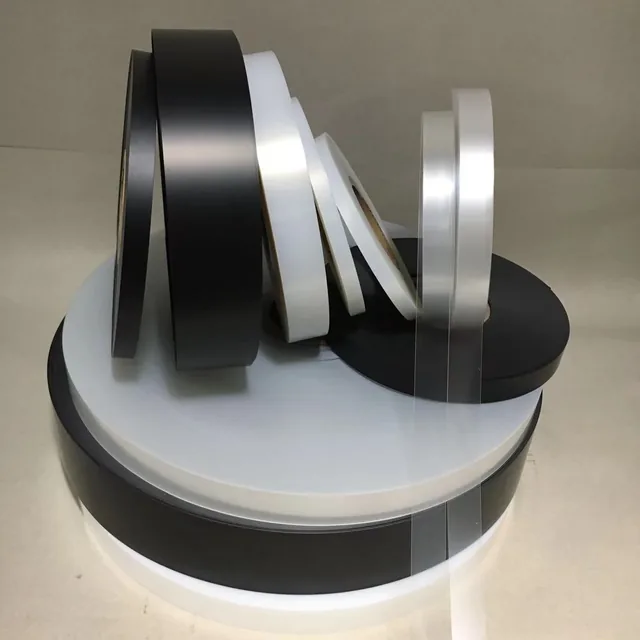
Carrier tape materials are extruded and embossed sheets made from PS, PET, PC, ABS, or HIPS, designed to hold electronic components in fixed pockets for automated pick and place.
View Details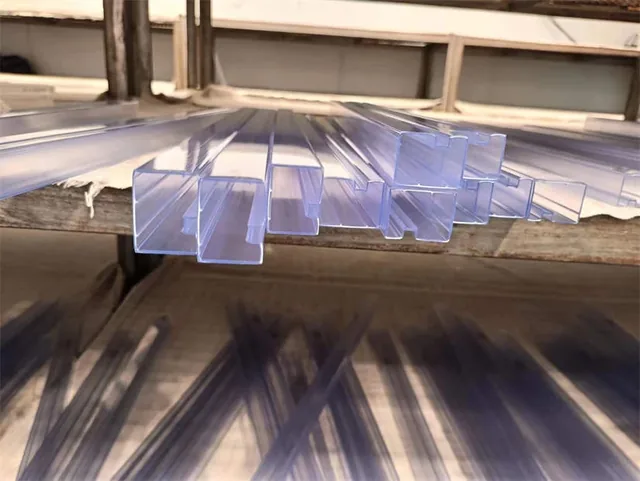
Anti Static Shipping Tubes
Anti Static Shipping Tubes are extruded plastic channels designed to protect electronic components from electrostatic discharge, mechanical shock, and environmental damage during transport and storage.
View Details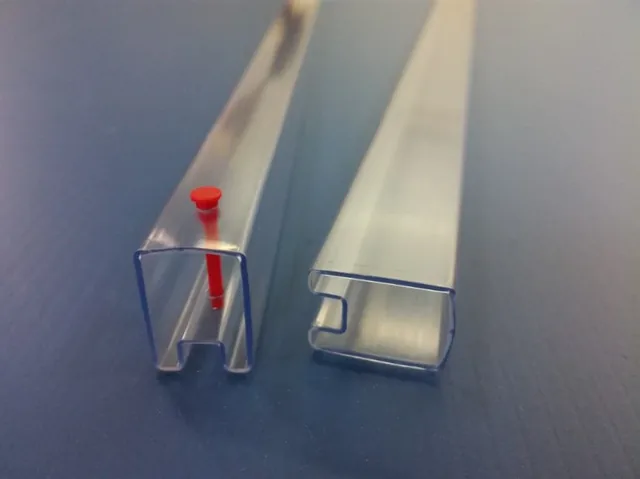
Anti-Static IC Tubes
Anti-Static IC Tubes are extruded plastic channels designed to protect electronic components from electrostatic discharge, mechanical shock, and environmental damage during transport and storage.
View DetailsKeep Reading
Guides that cover the next question.
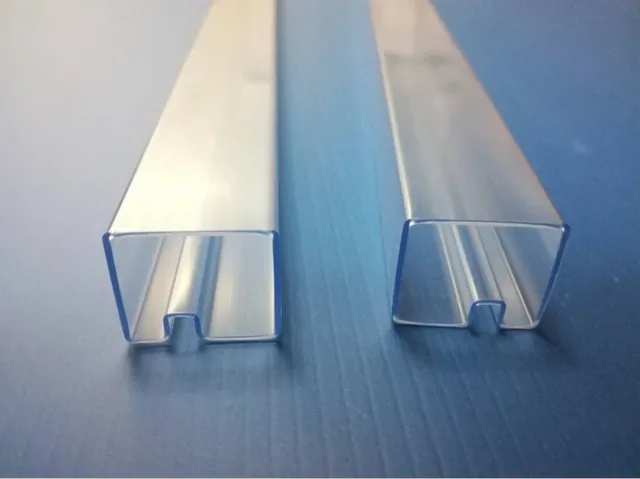
Custom Anti Static IC Tube Guidelines
To begin customization, supply four items: the tube material, part size, desired tube length, and plug type.
Read Guide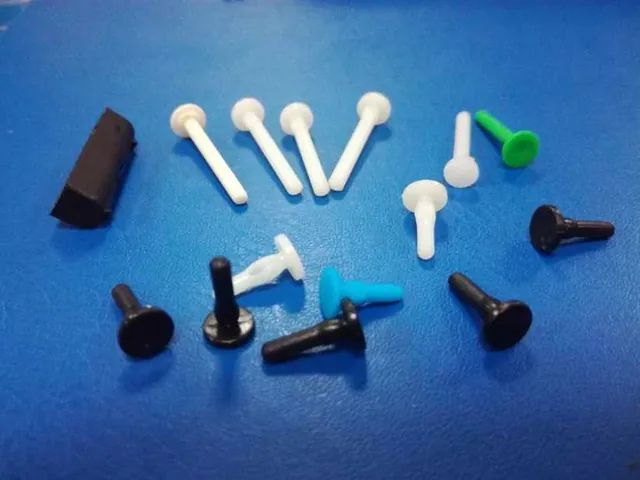
How To Choose IC Tube Stoppers
An anti-static IC tube is a precision profile designed to hold components during transport and feeding.
Read GuideCustom IC Tubes For Specific Device Profiles
Each IC tube is extruded to match a unique device profile—shape, width, cavity depth and end plug type.
Read GuideQuestions From This Guide
What materials are available for anti-static IC tubes?
Available materials include PVC, PS, PET, PC, and ABS. Each has different properties in strength, flexibility, environmental compliance, and processing ease.
Why is PVC commonly used for IC tubes?
PVC is used because it is hard, easy to process, has good geometric stability, resists breakage during transport, and has a long storage life. It is also low cost.
Does PS meet halogen-free standards?
Yes, PS is halogen-free and complies with Sony SS-00259. It is environmentally friendly but more brittle than PVC, requiring thicker walls for the same strength.
Can I use PET, PC, or ABS for high-impact applications?
Yes, PET, PC, and ABS offer high toughness, wear resistance, and strong drop resistance. They are suitable for components requiring high mechanical strength and durability.
How does material affect tube fit over time?
Materials like PVC and PC maintain shape better under heat and load. PS and PET are more prone to deformation if stored under pressure or in high temperatures. Choose the material based on expected storage duration and handling conditions.
Is the anti-static property affected by the material type?
The anti-static property is achieved through additives or surface treatments, not the base resin. However, the material's surface stability affects how long the anti-static layer remains effective during storage and handling.
Can I switch materials after tooling is made?
Changing materials after tooling requires re-validation of fit and function. The wall thickness, rigidity, and feeding behavior differ between materials. Re-tooling may be needed for a different material.
Apply This to Your Own Parts
Send the device and the current packaging. The recommendation comes back with a material, a profile and a lead time.