
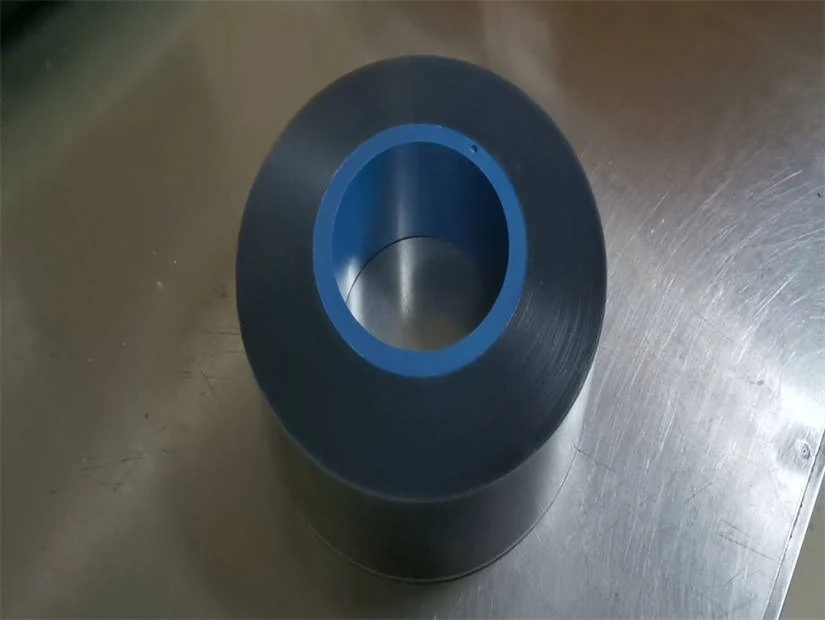
Running a Carrier Tape Programme That Does Not Stop the Feeder
Carrier tape, cover tape and reel are one system. When a reel jams or a seal cracks at the customer, the cause is almost always in how the three were matched.
Carrier tapes are designed to package, protect and present components to pick and place machines for automatic handling. That last word is the whole point: the tape has to hand the part to the machine in the right orientation, every pocket, at speed. Getting there means matching the right material and thickness to the application, then pairing the cover tape and the reel to it.
SEWATE produces embossed carrier tape, pre-punched, punched pocket and un-punched paper carrier tape, cover tape and plastic reels, in widths from 4mm through 8, 12, 24, 32, 44, 56, 72, 88 and 104mm. Because all of it is made in-house, the pairing is specified as one job rather than three purchase orders that meet for the first time at your feeder.
The Three Parts and the Order They Are Decided
Carrier first, then cover, then reel. Reversing that order is where problems start.
Carrier
Material and thickness matched to the component. Embossed for depth, paper for thin flat parts, punched or un-punched to suit.
Cavity
Pocket designed to the device so it cannot rotate, shingle or piggy back on the way to the placement head.
Cover Tape
Paired to the carrier material and sealing parameters so peel is consistent and the seal does not crack.
Reel
Plastic reel matched to tape width and length, so the tape feeds without binding at the hub or the flange.
The Failures Worth Designing Out
Each one shows up at the customer line, not in your warehouse.
Choosing the Carrier Material
Where it goes wrong: A material is chosen on price and turns out to be wrong for the pocket depth or the part weight.
How it is handled: Material and thickness are matched to the particular application. Embossed tape takes depth, paper carrier tape suits thin flat components, and the range covers punched, pre-punched and un-punched.
Sizing the Cavity
Where it goes wrong: A pocket cut with generous clearance lets the device rotate or sit proud, and the placement head picks it wrong.
How it is handled: The cavity is designed around the real device so it holds orientation. Package guide profile design is the same principle used in tubes to prevent piggy back, shingling and unit rotation.
Pairing the Cover Tape
Where it goes wrong: Cover tape is bought separately, and the seal cracks or peels unevenly on a different carrier batch.
How it is handled: Cover tape is specified with the carrier it will run against. Sealing crack problems have known causes and are dealt with at specification, not at the customer feeder.
Matching the Reel
Where it goes wrong: Tape width and reel do not agree, so the tape binds at the flange and the feeder stalls.
How it is handled: Plastic reels are supplied against the tape width from the standard range, from 4mm up to 104mm, and the pairing is confirmed with the order.
ESD Behaviour
Where it goes wrong: The tape system is treated as mechanical packaging and the static path is forgotten.
How it is handled: The carrier tape reel is designed for physical and ESD protection of every device, in line with the same anti-static approach used across the tube range.
Repeat Supply
Where it goes wrong: A second lot behaves differently from the first, and the line has to be re-tuned.
How it is handled: Repeat orders run against the same specification and tooling, on a 5-15 day lead time depending on quantity.
What the Programme Covers
- Carrier tape material and thickness chosen against the component and pocket depth
- Embossed or paper carrier tape, punched, pre-punched or un-punched as the part requires
- Cavity design that holds orientation and prevents shingling and rotation
- Cover tape paired to the carrier and its sealing parameters
- Plastic reels matched to tape width across the 4mm to 104mm range
- Repeat supply on 5-15 day lead time against the agreed specification
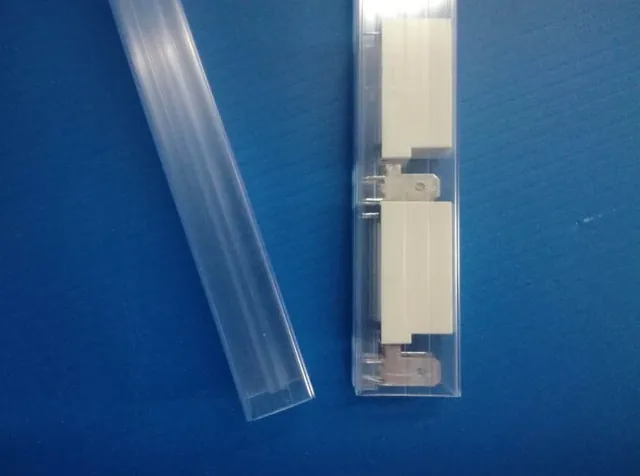
Products In This Solution
The tape, cover tape and reel items this programme is built from.
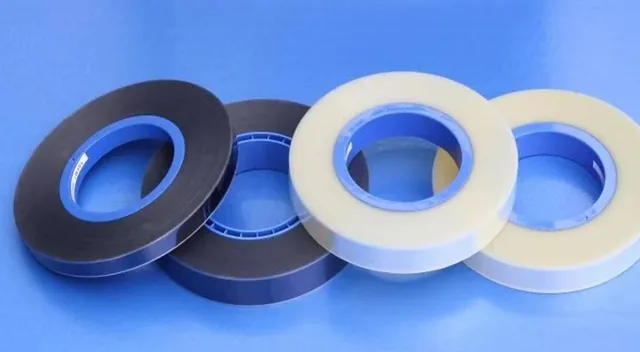
Cover Tape
Cover tape seals onto carrier tape to protect electronic components during transport and storage.
View Details
Carrier Tape Materials
Carrier tape materials are extruded and embossed sheets made from PS, PET, PC, ABS, or HIPS, designed to hold electronic components in fixed pockets for automated pick and place.
View Details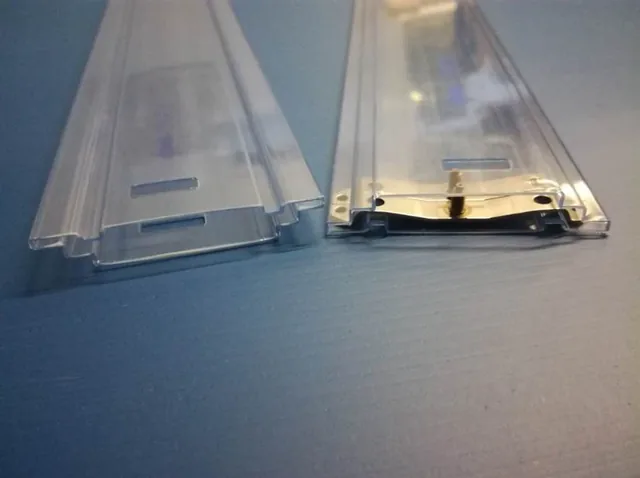
Anti Static IC Shipping Tubes
Anti Static IC Shipping Tubes are extruded plastic channels designed to protect electronic components from electrostatic discharge, mechanical shock, and environmental damage during transport and storage.
View Details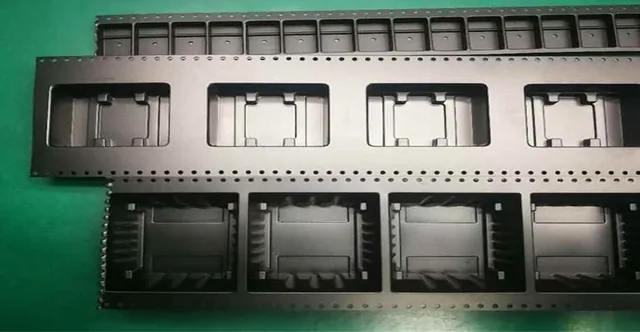
Embossed Carrier Tape
Embossed carrier tape is a precision-formed plastic tape with regularly spaced pockets that hold electronic components in fixed positions during shipping, storage, and automated placement.
View Details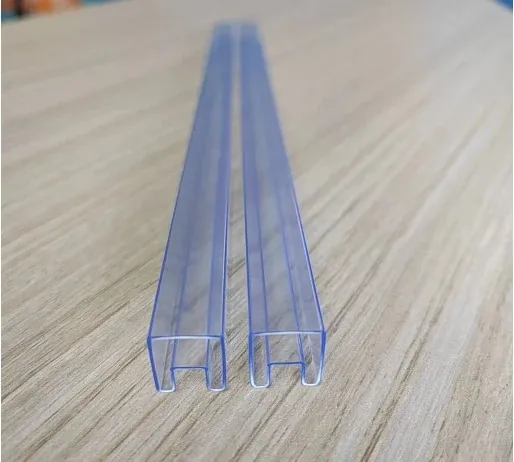
ESD Shipping Tubes
ESD shipping tubes are extruded plastic channels designed to protect electronic components from electrostatic discharge, mechanical shock, and environmental damage during transport and storage.
View Details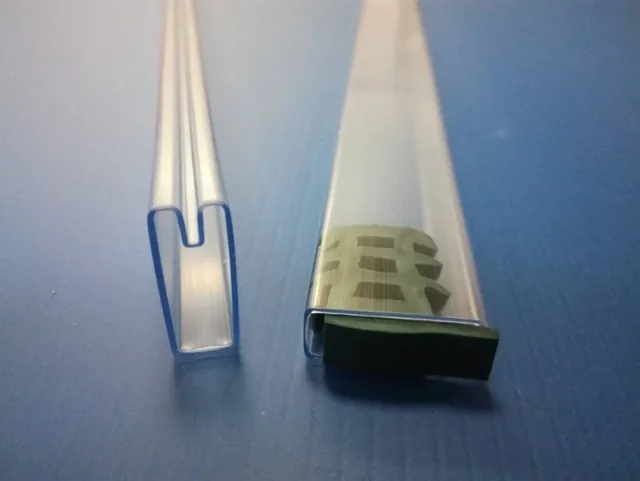
IC Component Tubes
IC Component Tubes are extruded plastic channels designed to hold electronic components such as ICs, relays, switches, connectors, sensors, power modules, LEDs, and medical instruments in a fixed orientation during shipping and processing.
View DetailsRelated Guides
Technical background on tape, cover tape and sealing.
Carrier Tape Types By Width, Pocket And Anti Static Level
The carrier tape is a tape-shaped product with equidistant cavities for holding electronic components.
Read GuideCarrier Tape vs Cover Tape: Key Differences
The carrier tape holds the electronic component in a pocket and provides indexing holes for the pick and place machine.
Read GuideSix Advantages of PET Carrier Tape
PET carrier tape is selected when mechanical strength, environmental resistance and dimensional stability are critical.
Read GuideCarrier Tape Questions
Which tape widths do you produce?
4mm, 8mm, 12mm, 24mm, 32mm, 44mm, 56mm, 72mm, 88mm and 104mm among others, with the reel matched to the width.
What is the difference between carrier tape and cover tape?
Carrier tape holds the component in a pocket. Cover tape seals across the top and is peeled off at the feeder. They are specified together because the seal and peel behaviour depends on both.
When is paper carrier tape the right choice?
For thin flat components where the pocket depth the paper allows is enough. Punched, pre-punched and un-punched variants cover different pocket and feed requirements.
Why does a cover tape seal crack?
It is a pairing and parameter problem rather than a single defect. It is handled by matching the cover tape to the carrier material and setting the sealing conditions for that pair.
Can you match an existing tape we already buy?
Send a sample of the current tape with the device. Material, thickness, cavity and width are measured from it and the specification is written from there.
What is the lead time on repeat tape orders?
5-15 days depending on quantity, against an agreed specification. Samples are 3-5 days.
Send a Sample Reel and the Device
With the current tape and the part in hand, the carrier, cover tape and reel can be specified as one system instead of three separate buys.