
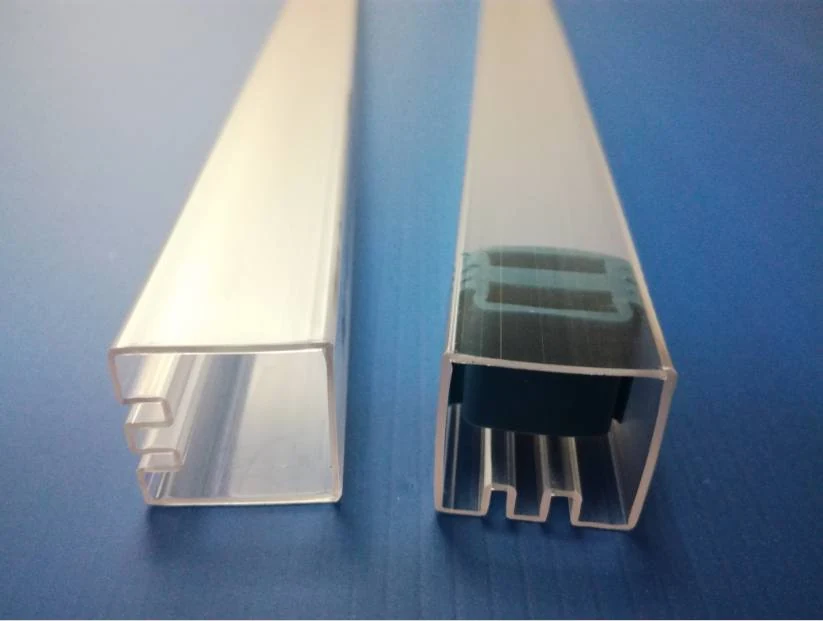
Factors Affecting IC Tube Appearance
A tube's appearance affects the buyer's perception of quality, even though it does not impact function.
- Home
- Knowledge Center
- Factors Affecting IC Tube Appearance
On this page
- Why Appearance Matters In IC Shipping Tubes
- Raw Material Choice Affects Color And Transparency
- Defective Raw Materials Cause Poor Surface Quality
- Production Process Determines Surface Defects
- Uniform Wall Thickness Improves Visual Consistency
- Visual Inspection Should Be Part Of Incoming Quality Control
- Appearance Does Not Guarantee Functionality
Why Appearance Matters In IC Shipping Tubes
A tube's appearance affects the buyer's perception of quality, even though it does not impact function. A tube that looks flawed may be rejected before testing, even if it meets dimensional and electrostatic requirements. Appearance is a first impression that influences acceptance in procurement and production.
Raw Material Choice Affects Color And Transparency
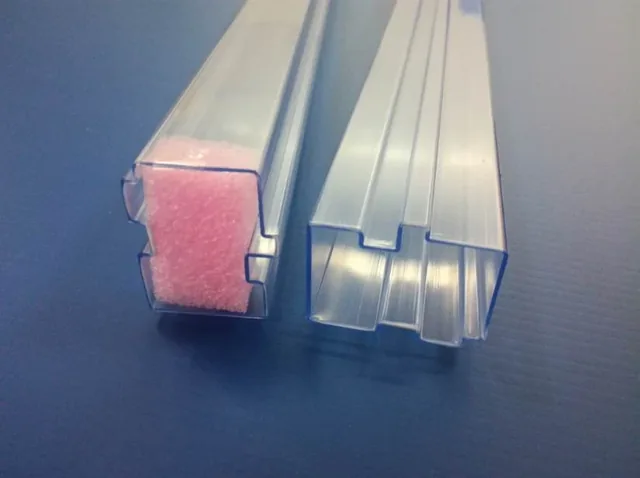
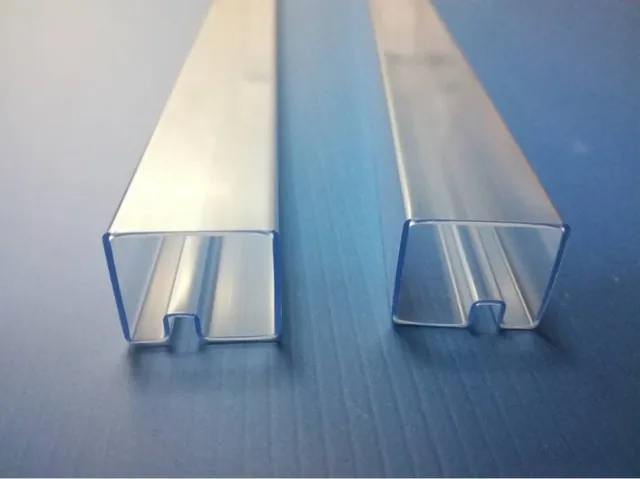
PVC and HIPS are the most common materials. PVC tubes are transparent with a blue tint, while HIPS tubes are more transparent and less colored. The base material determines the starting visual quality, including clarity and hue.
Defective Raw Materials Cause Poor Surface Quality
Using recycled, waste, or mixed materials results in a pale, light yellow surface. The wall becomes hazy, reducing transparency and making internal component inspection difficult. This is a sign of material contamination or low-grade input.
Production Process Determines Surface Defects
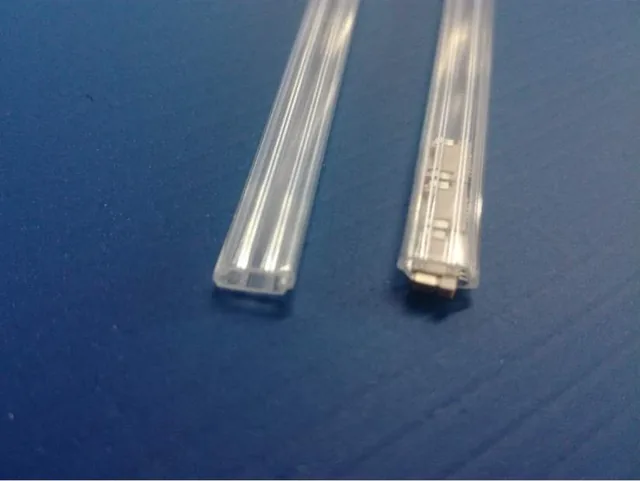
A well-controlled process produces tubes without spots, burrs, scratches, or uneven wall thickness. These defects appear during extrusion, cutting, or cooling and are visible on the surface. They do not affect function but affect perception.
Uniform Wall Thickness Improves Visual Consistency
Variations in wall thickness cause uneven light transmission and shadowing. A consistent wall thickness ensures even appearance and is a sign of stable extrusion and process control.
Visual Inspection Should Be Part Of Incoming Quality Control
Even if a tube passes functional tests, a visibly flawed surface may indicate material or process issues. Inspect for color uniformity, clarity, and surface defects before acceptance. Document any visual deviations.
Appearance Does Not Guarantee Functionality
A tube can look clear and smooth but still fail in dimensional tolerance, static discharge protection, or feed reliability. Appearance is not a substitute for functional testing. Use visual inspection as a screening tool, not a pass/fail criterion.
Products In This Guide
The products this guide applies to.
Anti Static IC Shipping Tubes
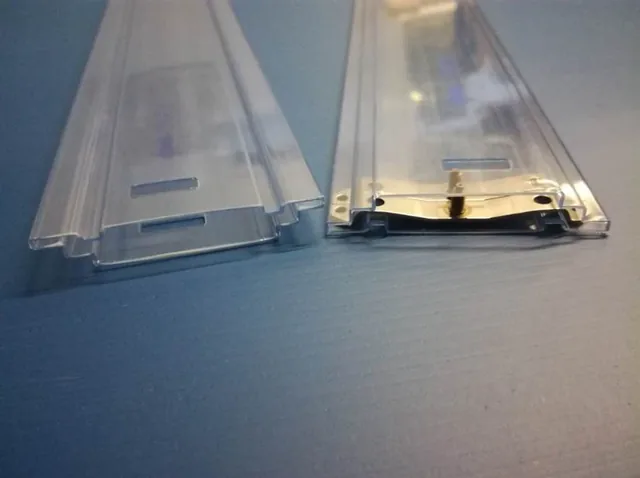
Anti Static IC Shipping Tubes are extruded plastic channels designed to protect electronic components from electrostatic discharge, mechanical shock, and environmental damage during transport and storage.
View Details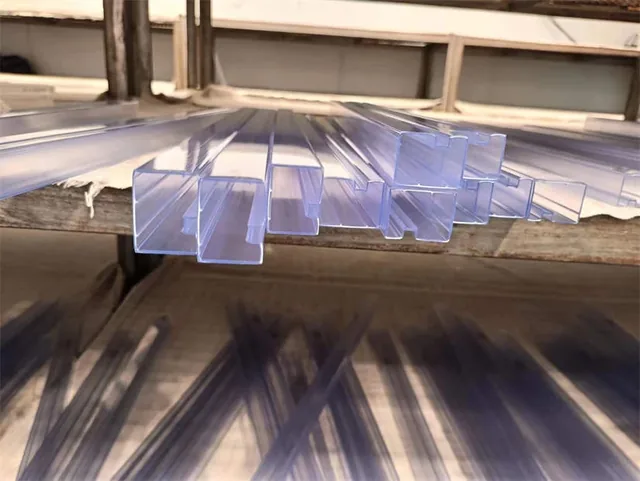
Anti Static Shipping Tubes
Anti Static Shipping Tubes are extruded plastic channels designed to protect electronic components from electrostatic discharge, mechanical shock, and environmental damage during transport and storage.
View Details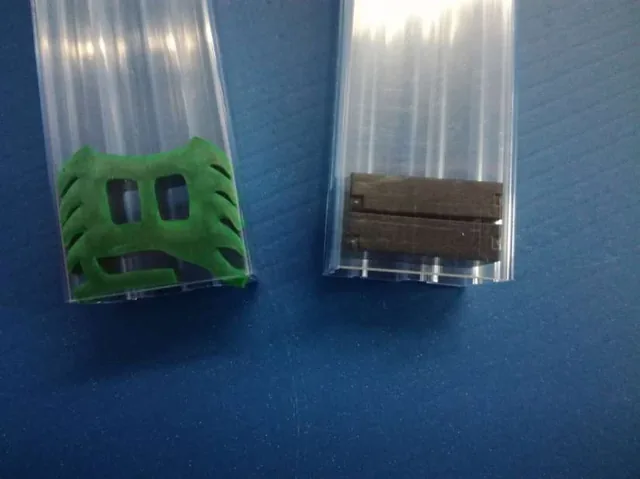
DA/DC Shipping Tubes
DA/DC Shipping Tubes are extruded plastic channels designed for packaging power boost module components, connectors, relays, switches, sensors, and other electronic devices.
View DetailsKeep Reading
Guides that cover the next question.
How to Identify Quality IC Shipping Tubes
A poorly made tube causes jams, rejects and downtime on the SMT line.
Read Guide
How Anti Static IC Tubes Are Made From PVC
The process starts with PVC resin fed into an extruder.
Read Guide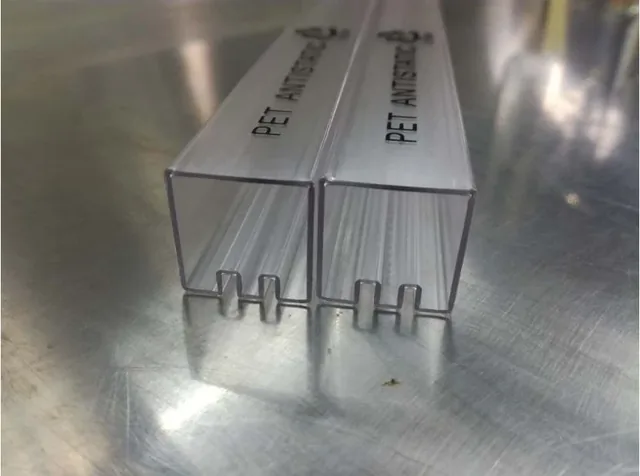
Custom IC Tubes For Specific Device Profiles
Each IC tube is extruded to match a unique device profile—shape, width, cavity depth and end plug type.
Read GuideQuestions From This Guide
Does a clear, blue tube mean it is made from PVC?
Yes, transparent blue tubes are typically made from PVC. HIPS tubes are more transparent but not blue. Material type can be confirmed by material test report or supplier documentation.
Can recycled materials affect the appearance of the tube?
Yes. Recycled or mixed materials cause a pale, light yellow color and reduce transparency. They may also introduce spots or surface inconsistencies.
Are surface scratches or burrs a sign of poor quality?
Yes. Scratches and burrs indicate issues in cutting, handling, or extrusion. They are visible defects that affect appearance and may indicate process instability.
Can a tube look good but still fail in function?
Yes. A tube can have a clear, smooth surface but still have dimensional deviations, poor static control, or incorrect wall thickness. Function must be tested separately.
How do I check if the material is pure?
Request a material test report. Pure PVC or HIPS will have consistent color, high transparency, and no haze. Haze or discoloration suggests contamination.
Is a more transparent tube always better?
Not necessarily. Transparency helps inspect internal components, but it does not affect performance. The material must also meet functional requirements like static dissipation and mechanical strength.
Should I reject a tube just because it has a slight color variation?
Not automatically. Minor color differences within the same batch may be normal. Reject only if the variation indicates material contamination, haze, or poor clarity that affects inspection.
Apply This to Your Own Parts
Send the device and the current packaging. The recommendation comes back with a material, a profile and a lead time.