
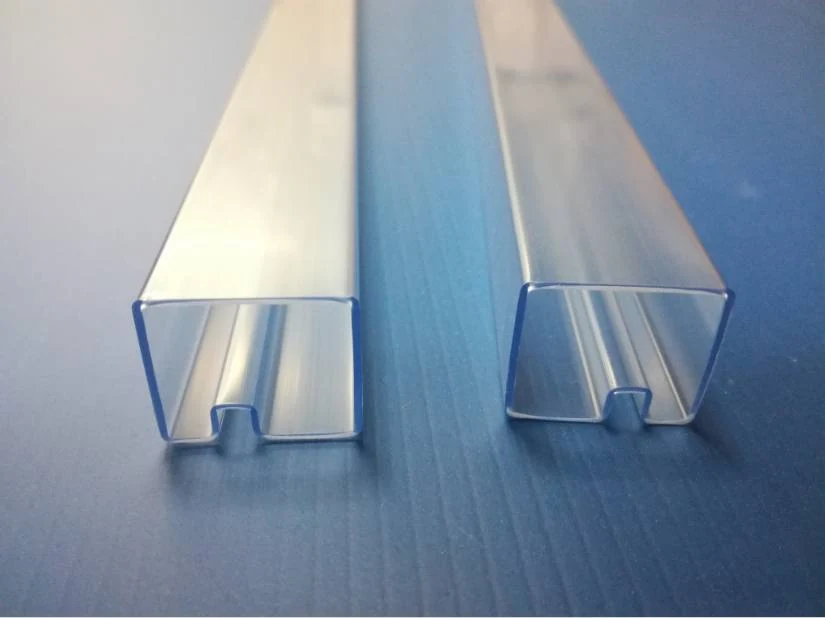
How to Identify Quality IC Shipping Tubes
A poorly made tube causes jams, rejects and downtime on the SMT line. The cost of a single misfeed can exceed the price of the tube itself.
- Home
- Knowledge Center
- How to Identify Quality IC Shipping Tubes
On this page
Why Quality IC Shipping Tubes Matter in Automated Production
A poorly made tube causes jams, rejects and downtime on the SMT line. The cost of a single misfeed can exceed the price of the tube itself. Low-cost tubes that cut corners on wall thickness, material purity or dimensional control fail when the device is fed, leading to tooling delays and rejected batches.
Check Length Against the Specification
Verify the tube length matches the ordered dimension. Some manufacturers shorten tubes to reduce material use and lower cost. Reputable producers maintain the full length within the specified tolerance. A tube that is too short may not hold the required number of devices and can cause feeder misalignment.
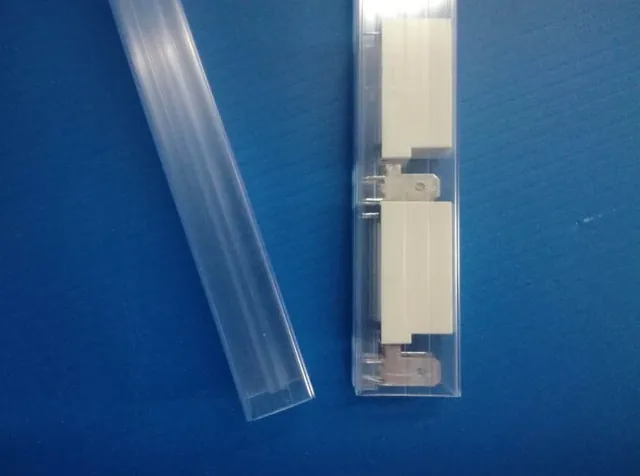
Test Wall Thickness at Multiple Points
Measure wall thickness at both ends and the middle. Some tubes are thinned in the center to save material, creating weak spots that collapse under pressure. A consistent wall thickness from end to end ensures structural integrity during handling and transport.
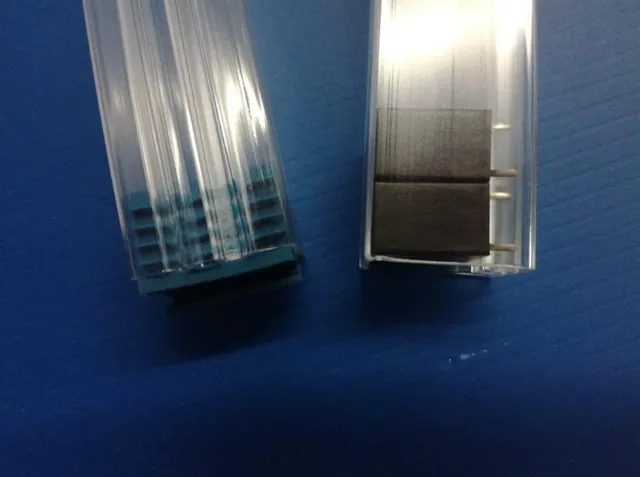
Compare Weight of Identical Tubes
Weigh two tubes with the same diameter, length and wall thickness. A heavier tube may contain excess calcium powder or impurities. Pure material has a consistent density. Excess additives reduce performance and can affect electrostatic discharge properties.
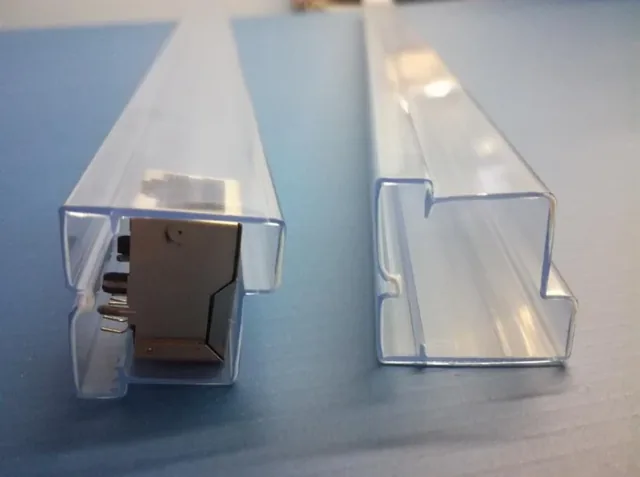
Inspect Surface Color and Clarity
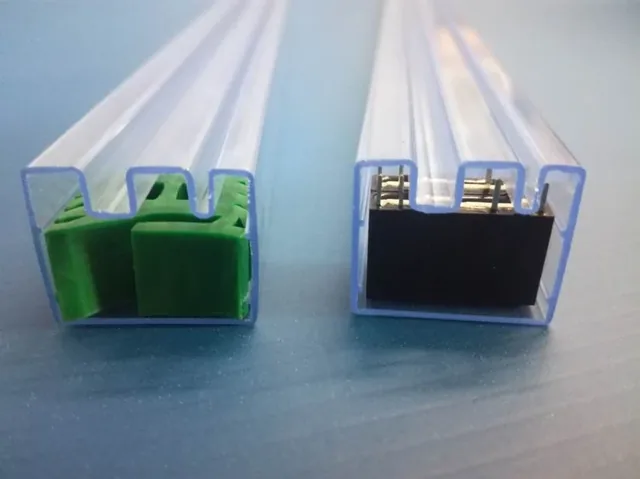
High-quality tubes are bright and transparent. A blue tint indicates a stable, pure resin. Pale or yellowish color suggests the use of recycled materials, waste or low-grade additives. These materials degrade faster and may not meet anti-static requirements.
Perform a Drop or Crush Test
Step on the tube edge or roll it underfoot. A quality tube flattens without cracking or breaking. A weak tube breaks or splits under pressure. Tubes with excessive recycled content are brittle and fail under mechanical stress, leading to component damage in transit.

Request and Verify the Test Report
Ask for the original test report for the tube batch. The report should confirm material composition, anti-static performance, and dimensional control. A missing or generic report indicates no quality verification was done.
Products In This Guide
The products this guide applies to.
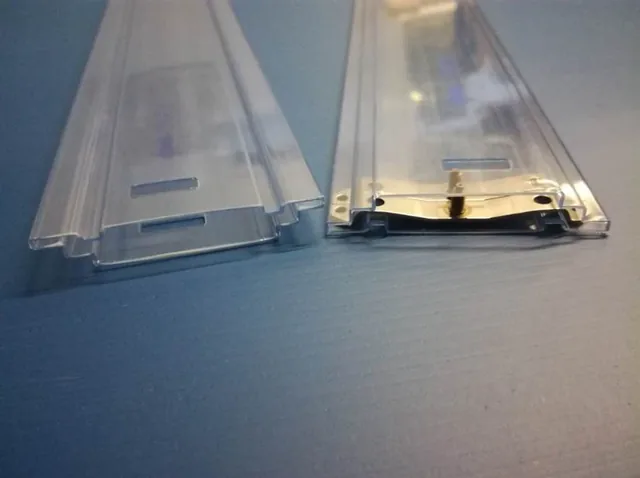
Anti Static IC Shipping Tubes
Anti Static IC Shipping Tubes are extruded plastic channels designed to protect electronic components from electrostatic discharge, mechanical shock, and environmental damage during transport and storage.
View Details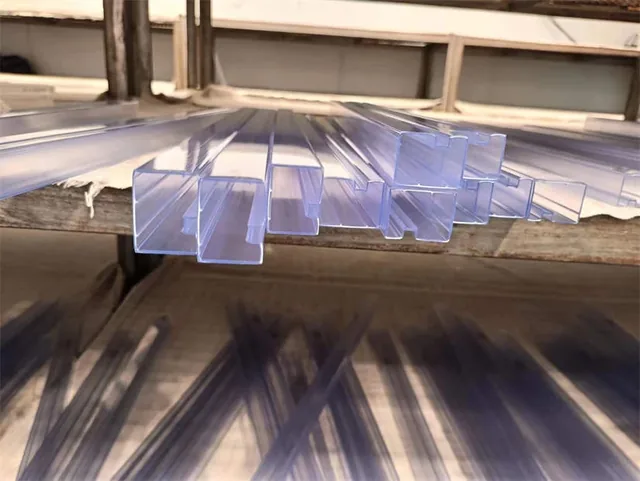
Anti Static Shipping Tubes
Anti Static Shipping Tubes are extruded plastic channels designed to protect electronic components from electrostatic discharge, mechanical shock, and environmental damage during transport and storage.
View Details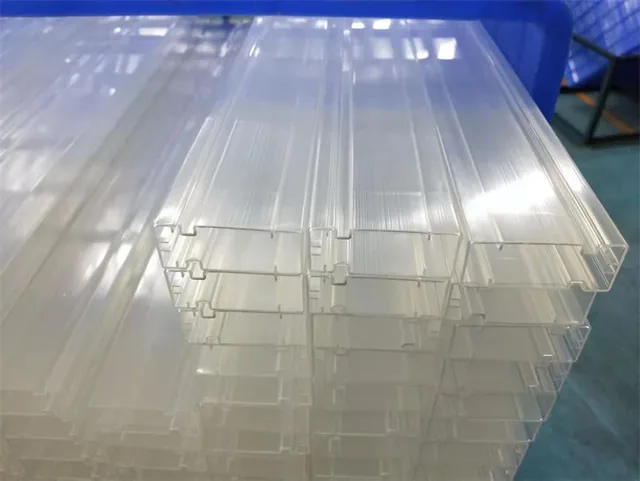
Custom IC Tubes
Custom IC Tubes are extruded plastic channels designed to match the exact profile of a specific device body, from through-hole to surface-mount components, ensuring consistent feed and protection during transport and assembly.
View DetailsKeep Reading
Guides that cover the next question.
Factors Affecting IC Tube Appearance
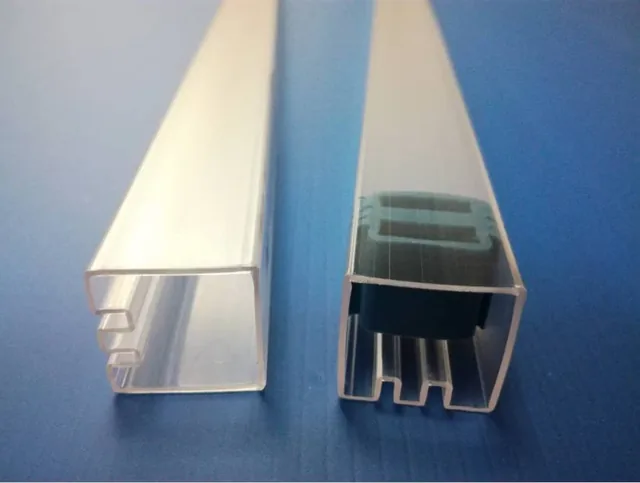
A tube's appearance affects the buyer's perception of quality, even though it does not impact function.
Read Guide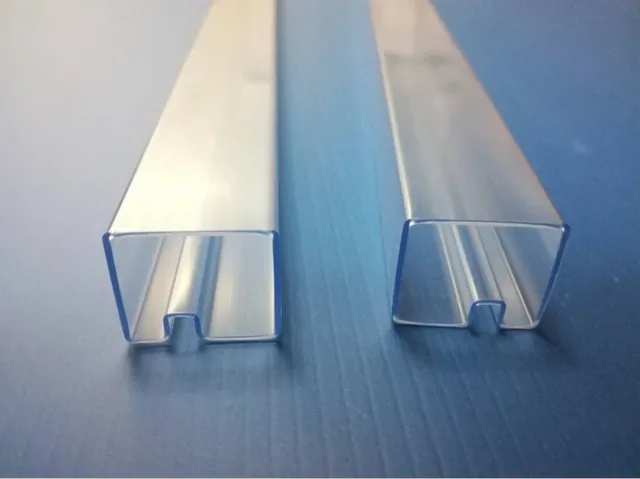
Four Points To Check When Buying IC Tubes
A supplier with independent R D and design capabilities can produce an anti-static IC tube from a part drawing without requiring a physical sample.
Read Guide
How Anti Static IC Tubes Are Made From PVC
The process starts with PVC resin fed into an extruder.
Read GuideQuestions From This Guide
What happens if a tube is too short?
A tube shorter than specified may not hold the full device count, causing feeder misalignment and misfeeds during SMT processing.
Can thinning the middle wall cause failure?
Yes. A tube with reduced wall thickness in the center collapses under pressure, leading to device jamming or damage during handling.
Why does a heavier tube indicate poor material?
Excess calcium powder or impurities increase weight but reduce material purity, affecting mechanical strength and anti-static performance.
Is a yellowish tube unsafe?
Yes. Yellow or pale color indicates possible use of recycled or low-grade materials, which can degrade faster and fail under stress or electrostatic exposure.
How do I test a tube for strength?
Apply pressure by stepping on the edge or rolling it. A quality tube flattens without cracking. A brittle tube breaks or splits, indicating poor material quality.
Do you provide test reports for each batch?
Yes. Test reports for material composition, anti-static performance and dimensional control are available upon request for each batch.
Can I rely on visual inspection alone?
No. Visual inspection helps identify obvious issues like discoloration or warping, but it does not confirm material purity or anti-static performance. Always request a test report.
Apply This to Your Own Parts
Send the device and the current packaging. The recommendation comes back with a material, a profile and a lead time.