Low Flatbed Semi-trailer LHL9372TDP Direct Sale from China
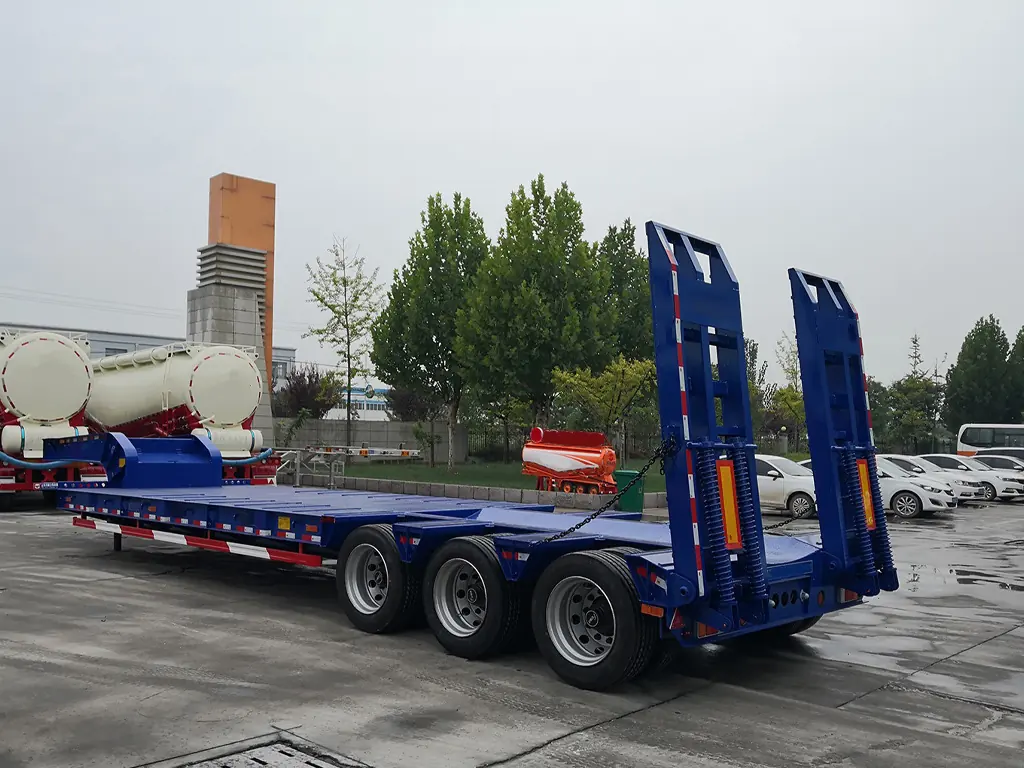
LHL9372TDP long-deck lowbed with HNABS4S/4M anti-lock braking and Q235 bolted side protection.
View Specification
In road transport, trailers are hardworking steel partners carrying goods between cities and villages. Prolonged driving, complex road conditions and the test of heavy loads gradually tire them. Regular and comprehensive maintenance is the key to keeping a trailer in good condition and extending its service life. This guide covers daily inspection, regular maintenance and seasonal care.
Inspect the appearance in detail before every trip. Check for scratches or dents on the body, especially the frame and side panels, since these can affect structural strength. Check that doors and box doors open and close normally and that sealing strips are intact, so cargo is not damaged or lost through poor sealing in transit. Check that markings and reflective strips are clear and complete. At night or in bad weather, clear reflective strips let other vehicles spot the trailer and reduce accident risk.
The tire is the only component touching the ground, and its condition directly affects driving safety and fuel economy. Check that tire pressure meets the standard, since both excessive and low pressure accelerate wear and can cause a blowout. Use a professional pressure gauge and adjust according to the vehicle manual. Check tread depth and replace tires once the tread reaches the warning line, so grip on slippery roads is maintained. Check for cracks, bulges and embedded foreign objects and deal with any problem immediately.
The lighting system is an important guarantee of safe operation. Check that headlights, turn signals, brake lights and fog lights all illuminate normally and with sufficient brightness. Lighting faults leave other drivers unable to read the trailer's intentions, which triggers accidents. If a light is not working or is dim, check the bulb and the circuit for poor contact and repair or replace promptly.
All moving parts, including outriggers, hinges and tie rods, need regular lubrication to reduce wear and extend service life. Depending on usage frequency and environment, lubricate these components every three to six months using a suitable special grease, applied evenly and in appropriate amounts so components are fully lubricated. Check for leakage at lubrication points and deal with any leak promptly to prevent loss of grease.
Most premature failures we see are not manufacturing defects. They are missed lubrication intervals, tire pressures left unchecked, small leaks that were not dealt with, and reflective markings allowed to degrade until an inspection failed. None of these cost much to prevent and all of them cost a great deal to fix once the consequence arrives.
Maintenance has to adapt to local conditions. Humid and rainy climates attack the chassis; dusty conditions load air filters and intercooler protection; cold climates change grease behaviour and tire pressure. Adjust intervals to the environment the trailer actually works in rather than following a single fixed schedule.
LHL9372TDP long-deck lowbed with HNABS4S/4M anti-lock braking and Q235 bolted side protection.
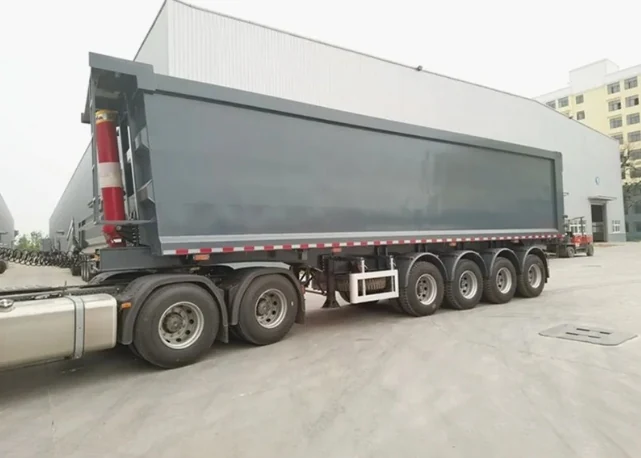
View SpecificationFour-axle rear tipper with a 55cbm rectangular body and HYVA front-mounted lifting for high-density bulk work.
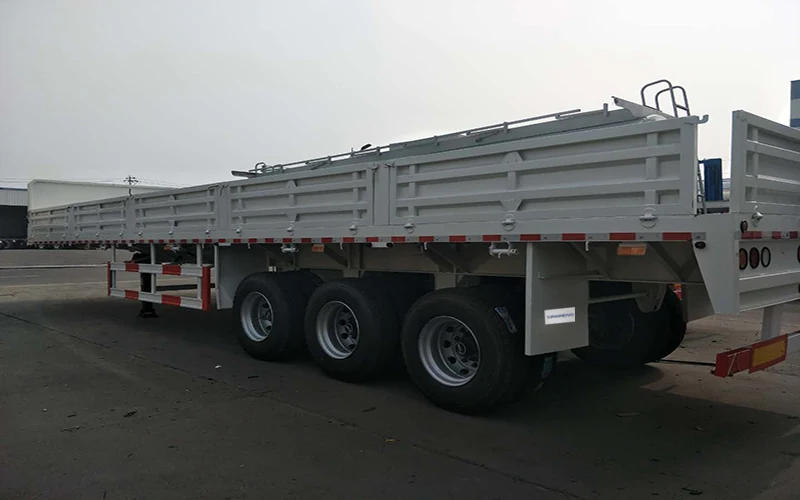
View SpecificationThree-axle cargo trailer for bagged cement and bulk goods, 33500kg payload at 6500kg tare.
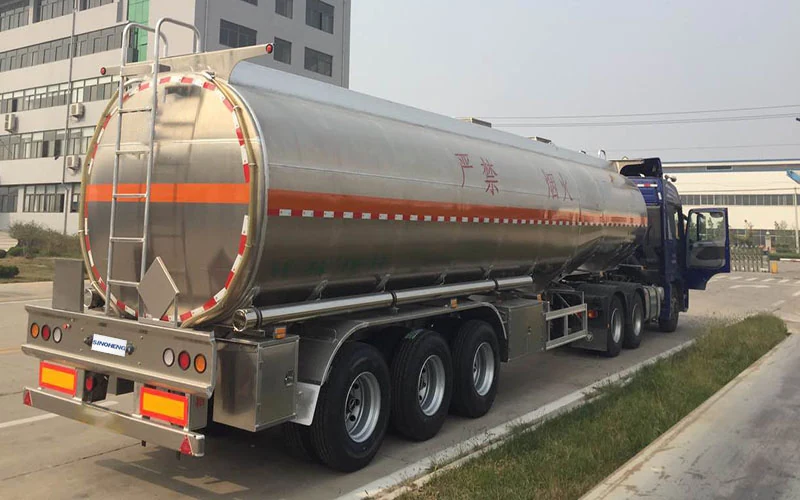
View Specification43 cubic metre aluminium alloy tanker, 33400kg payload at only 6600kg tare.
View SpecificationDeck heights 700-1100mm, ramp angles 13-35 degrees, up to 120 tonnes
Rear, side and U-shape tipping bodies, 2 to 6 axles, 30 to 80 tonnes
A working comparison of the ten semi-trailer types we build most often, what each is actually for, and how to pick the one that matches your cargo and your roads.
Flatbeds and lowbeds both have open platforms and are easily confused. The structural difference decides which one your cargo can legally travel on.
How trailer pricing actually works, what moves the number, and reference FOB prices for a range of SINOHENG models.
Generally every three to six months, depending on how frequently the trailer is used and the conditions it works in. Use a suitable special grease applied evenly.
Once the tread wears down to the warning line, or immediately if you find cracks, bulges or embedded foreign objects.
Our one year quality assurance covers quality problems. Damage caused by missed maintenance is a different matter, which is one reason we publish this guidance.
Yes. We provide regular trailer maintenance and inspection services to keep trailers in good operating condition and extend their service life.
From us. We guarantee spare parts supply for the whole service life of the trailer, however long ago it was bought.
Send your operating conditions and we will turn the guidance above into a configured trailer and a price.